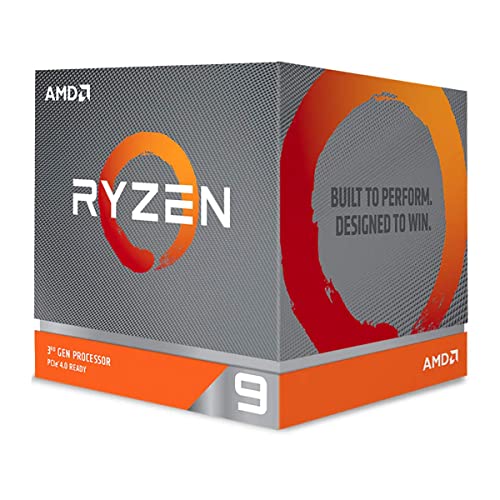
If your Ryzen 5 5600X won't POST, the cause is almost always one of three things: a motherboard BIOS too old to support Zen 3, incorrectly seated or wrong-slot RAM, or an over-torqued cooler bending the socket contacts. The 5600X itself rarely arrives dead. Use the motherboard's debug LEDs to localize the fault, then work the fixes below in order — most no-POST 5600X builds come back to life within a few minutes.
🛒 Confirming the chip by swapping in a known-good one? AMD Ryzen 5 5600X on Amazon. But check the BIOS and RAM first — the CPU is rarely the issue.
First: read the debug LEDs
Most B550/X570 and many B450 boards have four debug LEDs — CPU, DRAM, VGA, BOOT — that light to show where POST stalls. This is your fastest diagnostic. A stuck DRAM light points to memory (seating, slot, or incompatibility); a stuck CPU light points to a BIOS/Zen 3 support issue or power; a VGA light means the GPU isn't detected; BOOT means it reached the drive stage. If your board has a two-digit POST code display instead, look up the code. Let the LED tell you which branch below to work first.
The most common cause: BIOS too old for Zen 3
The 5600X is a Zen 3 chip, and a B450/X470 (or even an early B550) board that shipped before Zen 3 support needs a BIOS/AGESA update before it will POST with a 5600X. The board powers on but hangs on the CPU light because the firmware doesn't recognize the chip. The fix is BIOS Flashback (USB BIOS Flashback / Q-Flash Plus) — a feature that updates the BIOS with no CPU installed: format a USB stick FAT32, copy the renamed BIOS file per your board's manual, plug it into the designated port, and press the Flashback button. If your board lacks Flashback, you'll need a compatible older CPU to boot and update first. This single step resolves a huge share of 5600X no-POST cases on older boards.
RAM: seating, slots, and a single-stick test
Memory is the next-most-common culprit. Reseat both sticks firmly until the clips click — partially seated RAM is a frequent no-POST cause. Install them in the correct dual-channel slots (usually A2/B2, the second and fourth from the CPU — check the manual), not adjacent slots. Then test with a single stick in the primary slot: if it POSTs, the other stick or slot is the problem. If you'd enabled an aggressive EXPO/XMP profile that the kit can't hold, clear CMOS to drop back to JEDEC defaults and re-enable the profile after a successful boot.
Cooler mount pressure and the socket
Over-torquing a cooler can flex the motherboard or apply uneven pressure that disrupts the CPU socket contacts, causing a no-POST or DRAM error. If the build stopped POSTing right after a cooler install, loosen the cooler's mounting screws in a cross pattern to even, firm-but-not-cranked tension. While you're in there, confirm the CPU seated flat with no bent socket pins (inspect under light) and that you removed the plastic socket cover.
Power and the reset
Two power checks catch the rest. Confirm both the 24-pin main connector and the 8-pin (EPS) CPU power at the top of the board are fully seated — a missing or loose EPS connector is a classic no-POST that people overlook. Then clear CMOS (jumper or battery pull) to wipe any bad settings, which resolves no-POSTs caused by a failed overclock or memory-training hang. After clearing, let the board attempt a longer first boot — memory training on Ryzen can take 30–60 seconds before video appears, so don't mistake a slow first POST for a dead board.
The diagnostic order
- Read the debug LED (CPU / DRAM / VGA / BOOT) to localize.
- CPU light → update BIOS via Flashback for Zen 3 support; check EPS 8-pin.
- DRAM light → reseat RAM in A2/B2, single-stick test, clear CMOS.
- Recent cooler install → even out mount pressure, check for bent pins.
- Clear CMOS and allow a full memory-training first boot before concluding.
Avoiding the no-POST in the first place
Two habits prevent most 5600X no-POST scares on a new build. First, update the BIOS before installing the CPU if you're using an older B450/B550/X470 board — check the box or the board's BIOS-version sticker, and if it predates Zen 3 support, run Flashback first with no CPU installed. This single step sidesteps the most common cause entirely. Second, build outside the case first (a "test bench" on the motherboard box) with just CPU, one stick of RAM, cooler, and GPU — POST there before mounting everything, so if something's wrong you're not tearing a full build apart to diagnose it.
A note on the chip itself: the 5600X remains a strong value gaming CPU on the mature, inexpensive AM4 platform, which is exactly why people are still building with it. A no-POST is almost never the CPU failing — it's the platform around it (BIOS, RAM, power, mount). Work those first and the chip will almost always spring to life, saving you a needless RMA.
Frequently asked questions
Why won't my Ryzen 5 5600X POST on a board that worked before? Most often the BIOS is too old for Zen 3 — update it via USB BIOS Flashback (no CPU needed). A stuck CPU debug LED on an older B450/B550 board is the classic sign.
Could the RAM cause a no-POST? Yes — unseated RAM, wrong slots (use A2/B2 for dual channel), or an unstable EXPO/XMP profile are common causes. Reseat, single-stick test, and clear CMOS to drop to default speeds.
My build stopped POSTing right after installing the cooler — why? Likely over-torqued mounting pressure disrupting the socket, or a loose EPS power connector you bumped. Even out the cooler tension in a cross pattern and confirm the 8-pin CPU power is seated.
Related guides
- AMD Ryzen Buying Guide 2026: Every Tier Compared
- Best Gaming CPUs Under $400 for 2026
- Best CPU Cooler for Ryzen 7 5800X & AM4 Overclocking
- Gaming PC Build 2026: The Reddit-Consensus Parts List