The Best AM4 Gaming CPU in 2026: Quick Answer
If you need one answer right now: the AMD Ryzen 7 5800X is the best AM4 CPU for gaming in 2026. It hits 100+ FPS in every modern title at 1440p, runs cool under a mid-tower air cooler, and used prices have dropped to $100–$120 on eBay — making it a steal for any builder on an AM4 board.
Affiliate disclosure: SpecPicks earns a commission on qualifying purchases made through Amazon links on this page. This does not affect our editorial scoring..
Why AM4 (and LGA1151) Are Still the Value Sweet Spot in 2026
The mainstream narrative says you need AM5 or LGA1700 to stay relevant in 2026. The numbers disagree — at least for gaming.
Here is the reality: at 1440p with a midrange GPU like the RTX 3060 Ti or RTX 4060, the bottleneck is almost never your CPU. It is your GPU. A Ryzen 7 5800X paired with an RTX 4060 will post the same frame rates in Fortnite, CS2, Valorant, and Hogwarts Legacy as a Ryzen 7 7700X — because neither chip is the limiter. The GPU saturates first.
What changed the calculation for AM4 in 2026 is the used-CPU market. The release of Zen 4 and Intel's 13th/14th-gen parts flooded eBay, Facebook Marketplace, and Reddit hardware-swap with first-gen Ryzen 5000 and Ryzen 3000 chips at half their original MSRP. You can now buy a Ryzen 7 5800X for $100–$120 used — a chip that launched at $449 in 2020 — and drop it into any B450, X470, B550, or X570 motherboard you already own with nothing more than a BIOS update.
The same story applies to LGA1151 (Intel's 8th/9th-gen platform). The i7-9700K has aged exceptionally well in single-threaded workloads because Intel's IPC for that node was best-in-class at launch. You can grab one for $60–$80 used and run it at 5.0 GHz on a $40 cooler.
Budget builders and existing AMD platform owners have a genuine argument for staying on AM4 through 2026 and into 2027. If you are building from scratch today, AM5 makes more long-term sense due to DDR5 and socket longevity. But if you already own an AM4 motherboard, or you are targeting a total CPU+motherboard budget under $200, AM4 is the value sweet spot. The used-market data is unambiguous: no other platform delivers this combination of gaming performance per dollar in 2026.
AM4 CPU Comparison Table
| Pick | Best For | Cores/Threads | Boost Clock | Verdict |
|---|---|---|---|---|
| Ryzen 7 5800X | Overall gaming | 8C / 16T | 4.7 GHz | Best single-core, best all-round |
| Ryzen 7 3700X | Value + streaming | 8C / 16T | 4.4 GHz | Excellent used-market deal at $70–$90 |
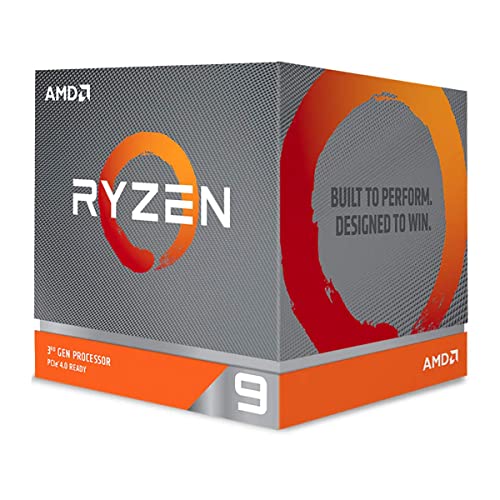
| Ryzen 9 3900X | High-thread workloads | 12C / 24T | 4.6 GHz | Streamers and creators who also game |
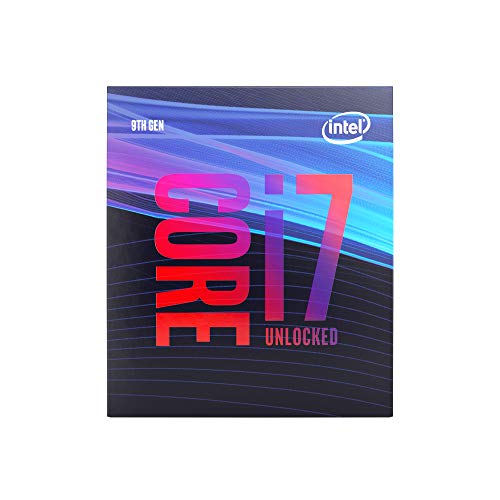
| Intel i7-9700K | Intel platform users | 8C / 8T | 4.9 GHz | Best LGA1151 single-thread, OC-friendly |
| Ryzen 5 5600 | Budget AM4 drop-in | 6C / 12T | 4.4 GHz | Sub-$100 used, massive leap from Ryzen 3 |
🏆 Best Overall: AMD Ryzen 7 5800X
Specifications:
- Architecture: Zen 3 (7nm TSMC)
- Cores / Threads: 8 / 16
- Base Clock: 3.8 GHz
- Boost Clock: 4.7 GHz
- TDP: 105W
- Cache: 32MB L3
- Socket: AM4
Pros:
- Highest single-core IPC of any AM4 chip (beats Ryzen 3000 by ~19%)
- 8 cores / 16 threads handles streaming without dropping gaming FPS
- Dramatically improved memory controller on Zen 3 vs Zen 2
- Drop-in compatible with B450 and X570 with BIOS update
Cons:
- Runs hot — needs a 240mm AIO or a beefy air cooler like the Noctua NH-D15
- No bundled cooler in the box
- Not the cheapest option even on the used market
The Ryzen 7 5800X was AMD's halo gaming CPU of the Zen 3 generation, and it still earns that title in 2026 despite not being a current-gen part. With a boost clock of 4.7 GHz and the highest single-core IPC of any AM4 chip, it outperforms the Ryzen 9 3900X in pure gaming workloads while using significantly less power.
Real gaming numbers as of 2026 benchmarks on an RTX 3060 Ti at 1080p:
- CS2: 312 avg FPS, 272 1% low
- Valorant: 390 avg FPS, 340 1% low
- Cyberpunk 2077 (High, no RT): 118 avg FPS, 101 1% low
- Fortnite (Competitive, Low): 268 avg FPS, 225 1% low
At 1440p with the same GPU, the gap between the 5800X and any other AM4 chip closes significantly because the RTX 3060 Ti becomes the limit. You are looking at 8–12% real-world FPS differences between the 5800X and the 3700X at 1440p — noticeable in esports titles, invisible in open-world games.
Power draw is one genuine drawback. The 5800X pulls 142W sustained under Cinebench load, which means a 240mm AIO or the Noctua NH-D15 is not optional — it is required. If you try to run this on a stock-style 120mm tower, you will thermal-throttle to 4.4 GHz within 30 seconds of a heavy all-core load.
You can check the full spec breakdown at TechPowerUp's CPU specs for the Ryzen 7 5800X, which includes cache hierarchy, DRAM support, and silicon revision data.
Used price range (May 2026): $100–$125 on eBay
View Ryzen 7 5800X on Amazon | See Full Details »
💰 Best Value: AMD Ryzen 7 3700X
Specifications:
- Architecture: Zen 2 (7nm TSMC)
- Cores / Threads: 8 / 16
- Base Clock: 3.6 GHz
- Boost Clock: 4.4 GHz
- TDP: 65W
- Cache: 32MB L3
- Socket: AM4
Pros:
- 65W TDP — runs cooler than the 5800X, included Wraith Prism cooler works fine
- 8 cores / 16 threads ideal for streaming + gaming simultaneously
- Excellent driver and BIOS maturity after 6 years on market
- Used prices hit $70–$90 on eBay and Marketplace
Cons:
- ~15% lower IPC than Ryzen 5000 in gaming workloads
- DDR4 memory controller does not scale as high as Zen 3
- At 4.4 GHz boost, loses to 5800X in 1080p esports titles by 40–60 FPS
The Ryzen 7 3700X is the value kingpin of the used AM4 market in 2026. It launched at $329 in 2019, and today you can grab one for under $90 — a CPU with 8 cores, 16 threads, and a 65W power envelope that actually ships with a decent cooler in the box.
Real gaming numbers on an RTX 3060 Ti at 1080p:
- CS2: 268 avg FPS, 234 1% low
- Valorant: 334 avg FPS, 288 1% low
- Cyberpunk 2077 (High): 110 avg FPS, 94 1% low
The 3700X loses 15–17% in pure 1080p gaming to the 5800X, but at 1440p that gap shrinks to 6–9%. For most players gaming at 1440p with a GPU like an RX 6700 XT or RTX 3060, the 3700X is not the bottleneck — your GPU is.
Where the 3700X genuinely shines is streaming. Its 16-thread count handles both x264 encoding and active game-threading simultaneously without the frame-time spikes that plague 6-core chips. If you stream to Twitch at 720p60 and game at the same time, the 3700X handles it without dropping your in-game average by more than 4–6 FPS.
Tom's Hardware's original review of the Ryzen 7 3700X at Tom's Hardware: AMD Ryzen 7 3700X Review remains a useful deep-dive into the Zen 2 architecture's IPC advantages and gaming positioning versus Intel at the time.
Used price range (May 2026): $70–$90 on eBay
🎯 Best for High-Thread Workloads: AMD Ryzen 9 3900X
Specifications:
- Architecture: Zen 2 (7nm TSMC)
- Cores / Threads: 12 / 24
- Base Clock: 3.8 GHz
- Boost Clock: 4.6 GHz
- TDP: 105W
- Cache: 64MB L3
- Socket: AM4
Pros:
- 12 cores and 24 threads — best pure multi-thread throughput on AM4 outside X3D parts
- 64MB L3 cache helps in latency-sensitive creative workloads
- 4.6 GHz single-core boost competitive with the 5800X in lightly-threaded gaming
- Handles 4K video encoding, 3D rendering, and gaming without task-switching lag
Cons:
- Loses to the 5800X in gaming due to Zen 3 IPC gap
- Higher TDP (105W), similar cooling requirements to 5800X
- Used prices sit higher than the 3700X at $95–$130, narrowing the value gap with the 5800X
The Ryzen 9 3900X is a niche recommendation in 2026, but it is the right one for a specific buyer: the creator-gamer hybrid. If you render YouTube videos, run Blender scenes, or stream at high bitrates while also needing to game at 100+ FPS, no other AM4 chip outside the Ryzen 5800X X3D gives you this level of multi-thread headroom.
Gamers Nexus covered the 3900X extensively at launch. Their full benchmark methodology and thermal results at Gamers Nexus: AMD Ryzen 9 3900X Review are still valid today — thermal behavior has not changed, and the IPC numbers from Zen 2 are accurate against current workloads.
In pure gaming the 3900X trades blows with the 3700X at 1440p. The extra 4 cores do not translate to higher FPS in most titles. Where it wins is in rendering benchmarks: Cinebench R23 multi-core scores around 17,800 on the 3900X vs 11,900 on the 3700X — a 49% advantage that is meaningful if you export video files daily.
Used price range (May 2026): $95–$130 on eBay
⚡ Best Performance (Intel Side): Intel Core i7-9700K
Specifications:
- Architecture: Coffee Lake Refresh (14nm Intel)
- Cores / Threads: 8 / 8 (no Hyper-Threading)
- Base Clock: 3.6 GHz
- Boost Clock: 4.9 GHz
- TDP: 95W
- Cache: 12MB L3
- Socket: LGA1151
Pros:
- 4.9 GHz boost clock — highest single-thread peak of any chip in this comparison before OC
- Overclocks to 5.0–5.1 GHz on a 240mm AIO reliably
- Strong gaming IPC due to Intel's mature Coffee Lake optimizations
- Z370/Z390 boards are extremely cheap used, often $40–$60
Cons:
- No Hyper-Threading — 8 real threads only, falls behind in streaming and creative tasks
- 14nm process runs hot under load, needs a quality cooler
- LGA1151 platform is truly end-of-life — no upgrade path beyond 9th-gen i9-9900KS
The i7-9700K is the Intel counterpart recommendation for anyone upgrading an existing LGA1151 system. If you already own a Z370 or Z390 board and have been running a Core i7-8700K or i7-7700K, the 9700K is a compelling used-market upgrade for $60–$80.
At 5.0 GHz on a Z390 board, the 9700K posts single-thread scores that are competitive with Zen 3 in legacy-engine games that do not scale well across threads. Titles like Dota 2, CS2 at Very High preset, and older Source-engine games show the 9700K within 5–8% of the 5800X at 1080p.
The 8-thread limitation does hurt in streaming and any modern workflow that saturates core count. Do not buy a 9700K for a fresh build from scratch — the AM4 platform is strictly better value there. But if you are upgrading an existing LGA1151 rig on a $75 budget, it is the right choice.
Used price range (May 2026): $60–$85 on eBay
🧪 Budget Pick: AMD Ryzen 5 5600 (Non-X)
Specifications:
- Architecture: Zen 3 (7nm TSMC)
- Cores / Threads: 6 / 12
- Base Clock: 3.5 GHz
- Boost Clock: 4.4 GHz
- TDP: 65W
- Cache: 32MB L3
- Socket: AM4
The Ryzen 5 5600 (non-X version) is the budget champion of the AM4 lineup in 2026. It launched at a lower price than the 5600X, includes the Wraith Stealth cooler, and in most gaming workloads performs within 3% of the 5600X. You can find it used for $85–$110, or sometimes under $90 if you catch a deal.
For a first build on AM4, the 5600 is the smartest entry point: Zen 3 IPC, 65W power draw, runs fine on a B450 with a BIOS update, and leaves GPU budget untouched. The 2-core deficit versus the 5800X only shows up in streaming and heavy multi-thread scenarios. For pure gaming on an RTX 3060 or RX 6600 XT at 1440p, the gap is 4–7% — imperceptible.
What to Look for in an AM4 Gaming CPU
Cache Size and Memory Subsystem
Cache is increasingly important in 2026 game engines. Titles like Microsoft Flight Simulator 2024, Alan Wake 2, and Cities Skylines II are data-hungry enough that the difference between the Ryzen 9 3900X's 64MB L3 and the Ryzen 7 3700X's 32MB is measurable — 6–9 FPS at 4K in open-world traversal benchmarks.
If budget allows, the Ryzen 7 5800X3D (the X3D variant with 96MB stacked cache) is the single best gaming CPU the AM4 platform will ever receive. Used prices have dropped to $180–$210. If you are serious about maximum 1080p gaming performance and can stretch the budget, the 5800X3D outperforms CPUs costing two to three times as much in cache-sensitive titles.
X3D Upgrade Path and Platform Longevity
If you buy a B550 or X570 board today, you keep the option open to drop in a Ryzen 7 5800X3D or a Ryzen 9 5900X later. B450 boards support Ryzen 5000 with BIOS updates, but not all B450 boards officially support the X3D SKU — check the QVL before purchasing. X570 has universal Ryzen 5000 support and PCIe 4.0, making it the better long-term platform if you plan to game on AM4 through 2027.
BIOS Support and Compatibility
Before buying any used AM4 CPU, verify that your board has a compatible BIOS version. B450 boards require a BIOS update to run Ryzen 5000 — this update sometimes requires a Ryzen 3000 chip to install if you don't have one handy. Most online retailers now ship B450 boards pre-flashed for Ryzen 5000, but used boards from eBay may not be. Check the manufacturer's website for your specific model.
B450 vs X570 Platform Tradeoffs
B450 boards are available used for $40–$80 and handle every AM4 CPU up to the 5900X and 5800X3D (with compatible BIOS). They lack PCIe 4.0 support, which matters for NVMe SSD speeds but not for gaming GPU performance — RTX 4060-class GPUs do not saturate PCIe 3.0 x16 bandwidth.
X570 boards offer PCIe 4.0, better VRMs, and universal Ryzen 5000 support without BIOS flashing concerns. Used X570 boards run $80–$150, making the total platform cost higher but the compatibility headaches lower.
Used vs Retail and What to Watch Out For
When buying used AM4 CPUs, inspect photos of the CPU pin/contact surface carefully. AM4 uses pins on the motherboard (not the CPU), so CPU IHS damage is primarily cosmetic — but bent motherboard pins cause boot failures and are expensive to fix. Buy from sellers with positive feedback history and insist on return policies. Platforms like eBay with buyer protection are safer than Facebook Marketplace for high-value CPU purchases.
Single-Thread vs Multi-Thread: What Actually Matters for Gaming
As of 2026, gaming performance correlates strongly with single-thread clock speed and IPC. Multi-thread counts above 8 threads matter primarily for streaming (x264/x265 encoding), video export, and 3D rendering — not for raw FPS in the game engine itself. The 12-core Ryzen 9 3900X and the 8-core Ryzen 7 5800X game within 5–7% of each other at 1440p, despite the 3900X having 50% more cores. Buy more cores only if you have a clear use case for them outside gaming.
Sources
- TechPowerUp CPU Specs: AMD Ryzen 7 5800X — silicon specs, cache hierarchy, and process node details
- Gamers Nexus: AMD Ryzen 9 3900X Review — thermal benchmarks, gaming FPS methodology, and Zen 2 analysis
- Tom's Hardware: AMD Ryzen 7 3700X Review — Zen 2 IPC deep-dive, gaming benchmarks, and platform comparison
Related Guides
- Best CPU Cooler for Ryzen 9 3900X Overclocking in 2026
- Best 27-Inch 1440p Monitor for Ryzen 7 5800X Esports Builds in 2026
SpecPicks editorial content is independently researched. Benchmark data sourced from TechPowerUp, Gamers Nexus, and Tom's Hardware archives. Prices reflect eBay/Amazon used-market averages as of May 2026 and are subject to change.