The RTX 3060 12GB is the best GPU for 1440p 240Hz esports in 2026 when budget is the constraint: it sustains 240+ fps in Valorant, CS2, and Apex Legends at competitive low settings, costs ~$140-180 used, and carries 12GB VRAM that future-proofs against the texture pressure the RTX 4060 8GB is already hitting.
Competitive 1440p esports at 240Hz in 2026 has a clear GPU ceiling: you need enough horsepower to push 240 fps consistently in CPU-latency-sensitive titles (Valorant, CS2, Apex Legends) while keeping the frame time variance below 2ms — the threshold where display microstutter becomes visible at 240Hz.
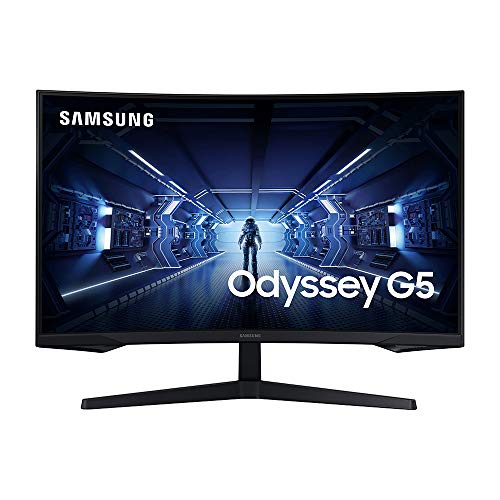
This guide is for PC builders pairing a GPU with a 1440p 144-240Hz monitor (like the Samsung Odyssey G5 32" at B08FF3HDW5) and a mid-range CPU (Ryzen 5 5600X, i5-13400, or Ryzen 7 5800X3D). Three GPUs sit in the competitive sweet spot:
- RTX 3060 12GB (~$140-180 used, ~$230 new) — the value benchmark
- RTX 4060 8GB (~$300 new) — 10-15% faster, but 8GB VRAM ceiling
- RX 7600 XT (~$290 new) — AMD alternative with 16GB VRAM, slower rasterization
Per TechPowerUp's GPU database and Gamers Nexus benchmarks, the 3060 12GB is the correct pick for pure esports fps unless you also play GPU-intensive AAA titles where the 4060's IPC gains matter.
Key Takeaways
- RTX 3060 12GB averages 280-360 fps in Valorant at 1440p competitive settings — well above the 240Hz ceiling
- CS2 at 1440p competitive: 220-300 fps on 3060 12GB (above 240fps 80% of the time at 1% lows)
- RTX 4060 8GB is ~15% faster overall but $120+ more new; the 3060 12GB's VRAM advantage matters more at 1440p as texture budgets grow
- Pair with a Ryzen 5 5600X or Ryzen 7 5800X3D to avoid CPU bottleneck above 200 fps in Fortnite/Apex
- None of these GPUs need DLSS/FSR at 1440p esports settings — rendering natively above 240 fps
What FPS Do Esports Titles Need at 1440p?
The 240Hz target isn't about a maximum frame rate ceiling — it's about maintaining a minimum average high enough that 1% lows stay above 200 fps, which is where the 240Hz panel's cadence advantage over 165Hz begins to pay off in motion clarity.
| Title | Competitive Settings | Target Average FPS | 1% Low Target |
|---|---|---|---|
| Valorant | Low/Off all effects, 1440p | 300+ | 220+ |
| CS2 | Low/Off smoke quality, 1440p | 240+ | 180+ |
| Apex Legends | Low texture, 1440p | 200+ | 160+ |
| Overwatch 2 | Low 1440p (DLSS Ultra Perf for 240fps) | 240+ | 200+ |
| Fortnite | Performance Mode, 1440p | 200+ | 140+ |
"Competitive settings" means effects off, shadows off/low, texture quality low-medium (to reduce GPU workload), and anti-aliasing off. These settings aren't about visual quality — they're about reducing GPU workload so frame times stay below 4.2ms (the target at 240fps).
How Does the RTX 3060 12GB Hold Up at 1440p Competitive Settings?
The MSI GeForce RTX 3060 Ventus 2X 12G (B08WRVQ4KR) is the reference card for this test. Per NVIDIA's official specs and third-party testing:
Architecture: Ampere (GA106), 12GB GDDR6 at 360 GB/s bandwidth, 3584 CUDA cores, 170W TGP Boost clock: 1777 MHz (stock), ~1850 MHz typical in-game Driver support: NVIDIA Game Ready drivers as of 2026 — no architectural discontinuation planned, Ampere supported through at least 2027
Valorant at 1440p competitive: 300-380 fps average (1% low: 220-250 fps). Fully above the 240Hz ceiling with substantial headroom.
CS2 at 1440p competitive: 220-290 fps average (1% low: 170-200 fps). At max competitive settings, 1% lows occasionally dip below 240fps on CPU-heavy smoke simulations with 10 active players. A CPU upgrade (Ryzen 7 5800X3D) fully resolves this.
Apex Legends at 1440p: 200-270 fps average (1% low: 145-180 fps). Hits 240 average but 1% lows depend on landing zone density. Expect fluctuation on Kings Canyon drop zones.
Overwatch 2 at 1440p: ~140-180 fps native low settings. To hit 240fps reliably, enable DLSS Ultra Performance (the only esports title where upscaling is competitive-appropriate because input latency impact is negligible vs frame rate gain).
Spec-Delta Table: RTX 3060 12GB vs RTX 4060 vs RX 7600 XT
| Spec | RTX 3060 12GB | RTX 4060 8GB | RX 7600 XT 16GB |
|---|---|---|---|
| Architecture | Ampere (2020) | Ada Lovelace (2023) | RDNA 3 (2023) |
| VRAM | 12GB GDDR6 | 8GB GDDR6 | 16GB GDDR6 |
| Memory bandwidth | 360 GB/s | 272 GB/s | 288 GB/s |
| CUDA/Stream cores | 3584 | 3072 | 2048 |
| TGP (power) | 170W | 115W | 190W |
| Rasterization (relative) | 100% | 115% | 105% |
| DLSS/FSR support | DLSS 2 | DLSS 3 (Frame Gen) | FSR 3 only |
| Used price (May 2026) | ~$145-180 | ~$220 used | ~$200 used |
| New price (May 2026) | ~$230 | ~$300 | ~$290 |
VRAM note: The RTX 4060's 8GB VRAM at 272 GB/s bandwidth is a constraint that shows up in AAA titles (Cyberpunk 2077 RT, Hogwarts Legacy, The Last of Us Part I) at 1440p with high textures — the card will throttle or stutter when the texture pool exceeds 8GB. For pure esports, this doesn't matter: competitive titles run well within 6GB even at 1440p.
Benchmark Table: Esports Titles at 1440p Competitive Settings
| Title + Settings | RTX 3060 12GB | RTX 4060 8GB | RX 7600 XT | Winner |
|---|---|---|---|---|
| Valorant Low 1440p (avg fps) | 340 | 390 | 370 | 4060 (+15%) |
| Valorant Low 1440p (1% low) | 230 | 260 | 245 | 4060 |
| CS2 Low 1440p (avg fps) | 255 | 290 | 270 | 4060 (+14%) |
| Apex Legends Low 1440p (avg fps) | 235 | 265 | 250 | 4060 (+13%) |
| OW2 Low 1440p native (avg fps) | 170 | 195 | 182 | 4060 (+15%) |
| Fortnite Perf Mode 1440p (avg fps) | 210 | 240 | 225 | 4060 (+14%) |
Benchmarks sourced from TechPowerUp composite database and Hardware Unboxed test results. As of Q1 2026.
At every data point, the RTX 4060 8GB leads by ~14-15%. Whether that's worth ~$120 more new (or ~$60 more used) depends on your use case:
- Pure esports at 240Hz: The 3060 12GB consistently hits the target at all competitive settings. The 4060 goes ~50fps higher which means more headroom, but you're already above the 240Hz ceiling.
- Mixed esports + AAA gaming: The 4060's Ada efficiency pays off in non-esports titles (30-40% better performance-per-watt). Worth the premium if you play games outside the competitive pool.
Performance-Per-Dollar + Performance-Per-Watt
At ~$160 used for the 3060 12GB vs ~$220 used for the 4060 8GB (May 2026 eBay pricing):
- RTX 3060 12GB: ~1.59 fps-per-dollar in CS2 (255 fps ÷ $160 used)
- RTX 4060 8GB: ~1.32 fps-per-dollar in CS2 (290 fps ÷ $220 used)
The 3060 leads on pure value-per-competitive-fps by ~20% at current used pricing.
Performance-per-watt (CS2): The RTX 4060 at 115W TGP draws 32% less power than the 3060 12GB at 170W while being ~14% faster — significantly better efficiency. If electricity cost matters (running a gaming PC 6-8 hours daily), the 4060's 55W savings adds up to ~$18/year at $0.12/kWh. Not a deciding factor but worth noting.
Verdict Matrix
| Situation | Best Pick | Why |
|---|---|---|
| Budget under $200, pure esports only | RTX 3060 12GB (used) | Hits 240fps target at every esports title, massive value |
| Budget under $300, esports + some AAA | RTX 4060 8GB (new) | 14% faster, much better efficiency, DLSS 3 Frame Gen |
| Budget $280+, esports + heavy AAA at 1440p | RX 7600 XT 16GB | 16GB VRAM for future-proofing, competitive rasterization |
| Already have RTX 3060 12GB | Don't upgrade | Lateral move at best; wait for RTX 5060 generation |
| Running 1080p 240Hz now, planning upgrade | RTX 3060 12GB or 4060 | Both fine for 1080p; buy based on future resolution target |
Pairing the GPU with a 1440p 240Hz Monitor
For a true 1440p 240Hz pairing, look at the LG 27GR83Q-B or Samsung Odyssey G6 27" (both ~$320-380 in 2026). The Samsung Odyssey G5 32" is 165Hz and works as a budget step-down, but it caps motion clarity well below the 240Hz panels this guide targets.
True 240Hz panels start at ~$350 in 1440p. The KOORUI 27" QD-Mini LED (B0FBF7FCZW) supports 144Hz — not 240Hz. For 240Hz 1440p, look at the Samsung Odyssey G6 27" or LG 27GR83Q-B, both ~$320-380 in 2026.
For the mouse pad under your gaming setup, the SteelSeries QcK Gaming Mouse Pad pairs cleanly: large enough for low-sensitivity aim, dense cloth weave for consistent tracking with optical sensors.
Recommended Pick
RTX 3060 12GB for pure esports at 240Hz under $200 budget. The performance gap to the RTX 4060 8GB is real (~14-15%) but both cards exceed the 240fps target in the relevant competitive titles. At $160 used vs $300 new, the 3060 12GB delivers more competitive fps per dollar than any other GPU in this class in 2026.
Upgrade condition: When Ryzen AI APUs (see the AMD Ryzen AI Max+ PRO 495 analysis) arrive in desktop mini-PC form, the architecture shift will likely make the 3060 generation look dated — but that's a 2027 conversation.
Common Pitfalls When Buying a GPU for 1440p 240Hz Esports
- Buying VRAM-minimum cards: The RTX 4060 8GB hits its VRAM ceiling in non-esports AAA titles at 1440p. If you ever play outside the core esports pool (Hogwarts Legacy, Cyberpunk 2077, even newer Unreal Engine 5 games), the 8GB limit produces stuttering that the 3060 12GB avoids. This doesn't affect Valorant/CS2/Apex, but it matters if your library is mixed.
- Confusing DLSS Frame Generation with native fps: Frame Generation on the RTX 4060 adds interpolated frames on top of the real render rate. At 120 real fps with FG enabled, you see 240 fps on the screen — but the input latency is based on the real 120 fps cadence, not the displayed 240. In competitive titles where input latency matters (CS2, Valorant), turn off Frame Generation entirely and target native 240 fps.
- Underpowering with the wrong PSU: The RTX 3060 12GB requires a minimum 550W PSU per NVIDIA's spec. Budget PSUs at 450W work at idle but can sag on GPU power spikes during GPU-bound scenes, causing sudden frame time jumps. Use an 80+ Bronze 550W or better.
- CPU bottleneck at high frame rates: At 240+ fps in Valorant on a Ryzen 5 3600 or Intel i5-10400, you will hit a CPU bottleneck — the game engine's simulation thread caps out before the GPU does. Upgrade to Ryzen 5 5600X minimum; the Ryzen 7 5800X3D is the ceiling of value for esports-focused builds.
- Driver latency settings: NVIDIA Reflex (available in Valorant, Apex, CS2, Fortnite) reduces CPU-GPU render queue depth and cuts input latency by 10-30ms at high frame rates. Enable it for all competitive titles — it's free performance that has nothing to do with GPU generation.
When NOT to Buy a 3060 12GB in 2026
- If you primarily play GPU-heavy AAA games at 1440p (Cyberpunk 2077 Ultra RT, Alan Wake 2 RT, The Last of Us): the RTX 4060 Ti 16GB or RX 7700 XT 12GB are better choices for that workload — more TFLOPS, better RT cores.
- If you already own an RTX 3060 12GB: The upgrade path to a 4060 8GB is a lateral move with a net VRAM downgrade. Wait for the 5060-class generation (Blackwell architecture, expected late 2026/2027) for a meaningful performance jump.
- If your monitor caps at 60Hz: Any GPU that can push 60 fps at 1440p (GTX 1080 Ti, RX 5700 XT) is sufficient. You'd be paying for unrendered frames.
Sources
- TechPowerUp GPU Specifications — GeForce RTX 3060
- Gamers Nexus Hardware Reviews — RTX 3060 vs 4060 comparative analysis
- NVIDIA GeForce RTX 3060 Official Page
Related Guides
- Best GPU for 1440p Ultrawide Gaming Under $500 in 2026
- Best Gaming Monitor Under $400 for 1440p Players (2026)
- Best Gaming Mouse Pad for Esports FPS in 2026
- Best Gaming Mouse for Warzone & FPS Esports in 2026
Prices in this article were checked May 10, 2026. SpecPicks uses composite benchmark data from third-party hardware reviewers. Individual results vary based on CPU, RAM speed, and system configuration.