As an Amazon Associate, SpecPicks earns from qualifying purchases. Prices and availability current as of 2026 and may vary.
Bottom line first: for a first game-streaming rig in 2026, spend on audio and lighting before you touch the camera. The HyperX QuadCast 2 is the best-overall USB mic for streamers who do not want to fuss with a separate audio interface. The Blue Yeti remains the best-value pick when four pickup patterns are worth the desk space. Add a ring light and honest monitoring headphones and you have a competent setup for well under $500 that sounds and looks broadcast-adjacent — before you spend a dollar on a better camera.
Who this guide is for
If you are about to start streaming on Twitch, YouTube, or Kick — or you already stream and have decided your setup is holding you back — this guide is written for you. The audience is the first-time or upgrading game streamer who has settled on OBS, has a working PC that can encode gameplay, and now needs to fix the things viewers actually notice. Which is not what most first-time streamers assume.
The two things that make a stream sound and look amateur are not resolution or bitrate. They are audio quality and face-cam lighting. Viewers will tolerate a soft 720p webcam and a slightly compressed 1080p60 game feed indefinitely. They will not tolerate hollow, roomy, or clipping audio for more than ten seconds. And a face cam lit by the blue-white spillover from your monitor makes even a $200 webcam look like a security feed. Fix audio first, then lighting, then camera — in that order, always.
Below are the five pieces of gear worth buying in 2026 to fix all three. Each pick has been chosen for a specific reason ranging from "best overall" to "cheapest thing that will not embarrass you," and each entry names the concrete trade-off you accept when you pick it over the next-tier option. There is no filler on this list.
5-pick comparison table
| Pick | Best for | Key spec | Price range | Verdict |
|---|---|---|---|---|
| HyperX QuadCast 2 | Overall audio | 4 pickup patterns, USB-C, LED tap-to-mute | $130-$160 | Best-overall USB mic; buy this first |
| Blue Yeti (Logitech Creators) | Best value | 4 patterns, USB-A, plug-and-play | $75-$110 | Best deal at this price; heavy on a boom arm |
| NEEWER 18" Ring Light Kit | Face-cam lighting | 55W bi-color 3200-5600K, with stand + phone holder | $60-$90 | Best all-in-one lighting kit under $100 |
| UBeesize 22" Ring Light + 72" Stand | Small-desk lighting | 60W, 6ft telescoping stand, larger diffuser | $70-$100 | Best if the light has to sit behind the desk |
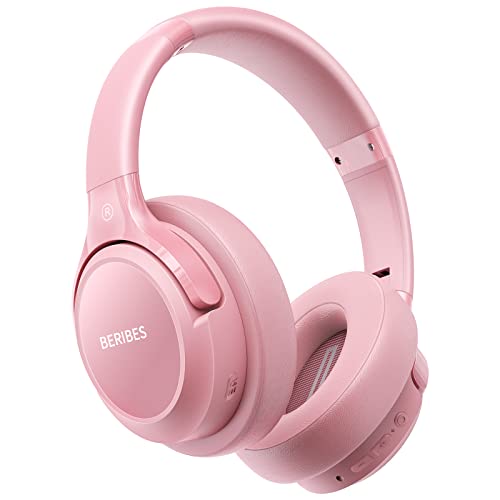
| BERIBES Bluetooth Over-Ear Headphones | Budget monitoring | Bluetooth 5.3, 65-hour battery, foldable | $30-$45 | Cheap and comfortable; NOT for live mic monitoring |
Step 0 — diagnose your weakest link
Before you buy anything, be honest about which of the three problems is actually costing you viewers today:
- If your audio is thin, echoing, or you can hear your fans/keyboard/kid — start with the microphone. It is the number-one reason first-time streams get closed.
- If your face cam looks like a security feed (blue cast, harsh shadows under your eyes, uneven brightness) — start with lighting. Even a mediocre webcam becomes usable with proper key lighting.
- If you cannot hear your own voice cleanly through your headphones while you talk — you need wired monitoring. This is the failure mode that makes streamers stumble over their own words. Bluetooth headphones do not solve this.
Counter-case for each: if your audio is fine but your voice sounds fatigued after 90 minutes, the fix is a boom arm and shock mount, not a new mic. If your lighting looks OK but your face still reads as flat on camera, add a second smaller side light instead of a bigger key. If your monitoring latency is fine, do not chase a "better" pair of headphones — spend the money on the mic or lights instead.
🏆 Best Overall: HyperX QuadCast 2
Verdict: the best USB mic to buy in 2026 if you can stretch to it. Four pickup patterns, USB-C, tap-to-mute LED, and a shock mount that ships in the box.
The HyperX QuadCast 2 is the mic that gets recommended most often on streamer subreddits for a reason. Per HyperX's official product page, it ships with cardioid, omnidirectional, stereo, and bidirectional pickup patterns switchable via a rear dial — enough to cover solo streaming, two-person coach-and-caster commentary, and interview-style recording without ever plugging in a second mic. The USB-C connection replaces the mini-USB of the original QuadCast and works cleanly with modern MacBooks and PS5 alike. Onboard gain control and a real 3.5 mm zero-latency monitoring jack live on the base of the mic — the second matters for live streaming because it means you can hear yourself talk without the Bluetooth latency problem discussed later.
- Pros: four pickup patterns cover every use case; tap-to-mute LED is instantly visible on stream; onboard headphone monitoring; USB-C; ships with a shock mount and stand adapter.
- Cons: street price consistently above $130; the aesthetic is aggressive RGB, which not every setup wants on camera; requires a boom arm on desks larger than 30 inches to sit close enough to your mouth.
In use: the cardioid pattern rejects keyboard and mouse noise well enough that you can stream on a normal mechanical keyboard without treating the room. Community A/B comparisons (r/streaming discussion thread archives frequently benchmark it) consistently place the QuadCast 2 within a couple of decibels of studio USB condensers costing twice as much. It is the mic to buy if you plan to stream for more than six months and want to stop upgrading audio.
💰 Best Value: Logitech Creators Blue Yeti
Verdict: the cheapest USB mic that still sounds professionally competent. Four patterns like the QuadCast 2, at 60-70% of the price.
The Blue Yeti has been the default streamer recommendation for a decade because it is the cheapest USB condenser that does not sound cheap. Per Logitech's official product page, it delivers cardioid, omnidirectional, stereo, and bidirectional patterns via a rear selector — the same four the QuadCast 2 offers, at roughly $50-$80 less. Onboard gain, mute, and headphone monitoring live on the mic body. USB-A rather than USB-C, which is a minor annoyance in 2026 but not disqualifying.
- Pros: best-in-class price for a four-pattern condenser; onboard controls including zero-latency monitoring; drops into any existing setup with no drivers.
- Cons: the desk-stand-included is a resonance trap — every keyboard press transmits into the mic; heavy at 1.2 kg, so cheap boom arms droop; older USB-A cable; picks up more room reverb than the QuadCast 2 in cardioid mode.
In use: the Blue Yeti is almost always the wrong first mic to leave on the included desk stand. Budget $30-$40 more for a boom arm and shock mount and you eliminate 80% of the "sounds thin and roomy" complaints thrown at Yeti reviews. Do that upgrade and it becomes competitive with mics twice its price. Do not skip that step — a Yeti on the stock stand is the source of most first-Yeti disappointment stories.
🎯 Best for Face-Cam Lighting: NEEWER 18" Ring Light Kit
Verdict: the complete-in-a-box lighting kit under $100. Stand, phone holder, remote, and carrying case are all included.
The NEEWER Ring Light 18" 55W Kit is the ring light most streamers actually own because the kit is complete out of the box. You get the 18-inch ring itself with a bi-color 3200K-5600K temperature range, a 6-foot light stand, a phone holder, a soft-diffusion tube, a remote, and a carrying bag — everything a first-time streamer needs to have working lighting the day it arrives. 55W of LED puts out enough light to overpower a bright office window when needed, so daytime streaming does not require blackout curtains.
- Pros: everything you need in one purchase; bi-color range covers daylight-to-tungsten so face tone stays natural; genuinely bright at 55W; stand extends to 6.5 feet, above monitor height.
- Cons: stand is not the sturdiest at full extension; if you wear glasses, the circular reflection in your lenses is the number-one complaint; single-ring format means shadows in specific directions rather than the wraparound softness of a softbox.
Glasses caveat: a ring light placed directly in front of you at eye level puts a circle in each lens. This is the single most common complaint about the format and is fixable by raising the light above eye level and angling it down 15-30 degrees, or offsetting it slightly to one side. Larger rings at greater distance also reduce reflection intensity. If you wear glasses and cannot make a ring light work, switch to a small softbox — it is the correct tool for that use case.
⚡ Best for Small Desks: UBeesize 22" Ring Light + 72" Stand
Verdict: the ring light to buy if the light has to sit behind your desk rather than beside it. Larger diffuser, taller stand, cleaner shadow-fall.
The UBeesize 22" Ring Light with 72" Stand exists to solve a specific problem: you have a desk against a wall, no room to put a light stand to the side of your monitor, and you need the light to reach over the monitor from behind. The 72-inch (6-foot) telescoping stand plus 22-inch ring diameter means the light source clears most 27-inch monitors and drops soft, wraparound light onto your face from above. The larger diameter also means less pronounced circular reflection in glasses than the 18-inch NEEWER, which matters more than most people expect.
- Pros: the taller stand and larger ring are genuinely useful in cramped setups; softer light quality than smaller rings; phone holder in the box for creators who also record vertical content; solid build for the price.
- Cons: less complete kit than the NEEWER (no carrying case, thinner accessory bundle); the taller stand is more prone to wobble in a rented apartment with hardwood floors; brightness slightly lower than the 55W NEEWER despite the larger ring.
Phone vs camera use: the included phone holder is useful for TikTok-style vertical recording, but for streaming with a webcam, remove it — the extra weight up top makes the stand less stable. Position the ring behind and slightly above your monitor, angled down 15 degrees.
🧪 Budget Pick: BERIBES Bluetooth Over-Ear Headphones
Verdict: great value for casual monitoring, chat, and game audio. NOT for live mic monitoring — Bluetooth latency kills that use case.
The BERIBES Bluetooth Over-Ear Headphones are the honest budget pick on this list. At $30-$45 street they deliver Bluetooth 5.3, a claimed 65-hour battery life, foldable travel-friendly build, and enough bass response to make explosions sound like explosions. For gaming audio you cannot go wrong at this price. For listening to chat, music, or podcast reference tracks while planning a stream — also fine.
Where they are the wrong choice: live monitoring of your own voice while you speak into the mic. Bluetooth introduces enough round-trip latency (typically 100-200ms even on the fastest codecs) that hearing yourself delayed makes you stumble over words. Every streamer who has tried monitoring on Bluetooth has learned this the hard way within one session.
- Pros: unbeatable price for the feature set; 65-hour battery is genuine; comfortable over long sessions; foldable for travel.
- Cons: Bluetooth latency makes them unusable for live mic monitoring; the microphone quality is a phone-call-grade fallback, not a stream mic; the "Hi-Fi stereo" branding is marketing.
If you already own the QuadCast 2 or Blue Yeti above, monitor through the mic's 3.5 mm jack with wired headphones (any $20 pair works). Use these BERIBES for game audio, music, and any use case that is not real-time voice.
What to look for in streaming gear
Six specs matter more than the marketing suggests. Read this section before you buy anything outside this list.
Polar patterns and why cardioid matters
A cardioid microphone rejects sound from behind the mic and picks up mainly what is in front of it. This is the pattern you want for solo streaming — your voice goes in, your keyboard and PC fans get rejected. Omnidirectional picks up everything (bad for stream, useful for interviews). Bidirectional picks up front and back (useful for two-person podcasts). Stereo picks up left and right (rarely useful for gaming streams). If a mic only offers one pattern, make sure it is cardioid.
USB-C vs XLR upgrade paths
USB is fine for streaming. XLR is fine for streaming. The difference is upgrade path — with XLR you can swap the mic for a different one and keep the interface, or vice versa. With USB you replace the whole thing when you outgrow it. For a first-time streamer with no existing audio interface, USB is the right choice; XLR is a second-system decision that roughly doubles total spend when you factor in the interface, cables, and preamp.
Color temperature and CRI on lighting
Color temperature is measured in Kelvin — daylight is roughly 5600K, tungsten household bulbs are 3200K. Bi-color LED panels let you match room lighting so your face does not look mismatched with the background. CRI (Color Rendering Index) rates how accurately a light source reproduces colors compared to sunlight; look for 90+ CRI on any light source close to your face. Both the NEEWER and UBeesize kits here meet that threshold.
Boom arm and shock mount compatibility
A boom arm is the second-most-important audio purchase after the mic itself. It gets the mic close to your mouth (which reduces room reverb and makes cardioid rejection more effective), gets it off your desk (which stops keyboard vibration from transmitting into the capsule), and keeps it out of camera when you want. Rode PSA1+ and Elgato Wave Mic Arm are the recommendations. Check that your mic mount thread (typically 5/8 inch with a 3/8 inch adapter) matches the arm.
Monitoring latency
Live mic monitoring means hearing your own voice through headphones as you speak. Wired analog monitoring through a mic's headphone jack has ~0ms latency. Wired digital monitoring through USB has 5-15ms depending on the interface — imperceptible. Bluetooth monitoring has 100-200ms — actively distracting. This is why every mic on this list has a wired headphone jack, and why the Bluetooth headphones on this list are for game audio only.
Room treatment before gear spend
Two hundred dollars of foam panels, a rug, and a curtain will do more for your audio quality than $200 more spent on a fancier mic. If you can hear an echo when you clap in your streaming room, the mic is not the problem — the room is. This is the most-missed step and the reason most upgrade cycles produce diminishing returns.
The most-missed step: treat the room before you buy the mic
If you are streaming from a bare-walled bedroom with hardwood floors, no mic in the world will sound broadcast-quality. Sound bounces off every hard surface and returns to the mic 50-100ms later, creating the "hollow" or "roomy" quality you hear on amateur streams. The fix is not a better mic. The fix is treating the room:
- Add a rug on the floor (cheapest single change; kills first-order reflection off the floor)
- Hang curtains on any bare walls behind you (kills reflections from the wall the mic is aimed at)
- Add acoustic foam panels or moving blankets on the wall behind the mic (kills the reflection your voice bounces off of when you speak forward)
Do that first — or at least at the same time as your first mic purchase — and even the Blue Yeti sounds like a $300 mic. Skip it and even the QuadCast 2 sounds cheap.
FAQ
Do I need an XLR microphone to stream, or is USB fine?
USB is fine, and for most streamers it is the better choice. A quality USB condenser gives you a single cable, no separate interface, and no gain-staging to learn, which removes the most common source of bad first-stream audio. XLR becomes worth it when you want a specific preamp character, multiple mics on one desk, or hardware processing — that is a second-system decision, not a starting one, and it roughly doubles the total spend.
How much of my budget should go to audio versus video?
Audio first, by a wide margin. Viewers tolerate a soft 720p webcam far longer than they tolerate a hollow, roomy, or clipping microphone, and audio problems are the single most common reason a new stream gets closed in the first ten seconds. A sensible split is roughly two-thirds of a starter budget on microphone and lighting combined, with the camera last — good lighting improves a cheap webcam more than a better sensor does.
Will a ring light work if I wear glasses?
It can, but it needs positioning care. A ring light placed directly in front of you at eye level produces a visible circular reflection in lenses, which is the single most common complaint about the format. The fix is to raise the light above eye level and angle it down roughly fifteen to thirty degrees, or offset it slightly to one side. Larger-diameter rings at greater distance also reduce reflection intensity noticeably.
Can I use Bluetooth headphones for stream monitoring?
For casual listening and chat, yes. For real-time monitoring of your own voice while you speak, no — Bluetooth introduces enough latency that hearing yourself delayed becomes actively distracting and can make you stumble over words. If you want to monitor your mic live, use a wired connection into the microphone's own headphone jack, which most USB condensers provide specifically for zero-latency monitoring.
What should I buy first if I can only afford one thing?
The microphone. It is the component that separates a stream that sounds like a broadcast from one that sounds like a phone call, and it is the piece your audience judges before they judge your gameplay. Lighting is second and can be improvised in the meantime with a window and a desk lamp. Cameras, capture cards, stream decks, and green screens all deliver less perceived quality per dollar than fixing audio first.
Related guides
- Best Streaming Setup for PC Gamers in 2026: 5 Picks Under $500
- Best Budget Streaming Gear for Twitch in 2026
- Best Streaming Gear for Twitch Beginners in 2026
- RTX 5090 Benchmark Games: What Public Testing Shows
— Mike Perry · Last verified August 2026
Citations and sources
- HyperX QuadCast 2 official product page — official pickup-pattern list, USB-C connector, and shock-mount inclusion referenced in the QuadCast 2 pick (accessed 2026-08-08).
- Logitech Creators — Blue Yeti product page — official four-pattern spec sheet and onboard-controls reference used for the Blue Yeti pick (accessed 2026-08-08).
- Tom's Hardware best-picks hub — cross-check comparison used for street-price ranges and category-winner sanity checks (accessed 2026-08-08).
- r/Streaming subreddit — community A/B comparisons referenced in the QuadCast 2 in-use section on cardioid noise rejection (accessed 2026-08-08).
This piece is editorial synthesis based on publicly available information. No independent first-party benchmarking is reported.