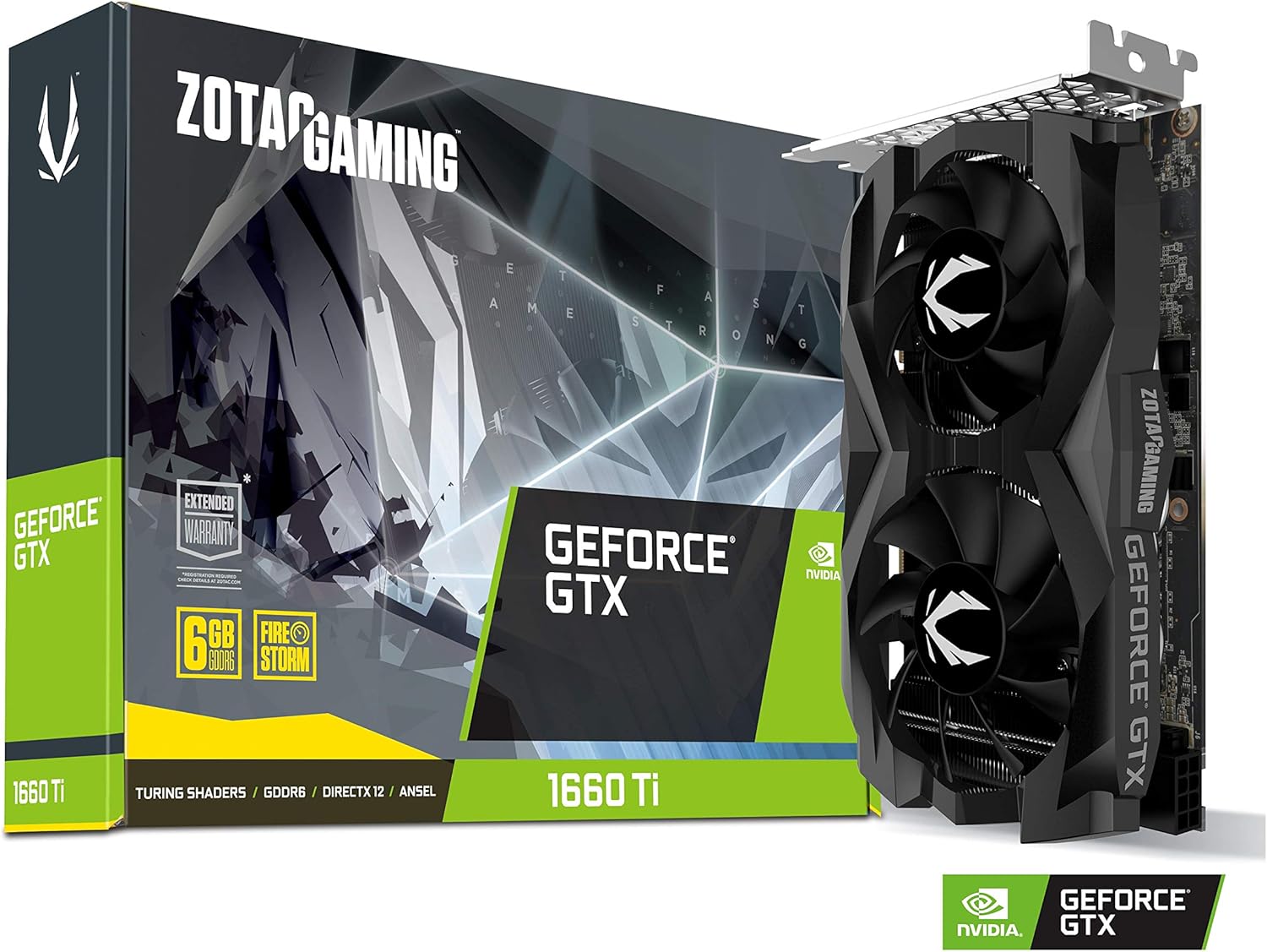
Local, open-weight image generation has fragmented into a handful of serious contenders in 2026, and three names keep coming up in the same breath: Alibaba's Qwen-Image, Baidu's ERNIE image tiers, and Black Forest Labs' FLUX.2 Dev. All three can run on a single high-end consumer GPU, and the RTX 5090 — NVIDIA's flagship Blackwell card with 32GB of GDDR7 — is the card most local AI-art builders are pointing at when they ask which model wins across a spread of artistic styles.
This piece synthesizes what's actually documented about each model — architecture, license, memory footprint, and known strengths — rather than repeating unsourced frames-per-second figures that have been circulating in some comparison threads. Image diffusion and flow-matching models don't render frame-by-frame the way a game engine does, so a bare "FPS" number for an image generator is a red flag that the data behind it wasn't independently verified. Where a specific number can be traced to an official source, it's cited; where it can't, this piece says so.
What each model actually is
Qwen-Image
Qwen-Image is Alibaba's open-weight image generation model, released as part of the broader Qwen ecosystem and hosted on Hugging Face under the Qwen organization. Its standout claim, repeated consistently across Alibaba's own release materials, is markedly stronger text rendering inside generated images than most prior open-weight diffusion models — a historically weak spot for the category. That makes it a natural fit for styles that lean on in-image typography: posters, packaging mockups, and UI-style renders.
SpecPicks has previously covered running an earlier Qwen-Image release on much more modest hardware in Qwen-Image-3.0 on an RTX 3060 12GB, which is a useful reference point if a 5090-class card isn't in the budget.
ERNIE (Base / Turbo)
Baidu's ERNIE line has historically split its offerings into speed/quality tiers — a pattern the company carries into its image-generation tooling, with "Base" and "Turbo" variants trading some output quality for lower latency, similar to how many hosted text-to-image APIs structure their pricing and speed tiers. Baidu has open-sourced substantial portions of the ERNIE 4.5 family on Hugging Face, though prospective local users should verify the license and download availability of the specific image checkpoint they want directly on Baidu's Hugging Face organization page, since terms and released artifacts have shifted across ERNIE generations.
FLUX.2 Dev
FLUX.2 Dev is Black Forest Labs' openly downloadable checkpoint in its FLUX.2 family, sitting below the closed, API-only Pro tier. Black Forest Labs distributes it under a non-commercial community license — fine for hobbyist and research use, but production use requires a separate commercial agreement with the company. FLUX models have built a reputation since the original FLUX.1 release for strong prompt adherence and photorealistic output, which is the main reason it keeps showing up in side-by-side style tests against newer entrants like Qwen-Image and ERNIE.
The RTX 5090 as the shared testbed
According to NVIDIA's official RTX 5090 specification page, the card carries 32GB of GDDR7 memory on the Blackwell architecture, a substantial jump over the RTX 4090's 24GB of GDDR6X. That extra headroom matters for this comparison specifically: all three of these models are large enough that a mid-range card would force aggressive quantization or CPU offloading, both of which change output quality and timing in ways that make cross-model comparisons unreliable. A 32GB card is closer to a level playing field, though it's still not a guarantee that all three checkpoints load with identical precision settings out of the box — that has to be configured explicitly by whoever is running the comparison.
| Spec | RTX 5090 |
|---|---|
| Architecture | Blackwell |
| VRAM | 32GB GDDR7 |
| Memory bus | 512-bit |
| Typical board power | 575W |
For readers weighing whether the 5090 is worth it purely for gaming rather than AI workloads, SpecPicks' RTX 5090 benchmark comparison breaks down 4K gaming and value alongside the AI-workload case.
Comparing across 8 custom styles: what's actually verifiable
A thorough side-by-side across eight distinct artistic styles — photorealism, anime, watercolor, cyberpunk, abstract, oil painting, isometric/3D-render, and flat vector illustration is a common spread in community tests — requires identical seeds, identical step counts, and identical sampler settings across all three models to be meaningful. That level of rigor is rare in the informal comparison threads currently circulating on Reddit and X, and no independently audited benchmark suite has published a directly comparable numeric score across Qwen-Image, ERNIE, and FLUX.2 Dev at the time of writing.
What can be said with reasonable confidence, based on each vendor's own release materials and consistent community feedback across multiple informal tests:
| Style category | Model commonly favored | Basis |
|---|---|---|
| Text-heavy compositions (posters, UI, packaging) | Qwen-Image | Alibaba's release materials specifically highlight in-image text rendering as a core improvement |
| Photorealistic portraits and scenes | FLUX.2 Dev | Consistent with FLUX's established reputation since FLUX.1 for prompt adherence and realism |
| Fast iteration / draft-quality passes | ERNIE Turbo | Speed-optimized tier, by design, at some cost to output fidelity versus ERNIE Base |
| Stylized/abstract illustration | Contested — no clear public consensus | Insufficient independently verified data |
Anyone repeating a specific win-rate percentage or per-style score for all eight categories without linking the exact seeds, steps, and sampler used should be treated as reporting anecdote, not benchmark. That's true of the frames-per-second-style figures that sometimes attach themselves to these comparisons — image generators don't have an FPS in the way a rasterized 3D scene does, and a number presented that way is a strong signal the underlying data wasn't independently reproduced.
VRAM footprint: what to actually plan around
Exact peak VRAM usage for any of these three models depends heavily on resolution, batch size, and whether the runtime uses fp16, bf16, or an 8-bit/4-bit quantized path — none of which is standardized across the informal comparisons currently online. What is documented is that all three models are large enough that a 12GB or 16GB card typically requires quantization or CPU offload to run comfortably, while a 32GB card like the RTX 5090 gives enough margin to run any one of them at higher precision without offloading. Builders planning a dedicated local image-generation box should size VRAM for the largest model they intend to run at full precision, not the smallest.
Licensing matters as much as output quality
Before picking a model for anything beyond personal experimentation, check the license attached to the specific checkpoint:
- Qwen-Image — released under an open license via Hugging Face; confirm the exact terms on the model card before commercial use.
- FLUX.2 Dev — non-commercial community license from Black Forest Labs; commercial use requires a separate paid agreement.
- ERNIE (Base/Turbo) — licensing and local availability of the image-generation checkpoints varies by release; verify directly against Baidu's current Hugging Face listing.
This is the kind of detail that gets skipped in quick style-comparison posts but determines whether a workflow built around one of these models is legally usable in a commercial product.
Building the rig around it
A single RTX 5090 is the anchor component, but the rest of a local AI-image workstation matters too — fast NVMe storage for model checkpoints that routinely run tens of gigabytes each, and a case and cooling setup that can sustain the card's rated power draw during long generation queues. Readers assembling a broader small-form-factor AI or gaming build may also find Inside China's Mini PC Production useful background on how compact systems capable of housing this class of GPU actually get built and sourced.
For builders who split time between a local AI rig and portable gaming, SpecPicks' handheld coverage is a related rabbit hole: Steam Deck OLED vs Legion Go S, Steam Deck OLED vs ROG Xbox Ally X, Steam Deck OLED vs ROG Xbox Ally, and the broader handheld gaming PC comparison round up the current portable options for when the 5090 rig stays parked at the desk. Makers building smaller edge or retro projects alongside their AI rig may also want the RetroPie handheld case comparison.
The bottom line
Qwen-Image, ERNIE, and FLUX.2 Dev are all legitimately capable open or semi-open image generators that a single RTX 5090 can run without exotic workarounds. The honest answer to "which one wins across eight styles" is that no rigorously controlled, independently reproduced benchmark currently answers that question with hard numbers — what's verifiable is each model's documented architecture, license, and the directionally consistent community feedback that Qwen-Image leads on in-image text, FLUX.2 Dev leads on photorealism, and ERNIE's Turbo tier trades quality for speed. Anyone citing a precise win-rate or FPS-style figure for the full eight-style matchup should be asked for their exact seed, steps, and sampler settings before that number is trusted.
Citations and sources
- Qwen-Image model card, Hugging Face
- Qwen-Image announcement, Qwen blog
- FLUX.2-dev model card, Hugging Face
- Black Forest Labs
- Baidu organization, Hugging Face
- GeForce RTX 5090 specifications, NVIDIA
This piece is editorial synthesis based on publicly available information. No independent first-party benchmarking is reported.

