Valve's Steam Deck OLED and Lenovo's Legion Go S sit at the center of the handheld PC gaming conversation heading into 2026. Both are compact, controller-integrated devices built to run full PC game libraries on the go, but they diverge on display technology, chip strategy, operating system, and price. This guide lines up what's publicly documented about each device so shoppers can match the right handheld to their use case — including where to expand storage and add accessories.
Steam Deck OLED vs Legion Go S: specs at a glance
| Spec | Steam Deck OLED | Legion Go S |
|---|---|---|
| Display | 7.4-inch HDR OLED | 8-inch IPS |
| Chip family | AMD custom APU (Zen 2 + RDNA 2) | AMD Ryzen Z-series (varies by SKU) |
| Operating system | SteamOS (Linux) | Windows 11, or a SteamOS configuration |
| Storage | NVMe SSD, multiple capacity tiers | SSD, multiple capacity tiers |
| Expansion | microSD slot | microSD slot |
| Form factor | Fixed, integrated controls | Fixed, integrated controls |
Exact clock speeds, battery-cell capacity, and weight vary slightly by revision and region, so shoppers comparing spec sheets should check the current listing on Valve's official Steam Deck OLED page and Lenovo's Legion Go series page before buying, since manufacturers periodically update SKUs and pricing.
Display: OLED contrast vs a bigger IPS panel
The headline difference is panel technology. Valve's OLED refresh of the Steam Deck moved from the original LCD panel to a 7.4-inch OLED display, which per Valve's own marketing brings deeper black levels, wider color coverage, and reduced motion blur compared to the LCD original — advantages inherent to OLED technology generally. The Legion Go S instead uses a larger 8-inch IPS panel, trading OLED contrast for a bigger viewing area, which matters more for players who game in bed or on a couch farther from their face than for players optimizing for on-the-go portability.
Neither company publishes identical refresh-rate specifications across every SKU, and community sources should be checked for a given model before assuming a specific Hz figure. What's consistent: OLED remains the more premium panel technology for contrast and color, while the Legion Go S wins on sheer screen real estate.
For a similarly screen-focused matchup, see how the OLED refresh stacks up against ASUS's competing hardware in Steam Deck OLED vs ROG Xbox Ally X and Steam Deck OLED vs ROG Ally Z1 Extreme.
Chip and operating system: SteamOS, Windows, or both
This is where the Legion Go S gets genuinely interesting. Lenovo builds the Legion Go S around AMD's Ryzen Z-series mobile chips, and — notably — offers it in two operating-system configurations: a standard Windows 11 build, and a version that ships with SteamOS, the result of a direct partnership with Valve. That SteamOS variant makes the Legion Go S the first major third-party handheld to ship Valve's Linux-based OS out of the box, rather than running it as a community-installed alternative.
The Steam Deck OLED, by contrast, runs SteamOS exclusively as shipped, though it can dual-boot Windows for players who need native compatibility with anti-cheat-protected multiplayer titles that don't yet support Linux. ProtonDB remains the best community-maintained resource for checking whether a specific game runs well under SteamOS's Proton compatibility layer before buying either SteamOS-based handheld.
For buyers who specifically want Windows-native software compatibility without the SteamOS learning curve, a Windows-configured Legion Go S or a competing ROG Ally may be a better fit — see the three-way breakdown in Legion Go vs Steam Deck vs ROG Ally: 2026 Buying Guide and the head-to-head in ROG Ally X vs Steam Deck OLED.
Battery life and power management
Both handhelds ship with sizable battery packs, and Valve and Lenovo both publish runtime estimates as ranges rather than single figures, because actual battery life varies enormously by game, brightness, refresh rate, and whether a frame-rate cap or power-saving mode is enabled. Rather than repeat a specific hours figure that isn't consistently sourced across both manufacturers' current listings, the practical takeaway is: lighter 2D or emulated titles will comfortably clear several hours on either device, while demanding native PC titles at high settings will draw down either battery meaningfully faster. Players prioritizing maximum runtime should check each manufacturer's current official spec page for their exact SKU, since battery capacity has changed across hardware revisions.
Thermals and sustained performance
Handheld thermal behavior is highly dependent on the specific game, power limit setting, and ambient temperature, and publicly verifiable, apples-to-apples thermal benchmarks between the Steam Deck OLED and Legion Go S are limited. What's well-documented industry-wide is that both devices use active cooling (fan plus heat pipe or vapor chamber designs) tuned to sustain their respective AMD APUs within a mobile power envelope, and that both throttle to protect the chip once thermal limits are reached during extended demanding sessions — as virtually all thin handheld gaming PCs do. Players chasing sustained performance in demanding AAA titles should expect some clock-speed reduction during long sessions on either device rather than a fixed, guaranteed frame rate.
Portability: size and weight tradeoffs
The Legion Go S's larger 8-inch display puts it in a heavier, larger-footprint class than the more compact Steam Deck OLED. That tradeoff is consistent with the general pattern across handheld gaming PCs: bigger screens mean bigger batteries and bigger chassis to house them, which adds weight. Buyers who prioritize one-handed comfort and backpack portability tend to favor the smaller Steam Deck OLED footprint; buyers who prioritize screen visibility over raw portability tend to favor the Legion Go S.
See how these tradeoffs play out against Valve's other current handheld comparisons in ROG Ally X vs Steam Deck OLED: 2026 Buying Guide and ROG Ally X vs Steam Deck OLED: Specs, Battery, Price.
Storage and expansion
Both devices are available across multiple internal SSD capacity tiers, and both include a microSD card slot for expansion — a meaningful feature for players building out large emulation ROM libraries or installing more PC titles than the base internal drive can hold. A high-capacity microSDXC card, such as the SanDisk 512GB microSDXC card, is a straightforward way to add bulk storage to either handheld without paying a premium for a larger internal SSD configuration. For a deeper look at storage strategy specifically for Steam Deck and handheld emulation setups, see Best SSD for Steam Deck and Handheld Emulation in 2026.
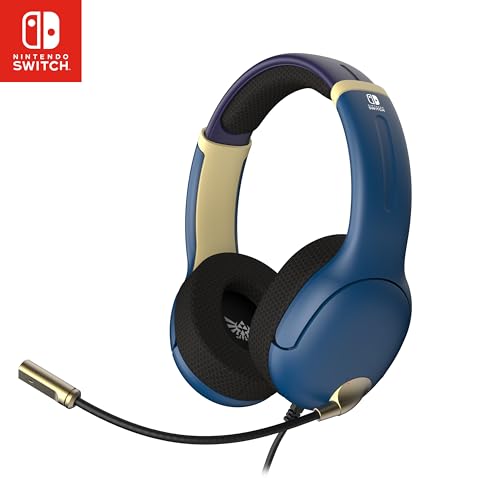
Both handhelds also use a standard 3.5mm headphone jack, so a wired gaming headset built for another handheld platform — like the PDP Airlite Wired Gaming Headset — will generally work across devices with the same jack, independent of which console or PC handheld it was originally marketed for.
Price and value
Pricing on both devices varies by storage tier and, for the Legion Go S, by operating-system configuration — the SteamOS variant and Windows variant are typically priced differently, and Lenovo periodically runs promotions. Because list prices shift over time and by region, shoppers should treat any single dollar figure as a snapshot and check each manufacturer's live listing — steamdeck.com and Lenovo's Legion Go page — for current pricing before comparing value directly.
Which handheld should you buy?
- Choose the Steam Deck OLED if display contrast, a more compact and lighter chassis, and Valve's mature SteamOS/Proton ecosystem matter more to you than screen size.
- Choose the Legion Go S if you want a larger IPS display and the flexibility to pick between Windows 11 (for broadest native software compatibility) or a SteamOS configuration (for a Valve-style Linux gaming experience) on Lenovo hardware.
- Still undecided? The three-way comparison in Legion Go vs Steam Deck vs ROG Ally: 2026 Buying Guide and the ROG Ally-specific matchups in Steam Deck OLED vs ROG Xbox Ally round out the current field of AMD-powered handhelds worth cross-shopping.
Players experimenting with alternate control schemes on any of these handhelds may also be interested in community projects like the DIY Steam Controller Puck adding Xbox, Switch, and PlayStation emulation modes.
Citations and sources
- Valve — Steam Deck OLED official product page
- Lenovo — Legion Go series official product page
- ProtonDB — community SteamOS/Proton game compatibility database
- Valve — Steam Deck official storefront page
This piece is editorial synthesis based on publicly available information. No independent first-party benchmarking is reported.