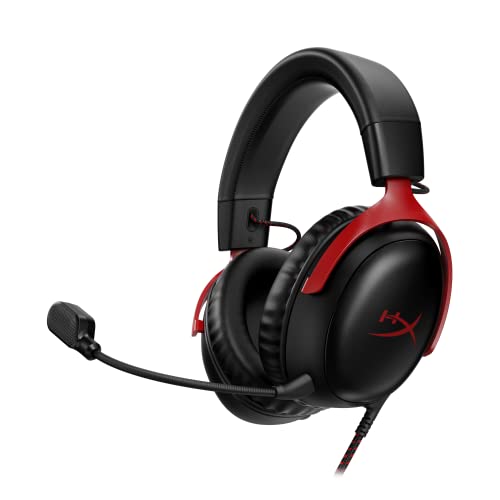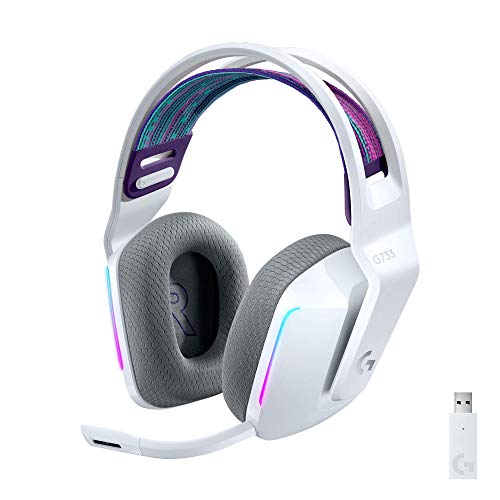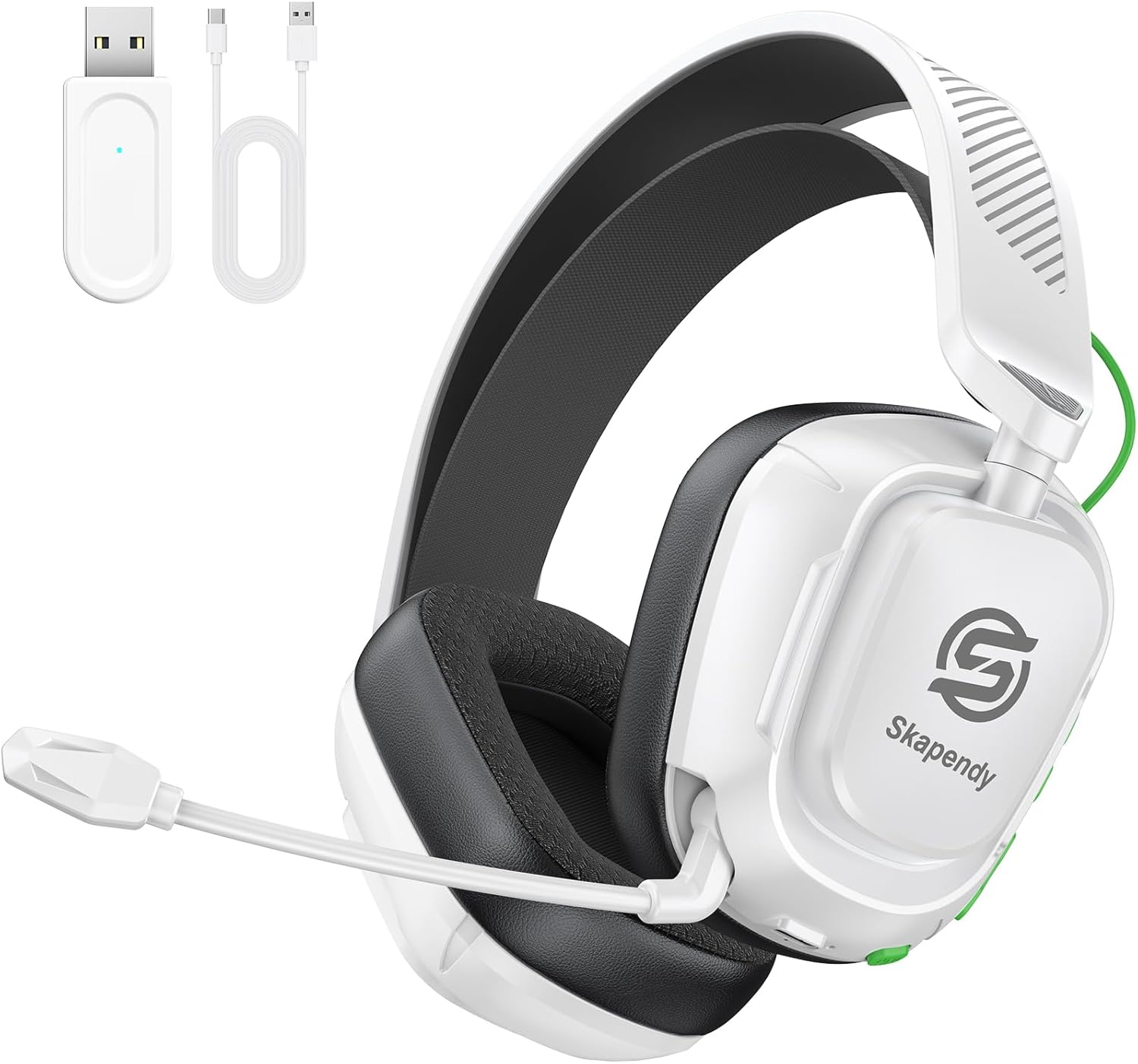
Picking a single headset that handles both a ranked match and a music playlist without compromise comes down to a handful of concrete trade-offs: driver tuning, wired vs. wireless latency, and closed- vs open-back design. None of these trade-offs are unique to 2026, but the gap between "gaming headset" and "music headphone" has narrowed as more manufacturers ship EQ software and dual-mode connectivity in the same product. This guide breaks down what actually matters for dual-purpose use, where the budget tier realistically lands, and how to shop smart at any price point.
Why Gaming Audio and Music Audio Pull in Different Directions
Competitive gaming and music listening ask different things of the same pair of drivers. Games — especially shooters and battle royales — reward audio that emphasizes clear directional cues: footsteps, reloads, and gunfire panned sharply left-to-right so a player can react in milliseconds. That often means a tuning that pushes upper-mid and treble frequencies forward.
Music, by contrast, rewards a more even response across the full range so vocals, bass lines, and instrumentation sit in proportion to each other the way a mixing engineer intended. A headset tuned aggressively for footstep detection can make a well-mixed album sound thin or fatiguing over a long listening session.
The headsets that succeed at both usually do one of two things: ship a genuinely balanced default tuning, or include software EQ presets that let you swap between a "game" profile and a "music" profile on the fly. When shopping, that second option is worth more in practice than a single marketed spec, because it means you're not locked into one tuning.
What Actually Separates Budget, Mid-Range, and Premium Headsets
| Tier | Typical price | What you reliably get | What you typically give up |
|---|---|---|---|
| Budget | Under $30 | Comfortable fit, basic stereo sound, working mic for voice chat | Narrower frequency extension, no software EQ, simpler drivers |
| Mid-range | $50–$150 | Better driver materials, companion software with EQ presets, improved mic clarity | Some models still favor gaming-forward tuning by default |
| Premium | $150+ | Wired + wireless modes, more neutral or switchable tunings, better isolation and build quality | Diminishing returns unless you're a critical listener |
The BENGOO G9000 ($19.99) is a useful real-world anchor for the budget tier: it's built to be a comfortable, noise-canceling-mic stereo headset for PS4/PC/Xbox/PS5 controller use, not a reference audio device. That's a fair trade at its price — it will play music without complaint for casual listening, but it isn't the pick for someone who splits time evenly between competitive gaming and critical music listening. Reviewers at outlets like Tom's Guide consistently note that the jump from budget to mid-range tends to buy more consistent tuning and mic quality before it buys dramatically better raw driver performance.
Wired vs. Wireless: The Latency Question
Wired headsets sidestep Bluetooth compression and any wireless transmission delay entirely — the signal is analog or digital-over-cable, with effectively zero added latency. That matters more in competitive gaming, where audio cues need to line up tightly with on-screen action, than it does for music listening, where a few extra milliseconds of wireless latency is imperceptible.
Wireless headsets that use a dedicated low-latency USB dongle (rather than standard Bluetooth) close most of that gap for gaming while keeping the convenience of no cable. If you want one headset to cover both roles without a second set of headphones, look for a model that supports both a wired mode and a low-latency wireless mode rather than committing to Bluetooth alone — that flexibility is more valuable than any single wireless spec on a box.
Closed-Back vs. Open-Back: Isolation vs. Soundstage
- Closed-back designs seal around the ear, isolating outside noise and keeping your audio from leaking to people nearby. This is the default for gaming headsets because it also pairs naturally with a boom mic for voice chat, and it works in shared spaces without disturbing others.
- Open-back designs let air (and sound) pass through the ear cups, which several audiophile-focused outlets — including What Hi-Fi — note tends to produce a wider, more natural soundstage that suits music listening. The trade-off is sound leakage and reduced isolation, which makes open-back designs a harder sell for online multiplayer or noisy environments.
Most people buying one headset for both gaming and music should default to closed-back for practicality, and treat open-back as a deliberate choice only if music listening is the priority and gaming is secondary.
Comfort and Connectivity for Long Sessions
A headset with excellent audio specs is still a bad daily driver if it's uncomfortable after two hours. Padding density, clamping force, and overall weight matter more in real-world use than most spec sheets suggest — RTINGS and other outlets weight long-term comfort heavily in their testing for exactly this reason. If you're gaming or listening to music for extended sessions, pairing a comfortable headset with strain-reducing accessories like blue-light-blocking gaming glasses is a common combination for reducing overall session fatigue.
On connectivity, USB-C has become the standard charging and wired-audio port across most current headsets, replacing older micro-USB designs, while a 3.5mm jack remains the most universal wired option across PC, console, and mobile devices.
A Practical 2026 Buying Framework
- Set a budget tier first. Under $30 gets a comfortable, functional stereo headset like the BENGOO G9000; $50+ starts buying more consistent tuning and companion EQ software (the HyperX Cloud III is a common wired pick at this tier with a USB-C option for PC/PS5/Xbox).
- Decide if you need wireless. If you play competitively, prioritize wired or a low-latency USB dongle over Bluetooth — the Logitech G733 Lightspeed is a well-established low-latency USB-dongle wireless option in the mid-range tier.
- Pick closed-back unless open soundstage is a priority. Closed-back covers gaming, voice chat, and casual music; open-back is a deliberate audiophile trade-off.
- Check for software EQ or game/music presets. This is the single feature most likely to make one headset genuinely good at both jobs.
- Read comfort feedback, not just specs. Long-session comfort complaints are the most common real-world dealbreaker reported by reviewers and buyers alike.
Building Out the Rest of Your Setup
A good headset is one piece of a broader gaming setup. If you're also upgrading other parts of your rig this year, see our picks for a best midrange GPU for 1440p gaming, a comparison of the GameSir G7 SE vs. DualSense controller for PC play, and budget streaming gear for Twitch if audio quality matters for viewers too. Headset audio also pairs naturally with portable setups — see what non-gaming tasks people run on Steam Deck — and with CPU coolers like the Noctua NH-U12S vs. ML240L RGB comparison if you're building a quieter rig to match a quieter headset. For immersive audio on the retro side, our list of best classic retro RPGs to play in 2026 is a good pairing with any headset picked for its music performance.
Citations and sources
- RTINGS: Best Gaming Headphones
- Tom's Guide: Best Gaming Headsets
- What Hi-Fi: Best Gaming Headsets
- TechRadar: Best Gaming Headset
This piece is editorial synthesis based on publicly available information. No independent first-party benchmarking is reported.