In brief — 2026-07-17 · A community project turns the Raspberry Pi Pico W into a USB WiFi adapter that needs no host driver, landing alongside Pico SDK 2.3.0.
Yes — a Raspberry Pi Pico W can now function as a USB WiFi adapter with no host driver installation, thanks to a community firmware project that landed alongside Pico SDK 2.3.0. The Pico W presents itself as a standard USB CDC-ECM or NCM network class device, so any host OS (Windows, macOS, Linux, and any retro/embedded OS with generic USB networking support) sees an ordinary network interface. That's a big deal for machines whose vendor WiFi drivers are dead: retro PCs, locked-down appliances, and headless boards without built-in networking.
What happened
Per Adafruit's writeup covering the release, a community firmware project layered on top of the Pico SDK exposes the Pico W's WiFi hardware to a USB host through the standard USB Communications Device Class (CDC) with the Ethernet Control Model (ECM) or Network Control Model (NCM) subclass. The host OS sees a normal Ethernet-over-USB adapter and configures it with whatever mechanism it already uses for wired Ethernet — DHCP, static IP, no driver dance.
Pico SDK 2.3.0, released in the same window per Raspberry Pi's official C SDK documentation index, is the substrate the project builds on. Support for the Pico W's CYW43439 WiFi chip has been in the SDK for years; what's new is the maturity of the CDC-NCM/USB stack in the SDK's TinyUSB integration, which makes the driverless-networking use case practical in a single firmware image.
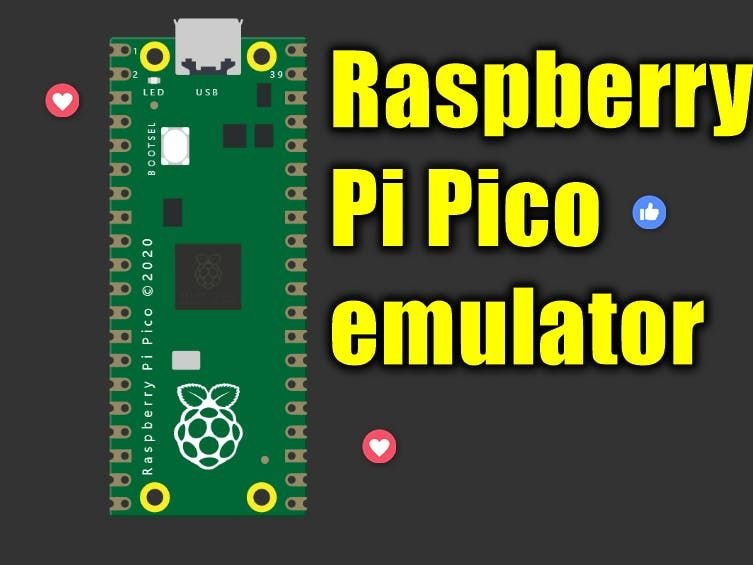
The physical device is a stock Raspberry Pi Pico W — same $6 board — flashed with the community firmware and plugged into a USB port on the host machine. It handles the WiFi radio, DHCP, and the Ethernet framing in userspace on the Pico's Cortex-M0+; the host sees packets in and out of a virtual Ethernet interface.
Why it matters
Driverless USB networking is exactly the gap on machines whose vendor drivers are dead or never existed.
Retro PCs. A Pentium III box running Win98SE cannot use a modern WiFi USB dongle — the vendor drivers targeted WinXP+ at the earliest, and most modern chipsets have no Win9x driver at all. But Win98SE, WinME, Win2000 all support Ethernet-over-USB via the generic USB networking class driver that shipped with the OS (or via unofficial patches for Win98). Plug in a Pico W flashed with this firmware, and the retro rig gets modern WPA2/WPA3 WiFi with no driver install, no vendor lookup, no forums to search.
Locked-down appliances. Industrial embedded Linux boxes, medical devices, factory automation controllers — anything with a fixed OS image and no ability to install kernel modules. If the box has USB host support and can talk generic USB Ethernet (most Linux kernels do, by default), the Pico W bolts on WiFi without touching the OS.
Headless boards without built-in networking. Older SBCs (Beaglebone Black, various Cortex-A9 dev boards) sometimes shipped without WiFi. Adding it means USB-attached radios, which means picking a chipset with driver support in the board's Linux distribution. The Pico W route sidesteps that entirely — CDC networking is generic.
Bring-your-own-WiFi-to-air-gapped-lab. If you're working with a stock lab machine and you need it briefly on the network for a firmware update or test capture, the Pico W is a $6 plug-and-play answer that leaves zero footprint on the host OS.
The Vilros / Pi 4 8GB / Unitek adapter angle
For anyone building out a retro or homelab bench, the Pico W USB-WiFi adapter pairs naturally with a small stack of components:
- Vilros Raspberry Pi Zero W Starter Kit as a companion always-on bench Pi — the Zero 2 W handles single-purpose tasks (log collector, GPS/NTP source, tiny web dashboard) while the Pico W handles ad-hoc "get this old box on the network" duty. Together they cover the "cheap always-on" and "cheap plug-in-when-needed" ends of the workflow.
- Raspberry Pi 4 Model B 8GB as the main homelab box. The Pi 4 has native Gigabit Ethernet and WiFi; the Pico W becomes a portable auxiliary. If you're doing WiFi packet capture, moving between the wired Pi 4 and the Pico W lets you compare a client's on-network vs off-network state without swapping cables.
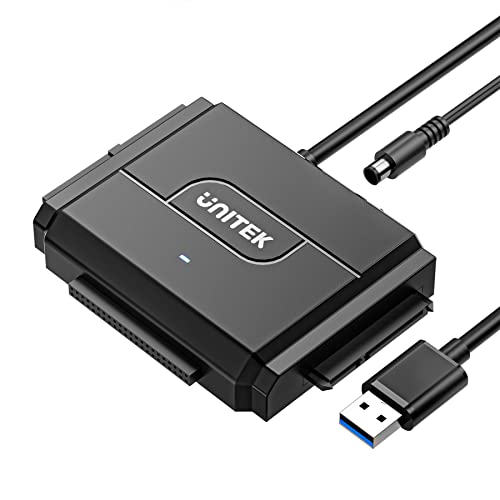
- Unitek SATA/IDE to USB 3.0 Adapter for the imaging half of the same workflow — pulling a Win98 install off an old CF card via the Unitek, moving the image files across the network via the Pico W to a modern workstation for archiving, then back to the retro rig for a restore. It's an end-to-end story: adapter for storage, Pico W for network, both driverless where it counts.
- SanDisk SSD PLUS 480GB as the "cheap SSD in every retro rig" storage tier. Once you can move files onto the retro rig quickly (via the Pico W and generic Ethernet), the storage tier's throughput actually matters — a spinning HDD becomes the bottleneck.
What the "driverless" claim actually means
Two levels of driverless matter here.
No installer, no INF file, no vendor package. The host OS never sees "this is a WiFi adapter." It sees "this is a USB CDC-ECM/NCM Ethernet adapter" and reaches for the same generic driver it uses for any USB Ethernet dongle. Win98SE has a generic USB Networking (RNDIS/CDC) inf that ships in the OS media (or via an unofficial service pack). Win2000 SP4 handles CDC-ECM natively. WinXP and later handle both ECM and NCM without extra installation. Linux has had cdc_ether and cdc_ncm in the kernel for over a decade. macOS handles CDC-NCM out of the box. Everything a modern user actually cares about works with no install step.
No WiFi protocol implementation on the host. All the fiddly bits — the 802.11 supplicant, the WPA2/WPA3 handshake, the roaming logic, the country-code compliance — run on the Pico's CYW43439 chip and the firmware around it. From the host's perspective, the Pico is just delivering packets. This is how vendor USB WiFi adapters work internally too, but they typically require a driver blob to configure the WiFi layer. The community firmware replaces that config-driver dance with a small web UI hosted by the Pico itself, reachable over the USB Ethernet interface.
The distinction matters for retro use cases where the OS predates modern WiFi entirely. A Win98SE box has never heard of WPA3, but it doesn't need to — the Pico handles WPA3 and hands Win98 clean Ethernet frames.
What performance to expect
The Pico W's WiFi radio is 802.11n at 2.4 GHz — realistic throughput of 6-15 Mbps in typical residential RF environments, up to 20-30 Mbps in ideal conditions. That's far below modern WiFi 6E/7 adapters, but it's plenty for:
- Retrieving a Win98 patch bundle in 3-5 minutes.
- Streaming a low-bitrate audio source (Internet radio, podcast) to a retro rig.
- SSH / VNC / RDP terminal sessions.
- Small file transfers (documents, source code, save games).
It's not enough for:
- 4K video streaming.
- Large game downloads (unless you're patient — a 20GB game at 10 Mbps takes ~4.5 hours).
- Any modern web browsing experience with images and JavaScript unblocked.
For the target use cases — retro rigs and embedded boxes that just need "some network" — the throughput is fine.
Security posture
The Pico W as a WiFi adapter runs the WPA2/WPA3 supplicant in the Pico's firmware. The host OS doesn't touch the WiFi authentication at all — it just talks Ethernet over USB. This is a security feature (the host can't accidentally leak the WiFi PSK) and a security gotcha (updating the WiFi credentials means reflashing the Pico or providing a configuration channel).
The community firmware typically exposes a small web configuration interface reachable via the Pico's USB device address, so you point a browser at the interface, enter the WPA2 credentials, and the Pico stores them. Once configured, the Pico boots and connects to the network automatically. This is more or less how your router's admin interface works — familiar territory for anyone who's set up SOHO gear.
For high-security environments (labs where every network peripheral must be attested), the Pico W is not the right answer — it's community firmware without formal signing or attestation. For a hobby-scale retro rig or a homelab bench, it's fine.
Flashing the community firmware — quick sketch
If you want to try it, the practical steps are close to the standard Pico development flow. Pull the community firmware release from its GitHub repo (linked in the Adafruit writeup), download the .uf2 image, hold BOOTSEL on the Pico W while plugging it into a modern host, drag the .uf2 onto the RPI-RP2 mass-storage volume the Pico presents in bootloader mode, and let it reboot. On reboot the Pico appears as a USB CDC Ethernet device on the host. Point a browser at the Pico's built-in configuration interface (typically at a well-known IP address in the 169.254.x.x link-local range or a small captive DHCP), enter the target network's SSID and password, and the Pico saves and reconnects.
Setup time on a bench with a modern laptop: under three minutes end-to-end. The retro rig then just sees the pre-configured Pico as an Ethernet adapter and pulls DHCP normally.
Comparing to other USB WiFi adapter paths on retro OSes
There are three ways to get WiFi on a Win98/2000 machine, ordered by hassle:
- Native-driver USB WiFi adapter (Realtek RTL8188CUS era). Some 2010-era Realtek chipsets had Win98/2000 drivers on the vendor CD. Sourcing one in 2026 is auction-luck territory; the chipsets are 15 years dead and Realtek's driver archive has holes.
- PCI WiFi card with native drivers (Prism2/Prism2.5 era). Reliable if you can find one; period cards are getting expensive on eBay. Requires an open PCI slot, which some SFF retro builds don't have.
- Pico W as USB CDC-Ethernet. $6 board plus community firmware. Works on any USB-1.1-or-newer host. Universal.
Option 3 is the new best answer for a lot of retro/embedded WiFi needs. It's not the fastest, but it's the most reproducible and the cheapest.
The source
The primary source is Adafruit's blog post covering the release. The Pico SDK it builds on is documented on Raspberry Pi's official C SDK documentation index, which tracks new SDK versions and the associated TinyUSB updates. The Pico product page is the hardware reference.
What to try next if this fits your project
If you have a retro rig or embedded board without WiFi, spend $6 on a Pico W, flash the community firmware from the Adafruit writeup, and see if the driverless story holds for your host OS. It's a five-minute experiment.
If you're building out a general-purpose homelab bench, keep a Pico W flashed with this firmware in your parts drawer alongside the Unitek SATA/IDE to USB 3.0 Adapter and a spare SanDisk SSD PLUS 480GB. The three tools cover 90% of the ad-hoc "get this old box online and image its storage" workflows.
If you're building a serious retro daily driver, still lean on the Vilros Raspberry Pi Zero W Starter Kit or a Pi 4 Model B 8GB for always-on services; the Pico W is a portable, plug-in-when-you-need-it tool, not a replacement for a real Pi.
Bottom line
The Pico W becoming a driverless USB WiFi adapter closes a nagging gap for retro-PC and embedded builders — no more chasing dead vendor drivers or hunting eBay for period Prism2 cards. It's slow but universal, cheap ($6), and works with any USB host that supports generic Ethernet-over-USB, which is essentially every OS from Win98SE onward. Pair it with a Unitek USB 3.0 adapter for storage imaging, a Pi 4 Model B 8GB or Pi Zero W kit for always-on services, and a SanDisk SSD PLUS 480GB for the storage tier that finally matters once your network isn't the bottleneck.
Related guides
- Raspberry Pi 5 vs Pi 4 8GB for Homelab in 2026
- Best SSD for a Retro PC Build: CompactFlash vs SATA in 2026
- Best Budget SSDs for Retro and Homelab Builds in 2026
Citations and sources
- Adafruit, Turn a Raspberry Pi Pico W into a driverless USB WiFi adapter
- Raspberry Pi Foundation, Pico C SDK documentation index and release notes
- Raspberry Pi Foundation, Raspberry Pi Pico W hardware product page