Prices and availability shown may change; check the retailer page for current details.
New streamers spend their first hundred dollars in the wrong order. They buy a camera before a microphone, or a lighting rig before either. The result is a stream that looks acceptable and sounds terrible — and viewers bail on bad audio far faster than bad video. This guide fixes the buying order and pairs each recommendation with a specific pick that has held up in real-world use in 2026. Read the section headers, take them in that order, and you can build a fully functional streaming kit in five purchases without wasted spend.
Comparison at a glance
| Pick | Best for | Key spec | Price range | Verdict |
|---|---|---|---|---|
| HyperX QuadCast 2 | Best Overall (mic) | USB, on-mic monitoring | Mid | Buy first |
| UBeesize 22" Ring Light | Best Value (lighting) | 22" diameter, phone holder | Low-mid | Buy second on a budget |
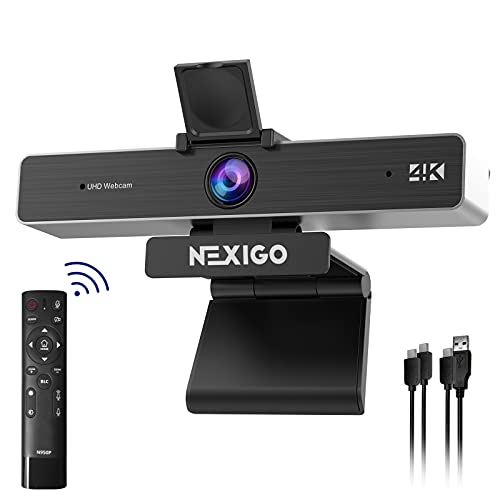
| NexiGo N950P | Best Webcam Quality | 4K, Sony sensor, RF remote | Mid | Buy third |
| NEEWER 18" Ring Light Kit | Best Performance Lighting | 18" 55W 5600K + stand | Mid | Buy for higher-quality output |
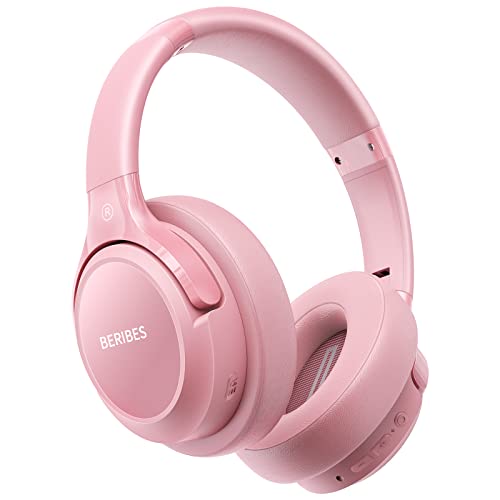
| BERIBES Bluetooth Over-Ear | Budget Pick (headphones) | Closed, 65hr battery | Low | Buy last for monitoring |
Top picks
#1: HyperX QuadCast 2
Verdict: Best overall — buy this first. Cardioid USB mic with on-mic gain, mute, and headphone monitoring.
The HyperX QuadCast 2 is the current archetype of a "just works" USB streaming mic. It's a large-diaphragm cardioid condenser with a built-in pop filter, a tactile top-tap mute, a knob for on-mic gain, and a headphone jack for zero-latency monitoring. Plug it in over USB, point it at your face, and the sound is dramatically cleaner than any headset or webcam mic — which is the exact bar a first stream needs to clear.
Pros: excellent noise rejection off-axis, minimum-fuss setup, RGB base that doesn't get in the way, dependable brand support. Cons: still a large presence on your desk, so a boom arm or short desk stand matters for camera framing.
For a first-time streamer this is the highest-impact single purchase you can make. Do it first, before anything else on this list. If you never buy the rest, a good mic alone measurably improves stream retention.
#2: UBeesize 22" Ring Light
Verdict: Best value lighting — the cheapest way to make webcam video look noticeably better.
Ring lights work for streaming because they fill the entire face evenly and shrink pupils, which reduces the "grainy dungeon" look of an under-lit webcam. The UBeesize 22" Ring Light is a large-diameter model with a 72-inch stand, phone holder, and adjustable colour temperature. Twenty-two inches is large enough to wrap around a monitor or sit off to the side without harsh directional shadows.
Pros: big diameter for even, soft light; tall stand; adjustable warmth from warm to cool white. Cons: it is a floor stand, so it consumes floor space beside your desk. For tighter setups the smaller 18" NEEWER kit below is more compact.
Add this second on a budget-first path. Even a modest ring light lets your webcam drop its gain, which cuts noise and makes your footage look measurably cleaner without touching the camera itself.
#3: NexiGo N950P
Verdict: Best webcam quality — Zoom-certified 4K webcam with a Sony sensor and RF remote.
The NexiGo N950P is a 4K webcam built around a Sony STARVIS sensor with software-driven zoom and a physical RF remote for pan/tilt/zoom control. It is Zoom-certified, which in practice means the drivers behave well across Windows, macOS, and OBS. Compared to a laptop's built-in camera it delivers dramatically better resolution, better low-light behaviour, and the flexibility to sit above your monitor instead of below your chin.
Pros: 4K sensor, RF remote for framing without touching the camera, works well with OBS and every mainstream conferencing app. Cons: 4K webcam video is heavy on upload bandwidth; most streaming services accept and rescale 1080p, so you often stream at 1080p even when the camera captures at 4K.
Add this third after mic and lighting are handled. A 4K webcam under a good ring light looks better than a mirrorless camera under bad lighting — spend on light first, camera second.
#4: NEEWER 18" Ring Light Kit
Verdict: Best performance lighting — 55W, 5600K, professional stand, tight footprint.
The NEEWER 18" Ring Light Kit is a step up in build quality from the value pick. It is smaller in diameter but rated for 55W at a fixed 5600K daylight balance, with a sturdier stand and a full kit of accessories. For streamers who want a light source they can rely on for years and who value a tighter footprint on desk or beside a chair, this is the right pick.
Pros: professional colour temperature, bright, well-built stand, mature product with plenty of user documentation. Cons: fixed colour temperature — no dial-in to warmer white for a cosier evening look. If you want to adjust warmth on the fly, the UBeesize is more flexible.
Choose between the two ring lights on space and preference. If space is tight or you want colour tuning, go UBeesize. If you want the more professional-feeling kit and can accept fixed 5600K, go NEEWER.
#5: BERIBES Bluetooth Over-Ear Headphones
Verdict: Budget pick — inexpensive closed-back monitoring headphones that solve the echo problem.
The BERIBES Bluetooth Over-Ear Headphones are not audiophile gear. They are, however, closed-back and inexpensive, which is exactly what a beginner streamer's monitoring chain needs. The whole point of monitoring headphones on a stream is to prevent your speakers' output from bleeding back into the microphone, which causes echo for your viewers. Any closed set achieves that.
Pros: cheap, comfortable, wireless with a very long battery life, and multiple EQ modes. Cons: audio quality is casual-listening tier, not studio-monitor tier. If you plan to mix or master audio you would step up eventually.
Add these last on a tight budget. The microphone matters more than the headphones on the audio side; monitoring is a solved problem the moment you plug in any closed-back set.
What to look for in a streaming setup
Microphone type
A USB condenser microphone in cardioid mode is the standard beginner starting point. Condenser capsules capture more detail and vocal presence than dynamic capsules at close range, and cardioid pattern rejects most off-axis room noise. XLR-plus-interface setups produce better sound in expert hands but add three failure points (mic, cable, interface) that a beginner does not need. Start USB, upgrade to XLR only if you outgrow it.
Position the mic four to eight inches from your mouth, slightly off-axis so you speak across the capsule rather than directly into it. This reduces plosive pops on p-and-b sounds and prevents the "voice in your ear" over-close proximity effect that makes a lot of home streams sound uncomfortable.
Lighting
Ambient room lighting is almost always insufficient for a webcam. The webcam raises its ISO to compensate, which introduces noise. Any dedicated soft light source — a ring light, a small softbox, or even a bright practical lamp aimed at a white wall bounce — lets the camera drop its ISO and clean up its output. Ring lights are popular because they are inexpensive, easy to position, and produce catchlights in the eyes that make on-camera presenters look more engaged.
Aim your light source in front of you and slightly above eye level. Avoid overhead lighting, which casts unflattering shadows under the eyes and chin. Avoid windows behind you, which will silhouette your face against a bright background.
Webcam resolution
Streaming services rescale most sources to 1080p for delivery. That means a 4K webcam does not send 4K to viewers — but it does capture a cleaner 1080p image by downsampling from a higher-resolution sensor, which reduces noise and improves detail. A 4K webcam with a good sensor beats a 1080p webcam in every practical measure, but the difference is smaller once your lighting is right.
For streaming specifically, a webcam that behaves cleanly in OBS matters more than raw resolution. Look for models that are explicitly UVC-compliant and Zoom-certified — those tend to have well-behaved drivers.
Monitoring headphones
Any closed-back or semi-closed headphone works for monitoring. The requirement is only that sound does not leak from the earcups back into your mic. Wireless is fine for streaming; the latency of modern Bluetooth codecs is acceptable for talk streams and casual gaming. For competitive shooters where audio positioning must be tight, choose a wired option.
Budget order
If you must spread purchases over time, the order that maximises perceived improvement per dollar is: microphone first, lighting second, webcam third, monitoring headphones fourth. Every dollar spent in that order returns more visible improvement than the same dollar spent out of order.
Common pitfalls
- Buying a headset thinking it's enough for streaming. Gaming headsets have adequate mics for chat, not for broadcast. A dedicated mic is a night-and-day upgrade.
- Placing the webcam below the monitor. Camera-under-monitor angles look up your nose. Mount above the monitor when possible.
- Streaming with speakers on and no headphones. Guaranteed echo. Wear the headphones.
- Buying a mic without a stand or arm. Most streamers eventually add a boom arm to keep the mic close without eating desk space.
- Skipping wind screens on outdoor or portable setups. Even indoor breeze from a fan produces disruptive low-end rumble on a bare condenser mic.
When NOT to buy all of this at once
If your first goal is to test whether streaming is for you, do not buy the whole kit up front. Get the mic and one light source. Stream on webcam-only for a month. If you keep streaming and enjoy it, expand the kit in the recommended order above. Many first-time streamers who buy everything at once discover they only used the microphone and the light — the rest sat in boxes.
Real-world starter budgets
Under $150 tier — audio-first minimum kit. HyperX QuadCast 2 plus the BERIBES headphones. Skip lighting for now and stream during the day near a window; skip a dedicated webcam and use your laptop or phone camera. This kit produces a stream that sounds professional and looks acceptable in natural light. It is enough to start.
Under $250 tier — audio plus lighting. Add the UBeesize 22" ring light. Now your webcam has enough light to drop ISO and clean up its output. Even a laptop camera looks meaningfully better with a proper key light in front of you.
Under $400 tier — full kit. Add the NexiGo N950P 4K webcam. This is the point at which the visual half of your stream stops being the weak link. Above this tier, upgrades are marginal — bigger mixers, dedicated cameras, key-plus-fill lighting rigs — and only earn their keep for streamers who have already grown an audience.
Compact-desk alternative. Replace the UBeesize 22" ring light with the NEEWER 18" kit. Slightly smaller face-fill, more compact stand, fixed 5600K colour temperature. Prefer this variant if desk space is at a premium.
Room and camera positioning quick tips
- Camera at eye level. Prop up a laptop or mount a webcam above the monitor. Nothing screams "beginner stream" like a camera angle looking up at the underside of your chin.
- Background depth. Keep at least a few feet between you and the wall. Depth reads on camera as production polish.
- Neutral backdrop with a spot of colour. A blank wall reads sterile; a bookshelf, a couple of plants, or a poster reads intentional.
- Windows in front, not behind. Natural light in front of you complements a ring light. Natural light behind you silhouettes your face and the ring cannot compensate.
- Kill hard reflections. Glasses, monitors, and glossy walls will bounce ring-light glare into the camera. Adjust the light's angle a few degrees at a time until the reflection is out of frame.
Verdict
Start with the HyperX QuadCast 2 for clean audio, add either the UBeesize 22" or NEEWER 18" ring light for better video, upgrade to the NexiGo N950P 4K webcam when your production is otherwise sorted, and finish the kit with the BERIBES over-ear headphones for monitoring. That order — audio, light, camera, monitoring — reliably produces the biggest visible improvement in stream quality per dollar spent.
Related guides
- Best streaming gear for PC gamers in 2026
- Best budget streaming and podcast gear in 2026
- Best streaming kit for new creators in 2026
- Adafruit's 2026 I2S microphone guide for real-time audio
Citations and sources
This piece is editorial synthesis based on publicly available information. No independent first-party benchmarking is reported.
— Mike Perry