A weather-worn Nintendo 64 cartridge pulled out of the leaf litter should be scrap plastic. Instead, a hobbyist tinkerer wiped down the edge connector, dropped it into a modern flash-cart dumper, and watched the ROM boot clean — a small win for cartridge preservation that lit up the retro-gaming corner of the internet the week of 2026-07-11. The story matters less for the specific title on the cart and more for what it says about how durable mask-ROM silicon actually is, and how modern hobbyists are racing decay with cheap USB tools before the next decade of humidity finishes the job.
In brief — 2026-07-11 A weather-worn N64 cartridge recovered from the woods was cleaned, dumped, and booted, reviving interest in cartridge preservation, ROM archiving, and the plug-and-play alternatives that let casual players skip the hardware-recovery step entirely.
What happened
The story, first written up on Hackaday and picked up across retro subreddits over the weekend, follows a familiar pattern to anyone who has spent time in the r/n64 or r/retrogaming preservation threads: a hiker spots a dirt-caked cartridge in the underbrush, brings it home, and posts a photo asking whether it is worth trying to revive. The label was faded past legibility, the plastic shell was UV-bleached to bone-white, and the metal edge connector had the tell-tale green fuzz of oxidation that shows up any time copper spends a winter cycling through freeze and thaw.
Cleanup was un-glamorous. Isopropyl alcohol, a soft toothbrush on the plastic to lift the caked mud, and a pencil eraser plus a fresh alcohol pass on the gold-plated fingers of the edge connector. That last step is the one that actually decides whether the cart boots — the ROM chip inside is usually fine, but a cartridge cannot deliver a valid signal to the console if its 50 pins are insulated behind a layer of corrosion. Once the contacts were clean, the tinkerer skipped plugging it into an actual N64 and went straight to a modern USB cartridge dumper, which reads the ROM without ever powering the game logic through the console's bus.
The dump verified against the internal checksum, matched a hash in the no-intro preservation database, and booted in an emulator on the first try. The save data, unsurprisingly, was gone — but the code image was intact, and the cartridge itself was archived rather than played, which is the point.
Why it matters
For a generation of players who grew up expecting cartridges to be indestructible after their consoles stopped selling, the last few years have been a slow, quiet correction. Nintendo 64 carts turned 30 in 2026, and the hobby has been documenting the failure modes on that clock: yellowing plastic, cracked labels, battery-backed save chips draining to zero, and the far rarer but very real risk of ROM-die decay in poorly-encapsulated packages. The Hackaday-style recovery stories matter because they are proof that most of the catalog is still recoverable — but only if hobbyists dump the carts before the next round of environmental damage.
The other half of the story is the tooling. Ten years ago, dumping an N64 cartridge required a soldering iron, a homebrew adapter, and patience. As of 2026, USB-powered flash-cart writers and dedicated cartridge readers do the same job in under a minute per cart, verify against no-intro hashes automatically, and cost less than a modern AAA game. That price and complexity collapse is the single biggest reason the preservation community is measurably ahead of where it was in 2016, and it is the reason a random Hackaday post about a woods-find lands as an actual news beat instead of a novelty.
How weather actually kills cartridges
The failure modes are surprisingly specific, and understanding them changes how you triage a rescued cart before you plug anything in.
| Failure mode | What actually happens | Fix or mitigation |
|---|---|---|
| Edge-connector corrosion | Copper contacts oxidize under humidity; the console cannot read valid data across a resistive layer. | Isopropyl alcohol + pencil eraser + soft cloth on gold-plated fingers. |
| Save battery drain | The CR2032-style cell that keeps SRAM alive dies after ~15-25 years; save data zeroes out. | De-solder, replace with a fresh cell holder, dump saves before swapping. |
| UV yellowing and shell cracking | Plastic housing embrittles; hairline cracks let moisture reach the PCB. | Cosmetic only if the PCB is dry; replace shell if it fractures. |
| ROM die damage | Very rare on mask-ROM; more common on EPROM-based dev carts where UV light through a cracked shell can partially erase the chip. | Dump immediately if suspected; store final carts in opaque, dry conditions. |
| Physical contact wear | Repeated console insertions polish the gold plating off the fingers, exposing softer copper underneath. | Reduce insertions after dumping; use flash carts for actual play. |
The important pattern in that table is that most damage attacks the delivery path — the contacts, the shell, the save cell — rather than the ROM itself. That is why a filthy woods-cart still boots after a wipe-down: the game code inside a mask-ROM die is essentially permanent as long as the silicon is intact and the pins can pass a signal.
The modern preservation toolkit
The retro-preservation stack in 2026 is a mix of purpose-built cartridge readers, general-purpose flash-cart writers, and the wider "old-storage recovery" toolkit that hobbyists use whenever they end up with a box of unlabeled media. Cartridge dumpers like the Retrode, INLretro, and the various Sanni Cart Reader clones are the specialty tools; they interface a cart's pins to USB, extract the ROM, extract the save, and hand off a file for verification against no-intro. Nothing about that process is destructive, and it protects the archive from the next flood, fire, or forgotten attic.
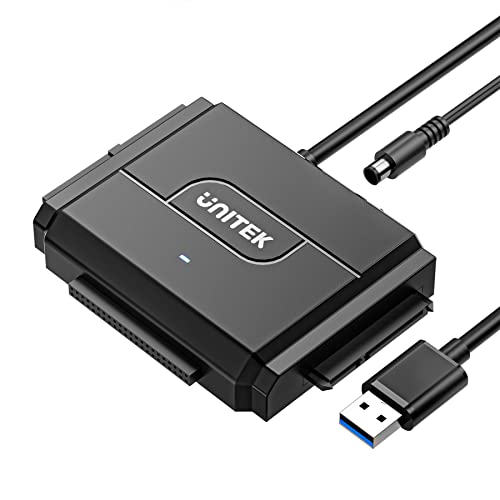
For anyone recovering old PC-side backup media alongside cartridges — floppy images, IDE hard drives from a 90s tower, CompactFlash pulled from a period-correct DOS build — the toolkit widens. A generic bridge like the Unitek SATA/IDE to USB 3.0 Adapter is a common line item in preservation kits because it reads both the 40-pin PATA drives that shipped in Pentium-era towers and the 2.5-inch SATA drives that showed up later, without the operator needing to build a period-correct system just to image a disk. It is not an N64 tool, but it is in the same drawer as one in most retro workshops, and the same "dump everything before it dies" mindset applies to both.
The verification step is what separates preservation from casual copying. Every dump is hashed and cross-checked against the no-intro database, which stores checksums for known-good rips of every mainstream console library. A woods-find that matches a no-intro entry byte-for-byte is a preserved copy; one that comes back with a mismatched hash is a research topic — either a regional variant, a prototype, or a partially-corrupted dump that needs a re-read.
Plug-and-play alternatives for casual retro players
Preservation is a hobby, and most people who want to replay Ocarina of Time on a rainy Sunday do not want to buy a USB cartridge reader, learn the no-intro workflow, and clean corroded edge connectors first. The plug-and-play tier exists for exactly this reason, and the three most common on-ramps as of 2026 are official mini consoles and a hobbyist single-board computer.
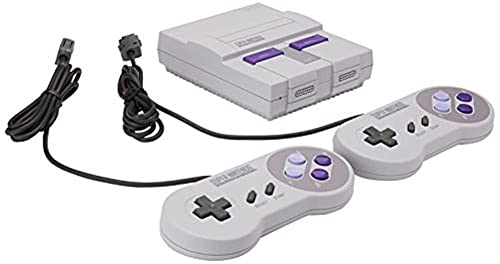
The Nintendo Super NES Classic Edition ships 21 curated first-party titles on official Nintendo hardware with an HDMI output and two controllers in the box; it is the least-effort way into 16-bit Nintendo. The Sega Genesis Mini covers the same era on the other side of the console war with 42 built-in games, HDMI, and two three-button pads. Both mini consoles use official ROMs licensed by their respective publishers, which sidesteps the copyright grey area entirely — the games are legally on the device.
For anyone who wants the flexibility of running any dumped cart across multiple systems, a Raspberry Pi Zero W Basic Starter Kit is the entry-level RetroPie or Batocera build. It handles NES, SNES, Genesis, Game Boy, and lightly-loaded PS1 gracefully; N64 is possible but strains the hardware. The tradeoff versus a mini console is honest: the Pi does more, but only after you set up the operating system, add a USB controller, and — critically for the preservation ethic — supply ROM files that you dumped from carts you own.
| Path | Effort | Legal posture | Best for |
|---|---|---|---|
| SNES Classic mini console | Zero setup | Fully licensed first-party ROMs | Casual 16-bit Nintendo replay |
| Sega Genesis Mini | Zero setup | Fully licensed first-party ROMs | Casual 16-bit Sega replay |
| Raspberry Pi Zero W + RetroPie | Moderate setup | Requires you to dump your own carts | Multi-system flexibility, tinkering |
| Cartridge dumper + emulator | Higher setup | Legal for personal backups of owned carts | Preservation-first hobbyists |
The source
The original writeup ran on Hackaday the week of 2026-07-11 and is worth reading in full for the photos of the cleaned edge connector before and after the alcohol pass. Community follow-ups on r/n64 and r/retrogaming added additional detail on the specific dumper used, the no-intro hash match confirmation, and — as always in these threads — a chorus of commenters who want to know whether their own attic-find is worth saving. The short answer, again as of 2026, is yes: dump it, hash it, archive it, and worry about the shell later.
Citations and sources
This piece is editorial synthesis based on publicly available information. No independent first-party benchmarking is reported.