Building a 2001-vintage GeForce3 + Windows 98 SE gaming rig in 2026 is a rewarding retro-PC project that recreates the transition-era of PC gaming — the moment when hardware transform-and-lighting became mainstream and DirectX 8 unified the graphics API. The build is doable but has specific parts-and-gotchas problems: motherboard capacitor plague, IDE-to-modern-storage adapters, sound-card driver quirks, and a Windows 98 SE installation process that no longer works on modern optical media.
This guide walks through a period-correct 2001 gaming build in 2026 — parts you need, where to source them, the specific gotchas that will bite you, and how to install Windows 98 SE on modern hardware substrates. This synthesizes the excellent Vogons and PhilsComputerLab community documentation, plus real-world sourcing constraints in 2026.
Key takeaways
- Aim for a 2001 sweet-spot build: Athlon XP 1700+ or Pentium III 1 GHz, GeForce3 Ti200, 512MB PC133 SDRAM.
- Storage is the biggest change: use a CompactFlash card + IDE adapter instead of a period-correct IDE hard drive.
- Sound cards matter: original Creative Sound Blaster or a period-correct SB Live! is worth the effort.
- Floppy drives are eliminated: a Gotek floppy emulator reads USB flash drives as floppy images.
- Windows 98 SE installation requires specific workarounds in 2026 — original CDs, drivers, and boot media are all fiddly.
The 2001 target machine
The specific era we're recreating is DirectX 8 and the earliest days of programmable pixel shaders. Games that will run beautifully:
- Age of Empires II
- Diablo II
- StarCraft
- Half-Life + mods (Counter-Strike 1.5)
- Quake III Arena
- Unreal Tournament
- No One Lives Forever
- Deus Ex (2000)
- Baldur's Gate II
- Neverwinter Nights
- Serious Sam: The First Encounter
- Max Payne (2001)
- Return to Castle Wolfenstein
- Grand Theft Auto III
Games from 2003+ (Half-Life 2, Doom 3, Far Cry) will struggle or require DirectX 9 — outside the period-correct envelope for a Win98 SE + GeForce3 build.
Parts list
Assembling this build in 2026 is mostly an eBay + PhilsComputerLab archive expedition. Approximate current prices:
| Part | Choice | Approx. price |
|---|---|---|
| Motherboard | Abit KT7A or Asus A7V133 (Socket A) | $75-140 |
| CPU | AMD Athlon XP 1700+ or Athlon 1.2 GHz Thunderbird | $30-50 |
| Cooler | Period Socket A cooler + Arctic MX-5 paste | $15 |
| RAM | 512MB PC133 SDRAM (2× 256MB) | $30 for PC133 SDRAM |
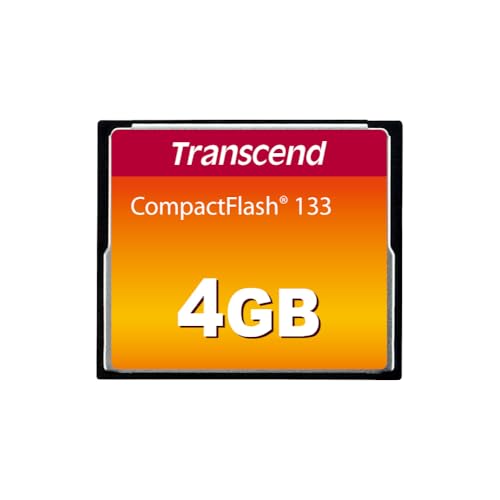
| Storage | Transcend 4GB CompactFlash + IDE adapter or 8GB CF | $25 |
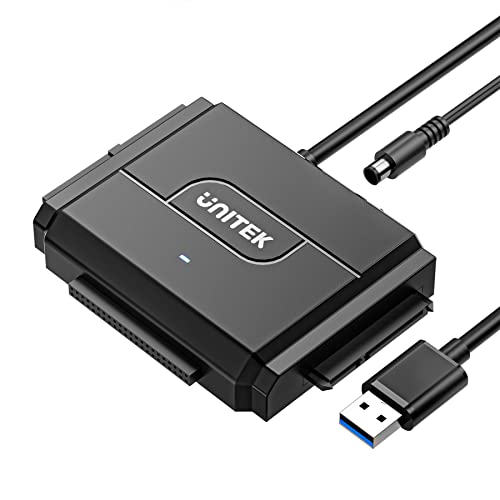
| IDE-to-SATA adapter | Universal IDE/SATA adapter | $20 |
| Sound card | Creative Sound Blaster X-Fi Titanium or period SB Live! | $30-60 |
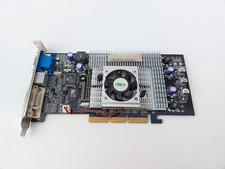
| GPU | GeForce3 Ti200 128MB (AGP 4x) | $60-120 |
| Case | Beige AT/ATX mid-tower with 5.25 bays | $20-40 (thrift store) |
| PSU | 250-350W AT/ATX PSU, recapped preferably | $30-50 |
| Optical | Original working IDE CD-ROM | $10-20 |
| Floppy | Gotek USB floppy emulator or period floppy | $20 |
| Total | ~$400-600 |
Genuine period parts vary wildly in price depending on condition and rarity. The GeForce3 Ti500 in particular has become a collectible; the Ti200 is more common and 90% as good for gaming.
Motherboard: capacitor plague is real
Late-1990s to mid-2000s motherboards used specific electrolytic capacitors that have a well-documented failure mode ("capacitor plague"). Symptoms: sudden power-off, boot instability, distorted video.
Before any 2001-vintage motherboard buy:
- Check photos of the visible capacitors near the CPU socket
- Bulged tops or leaking electrolyte = do not buy
- Reputable retro-PC sellers (Serverworlds, eBay's PhilsComputerLab-recommended sellers) recap boards before sale
If you're buying an unmodified board, budget an extra $20-40 for a recap kit and either DIY (needs a soldering iron and 30 minutes) or send to a recap service.
CPU + cooler
The Athlon XP 1700+ (Palomino core, later Thoroughbred) is the sweet spot for a Socket A build in 2001. Fast enough to run all the target games, cheap enough on the used market. Alternatives:
- Athlon 1.2 GHz Thunderbird — slightly older, still capable
- Pentium III 1 GHz — different socket (Slot 1 or Socket 370), needs an Intel-chipset board like the Asus P3B-F
Coolers of the era are noisy. Modern-day Arctic MX-5 paste is a strict upgrade over 2001-era thermal compound; use it liberally.
Storage: CompactFlash + IDE adapter
The single biggest quality-of-life improvement over a period-correct build is using a CompactFlash card in place of a spinning-platter IDE hard drive. Benefits:
- Silent, no moving parts
- Faster boot times
- Never wears out from normal use
- Physically small — fits behind the motherboard in most cases
- Trivial to swap for different Win98 configurations
A 4GB Transcend CF card is plenty for Windows 98 SE + several period games. An IDE-to-CF adapter (widely available on eBay for $5-10) is the required interface.
For larger capacity, use a modern SATA SSD via an IDE-to-SATA adapter. The Unitek SATA/IDE to USB 3.0 adapter is a common tool that also works as an installation aid. For a permanent internal install, use a passive IDE-to-SATA converter that presents the SSD as an IDE drive to the motherboard.
Windows 98 SE fits comfortably in 500MB; a 4GB CF or 32GB SSD is overkill and gives you room for a large games library.
Sound: Sound Blaster is still the answer
Period-correct sound in 2001 was a Sound Blaster Live! or SB Audigy. Both are common on eBay. Alternatives:
- Creative Sound Blaster X-Fi Titanium — later card but has Win98 drivers and works well as a period-adjacent choice.
- Turtle Beach Santa Cruz — brief cult favorite, hard to find.
- Onboard AC'97 audio on some 2001 motherboards — passable but lacks proper wavetable synthesis for MIDI-heavy games.
For MIDI music in period games (Duke Nukem 3D, Ultima), the SB Live! or Audigy's onboard wavetable synth was a major sound-quality upgrade at the time. Onboard audio doesn't reproduce that experience.
Graphics: GeForce3 Ti200
The GeForce3 (Nvidia's first hardware-transform-and-lighting consumer GPU with programmable pixel shaders) shipped in early 2001. The Ti500 was the flagship; the Ti200 was the mainstream sibling.
For a 2026 retro build:
- GeForce3 Ti200 128MB AGP 4x is the target. Common on eBay for $60-120.
- GeForce3 Ti500 is the enthusiast pick but has become collectible at $200-400.
- GeForce4 Ti4200 is a marginal upgrade that's period-adjacent (2002). Works fine on the same platform.
Check for the specific things that fail on 20-year-old GPUs: bulging capacitors on the card itself, cracked heatsink adhesive, missing thermal paste on the GPU die.
Windows 98 SE installation gotchas
Installing Windows 98 SE in 2026 is fiddly because modern hardware has moved away from the assumptions the installer makes:
- Boot floppy or CD. The installer expects a working floppy drive or bootable CD-ROM. A Gotek floppy emulator that reads USB flash drives as floppy images solves the floppy problem elegantly.
- Original install media. You need a genuine Win98 SE CD, not a burned copy. Some CDs won't read on modern-era drives; period IDE CD-ROMs are more reliable.
- Product key. You need a genuine key.
- Drivers. Modern USB devices for Win98 (keyboard, mouse) require period drivers. Some era-appropriate mice and keyboards use PS/2 connectors — simpler.
- Post-install patches. The unofficial Windows 98 SE Service Pack from community developers adds bug fixes, USB improvements, and modern browser support.
- Y2K + date bugs. Set the BIOS date carefully; some period software has weird behavior with dates past 2038.
The install is worth doing but expect to spend 2-3 hours going through the wizard and installing drivers.
Networking in 2026
A period-correct 2001 build didn't have Wi-Fi. Options:
- 10/100 Ethernet card. Realtek RTL8139 cards from that era have Win98 drivers and work fine on modern gigabit networks (autonegotiated to 100 Mbps).
- USB Wi-Fi adapter. A few USB Wi-Fi adapters have Win98 SE drivers; most modern ones don't.
- Wi-Fi bridge. Modern-day option: an ethernet-Wi-Fi bridge (a "travel router" in bridge mode) gives the Win98 machine Wi-Fi access without needing Win98 drivers.
For most retro-gaming purposes the machine doesn't need internet. Set it up once to install patches, then leave it offline.
Common pitfalls
- Buying a motherboard without checking capacitors. The single biggest killer of 2001 builds.
- Cheap PSU. Old AT/ATX PSUs have often had capacitor plague too. Get a recapped or new-old-stock unit.
- Modern RAM in socket. Some seller listings show DDR RAM in Socket A boards — Socket A takes PC133 SDRAM, not DDR. Verify before you buy.
- Missing IDE cables. Old IDE cables are still cheap but harder to find in local stores. Get a couple as spares.
- VGA-only monitor. GeForce3 has VGA output. Modern LCD monitors work but you'll need a VGA cable and a monitor that still accepts VGA input.
- Sound card conflicts. Some period sound cards need specific IRQ assignments. Manual BIOS resource allocation may be required.
- Windows 98 SE 512MB RAM limit. The stock installer has issues with more than 512MB of RAM. Community patches raise the limit but stock installs are limited.
CRT monitor question
For a fully period-correct experience, a CRT monitor is meaningfully different from an LCD — the phosphor persistence, the analog VGA signal path, the specific "look" of 1024×768 at 85Hz refresh. Options in 2026:
- eBay CRT. 17-19" Trinitron or Diamondtron CRTs remain the enthusiast pick. Prices have risen sharply as supply dwindles; expect $80-250 for a working unit and steep shipping.
- Modern LCD with VGA input. Works fine. Some LCDs upscale VGA cleanly; others introduce noticeable input lag. Test before committing.
- HDMI-to-VGA adapter. Modern monitors without VGA can accept the GeForce3's output through a $10 active adapter. Slight quality loss but works.
For a purely gaming-focused build, a modern LCD is fine. For the collector's completeness, a CRT is worth the effort — but be honest about the space and weight commitment.
Case aesthetics: beige is the point
Modern gaming cases are black or white with tempered glass and RGB. A period-correct 2001 build should be beige. Sources:
- Thrift stores and estate sales. The correct place. Late-90s / early-2000s beige office PCs are frequently discarded and their cases are perfect donor housings.
- eBay listings for "vintage PC case." More expensive but often includes matching drive bays.
- New-old-stock cases. Rare and expensive but occasionally available.
Modern gaming cases in black work too — but if the point is period recreation, spend the $20 and hunt down a beige tower.
Alternative: DOSBox on modern hardware
If the retro-build project sounds like too much work, DOSBox and PCem run period games on modern hardware with excellent accuracy. Faster to set up, cheaper, and the games look identical. What you lose is the physical experience of a period machine — the beige case, the CRT (if you use one), the specific boot sounds and the tactile joy of turning a chunky IDE key on the case.
For the maker-project experience, build the physical machine. For pure gaming, DOSBox on your modern desktop is fine.
Bottom line
A period-correct 2001 GeForce3 + Windows 98 SE gaming rig is a rewarding weekend-plus retro-PC project. Budget $400-600 in parts, plan for capacitor-plague inspection on motherboards, use a CompactFlash card + IDE adapter in place of a spinning hard drive, add a Gotek floppy emulator for install media, and pair with a good sound card like a Creative Sound Blaster for authentic period audio. Use an IDE-to-SATA adapter if you prefer modern SSD storage. The finished machine plays every DirectX 8 game exactly as it did in 2001 — an experience DOSBox can't fully replicate.
Related guides
- Sega saved Nvidia in 1996: Jensen heads to Tokyo
- Build a Raspberry Pi Zero W RetroPie handheld
- Best GPU for 1080p esports in 2026: RTX 3060 12GB
Citations and sources
- Vogons retro-PC community forum — canonical community resource for period-correct PC builds, DOSBox development and Win98 SE compatibility knowledge.
- PhilsComputerLab YouTube channel and articles — comprehensive parts sourcing and configuration guides for retro PC builds including GeForce3-era systems.
- Windows 98 Wikipedia article — reference for Windows 98 SE features, hardware requirements and end-of-life details.
This piece is editorial synthesis based on publicly available information. No independent first-party benchmarking is reported.