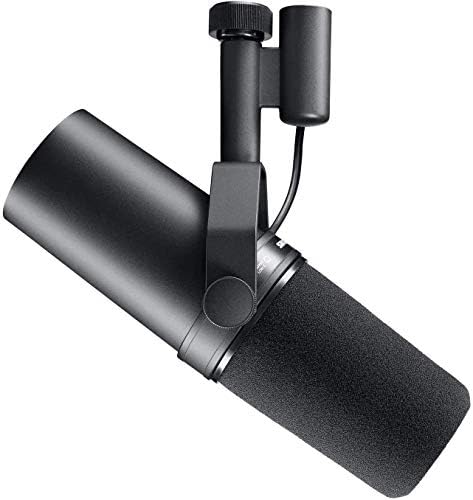

Elgato
Elgato Wave XLR MK.2 USB Audio Interface and DSP Mixer
Bottom line: The Elgato Wave XLR MK.2 USB Audio Interface and DSP Mixer: 80dB of gain drives low-output XLR dynamic mics without a separate inline preamp; main trade-off: single XLR input rules out two-person podcast setups on one unit.
As an Amazon Associate, SpecPicks earns from qualifying purchases. Full disclosure →
Pros & Cons
Pros
- ✓ 80dB of gain drives low-output XLR dynamic mics without a separate inline preamp
- ✓ Wave FX Processor chains DSP effects and VST plugins in one signal path
- ✓ 24-bit/48kHz ultra-low-latency monitoring keeps mic and game audio in sync
- ✓ Capacitive touch strip mutes and adjusts level without alt-tabbing mid-stream
- ✓ Customizable LED bar shows input level and mute state at a glance
Cons
- ✗ Single XLR input rules out two-person podcast setups on one unit
- ✗ 48kHz ceiling limits it for music tracking that expects 96kHz or higher
- ✗ Effects and routing depth depend on installing Wave Link and Stream Deck software
Manufacturer description
Wave XLR gives your mic superpowers. 80dB gain, onboard effects, touch to mute, and Stream Deck control—all with ultralow-latency monitoring that keeps you in sync.
SpecPicks Verdict
SpecPicks has no buyer-rating or benchmark data for Elgato Wave XLR MK.2 USB Audio Interface and DSP Mixer, so this read rests on the manufacturer's listed specs (how we evaluate). Compare with similarly-priced alternatives in the streaming gear category before committing. On the listing's own facts, the case for it is "80dB of gain drives low-output XLR dynamic mics without a separate inline preamp"; the main trade-off is "Single XLR input rules out two-person podcast setups on one unit". If those two points fit how you will use it, put it beside one or two close alternatives in the Compare tool to confirm the price.
Before ordering, check the listed dimensions, ports, power requirements and supported devices or systems in the spec table below against how you plan to use it, and confirm them on the retailer's listing. Prices and stock are set by the retailer and may have moved since this page was last updated.
Key Features
Quoted from the manufacturer's listing. Where it differs from the pros and cons above, those note the conditions the listing leaves out.
- 80dB Gain for Any XLR Mic: Drive any XLR microphone with a massive 80dB gain; enjoy loud, clear amplification for any headphones with powerful amp output
- Ultra-Low-Latency Monitoring: Experience ultra-low-latency monitoring like never before; hear what your audience hears with 24bit, 48kHz audio resolution
- Onboard Effects: Enhance your voice with built-in voice enhancer, compressor, EQ, and more; Wave FX Processor unifies DSP effects and VST plugins in one signal chain
- Touch Control with LED Feedback: Adjust levels and mute instantly with a touch; get instant visual feedback with customizable LED lighting to see levels and status at a glance
- Wave Link App: Works with Wave Link software for easy, powerful audio control; natively integrated for precise routing, effects, and monitoring
Full Specifications
| Brand | Elgato |
|---|---|
| Unit Count | 1 Count |
| Audio Input | XLR |
| Connectivity | USB |
| Model Number | 20MAN9901 |
| Wave Link App | Works with Wave Link software for easy, powerful audio control; natively integrated for precise routing, effects, and monitoring |
| Onboard Effects | Enhance your voice with built-in voice enhancer, compressor, EQ, and more; Wave FX Processor unifies DSP effects and VST plugins in one signal chain |
| Compatible Devices | Laptop, Personal Computer |
| Number of Channels | 2 |
| Supported Software | Elgato Wave Link (Requires Windows 11 / Apple Silicon Mac) |
| Included Components | Quick Start Guide, USB-C to C cable (150 cm | 59 in), Wave XLR MK.2 |
| Maximum Sample Rate | 192 KHz |
| Warranty Description | 2 year manufacturer. |
| Connectivity Technology | USB |
| Manufacturer Part Number | 10MAN9901 |
| 80dB Gain for Any XLR Mic | Drive any XLR microphone with a massive 80dB gain; enjoy loud, clear amplification for any headphones with powerful amp output |
| Ultra-Low-Latency Monitoring | Experience ultra-low-latency monitoring like never before; hear what your audience hears with 24bit, 48kHz audio resolution |
| Touch Control with LED Feedback | Adjust levels and mute instantly with a touch; get instant visual feedback with customizable LED lighting to see levels and status at a glance |
| Full listing title | Elgato Wave XLR MK.2 USB Audio Interface and DSP Mixer | 80dB gain, Onboard voice effects, LED level feedback, Touch mute, Ultra-low-latency monitoring, Works with Stream Deck |
Ready to buy?
Elgato Wave XLR MK.2 USB Audio Interface and DSP Mixer | 80dB gain, Onboard voice effects, LED level feedback, Touch mute, Ultra-low-latency monitoring, Works with Stream Deck is listed on Amazon. Price, availability, shipping and returns are set by Amazon and its sellers — check the listing for current terms. SpecPicks earns a small commission on qualifying purchases — thank you for supporting independent review work.
Related Streaming Gear




More guides & deep dives from the SpecPicks archive
Browse all articles & guides →- Best 1440p Gaming GPUs in 2026
- The Complete Voodoo5 5500 AGP Driver Guide (2026 Edition)
- Emulation Hardware in 2026: FPGA, Software, and Cart-Reader Ecosystems
- Best Budget Gaming PC Build 2026 — ~$1,000 Parts List
- How to Build a Windows 98 Retro PC in 2026
- RTX 4070 Super vs RX 7800 XT — Which to Buy in 2026
- Best Retro Handhelds in 2026: Pocket, Mid-Tier and FPGA Picks
More reviews from the SpecPicks archive
Browse all reviews →- ChatGPT Full-Duplex Voice: What Real-Time Speech Needs on Your Desk
- Intel llm-scaler-vLLM 1.4 with Arc Pro B70: Local Inference vs RTX 3060 12GB
- Best 4K Gaming Monitor in 2026: 5 Picks From Budget to Premium
- ASUS ProArt PA27USD Lands: 27-Inch OLED Aims at Gaming
- Imaging Vintage Hard Drives in 2026: SATA/IDE-to-USB Adapters Compared (FIDECO vs Unitek vs Vantec)
- How to run Qwen 3 32B on Apple M3 Ultra
- How to run Llama 3.1 70B on Apple M4
- OpenAI Buys Ona: What Autonomous Codex Means for Local Coding Rigs
- Best Budget SSDs for Homelab and Proxmox Boot Drives in 2026
- Renting AI Compute vs Running It Home: The RTX 3060 Math
- Best Hardware for Running Qwen3 Locally in 2026
- Jellyfin NVENC Transcodes + a Local LLM on One RTX 3060 12GB
- RTX 3090 24GB vs RTX 4060 Ti 8GB in 2026: Used VRAM or New Efficiency?
- Forza Horizon 6: 8GB vs 16GB VRAM GPU Benchmark Guide
- 32B Models on 12GB VRAM: What an RTX 3060 Can Really Run in 2026
- vLLM Framework Vulnerability: What Local LLM Operators Need to Patch in 2026
- Anthropic Shutdown Reignites the AI-Sovereignty Debate — and the Case for Local Inference
- DeepSeek Hits the US Entity List: What It Means for Local Inference
- Can the Ryzen 5 5600G Run Local LLMs Without a GPU?
- Ryzen AI Max+ 'Gorgon Halo' 192GB vs RTX 3060 12GB for Local LLMs
- AMD Ryzen AI Max 400 'Gorgon Halo': What 192GB of Unified Memory Unlocks for Local AI
- Best Budget 4K Monitor for an RTX 3060 Build in 2026: SANSUI vs KOORUI vs ASUS TUF
- ASRock Phantom Gaming vs Steel Legend 360 LCD Review
- Logitech G502 Hero in 2026: Is the FPS Mouse King Still Worth It?
Earliest SpecPicks reviews
Browse full archive →- Best GPU for Llama 3.1 8B (2026)
- Best GPU for Qwen 3 14B (2026)
- Best GPU for Qwen 3 32B (2026)
- Best GPU for Llama 3.1 70B (2026)
- Best GPU for DeepSeek-R1 32B (2026)
- Best GPU for Llama 3.1 405B (2026)
- How to run Llama 3.1 8B on NVIDIA GeForce RTX 5090
- How to run Qwen 3 14B on NVIDIA GeForce RTX 5090
- How to run Qwen 3 32B on NVIDIA GeForce RTX 5090
- How to run Llama 3.1 70B on NVIDIA GeForce RTX 5090
- How to run DeepSeek-R1 32B on NVIDIA GeForce RTX 5090
- How to run Llama 3.1 8B on NVIDIA GeForce RTX 4090