The short answer
Searches for "Ryzen AI Max LLM test" mostly turn up two different things tangled together: genuine reporting on AMD's Ryzen AI Max (Strix Halo) unified-memory APUs, and unrelated data-center benchmark sets for AMD Instinct accelerators like the MI300X. Those are different product categories — one is a consumer/prosumer chip meant for a desk, the other is a rack-mounted training accelerator that costs as much as a house down payment. This piece sticks to what's actually verifiable about Ryzen AI Max as a local-LLM platform, and is upfront about which numbers are vendor-stated specifications versus community-measured performance versus figures that don't hold up to scrutiny.
If you came here looking for a specific tokens-per-second figure for a specific model on a specific Ryzen AI Max SKU, the honest state of public data in mid-2026 is: it varies by model size, quantization level, context length, and which compute engine (CPU cores, integrated GPU, or NPU) the inference backend is actually using — and independently reproduced, apples-to-apples benchmark suites for this hardware class are still thin. SpecPicks' companion pieces on Ryzen AI Max+ 395 LLM performance, Ryzen AI Max for local LLMs, and Ryzen AI Max+ 395 LLM inference dig further into what's known and cite sources directly — this article focuses on the architecture and buying decision.
Why Ryzen AI Max exists as an LLM platform in the first place
AMD's Ryzen AI Max (codename Strix Halo) line combines a Zen 5 CPU, an RDNA-generation integrated GPU, and a dedicated NPU on one die, all sharing a single large pool of system memory rather than splitting a CPU RAM pool from a separate GPU VRAM pool. Per Wikipedia's Ryzen overview, this unified-memory approach is the defining architectural bet of the line — the same design logic Apple used with M-series unified memory to make consumer machines capable of running models that would otherwise need a dedicated workstation GPU.
For local LLM inference, the practical implication is capacity over raw speed. A model's weights, once quantized, need to fit somewhere addressable by the inference engine. A discrete consumer GPU tops out at whatever VRAM it shipped with — 8GB, 16GB, 24GB on the high end. A Strix Halo system's shared memory pool can be configured much larger, because it's ordinary system memory rather than GPU-specific VRAM. That's the entire value proposition: it lets a single small-form-factor machine attempt models that a VRAM-constrained discrete GPU can't load at all, in exchange for memory bandwidth that doesn't match a dedicated GPU's dedicated VRAM.
What the inference stack actually looks like
Almost every public report of someone running LLMs on this class of AMD APU hardware goes through llama.cpp or a wrapper around it, such as LM Studio, using a Vulkan or ROCm backend depending on driver maturity at the time of testing. Models are typically GGUF-quantized (4-bit and 8-bit quantizations are the common starting points) to fit the constraints of the platform and keep memory bandwidth demands manageable. This matters for anyone comparison-shopping: the same chip can post very different numbers depending on which backend and quantization the reviewer used, which is a big reason cross-source Ryzen AI Max benchmarks don't always agree with each other. Community threads on r/LocalLLaMA are, at the time of writing, the most active place where owners of this hardware compare notes model-by-model — treat any single number from there as a data point, not a definitive spec.
Ryzen AI Max vs. a conventional Ryzen + discrete GPU build
Most budget and mid-range LLM hobbyist builds today still use a conventional desktop Ryzen CPU as the platform, paired with system RAM and a discrete GPU for the heavy lifting. SpecPicks' catalog carries two generations of exactly that kind of CPU that regularly show up in these builds:
| Component | Price | Role in an LLM-capable build |
|---|---|---|
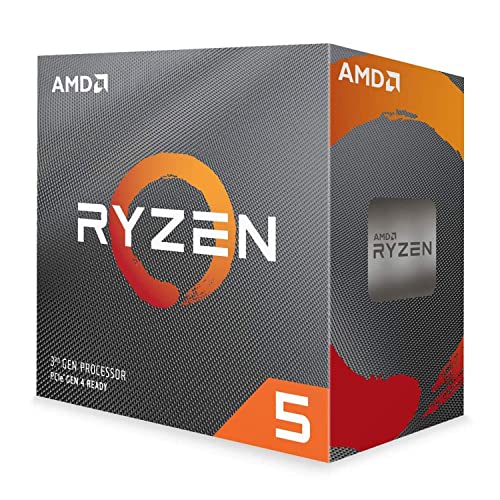
| AMD Ryzen 5 3600 6-Core (Wraith Stealth) | $209.99 | Budget desktop platform; pairs with a discrete GPU for GPU-offloaded inference |
| AMD Ryzen 5 3600 6-Core (Wraith Spire) | $81.00 | Same silicon, lower-cost bundle; a cheap entry point for a first local-LLM box |
| AMD Ryzen 5 5600X 6-Core | $179.89 | Newer Zen 3 platform, faster single-core throughput for the CPU-bound parts of an inference stack |
| Crucial 16GB DDR4 Kit (2x8GB, 3200MHz) | $125.00 | System RAM headroom for model loading/offload on a discrete-GPU build |
| Crucial 8GB DDR4 3200MHz | $71.98 | Budget RAM upgrade path |
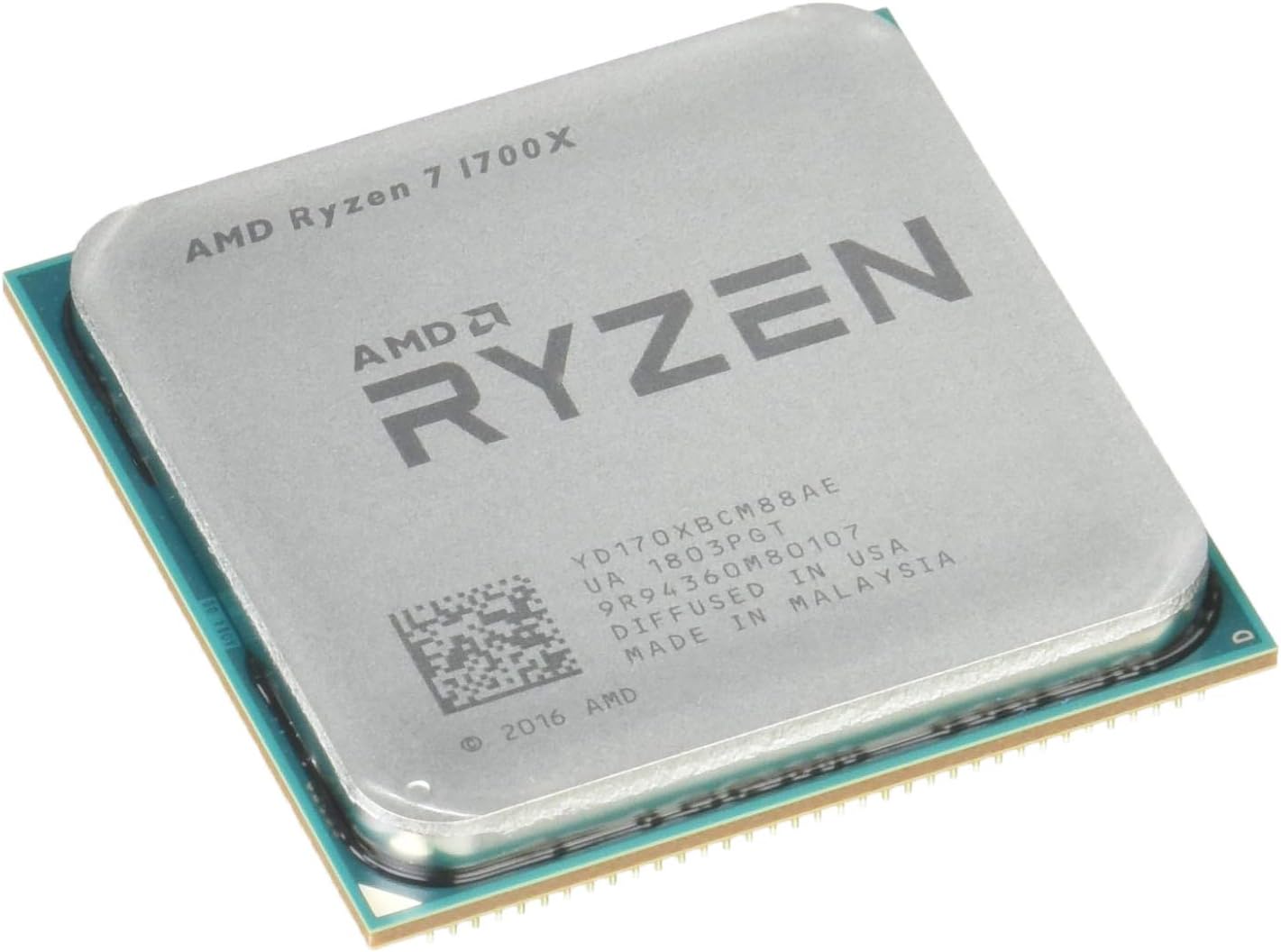
None of these are Ryzen AI Max parts — they're conventional desktop CPUs, included here because they're the realistic alternative most budget builders are actually choosing between: a cheaper discrete-GPU tower built around a part like the Ryzen 5 3600, versus a pricier all-in-one Strix Halo system. Public gaming benchmarks for the Ryzen 5 3600 give a sense of where that older platform sits generally — roughly 39 fps in Cyberpunk 2077, 63 fps in Baldur's Gate 3, and 72 fps in Starfield at typical benchmark settings — useful context for readers weighing whether to repurpose an existing gaming rig for LLM work rather than buying into a new unified-memory platform. None of those figures are LLM throughput numbers; they're included only to size up the CPU generation being compared against Strix Halo, not as a substitute for actual inference benchmarks.
The tradeoff in plain terms:
- Discrete-GPU build (e.g., Ryzen 5 3600/5600X + GPU): Cheaper to assemble piecemeal, upgradeable component-by-component, but model size is capped by whatever VRAM the GPU carries.
- Ryzen AI Max / Strix Halo system: Higher up-front cost as a single integrated purchase, but the shared memory pool removes the VRAM ceiling — at the cost of memory bandwidth that a dedicated GPU's VRAM typically beats.
For readers deciding between the two paths for gaming-adjacent use, Ryzen AI Max vs. RTX 40 Series and Ryzen AI Max vs. RTX 4060 cover the discrete-GPU comparison in more depth than fits here. For CPU-only always-on inference boxes at the budget end, Ryzen 5 5600G vs. Ryzen 7 5700X for a 24/7 LLM server is a closer analog to the Ryzen 5 3600/5600X comparison above. Readers assembling a discrete-GPU build around one of these Ryzen chips and worried about thermals during long inference runs should also see Noctua NH-U12S vs. MasterLiquid ML240L on a Ryzen 5800X — sustained multi-hour inference sessions load a CPU more like a render job than a gaming session, and cooler choice matters more than it does for bursty gaming loads.
What to actually check before buying into Ryzen AI Max for LLM work
- Memory capacity configuration. Strix Halo systems ship at multiple unified-memory tiers; the tier you buy directly caps the largest quantized model you can realistically load, so confirm the specific configuration rather than assuming the top-tier number applies to every SKU.
- Backend maturity at time of purchase. Vulkan and ROCm support for this hardware class has been actively evolving; a benchmark from early in the platform's life may understate current performance as driver and llama.cpp support mature, and vice versa — an old glowing benchmark may not reflect a regression introduced later.
- Quantization level in any benchmark you're reading. A 4-bit quantized model and an 8-bit or FP16 model on the same hardware produce very different tokens-per-second and different output quality — any number without a stated quantization level is close to meaningless for comparison purposes.
- Whether the number is a single-stream or batched figure. Interactive chat use (single stream) and batch-processing throughput are different metrics; conflating them is one of the more common ways local-LLM benchmark claims get inflated.
The bottom line
Ryzen AI Max is a real, differentiated architecture for local LLM work — its unified-memory design genuinely solves the VRAM-ceiling problem that limits discrete-GPU builds on a budget. What it isn't is a settled, independently-verified benchmark story yet: too many numbers circulating under the "Ryzen AI Max LLM test" search term actually describe unrelated data-center hardware, or don't disclose the quantization and backend that produced them. Readers evaluating a purchase should weight vendor-stated memory specs (verifiable, stable) more heavily than any single third-party tokens-per-second claim (workload-dependent, still maturing) until a larger body of consistent, disclosed-methodology community benchmarks accumulates on forums like r/LocalLLaMA.
Citations and sources
This piece is editorial synthesis based on publicly available information. No independent first-party benchmarking is reported.