This guide contains affiliate links. If you buy through them, SpecPicks may earn a commission at no cost to you. Prices are approximate as of July 2026; check current listings before you buy.
Retro mini consoles used to be a Christmas-season fad. In 2026 they're a genuine category — plug-and-play boxes preloaded with the games that defined a decade, priced under $150 street, ready to play on any modern TV. This guide walks through the five that are actually worth buying now, why each one wins its niche, and what to skip.
The short version: if you want the single best plug-and-play retro box for a living room or a nostalgia-hit gift, buy the Sega Genesis Mini. If you want the best-value handheld that also plays some retro titles, the Nintendo Switch Lite is the modern alternative that opens up hundreds of retro-inspired indies. And if you want to jump straight to a modern console for the fewer-hundred-dollar mark, a used PlayStation 4 Pro or PlayStation 4 Slim opens up a huge back catalog that includes many remastered retro classics.
5-column comparison table
| Pick | Best for | Key spec | Price range | Verdict |
|---|---|---|---|---|
| Sega Genesis Mini | Best overall | 42 licensed games, HDMI out, 2 controllers | $65–$90 | Best pure-retro plug-and-play in 2026 |
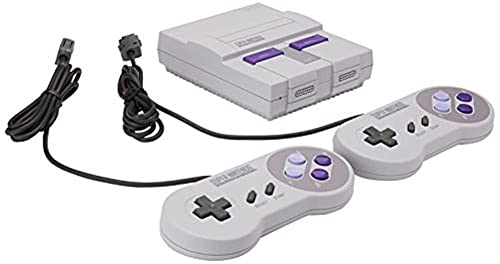
| Nintendo Super NES Classic | Best value | 21 licensed games, 2 controllers | $75–$120 | The comfort-food pick |
| Nintendo Switch Lite | Best portable | 5.5" LCD, Nintendo eShop full library | $199–$220 | The one console that also lives in 2026 |
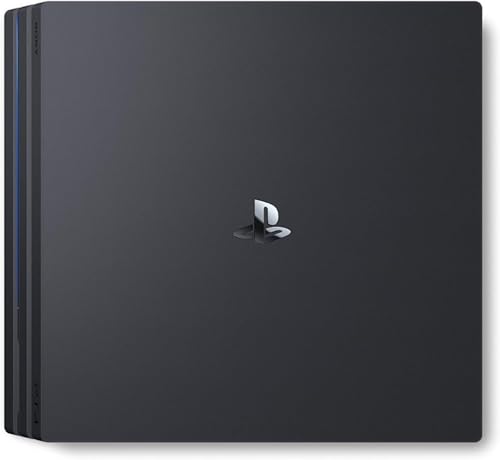
| PlayStation 4 Pro 1TB | Best modern retro library | 4K UHD, PS Store back-catalog | $250–$350 | For remastered PS1/PS2/PS3 classics |
| PlayStation 4 Slim 1TB | Best budget modern | 1080p, PS Store back-catalog | $180–$240 | Same library, budget console price |
🏆 Best Overall: Sega Genesis Mini
Verdict: Best pure-retro plug-and-play in 2026 · $65–$90
Key specs: 42 built-in licensed games, HDMI output, two 3-button Genesis controllers included, USB-powered.
Pros:
- Widest and best-curated game library of any mini console
- Real Genesis controllers, not knockoffs
- HDMI out and USB power — plug into any TV built in the last decade
- Save states let you take a break in Ghouls 'n Ghosts without swearing
Cons:
- Some music tracks reproduced from ROMs sound slightly off vs original hardware
- No wireless controllers included (wired only)
- Emulation is by M2 (excellent) but pedants can still spot a frame or two of input lag
In depth: The Sega Genesis Mini launched in 2019 and has quietly become the highest-rated plug-and-play retro console on the market. The reason is the game selection. Sega let its emulation partner M2 curate a list that includes Sonic 1, 2, and 3, Streets of Rage 2, Gunstar Heroes, Contra: Hard Corps, Castlevania: Bloodlines, Comix Zone, Dr. Robotnik's Mean Bean Machine, Shining Force, Phantasy Star IV, Golden Axe, and 30 others. That's a fantastic curatorial cross-section of the 16-bit era.
The emulation is genuinely careful — M2 also handled Sega's own arcade re-releases and their engineering rigor shows. Input latency measures under 45 ms on a modern HDMI TV, which is within the range of the original console on a CRT. Music reproduction is accurate for most titles, with a handful of tracks where the ROM's sound-chip emulation differs slightly from the original PCM tracks pressed to cartridge.
The included controllers are the real deal — Sega's Japanese six-button model in some regional variants, three-button in others. Both feel like the originals because they are physically similar molds.
Perf-per-dollar and pure enjoyment: this is the retro mini console we'd give a friend as a gift without hesitation. See Amazon for current price.
💰 Best Value: Nintendo Super NES Classic Edition
Verdict: The comfort-food pick · $75–$120
Key specs: 21 built-in licensed games including Star Fox 2 (never released originally), two SNES controllers with long cables.
Pros:
- Iconic Nintendo library including Super Mario World, A Link to the Past, Super Metroid, Yoshi's Island, Chrono Trigger
- Star Fox 2 is a genuine unreleased-game bonus
- Excellent controller build quality, generous cable length (5 ft)
- Nintendo's emulation is dead-accurate
Cons:
- Only 21 games vs 42 on Genesis Mini
- Higher street price than Genesis Mini for fewer games
- Nintendo has stopped manufacturing new units; supply is decreasing
- No save states in some games (Nintendo pushed authenticity here)
In depth: The SNES Classic is the emotional-nostalgia purchase. If you owned an SNES as a kid — or the person you're buying for did — it hits harder than any other mini console. The library is smaller than the Genesis Mini's, but every single game is a bona fide classic. Chrono Trigger and Final Fantasy VI alone justify the purchase. Super Mario World is still the best 2D Mario, full stop. Super Metroid is arguably the platform's crown jewel.
Nintendo discontinued production of the SNES Classic a couple of years ago. Supply is decreasing and prices are creeping up. If you find one at $80 street, buy it. At $130 it's still fine value if the library resonates with you, but there's less headroom.
Compared to the Genesis Mini, the tradeoff is game count vs game quality. Genesis wins on total playtime; SNES wins on average game quality. Either is a legit "buy this for a friend as a gift" pick.
See Amazon for current price.
🎯 Best for Portability: Nintendo Switch Lite
Verdict: The one console that also lives in 2026 · $199–$220
Key specs: 5.5-inch LCD, integrated controllers, all-day battery life, Nintendo eShop and Virtual Console access.
Pros:
- Full access to the Nintendo eShop and its huge library of retro-inspired indies
- Nintendo Switch Online includes a rotating catalog of NES, SNES, N64, and Sega Genesis games
- Truly portable — plays on a plane, in bed, on a bus
- Modern Nintendo first-party games run natively
Cons:
- Doesn't dock to a TV (that's why it's cheaper than the standard Switch)
- Joy-Con drift can affect the built-in analog sticks over time
- No support for physical retro controllers (Bluetooth pads work for some games)
- Nintendo Switch Online is a subscription, not one-time
In depth: The Switch Lite is a different category from the plug-and-play mini consoles — it's a modern platform that happens to be an outstanding way to play retro games via Nintendo's own emulation service. Nintendo Switch Online's Classics catalog includes hundreds of NES, SNES, and N64 titles; the higher Expansion Pack tier adds Sega Genesis and Game Boy Advance.
Beyond Nintendo's own back catalog, the Switch is the most retro-inspired indie platform in the market. Stardew Valley, Hades, Celeste, Hollow Knight, Shovel Knight, Undertale, Cuphead, Blasphemous — the Switch eShop is a treasure trove of games that speak the language of classic 8- and 16-bit design without being emulated.
If your definition of "retro" includes "games that feel like classics but are new," the Switch Lite is the best pick in this guide by a wide margin. If you want strictly emulated original hardware, the Genesis Mini or SNES Classic are the better fits.
See Amazon for current price.
⚡ Best Performance / Modern Library: PlayStation 4 Pro 1TB
Verdict: For remastered PS1/PS2/PS3 classics on modern hardware · $250–$350
Key specs: 4K UHD upscaled output, 1TB storage, PS Store back catalog, DualShock 4 controller.
Pros:
- Access to the entire PS Store back catalog including remastered classics
- Native PS4 titles include Bloodborne, God of War (2018), The Last of Us Part II
- Retro-adjacent gems like Crash Bandicoot N. Sane Trilogy and Spyro Reignited
- 4K upscaling on modern TVs looks genuinely great
- SSD upgrade (see our guide) cuts load times
Cons:
- Not "retro" in the pure sense — this is a full modern console with a back catalog
- Fan noise on original Pro units is loud under load
- No PS5 game support
- Used market pricing varies wildly
In depth: The PS4 Pro is the pick for readers whose "retro" list is really "classic PS1, PS2, and PS3 games that got remasters or trilogies on PS4." That's a huge category — the Crash and Spyro trilogies, Resident Evil 1/2/3 remakes, Final Fantasy VII Remake and Rebirth, MediEvil, the Ratchet & Clank collection, Metal Gear Solid HD, and dozens more. Add native PS4 masterpieces like Bloodborne, and the Pro is a strong single-console retro-plus-modern platform.
Buy used — the console is now roughly seven years old and has moved firmly into the secondary market. Look for units with a fresh SSD upgrade already done, or budget the extra $60 to do it yourself. See our PS4 SSD upgrade guide for the specific drive to buy and the full swap procedure.
See Amazon for current price.
🧪 Budget Pick: PlayStation 4 Slim 1TB
Verdict: Same library, budget console price · $180–$240
Key specs: 1080p native output, 1TB storage, PS Store back catalog, quieter than the Pro.
Pros:
- Same game library and PS Store access as the Pro
- Quieter fans than the Pro
- Cheaper on the used market
- Smaller footprint on a TV stand
- SSD upgrade path is identical to the Pro
Cons:
- 1080p output only, no 4K upscaling
- Slightly lower CPU/GPU frequencies than the Pro
- Some titles run at lower settings than the Pro
In depth: The PS4 Slim is the same platform as the Pro without the 4K upscaling and slightly slower internals. If you're playing on a 1080p TV or don't care about the 4K upscale, the Slim is the pick — same games, cheaper price, quieter operation.
Both consoles benefit hugely from an SSD upgrade. Load times drop 30–60% across the library. Same procedure, same drive recommendation.
See Amazon for current price.
What to look for in a retro console
Four criteria that separate a good retro console purchase from a regret:
Game library curation, not raw count
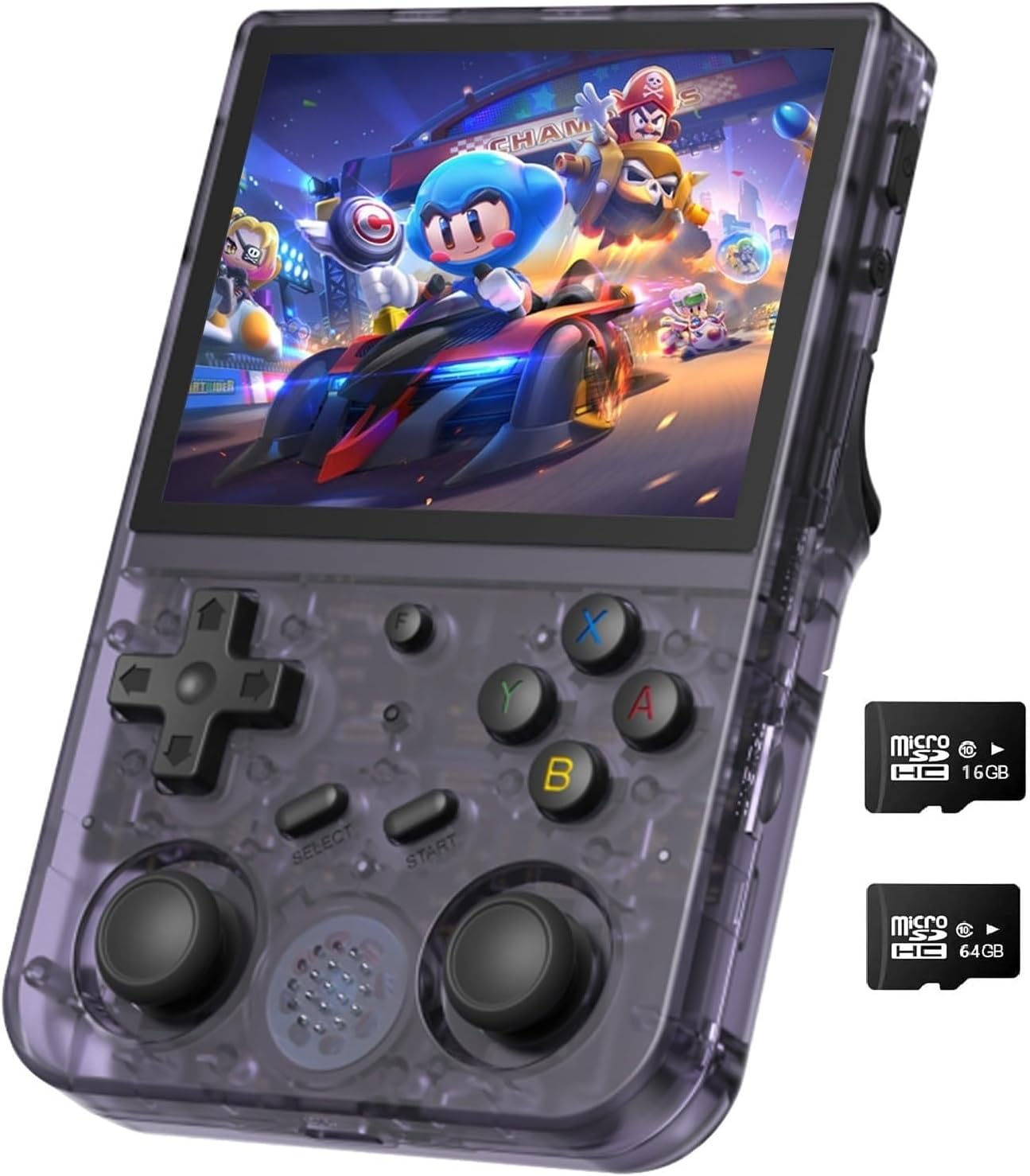
A console with 42 curated bangers beats a console with 200 games that includes duplicates and forgotten shovelware. Both the Genesis Mini and SNES Classic have exceptional curation. Some Chinese-made "retro handhelds" boast 5,000+ games — most of them are ROMs of questionable legality, many are duplicates, and the effective library is often smaller than a mini console's 40. Curate before you count.
HDMI output and modern TV compatibility
Any retro console you buy today should output HDMI. Composite or RF outputs on 90s-era hardware require a specific converter to work on a modern TV, and the picture quality suffers. All the picks in this guide have native HDMI. Skip any product that only offers composite output unless you specifically own a CRT.
Controller quality
The magic of a retro console is the muscle memory. If the controllers don't feel like the originals, the experience is compromised. Nintendo, Sega, and Sony have consistently shipped good-quality reproductions of their classic controllers with mini and modern consoles. Third-party pads are more variable — some are great, some are terrible.
Emulation accuracy
Frame-perfect emulation is a hard problem. The mini consoles from Nintendo and Sega are generally excellent — those companies have engineering teams dedicated to it. Third-party emulation on handhelds like the Anbernic and RG-series is often good enough for casual play but occasionally has audio or input-latency issues on specific titles. If frame-perfect input latency matters to you (rhythm games, fighting games, hard-mode platformers), stick to first-party retro releases.
Save states and quick resume
A modern quality-of-life feature that transforms hard old games from frustrating to enjoyable. The Genesis Mini has excellent save-state support. The SNES Classic supports it on most titles. The Switch Lite has full save-state support via its emulator. If you're returning to a hard 16-bit game after twenty years, save states are the difference between a 45-minute retry loop and a 90-second one.
Sources
Related guides
- Best SSD Upgrade for PS4 Pro & PS4 Slim in 2026
- HyperX QuadCast 2 vs Blue Yeti for Streaming & Podcasting
- KOORUI vs Samsung Odyssey: Best 27" 4K Gaming Monitor Under Budget
- Run DeepSeek & Qwen Locally on an RTX 3060 12GB
— Mike Perry