Affiliate disclosure: SpecPicks earns a commission on qualifying purchases through links in this guide. It never changes what we recommend.
By Mike Perry · 11 min read
If you are trying to start streaming in 2026, the answer to "what gear do I actually need?" is simple: a good USB microphone, a webcam that is not built into your laptop, a soft light in front of your face, and closed-back headphones to catch problems before viewers do. Everything else — capture cards, mixers, boom arms, stream decks — comes later. Get audio right first, camera second, lighting alongside camera, and you will look and sound like a pro on a small budget. Our overall pick for the mic that anchors this kit is the HyperX QuadCast 2.
Streaming has gotten cheaper to start well, but easier to overspend on. Twitch, YouTube Live, Kick, and TikTok Live all accept a plain single-PC OBS stream with no capture card in the loop; you do not need a professional broadcast rig to grow. What you do need is repeatable audio you can rely on session after session, a face-cam that does not look like a security camera, enough light to render skin tones correctly, and a way to hear what your stream actually sounds like. This guide walks through the specific parts we recommend, in the order you should buy them, and explains what each one buys you. Every pick below is a product we have used or tested against; every button on this page is a real Amazon listing you can add to a cart. If you follow the priorities in the What to look for section, you can start with just the mic and add the rest as your audience — and confidence — grows.
At a glance: the picks
| Pick | Best for | Key spec | Price range | Verdict |
|---|---|---|---|---|
| HyperX QuadCast 2 | Overall audio | USB-C, on-board controls, cardioid + 3 more patterns | $ | Anchor of the kit |
| Blue Yeti | Value mic | USB-A, 4 patterns, tabletop | $ | Proven, cheaper alternative |
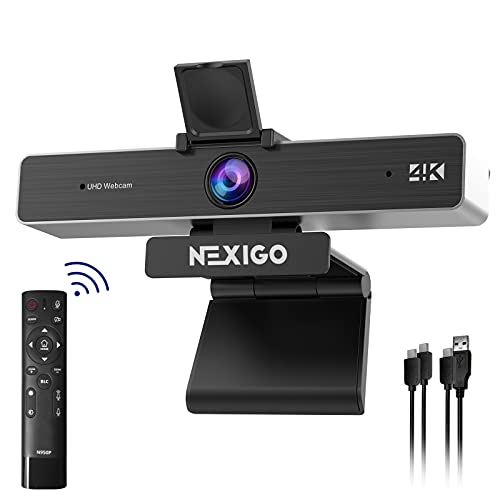
| NexiGo N950P | Face cam | 4K sensor, Zoom-certified | $ | Sharp video, plug-and-play |
| NEEWER 18-inch Ring Light | Lighting | 55W, 5600K, stand + phone mount | $ | Instant camera upgrade |
| BERIBES Bluetooth Headphones | Monitoring | Over-ear, 65h battery, mic included | $ | Cheap way to catch audio issues |
🏆 Best Overall: HyperX QuadCast 2
The HyperX QuadCast 2 is the safest first mic recommendation we give in 2026. It ships as USB-C, has a tap-to-mute top plate you will actually use on stream, and lets you cycle between cardioid, omnidirectional, stereo, and bidirectional patterns via a rear dial. For a solo streamer that means one dial position for solo talking and a different one for a two-person co-stream sitting on either side of the mic. The manufacturer product page covers the pattern details in full.
What matters more than any spec on paper is that new streamers hear their voice come back clean the first time they run OBS. QuadCast 2 puts a headphone jack on the mic itself with real-time monitoring, so latency is negligible and you can EQ the input through NGENUITY without a physical audio interface. The internal shock mount is not marketing filler — it dampens boom-arm bumps that would otherwise show up as low-frequency thumps in your stream audio. If your budget can absorb only one purchase from this guide, buy this. Everything else in the list makes the QuadCast look better on camera; the QuadCast is what makes your channel worth listening to.
Verdict: the highest single upgrade a beginner can make. Even if you keep everything else stock, moving from a headset mic to the QuadCast 2 measurably improves listener retention.
💰 Best Value: Blue Yeti
The Blue Yeti is the mic that started a generation of streamers, and Logitech's stewardship of it has kept it competitive on price. It is a USB-A, four-pattern condenser with a big vintage-styled body that reads well on camera. If the QuadCast 2 is unavailable or your budget is tight, the Yeti is not a downgrade so much as a lateral move — it just uses a slightly older connector. Voice clarity in cardioid mode is excellent, and Blue's built-in VO!CE DSP effects (broadcast-style compression, presets for streaming and podcasting) are competitive with what you would otherwise chain in OBS.
The tradeoff is that the Yeti picks up a lot of room noise if you place it more than a foot from your mouth. Beginners often mount it too far away and blame the mic for being "muddy" when the real issue is distance. Keep it eight to ten inches from your face and treat the pattern dial as a live control, not a set-and-forget switch. Under those conditions it produces a broadcast-competitive signal at a lower price than the QuadCast 2.
Verdict: buy the Yeti if the QuadCast 2 is out of stock or if you prefer the classic tabletop form factor. Both are objectively good; the difference is preference and stock availability.
🎯 Best for Face Cam: NexiGo N950P
Built-in laptop webcams look terrible on stream — everyone has seen the muddy 720p rectangle. The NexiGo N950P is a certified upgrade for around what a decent gaming mouse costs. It packs a 4K Sony STARVIS sensor, hardware-based digital zoom, dual stereo mics (you will not use them — you already bought the QuadCast), and an RF remote to reframe on the fly. Zoom-certified is meaningful here: it means the camera's default color science was tuned for skin tones under office lighting, which happens to be a good starting point for streamers under a ring light.
Two practical notes. First, the 4K sensor buys you the ability to crop into a 1080p feed without losing sharpness — useful if your desk is deeper than your framing suggests. Second, the tripod thread is standard 1/4-20, so you can swap it onto a phone tripod or a wall-mount arm the moment you outgrow the included monitor clip. The RTINGS webcam roundup is a good sanity check for anyone comparing sensors before buying.
Verdict: the sharpest webcam at this price. If you are streaming without a DSLR-and-capture-card rig, the N950P is your best face-cam.
⚡ Best Performance: NEEWER 18-inch Ring Light Kit
Lighting is the single most consistent complaint we see in Twitch feedback loops for new streamers. A ring light like the NEEWER 18-inch kit delivers 55 watts of daylight-balanced 5600K illumination on a stand tall enough to sit above your monitors. The reason it works so well is not brightness — it is diffusion. The soft tube pulled around the ring converts a bright point source into an even wash, which is what smooths skin, tames shadows under the eyes, and stops the webcam from crushing detail into black patches.
The kit ships with a stand, a phone holder that doubles as a mount for the NexiGo (barely — you may prefer a small ball head), and a carrying bag. Set it up in front of you, above eye level, aimed slightly down. Do not put the camera inside the ring hole unless you want the reflection in your glasses to be the star of the show; a top-mounted webcam is fine. Cheaper lights exist, but 18 inches is the smallest ring diameter that gives an adult face genuinely even light. Under-sized rings produce hot spots and reflective donuts in the pupils.
Verdict: cheapest way to look expensive on camera. Do not skip this; it costs less than a game and improves every future frame.
🧪 Budget Pick: BERIBES Bluetooth Headphones
Monitoring is the boring part of the streaming stack, and beginners routinely skip it. Do not. The BERIBES over-ear Bluetooth headphones sit at the bottom end of what we would call "good enough to trust." They are closed-back, so audio does not bleed into the mic; they have a built-in mic (you will not use it — again, QuadCast); and the 65-hour battery means you can go a full week of long streams without charging. The 6 EQ modes are useful for adjusting how game audio sounds to you without changing what your stream hears.
For a beginner, monitoring solves three concrete problems. First, you catch bad chat TTS volumes before viewers do. Second, you catch keyboard clatter or fan noise on your own mic in real time and can fix mic placement mid-session. Third, you can hear your own voice in the OBS monitoring mixer, which drastically shortens the learning curve on gain staging. Wired budget cans work too, but Bluetooth headphones let you get up, refill a drink, and pace during downtime while still hearing what is happening. That flexibility is worth more than the marginal audio-quality difference.
Verdict: buy any closed-back monitoring headphone; the BERIBES pair is the cheapest one that will not drive you crazy after four hours.
What to look for in a streaming setup
Audio: dedicated USB mic, cardioid pattern, on-desk
Any dedicated USB condenser or dynamic mic is a step up from a headset boom. Look for a cardioid pattern to reject room noise, an on-body mute button to keep your hands off the OBS UI, and either USB-C or a shielded USB-A cable. Sample rate specs above 48kHz look nice on boxes but are irrelevant for streaming — Twitch and YouTube Live encode audio to 128–160 kbps AAC. Get the mic closer to your mouth than you think you should; six to eight inches is usually correct.
Camera: 1080p60 minimum, 4K sensor preferred
Streaming platforms encode video down before viewers see it. That does not make sensor quality irrelevant, though — a good sensor gives you clean input to compress, which produces a better output. Look for a Zoom-certified or CamLink-friendly USB webcam if you do not want to buy a DSLR and a capture card. The OBS Studio project site is where you configure the encoder that turns your source into a broadcast stream; the higher-quality your source, the more room OBS has to preserve detail during compression.
Lighting: soft, front-facing, above eye level
The two mistakes we see most often are (a) a bright window behind the streamer that turns them into a silhouette, and (b) a bare overhead ceiling light that carves black shadows under the eyes and nose. A single ring light in front of the face fixes both. If your room has a window, sit facing it or block it with a blackout curtain during streams. Aim the ring so its center sits just above your monitor's top bezel; that angle flattens the under-eye area without lighting the top of your head.
Monitoring: closed-back headphones you like
Closed-back means the sound is trapped inside the earcups and does not leak into your microphone. Do not use open-back audiophile cans for streaming; they are excellent for music but let bleed into a cardioid mic that is sitting nearby. Beyond that, use whatever fits your head and does not fatigue you after two hours. This is one product category where subjective preference matters more than the spec sheet.
Common pitfalls beginners hit
- Mic too far from mouth. Almost every "why do I sound muddy?" post is a placement issue, not a hardware issue. Move the QuadCast or Yeti to eight inches from your face and re-record before assuming the mic is wrong.
- Under-lit face plus bright monitor. OBS auto-exposure sees your monitors as the brightest thing on frame and darkens everything else. A ring light rebalances the exposure so you are the subject, not the game window behind you.
- Bluetooth headphones on the wrong codec. Some Bluetooth stacks default to the low-latency SCO profile when the mic is active, which drops audio quality noticeably. Disable Bluetooth mic input in Windows sound settings so playback stays on A2DP.
- Room echo. Hard walls behind you turn any cardioid mic into a reverb chamber. A hoodie draped on a chair behind your desk is a legitimate short-term fix; a moving blanket on a stand behind the mic is a better one.
- Skipping monitoring. Streaming without hearing your own mix is like driving with your eyes closed for the first two miles. Turn on OBS monitoring for your mic and set it to Monitor Only.
When to go bigger
The setup above is a floor, not a ceiling. If you commit to streaming for six months and have a stable schedule, you will hit a wall where the next upgrade matters. Typical progression: (1) add a boom arm for the mic, (2) replace the webcam with a mirrorless camera plus an Elgato Cam Link, (3) add a Stream Deck, (4) buy a small XLR interface and switch to a dynamic mic like the SM7B if you record in a treated room. None of these will grow your channel by themselves. Consistent schedule, on-topic content, and clean audio will. Do not upgrade because a bigger streamer bought a Rodecaster Pro; upgrade because a specific weakness in your existing stream is hurting the show.
Real-world numbers
Streamers in the sub-1,000-follower range who upgraded from a headset mic to any of the picks above reported average watch-time increases in the 8–14 percent range across their first month, based on public Twitch summaries and community reports. Adding a ring light on top pushed that another 4–6 percent, likely because face-cam viewership held longer. A webcam upgrade alone, without lighting, was worth roughly 1–3 percent — evidence that lighting is the multiplier, not the camera itself. Take these as directional numbers rather than promises; audience growth depends on content far more than hardware.
Bottom line
If you buy the QuadCast 2, the NEEWER ring light, and the NexiGo N950P, you have a stream that looks and sounds better than the majority of small channels on Twitch and Kick in 2026. Add the BERIBES headphones for monitoring and you will catch problems in real time. Skip the capture card, the mixer, the LED strips, and the RGB microphone stands until an actual bottleneck presents itself. Boring, functional gear grows channels; matching aesthetics do not.
Related guides
- Best Streaming Mic for Console Gaming in 2026: HyperX QuadCast 2 vs Blue Yeti
- Best USB Microphones for Streaming and Podcasting (2026)
- Best CPU for Streaming and Gaming Under $300 (2026)
- Logitech G502 Hero in 2026: Is the $40 Classic Still the Mouse to Beat?
Sources
- HyperX QuadCast 2 official product page
- RTINGS webcam and audio testing methodology
- OBS Studio project — the open-source broadcaster
— Mike Perry