Getting retro-PC game audio onto a modern setup means different things for DOS-era, Windows 9x, and early XP titles. For period-accurate DOS FM synthesis you still need real ISA Sound Blaster hardware or an emulator like DOSBox with accurate OPL. For Windows-era retro games (Half-Life, Deus Ex, System Shock 2), a modern external DAC like the Sound BlasterX G6 delivers clean output, headphone amp, and virtual surround without touching the case. Pair it with a good adapter cable path and you cover 90% of retro audio needs cleanly.
What "retro PC audio" actually means
The retro-PC audio world isn't one problem — it's three:
- DOS-era games (1988–1995). Games talk directly to specific Sound Blaster or AdLib hardware. They expect real OPL2/OPL3 FM synthesis for music, DMA-transferred digital samples for SFX, and specific IRQ/DMA/port settings. No amount of modern USB gear replaces this correctly.
- Windows 9x / early XP games (1995–2005). Games use DirectSound, DirectSound3D, and — for the ambitious ones — Aureal A3D or Creative EAX. Modern USB DACs handle stereo output perfectly, but positional 3D audio and EAX are dead outside of software wrappers.
- Modern hybrid setups. Your retro rig runs the actual game; the audio flows through a modern chain (DAC + headphones/speakers) that just needs to be clean. This is where the G6 shines.
Understanding which of these you're solving for prevents buying wrong hardware. This guide walks each.
Key takeaways
- Period-correct DOS audio still needs real ISA hardware or accurate emulation.
- Modern USB DACs like the G6 handle Windows-era retro cleanly.
- Bridging RCA/1/8"/optical between eras is mostly cables and one $30 mixer.
- EAX/A3D are gone; wrappers help but nothing fully restores them.
- Building the hybrid stack costs $150–$400 depending on scope.
The hardware bill
For a hybrid retro-modern audio chain:
- Modern DAC / headphone amp: Creative Sound BlasterX G6 is the reference pick
- 1/8" or RCA cables: assorted, get spares
- Adapter set (1/4" TRS, 1/8" TRS, RCA-1/8" Y-splitters)
- Optional small analog mixer: Behringer XENYX Q502USB or similar
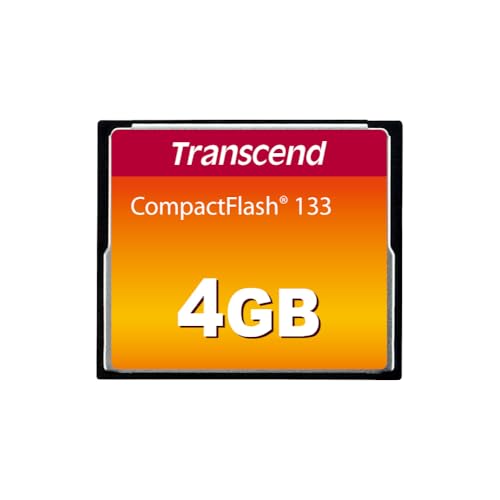
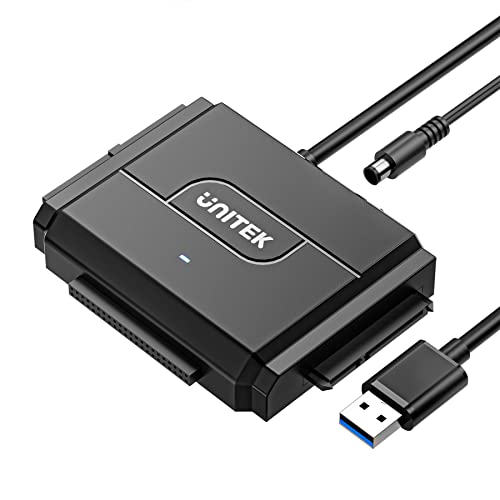
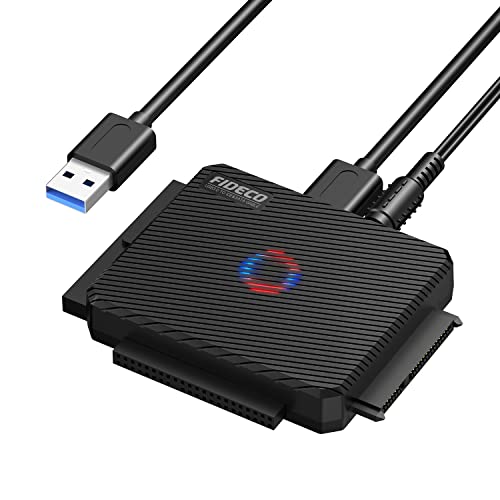
Storage for the DOS/Windows install and game libraries matters too — retro builds often use modern SSDs behind IDE-to-SATA bridges. A Transcend CF133 4GB CompactFlash is a period-appropriate boot medium for early DOS builds; a modern Unitek SATA/IDE to USB 3.0 adapter or FIDECO SATA/IDE adapter lets you image and populate the drives from a modern PC.
Can a modern USB sound card replace a real Sound Blaster for DOS games?
No — not for period-correct DOS output. DOS games write to specific ISA I/O ports, expect FM synthesis at specific addresses, and depend on hardware-specific DMA transfers. A USB DAC is a completely different beast on a different bus. Two paths that work:
- Real ISA hardware in a period-correct build. A Sound Blaster 16, AWE32, or AWE64 delivers authentic OPL3 FM and Wave Table synthesis. This is the museum-piece path.
- Accurate emulation via DOSBox / DOSBox-X. Modern DOSBox forks handle OPL3, Adlib Gold, MT-32 (with roms), and General MIDI faithfully. Route DOSBox's output to your modern DAC and you get accurate DOS audio through a clean modern signal chain.
The Vogons community has decades of discussion on best emulation settings; dosdays is another reference for period hardware.
What does the Sound BlasterX G6 actually do well for retro setups?
The G6 is a modern USB DAC/amp with:
- 32-bit / 384 kHz playback
- 130 dB SNR — quieter than any period sound card ever produced
- Xamp headphone amp — drives high-impedance headphones for period gaming feel
- Optical in/out — bridges to receivers and older gear
- Dolby Digital decoding — useful for early-2000s Xbox and DVD-era content
- Windows software with per-app EQ and virtual surround
It sits in a hybrid stack as the final DAC/amp. Whatever your retro rig outputs — real Sound Blaster line-out, emulated DOSBox, Windows 98 SE DirectSound — the G6 cleans it up and drives your headphones. This is why it shows up in so many retro-build audio chains despite being a fundamentally modern device.
Do I need authentic ISA hardware for an accurate build?
If the goal is bit-accurate DOS FM synthesis and SoundFont behavior, yes — an AWE32 or AWE64 in a real ISA slot on a real Pentium-era motherboard is the reference. For most enthusiasts running Win98/XP-era titles, a modern DAC handles it cleanly and any DirectSound-compatible output is fine. Pick the accuracy level that matches your project's goals — the effort curve steepens hard past "clean output through a modern DAC".
Windows 9x / early XP: DirectSound and beyond
Windows-era retro games mostly use DirectSound (stereo digital audio) and MIDI. Both work on modern DACs without any special hardware. The exceptions are the fancier APIs:
- DirectSound3D positional audio — deprecated in Vista. Some games still detect it and fall back to stereo, others break.
- Creative EAX — dead. Games with EAX play but the reverb/environment effects don't render.
- Aureal A3D — dead. Titles with A3D fall back to stereo.
The community project DSOAL / OpenAL Soft wraps DirectSound3D and EAX in software so games think they're getting positional audio; results are decent for many titles but not perfect. For headphone use with EAX-era games (Deus Ex, System Shock 2, Thief), DSOAL + a good DAC like the G6 delivers a very listenable result.
Bridging retro output to modern gear
The physical/cable chain is boring but essential:
- Retro line-out (1/8" TRS or RCA) → 1/8" or RCA cable to G6 line-in
- Retro speakers or amps with RCA-in → RCA-to-1/8" adapter to G6 line-out
- Optical from period S/PDIF cards → Optical cable to G6 optical in
If you have multiple sources (real Sound Blaster + emulator PC + a modern chat mic), a small analog mixer between the G6 and your headphones lets you blend them cleanly. Behringer's Q502USB is the $80 pick most retro streamers use.
Physical placement in the case
If you're keeping period-correct hardware, the Sound Blaster card lives in the retro rig. If you're going hybrid — modern PC running emulation, no ISA slots — the audio path never enters the case; it's all USB and cables. This is the simpler stack for beginners.
Storage-side notes
For DOS/Windows retro builds, storage impacts audio in ways it shouldn't but does. Slow spinning IDE drives sometimes DMA-stall audio streaming, causing hitches. Modern SSDs behind an IDE-to-SATA bridge eliminate this. A FIDECO SATA/IDE to USB 3.0 adapter lets you image your working install to modern SSDs quickly; a Transcend CF133 CompactFlash is an alternative for very early DOS boot media.
Common pitfalls
- Ground loops between the retro rig and modern DAC. Different PSUs sharing outlets can cause 60 Hz hum. A ground-loop isolator ($15) fixes it instantly.
- Wrong impedance headphones. The G6 shines with 32–300 Ω phones. Very-low-impedance IEMs can sound thin or noisy.
- Enabling all G6 processing at once. Scout Mode + Dolby Surround + EQ compounded can sound wrong for retro. Start flat, add one thing at a time.
- Assuming EAX works because the game detected an audio device. It didn't. Install DSOAL and confirm.
Real-world listening notes
- Half-Life (1998): DirectSound + DSOAL delivers a startlingly good hybrid feel. G6's headphone amp brings the ambient tape-hiss of the Anomalous Materials sound design forward without adding noise.
- System Shock 2 (1999): DSOAL is essential — the game's audio design leans on EAX reverb. Get it working, then the headphone-amp path is the payoff.
- Deus Ex (2000): A3D fallback + DSOAL runs; some ambient tracks are quieter than intended. Manual EQ boost on low mids fixes it.
- DOS Doom / Quake: DOSBox with OPL3 + General MIDI + a good SoundFont equals the museum piece for most listeners.
Perf-per-dollar
- Bare modern DAC (no headphone amp) — $30
- Sound BlasterX G6 (recommended) — $130
- G6 + small mixer — $200
- Real AWE64 Gold + period motherboard — $300+ used
- Full period-correct build (case, PSU, motherboard, CPU, SB, speakers) — $600+
The G6 hits a sweet spot: it's the cleanest way to run Windows-era retro through modern headphones, and it's a legitimate long-term DAC investment even outside retro use.
Bottom line
For DOS purists: use DOSBox-X or real ISA hardware. For Windows-era retro: a modern DAC/amp like the Sound BlasterX G6 gives you clean output, virtual surround, and enough amp to drive good headphones. Bridge with cheap cables and one $80 mixer if you're combining sources. Skip trying to make USB gear pretend to be a Sound Blaster — the emulator + modern DAC path is faster to good results.
Related guides
- Glide on Modern PCs: dgVoodoo2 + nGlide — companion video-side wrapping guide
- Best SSD for Raspberry Pi 5 Boot Drive — SSD picks that also work for retro builds
- Ryzen 7 5800X vs 5600G for Local AI — modern host CPU picks
Sources
- Sound BlasterX G6 official page — spec sheet and driver downloads
- Vogons — retro-PC community with definitive sound-card guides
- dosdays — DOS hardware reference and sound-card history