The 30-second answer
For a PS4 Pro upgrade in 2026, any quality 2.5-inch SATA SSD in the 500GB-2TB range delivers the full benefit: 40-60% faster game load times, snappier menu transitions, and quieter operation than the stock 5400RPM laptop drive. The Samsung 870 EVO is the gold-standard pick for reliability, the Crucial BX500 1TB and SanDisk Ultra 3D 1TB are the value picks. The SATA III interface caps throughput at 600MB/s, so paying for a premium drive past a certain point delivers no further gain.
Why an SSD upgrade still makes sense in 2026
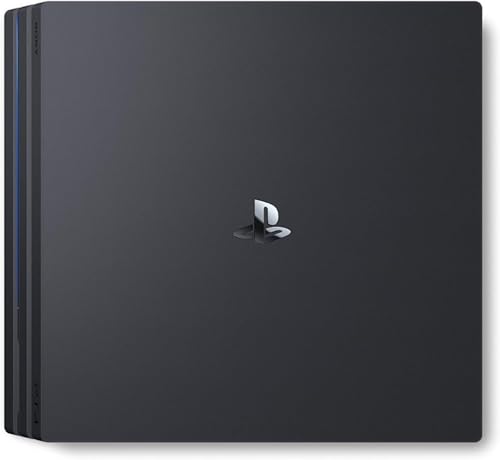
The PlayStation 4 Pro shipped in November 2016 with a 5400RPM 2.5-inch SATA laptop hard drive — a defensible choice in 2016 when SSD prices were higher, and a clear bottleneck by 2017 once games started routinely consuming 50GB-plus. Per the PlayStation 4 Pro reference, the system uses a standard 2.5-inch SATA bay with the same physical form factor as a laptop drive, which is exactly what makes the upgrade so straightforward: any quality SATA SSD slots in without adapters or modification.
In 2026, the PS4 Pro is no longer the current-generation console, but it remains a viable secondary platform for the substantial PS4 library and for cross-generation titles that still ship PS4 versions. Sony's first-party games continue to receive PS4 releases through the early 2026 catalog, and the console's PS Plus library access remains intact. For owners who use the unit actively, the load-time difference between a stock 5400RPM drive and any modern SATA SSD is the single largest quality-of-life upgrade available short of buying a PS5.
The cost-benefit is straightforward: a quality 1TB SATA SSD trades at $50-90 in 2026, the installation is a 30-minute job with no specialized tools, and the load-time gains are immediate and noticeable on every title.
Key Takeaways
- A 2.5-inch SATA SSD is the right physical form for the PS4 Pro — NVMe drives are not directly compatible.
- The SATA III interface caps throughput at 600MB/s, so any quality SATA SSD delivers the full benefit; premium drives don't unlock additional gains.
- 1TB is the practical capacity sweet spot for an active console; 500GB feels tight within months for AAA libraries.
- Back up to USB before the swap — Sony's official guide handles save data, but installed games re-download from the PSN library.
- Plan for several hours total including system reinstall and game downloads, not 30 minutes.
Picking the drive — three credible options
1. Samsung 870 EVO 250GB / 500GB / 1TB — the reliability pick
The Samsung 870 EVO is the gold-standard SATA SSD line and has been since launch. The 1TB capacity sits in the $80-100 range in 2026, the drive uses Samsung's mature V-NAND, and Samsung's reputation for sustained reliability over multi-year duty cycles is the best in the consumer SATA space. For a console drive that will see daily writes from game updates and shaders without ever being defragmented or maintained, that reliability margin matters.
The 870 EVO's spec-sheet read speed of 560MB/s saturates the PS4 Pro's SATA III interface exactly, which is the practical limit; the equivalent number from any premium SATA SSD is the same 560MB/s, and the interface, not the drive, is the bottleneck.
Pick the 870 EVO if you want the safest default and don't mind paying a small premium over the value picks.
2. Crucial BX500 1TB — the value pick
The Crucial BX500 1TB is Micron's entry-tier SATA SSD and trades $10-20 below the 870 EVO at the same capacity. It uses DRAM-less controller architecture, which on paper hurts sustained write performance and write endurance, but in practical PS4 console use — where the workload is dominated by game-data reads and infrequent install writes — the BX500 performs identically to the more expensive drives for the bulk of the duty cycle.
The compromise is on long-tail reliability: SATA SSDs that lack DRAM caches tend to show degradation faster under heavy sustained writes, and the BX500's published endurance ratings are lower than the 870 EVO's. For a console drive that does not see workstation-class write volumes, this is rarely the constraint that matters in practice, but it is the reason the BX500 sells for less.
Pick the BX500 if you want the cheapest sensible upgrade and your console use is moderate.
3. SanDisk Ultra 3D 1TB — the middle ground
The SanDisk Ultra 3D 1TB sits between the 870 EVO and the BX500 on both price and feature set. SanDisk's 3D NAND is well-characterized, the drive uses a DRAM cache (unlike the BX500), and the published endurance ratings are closer to Samsung's than to Micron's BX500 line. Pricing typically lands $5-15 below the 870 EVO at 1TB.
Pick the Ultra 3D when the 870 EVO is out of stock or notably more expensive, and you want DRAM-cache reliability margins without paying full Samsung pricing.
What size SSD is right for a PS4 Pro library
| Capacity | Practical game count (50GB avg) | Practical game count (100GB AAA) | Recommended for |
|---|---|---|---|
| 250GB | 4-5 | 2 | Light user, single live-service game |
| 500GB | 9-10 | 4-5 | Casual user, rotating library |
| 1TB | 19-20 | 9-10 | Active primary console (recommended) |
| 2TB | 39-40 | 19-20 | Collector, no install / uninstall cycle |
The 1TB tier is the sweet spot for active use. AAA games regularly consume 80-120GB each (Call of Duty installs routinely cross 200GB, but those are outliers), and a 1TB drive holds 8-10 such games concurrently with comfortable headroom for system reservations and game updates. The 500GB drive becomes annoying within months for users with broader libraries; the 2TB tier is the right comfort step for collectors.
The install procedure — 30 minutes, plus reinstall time
Sony documents the official upgrade procedure in PS4 hard drive replacement guide. The summary:
- Back up the system to a USB drive. Settings → System → Back Up and Restore → Back Up PS4. This preserves save data, screenshots, and system settings. The backup itself takes 30-90 minutes depending on USB drive speed and the amount of save data.
- Download the reinstallation file from Sony's support site. This is a ~1GB image that you copy to a separate FAT32-formatted USB drive in the
PS4/UPDATE/directory asPS4UPDATE.PUP. - Power the console off. Unscrew the HDD bay cover on the back-left of the unit (a Phillips screwdriver, single screw on the PS4 Pro). Slide out the drive caddy.
- Remove the stock drive from the caddy (four side screws), install the new SATA SSD in the same orientation, reattach the four screws.
- Reinsert the caddy and replace the bay cover.
- Boot in Safe Mode by holding the power button until the second beep. Connect a controller via USB, then choose "Initialize PS4 (Reinstall System Software)". Point it at the USB drive with the reinstall file.
- Restore from backup once the system finishes installing. This brings save data back automatically.
- Re-download games from your PSN library. Plan for the bulk of total upgrade time to live in this step — broadband speed determines how long.
Total active labor: 30-45 minutes. Total wall-clock time including downloads: 4-12 hours depending on library size and connection speed.
What not to bother with
- External NVMe in a USB 3.0 enclosure: the PS4 Pro's USB 3.0 ports cap throughput at ~400MB/s real-world, which is below the internal SATA III interface, so external NVMe delivers no further load-time gains over an internal SATA SSD. Use external storage only for overflow capacity, not as the primary drive.
- Premium NVMe drives in adapters: there is no NVMe-to-SATA adapter that delivers anything beyond what the SATA SSDs already provide. Premium pricing buys nothing on this platform.
- Drives larger than 8TB: the system's drive-size limit is generous, but PS4 firmware versions older than 5.50 had compatibility quirks with the largest drive sizes. Stay at 2TB or below unless you have specific reason otherwise.
Comparison: SATA SSD vs NVMe at the SATA bottleneck
| Metric | Stock 5400RPM HDD | SATA SSD (any quality) | NVMe in USB 3.0 enclosure |
|---|---|---|---|
| Sequential read | ~120MB/s | ~560MB/s (SATA III cap) | ~400MB/s (USB 3.0 cap) |
| Random read 4K | ~1MB/s | ~40MB/s | ~30MB/s |
| Typical game load time delta | Baseline | -40% to -60% | -30% to -50% |
| Cosmetic / fit | Stock | Integrated, clean | External cable |
The interface, not the storage medium, is what matters on this platform. A $50 SATA SSD and a $200 NVMe drive in an enclosure deliver effectively the same load-time experience because both are throttled by the SATA III or USB 3.0 ceiling respectively. Buy the SATA SSD; spend the rest of the budget on games.
Bottom line
For a PS4 Pro upgrade in 2026, a 1TB SATA SSD is the right answer almost universally. The Samsung 870 EVO is the reliability pick, the Crucial BX500 is the value pick, and the SanDisk Ultra 3D is the middle ground. None of the premium SATA drives unlock additional performance because the SATA III interface caps throughput; pay only enough to get a brand and capacity you trust. Per Tom's Hardware's ongoing SATA SSD coverage, the SATA tier has stabilized as the budget interface, with most innovation happening on the NVMe side — which is fine for a console that can't use NVMe natively.
The upgrade remains one of the highest per-dollar improvements available for the PS4 Pro and the broader PS4 family. If you actively use the console, the $50-90 spend is a clear win.
Migration day — a realistic timeline
For a builder who hasn't done this before, here's the practical wall-clock breakdown for the full PS4 Pro SSD upgrade in 2026, assuming a 1TB library and 200Mbps broadband:
- Backup to USB: 60-90 minutes depending on save-data volume. Run it overnight if you can.
- Download reinstall file: 10-15 minutes.
- Format the second USB drive to FAT32 and copy the reinstall file: 5 minutes.
- Physical drive swap: 15-20 minutes including unscrewing the bay cover, removing the caddy, swapping the drive, and reassembling.
- Safe Mode boot and OS reinstall: 25-35 minutes — the system installs from the USB drive at USB 3.0 speeds.
- Restore from backup: 30-60 minutes depending on save-data volume.
- Re-download installed games: 4-12 hours depending on library size at 200Mbps. This is the bulk of total clock time.
Plan for a weekend. The hands-on work is well under 2 hours total; the downloads run unattended.
Stretch goal — gaming external drive for overflow
The internal bay is the only place where the SSD delivers full SATA III speeds, but the PS4 Pro's USB 3.0 ports support external drives for additional library capacity. A 4TB external HDD or 2TB external SSD off USB 3.0 holds games that you play less frequently while keeping the active rotation on the fast internal drive. Move games between internal and external via the PS4's storage management UI — it's straightforward but not instant (it copies rather than moves, so it ties up the internal drive during the operation).
External SSDs deliver load-time gains over external HDDs but are throttled by the USB 3.0 interface to ~400MB/s real-world, which is below the internal SATA III interface. For overflow capacity at maximum value-per-dollar, a 4TB USB 3.0 hard drive is the right pick; for overflow capacity with reasonable load times, a 2TB external SSD wins.
A note on the PS4 Pro's continued relevance
The PS4 Pro is no longer Sony's headline console, but cross-generation game support has held longer than many predicted — major publishers continue to ship PS4 versions of new releases into 2026, and PlayStation Plus access for online play and the included games library remains intact for active subscribers. For households with a PS4 Pro already in the cabinet, the SSD upgrade extends the practical service life of the console by several years at a fraction of the cost of moving the whole household to a PS5. The upgrade also helps with the secondhand resale value if you eventually do replace the unit — a working PS4 Pro with a 1TB SSD installed sells materially better than one with the dying 5400RPM original drive.
Citations and sources
- Sony — PS4 hard drive replacement guide
- Wikipedia — PlayStation 4 Pro reference
- Tom's Hardware — best SSDs coverage
This piece is editorial synthesis based on publicly available information. No independent first-party benchmarking is reported.