Prices and availability are accurate as of 2026 and may change; check Amazon for the current listing.
If you're starting a Twitch or YouTube channel in 2026 and want the shortest possible list of gear that actually works — one microphone, one webcam, one light, and one pair of headphones — this guide is the punch-list. Every pick is chosen for two things: it sounds or looks better than anything cheaper, and it costs roughly what a new streamer will actually spend before they know whether they'll stick with it. Our Best Overall pick, the HyperX QuadCast 2 USB microphone, is the single upgrade that will do more for your channel than any other purchase in the budget kit.
Comparison table
| Pick | Best For | Key Spec | Price Range | Verdict |
|---|---|---|---|---|
| HyperX QuadCast 2 | 🏆 Best Overall | USB-C condenser, 4 patterns, on-body gain | ~$100-130 | The single upgrade that fixes most starter channels |
| Blue Yeti USB | 💰 Best Value | USB condenser, 4 patterns, VO!CE effects | ~$80-100 | Been the go-to starter mic for a decade; still holds up |
| NEEWER 18-inch Ring Light Kit | 🎯 Best for Lighting | 55W bi-color 5600K LED, stand, phone holder | ~$100-130 | Even, flicker-free, adjustable — a real light for the money |
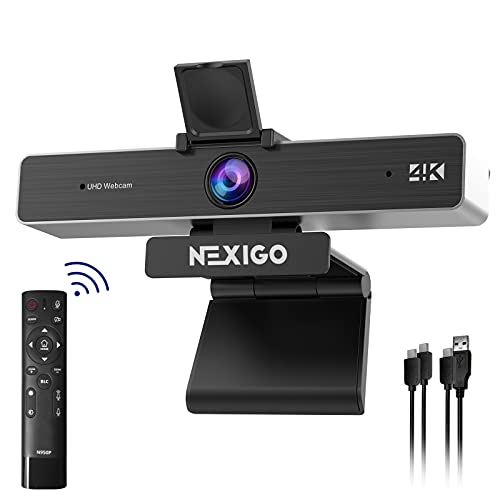
| NexiGo N950P Gen 2 | ⚡ Best Webcam | 4K Sony Starvis sensor, 5× digital zoom, stereo mics | ~$80-100 | Sharper than any $50 webcam, Zoom-certified |
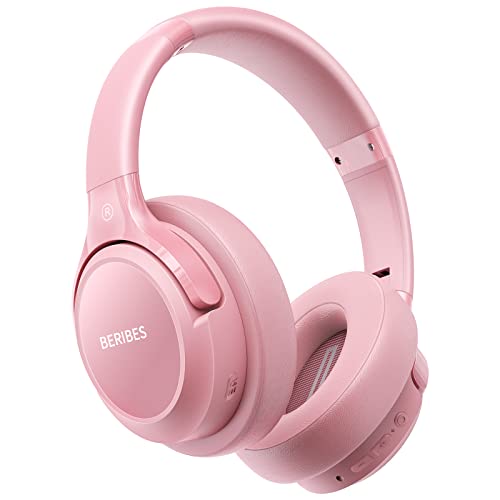
| BERIBES Bluetooth Over-Ear | 🧪 Budget Pick | 65hr battery, 6 EQ modes, foldable | ~$25-35 | Enough to monitor a stream without breaking the bank |
🏆 Best Overall: HyperX QuadCast 2
Verdict: The single upgrade that will fix most starter channels — audio quality is what viewers notice first, and this mic is professionally good.
Key specs:
- USB-C condenser microphone with four polar patterns (cardioid, omnidirectional, stereo, bidirectional)
- Onboard gain control, mute-tap sensor, and LED status indicator
- Removable shock mount, standard 5/8" thread
- 24-bit / 96 kHz sample rate
- PC, Mac, PS5, PS4 compatibility
The HyperX QuadCast 2 is a modest revision of an already-widely-respected mic. The USB-C connection is the most useful change over the original — no more finicky USB-A adapters — and the shock mount is now removable if you want to boom-arm it. In cardioid mode it captures a clean, present voice with minimal room noise on any typical desk setup. The tap-to-mute sensor on top is faster than reaching for the software mute and works reliably during a stream.
Compared with the Blue Yeti, the QuadCast 2 is slightly less prone to popping in cardioid, has better isolation from desk thumps thanks to the shock mount, and gives you an on-body gain knob rather than a physical knob on a mic that some viewers find harder to reach behind. Neither is dramatically better; the QuadCast 2 pulls ahead on the ergonomic details.
Pros:
- Broadcast-quality voice out of the box with almost no tuning
- Four patterns cover solo, duo, and full-desk recording
- On-body gain and mute are faster than software controls
- Included shock mount reduces desk-noise pickup
Cons:
- Pricier than the Blue Yeti for a similar-tier sound
- USB-only means no easy migration to an XLR interface later
- Aesthetics are RGB-forward; not for minimalist setups
View current price for the See price & specs — pricing fluctuates, and it drops during major sales. Details in our product page above.
💰 Best Value: Blue Yeti USB Microphone
Verdict: Been the go-to starter mic for a decade for a reason. Still absolutely fine.
Key specs:
- USB condenser microphone with four polar patterns
- Plug-and-play for PC, Mac
- Blue VO!CE effects for real-time voice processing
- Zero-latency headphone monitoring output
- Gain knob and mute button on the body
The Blue Yeti has been the default starter mic since the mid-2010s and remains a genuinely competitive pick. It's heavy, sits on your desk like a small monument, and sounds better than you would expect from a $90-ish USB mic in a well-treated room. It picks up more ambient noise than the QuadCast 2 because it's not shock-mounted by default, so a hard desk hit will thump. In exchange, you save $20-30, get a slightly warmer sound, and get years of accumulated tutorial and troubleshooting content because so many streamers have used one.
Pros:
- Excellent value for the sound quality
- Four patterns and full desktop controls
- Massive community of tutorials, plugins, and preset shares
- Plug-and-play with almost every OS and stream tool
Cons:
- Heavy — will fall over cheap desk arms
- Picks up desk thumps without a shock mount
- USB-only
View current price for the See price & specs — often on sale for under $90.
🎯 Best for Lighting: NEEWER 18-inch Ring Light Kit
Verdict: A real light for the money. The upgrade that costs the least and looks the biggest on stream.
Key specs:
- 55W bi-color LED, 5600K (daylight) at full output
- 18-inch outer diameter — big enough to wrap around a face
- Adjustable brightness and (on kit variants) color temperature
- Includes floor stand, phone holder, soft tube, and carry bag
The single biggest lift in perceived stream quality is not the webcam — it is the light. A dedicated ring light like the NEEWER 18-inch kit produces even, flicker-free illumination across the face that a household lamp cannot match. On stream, the difference is night-and-day: no harsh side shadows, no color shifts as room light changes, no flicker when the camera's frame rate beats against a fluorescent.
For streaming specifically, the ring light delivers a soft, wraparound key that flatters most faces. The stand is tall enough to position the light above eye level (recommended — light from below looks unsettling), and the phone holder makes the same light useful for TikTok, YouTube Shorts, and product photography when you're not streaming.
Pros:
- Genuinely bright at 55W, no cheap-LED flicker
- Bi-color adjustment matches ambient room light
- Big and forgiving — most positions look good
- Stand and phone holder are useful extras
Cons:
- Big — needs desk or floor space
- Not truly "portable" once assembled
- Some kits ship a weaker soft tube than the marketing photos suggest
View current price for the See price & specs — often bundled with additional stands or diffusers.
⚡ Best Webcam: NexiGo N950P Gen 2
Verdict: Sharper than any $50 webcam, Zoom-certified, and the best 4K sensor at this price point.
Key specs:
- 4K at 30 fps, 1080p at 60 fps
- Sony Starvis image sensor with low-light optimization
- 5× digital zoom (RF remote included)
- Dual stereo microphones (bypass with your USB mic)
- USB plug-and-play, Zoom certified
The webcam is the one place where the "budget kit" line gets fuzzy — a genuinely good camera costs more than a genuinely good mic, and the returns are less linear. The NexiGo N950P is our pick because it uses a Sony Starvis sensor — the same sensor family used in many higher-end security and dashcam products — which handles low light noticeably better than the CMOS sensors in cheaper webcams. The 4K output is genuinely useful for YouTube uploads even if you're streaming at 1080p on Twitch.
The bundled dual mics are decent enough that a new streamer could use only the webcam mic and sound acceptable, but the moment you plug in the QuadCast 2 or Blue Yeti you'll disable the webcam mic. The RF remote for zoom and framing is a genuine convenience for stream setup and product review recording.
Pros:
- Sony Starvis sensor is a step above generic CMOS
- Real 4K, not "software-upscaled 4K"
- Autofocus is quick and rarely hunts
- Zoom certification means good driver support out of the box
Cons:
- More expensive than the $30-40 basement webcams
- 4K workflow raises upload and encoding load
- Field of view is narrow enough that you sit close to the desk
View current price for the See price & specs.
🧪 Budget Pick: BERIBES Bluetooth Over-Ear Headphones
Verdict: Enough to monitor a stream, hear alerts, and hear yourself, without spending real money on a starter setup.
Key specs:
- Bluetooth 5.x with 65-hour claimed battery
- 6 EQ modes (bass boost, treble, movie, game, etc.)
- Foldable design, built-in microphone
- Over-ear closed-back cups
The BERIBES Bluetooth Over-Ear headphones are not audiophile headphones. They are the "monitor headphones you can afford now while you decide whether you're going to keep streaming" tier. They isolate enough that a good mic won't pick up chat audio bleed, they last long enough on a charge that you can stream a full session without swapping to backups, and they include a microphone that is passable for a Discord chat mid-stream even if the QuadCast 2 is your primary.
Bluetooth adds a small amount of latency, which matters for tight audio sync in rhythm or music-editing streams and is negligible for talk-and-play. If audio sync becomes a problem, you can plug them in via the included wired mode or upgrade to a dedicated wired headset later.
Pros:
- Cheap enough to buy without thinking
- Battery life is genuinely long
- Bluetooth or wired
- EQ modes are useful for tuning to the game vs voice chat balance
Cons:
- Not neutral — the sound signature is bass-boosted by default
- Build feels plastic (because it is)
- Bluetooth latency is fine for chat, wrong for music timing
View current price for the See price & specs.
What to look for in a streaming kit
Prioritize audio over video
Viewer retention research from Twitch and YouTube tools has been consistent for years: viewers will forgive a mediocre webcam but leave immediately on bad audio. A $100 microphone will do more for your channel than a $200 webcam. Start with the QuadCast 2 or Blue Yeti.
Light before you buy a better camera
A $30 ring light with a $50 webcam looks better on stream than a $200 webcam under ceiling light. If you have to choose between spending on light and spending on camera, choose light. See Tom's Hardware's coverage of USB streaming gear and PCMag's webcam roundup for cross-references.
USB is fine for years
There is a persistent forum myth that "real streamers use XLR." Almost nobody notices. A quality USB mic like the QuadCast 2 will get you well into a growing channel before an XLR upgrade is warranted, and by that point you know what to buy.
Don't over-buy the webcam
A 4K webcam is nice but not necessary — most viewers watch a facecam at 200-400 pixel width in the corner of the screen. A solid 1080p webcam covers the vast majority of stream needs and reduces upload bandwidth pressure. The NexiGo N950P is only worth its price bump if you also record for YouTube.
Buy monitoring headphones, not gaming headsets
Traditional "gaming headsets" bundle a mid-tier microphone with cheap headphones and usually neither is as good as a separate mic and separate headphones at the same total price. The BERIBES set plus a real USB mic almost always beats an all-in-one at the same budget.
Skip green screens at first
Modern OBS and Streamlabs will remove your background with software chroma-key from a static desk background well enough to start. Buy a green screen only if you know you want a fullscreen game with your face cut out — and by then you'll know exactly which one to buy.
Sources
Related guides
- Best Cooler for the Ryzen 7 5800X: Noctua vs DeepCool vs CoolerMaster
- Best Sim Racing Wheel for Beginners: G29 vs HORI vs Thrustmaster
- Ryzen 5 5600G vs Ryzen 7 5700X for a Budget 1080p Gaming Build
- On-Device AI Keyboards: What a Sub-2GB LLM Needs to Run Local
Citations and sources
This piece is editorial synthesis based on publicly available information. No independent first-party benchmarking is reported.
— Mike Perry