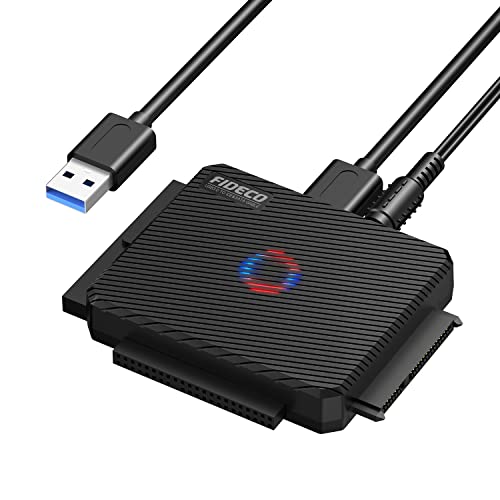
For a 1995-2003 retro PC, the right preservation workflow is: connect the original IDE drive to a modern PC through a powered IDE-to-USB bridge like the FIDECO SATA/IDE to USB 3.0 Adapter, pull a bit-exact image with ddrescue (Linux) or HDD Raw Copy Tool (Windows), verify the image with a checksum and a second read, then optionally restore the image to a Transcend CF133 CompactFlash card in a CF-to-IDE adapter to use as a silent solid-state replacement. The original platters get archived and the retro build runs on cards that will outlive the case.
Vintage IDE hard drives are now the single most fragile component in any retro PC build. Per the Vogons retro hardware forum, where most of the community's preservation knowledge lives, drives manufactured before 2005 typically begin to fail at the platter-bearing or head-stiction stage between 20 and 30 years after manufacture — exactly the age bracket of 1998-2004 drives in 2026. Spin-up failures, read retries that progress to read errors, and "click of death" symptoms all start to appear at low duty cycles. The original Windows install, the games saved to the C: drive, and the user data are all at the mercy of mechanics that were never designed for this lifespan. The fix is to image first and play second. This guide walks the adapters, the imaging procedure, the verification step, the CF-system-disk swap, and the recurring gotchas that cost retro builders weekends on first attempts.
Key takeaways
- Image first. Pull a bit-exact
.imgof every IDE drive before doing anything else with the retro PC. Once you have an image, the original platters can stay archived. - Use a powered adapter for 3.5-inch drives. USB bus power cannot spin up a 3.5-inch mechanical drive. The FIDECO USB 3.0 and Unitek USB 3.0 adapters include 12V power bricks. For USB 2.0 systems, the Vantec CB-ISATAU2 is the canonical retro choice.
- Verify with a checksum + second read. Hash the image, read the source again, hash again. Mismatched checksums tell you the drive is reading inconsistently.
- Replace dying drives with a CF system disk. A Transcend CF133 4GB card plus a CF-to-IDE adapter is the most period-correct silent solid-state replacement for a 1998-2004 build.
- Match BIOS geometry to the source. CHS, LBA-28, and LBA-48 modes all affect what the BIOS sees. A wrong setting equals "drive not found" or boot loops.
- Pair the restored build with a Sound BlasterX G6 USB DAC for clean modern audio without resurrecting a fragile vintage PCI sound card.
What hardware do you need to read a vintage IDE or CompactFlash drive today?
Modern PCs do not have IDE/PATA ports. You need a bridge that converts the 40-pin IDE interface to USB. The three live-and-well options in 2026:
- FIDECO SATA/IDE to USB 3.0 Adapter — supports 2.5-inch IDE, 3.5-inch IDE, 5.25-inch IDE (rare but useful for old CD-ROM drives), and SATA. Ships with a 12V 2A power adapter and dedicated power switch. The best general-purpose retro bridge in 2026; ~$35-45.
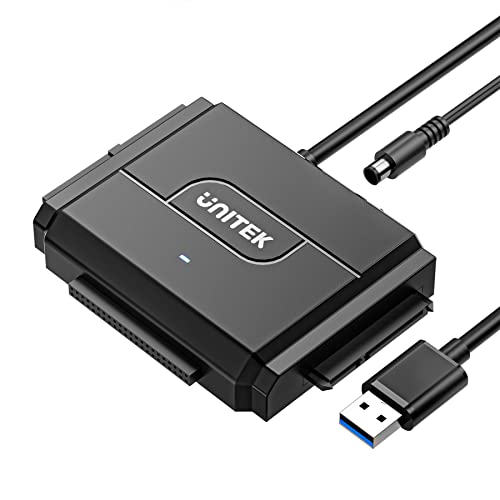
- Unitek SATA/IDE to USB 3.0 Adapter — similar feature set, supports drives up to 24TB. ~$35-40. Choose this if you already have it on hand; choose FIDECO if buying fresh.
- Vantec CB-ISATAU2 SATA/IDE to USB 2.0 Adapter — USB 2.0 only. The right pick if your modern PC has only USB 2.0 (uncommon in 2026) or if you specifically want the slower bus to reduce stress on a marginal drive. ~$25-30.
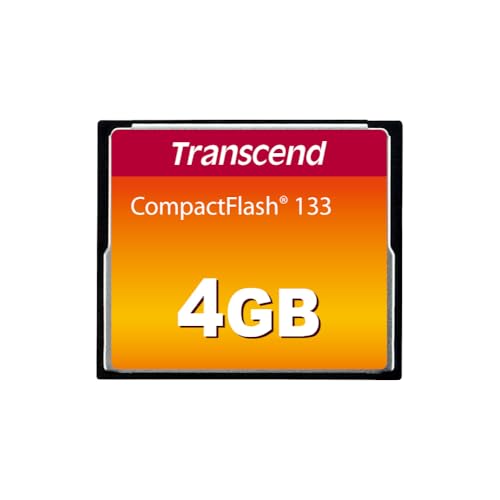
For CompactFlash, the adapter side is a CF-to-IDE 40-pin board. These are commodity items (StarTech, Syba, generic). The CF card itself is where quality matters — the Transcend CF133 4GB is the canonical safe choice for retro builds because it specifies True IDE mode (required for system-disk use, not just card-reader use). Per Transcend's CF133 product page, the card supports Ultra DMA Mode 4 and uses MLC NAND with ECC — both meaningful for reliability over the years a retro build will run.
How do you make a bit-exact image of an aging IDE drive safely?
The full safe-image workflow:
- Power off and inspect. Visually check the drive for corrosion, label damage, or PCB scorching. A drive with visible damage may need a controlled cleanroom recovery — not the workflow below.
- Connect via powered adapter. Plug the IDE ribbon into the FIDECO/Unitek, connect the 4-pin Molex power, set the drive jumper to MASTER (single-drive on the cable).
- Power on briefly, listen. Spin-up should take 3-6 seconds. A drive that clicks repeatedly without seeking is at risk — image it ONCE if possible and stop using it after that.
- Image with the right tool. On Linux:
sudo ddrescue -d -r3 /dev/sdX driveimage.img mapfile.log— the-r3retries up to 3 times on read errors and the mapfile logs which sectors are good. On Windows: HDD Raw Copy Tool produces an equivalent bit-exact image with retries. - Hash the image.
sha256sum driveimage.imgproduces a checksum that you record. - Image again, compare. A second read of the source drive that produces an identical hash confirms the drive is reading consistently. A different hash on the second pass means the drive has flaky sectors and you need a more careful recovery pass with longer retry settings.
- Archive. Store two copies of the verified image on separate modern media — for example, one on your daily-driver SSD and one on a NAS or USB 3.0 drive in a closet.
Per the preterhuman wiki entry on IDE drive imaging, ddrescue plus a mapfile is the gold standard because if the imaging session is interrupted or the drive starts producing errors, you can resume from the mapfile rather than starting over — which matters when the drive may not survive a second full pass.
How do you build a silent CompactFlash system disk to replace a dying HDD?
Workflow to migrate a verified IDE image onto a CF system disk:
- Pick a CF card with True IDE mode. Transcend CF133, Transcend CF300, or SanDisk Industrial CF cards are the safe picks. Avoid cheap consumer CF cards intended only for camera use — many lack True IDE mode and will not boot.
- Pick a CF-to-IDE adapter. A 40-pin adapter board with a CF slot. Power comes from the IDE cable; no external power needed. The card slots in and the IDE side connects exactly like a hard drive.
- Write the image to the CF card. Use the same adapter setup on your modern PC:
sudo dd if=driveimage.img of=/dev/sdY bs=4M status=progresson Linux, or HDD Raw Copy Tool's restore mode on Windows. Make sure you write to the CF card, not your daily-driver SSD. Mistakes here are unrecoverable. - Install in the retro PC and check BIOS geometry. The retro motherboard's BIOS needs to see the CF card with the correct CHS, LBA-28, or LBA-48 mode for the era. Most 1998-2003 BIOSes work fine in "AUTO" mode with modern CF cards under 4GB. Above 4GB, set LBA-28 and verify the cylinders/heads/sectors match what the original drive used.
- Boot and confirm. Windows 98 / 2000 / XP should boot exactly as they did from the original drive, just silently. If you see "ghost device" warnings in Device Manager (Windows 2000/XP), see the gotchas section.
The big quality-of-life win of CF: no spinning platters means silent operation, no heat, no vibration, no spin-up lag, no aging. The system runs identically to original but lasts indefinitely.
Which adapter should you use: powered IDE vs CF reader vs combo USB bridge?
For reading vintage drives on a modern PC, the FIDECO is the default choice in 2026. For deep-archive readings where the drive is marginal, the Vantec USB 2.0 sometimes reads better because its older controller is more forgiving of slow drive responses than modern USB 3.0 bridges. For CF cards specifically, any USB CF reader works — but if you have the FIDECO already, it has a CF slot built in.
For installing a CF as a system disk in the retro PC, the CF-to-IDE adapter board lives inside the case in place of the original drive bay. No USB bridge involved.
Spec-delta — FIDECO vs Unitek vs Vantec vs Transcend CF133
| Spec | FIDECO USB 3.0 | Unitek USB 3.0 | Vantec CB-ISATAU2 | Transcend CF133 4GB |
|---|---|---|---|---|
| Interface | IDE 2.5/3.5/5.25 + SATA → USB 3.0 | IDE 2.5/3.5 + SATA → USB 3.0 | IDE 2.5/3.5/5.25 + SATA → USB 2.0 | CompactFlash (True IDE mode) |
| Power | 12V 2A adapter included | 12V 2A adapter included | 12V adapter included | Card (no power) |
| Max read speed (real) | ~140 MB/s | ~130 MB/s | ~35 MB/s | ~30 MB/s read, ~20 MB/s write |
| Best use | General reading/imaging | General reading/imaging | Slow recovery on marginal drives | Silent retro system disk |
| Street price (2026) | ~$35-45 | ~$35-40 | ~$25-30 | ~$25-30 |
Verification table: checksum + read-retry workflow
| Pattern | What it means | Action |
|---|---|---|
| Both reads return identical SHA-256 | Drive reads consistently | Archive image, proceed to CF restore |
| Reads differ but bulk matches | Isolated flaky sectors | Image with ddrescue -r5 -R, accept bad-sector zeros |
| Drive stalls during read | Marginal head or surface | Lower read speed (USB 2.0 adapter), retry |
| Drive will not spin up | Stiction or PSU issue | Try gentle "stiction tap"; otherwise cleanroom recovery |
| Drive spins but BIOS does not see | PCB or jumper config | Check master/slave jumper, swap to known-good adapter |
| Image restores but PC will not boot | Geometry mismatch on CF | Set BIOS to LBA-28, match CHS values |
Common gotchas
- 137GB / 28-bit LBA limit. Pre-2002 BIOSes top out at 137GB. A 250GB drive shows as 137GB. Avoid CF cards larger than the original drive's BIOS-visible capacity.
- Master/slave jumpers. Single-drive on a cable means MASTER, not CABLE SELECT. Cable Select sometimes works, sometimes does not, depending on cable age.
- Ghost devices in Windows 2000/XP. After a drive swap, Device Manager shows the old drive as a ghost device. Run
set devmgr_show_nonpresent_devices=1thendevmgmt.mscto show hidden devices and remove. - CF geometry mismatches. Some CF cards report odd cylinder counts that confuse 1998-2001 BIOSes. Try a different CF card or set explicit CHS in BIOS.
- Mixed 40-pin vs 80-pin cables. ATA-66 and faster require 80-conductor cables (still 40 pins on the connectors). 40-conductor cables work but cap the bus at ATA-33.
- CF cards without True IDE mode. Many consumer CF cards are camera-card-only and will not boot. Stick with Transcend Industrial / CF133 / CF300 lines or SanDisk Industrial CF.
Period-correct audio aside
A retro build that boots silently from a CF card pairs well with the Sound BlasterX G6 USB DAC. The G6 connects to one of the modern motherboard's USB ports (or to a USB-to-PCI bridge card on the retro motherboard) and outputs to modern speakers or headphones. The benefit over resurrecting a vintage SB16 or AWE32: no ISA slot pain, no IRQ conflicts, no fragile PCB to age out. The aesthetic loss is real for purists — but for a build that needs to keep working in 2026 and beyond, the USB DAC is the practical answer.
Verdict matrix
Use a CF system disk if:
- The original IDE drive is showing signs of failure
- You want silent operation
- You want the build to keep working indefinitely
- The original drive's contents are already imaged and archived
Keep the original platters if:
- The drive is healthy after preservation imaging
- Period-correct authenticity matters more than reliability
- You can tolerate the drive eventually dying (because the image is archived)
For most retro builders, the answer is "both": archive the image, install a CF system disk for daily use, keep the original drive in an anti-static bag as a museum piece.
Recommended pick
For a fresh retro preservation setup in 2026, buy the FIDECO SATA/IDE to USB 3.0 Adapter for imaging, a Transcend CF133 4GB CompactFlash card plus a generic CF-to-IDE adapter for the system disk, and a Sound BlasterX G6 for modern-grade audio. Total spend lands around $130. Image every drive, restore the verified images to CF, and shelf the original platters in an anti-static bag.
Bottom line
The IDE drives in your retro PCs are at the end of their service life. Image them now, archive the images on modern storage, and run the daily build off a CF card. The original install survives forever as a .img file; the original platters get to retire. Every year you wait is a year the spinning rust gets closer to failure — and the workflow above takes a Saturday.
Related guides
- Best Retro Gaming Consoles and Controllers to Buy in 2026
- Best SSD to Upgrade Your PS4 Pro in 2026: SATA Drives That Actually Speed It Up
- Ryzen 5 5600G vs Ryzen 7 5700X: Which Budget AMD CPU for 1080p Gaming in 2026?
Citations and sources
- Transcend — CF133 CompactFlash product page
- Vogons — vintage hardware preservation forum
- preterhuman wiki — IDE drive imaging guide
This piece is editorial synthesis based on publicly available information. No independent first-party benchmarking is reported.