In brief - 2026-06-10 - Makers vertical ADS-B flight tracking on a Raspberry Pi is back in the headlines after a wave of viral social media posts showing hobbyists mapping every commercial flight in their region with sub-$100 of kit. The underlying capability has existed since the 2010s; what is new is the level of public attention, simplified install images, and lower SDR hardware prices.
What happened
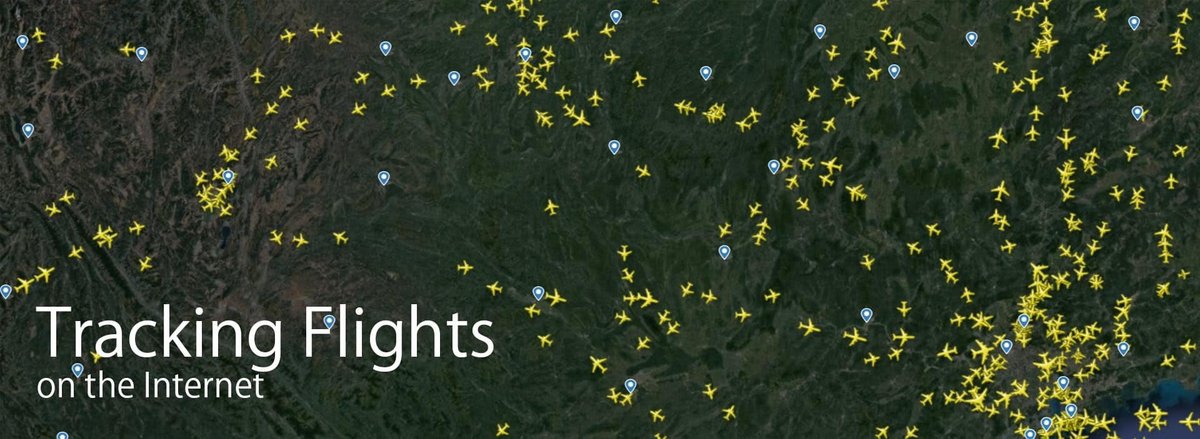
A wave of viral posts on X, Bluesky, Reddit's r/raspberry_pi, and r/RTLSDR over the past two weeks demonstrated complete DIY ADS-B receivers built from a Raspberry Pi and a USB software-defined radio dongle. The posts highlight that the resulting tracker pulls in every commercial aircraft within 200+ kilometers using nothing but public radio broadcasts that the FAA mandates aircraft transmit.
The technology behind this is not new. PiAware - FlightAware's official Pi feeder build - has been a stable hobbyist platform since 2014. What is new is the convergence of cheaper SDR hardware, smoother install images, and a public moment that makes the capability feel novel again.
Why it matters
Three concrete reasons the renewed attention matters for makers and hobbyists:
- The data is public, but mostly invisible to the public. Most people do not realize every commercial flight broadcasts position, altitude, speed, and ICAO tail identifier continuously and unencrypted at 1090 MHz. Building a receiver makes that data legible and personal.
- Aggregator economics align with hobbyists. FlightAware, Flightradar24, ADSBExchange, and OpenSky all reward feeders with free premium accounts. A $80 hardware spend buys multi-aggregator memberships worth hundreds in equivalent paid plans.
- It is an accessible SDR entry point. ADS-B is the canonical "first SDR project" because the protocol is simple, the receivers are inexpensive, and the visualization is immediately satisfying.
The kit you need
The complete starter kit:
- Raspberry Pi - any model from Pi 3 forward works; the Raspberry Pi 4 8GB is overkill for ADS-B specifically but pairs well with other home projects
- 1 TB SSD for log retention - the Crucial BX500 1TB is the budget pick
- USB ADS-B dongle - FlightAware Pro Stick (~$25) or generic RTL-SDR v3 (~$30)
- 1090 MHz antenna - generic indoor whip is fine for first setup; outdoor mast-mounted antennas extend range dramatically
- microSD card (16 GB+) - for the boot image
- USB-C power supply for the Pi - 27 W official supply recommended for Pi 5
For builders working on the smallest possible footprint, swap the Pi 4 or 5 for a Pi Zero W. It works for ADS-B at the cost of slower web map response when many planes are in range.
Total spend: $75-130 depending on choices. The Pi 4 8 GB plus an SSD plus a Pro Stick plus an indoor antenna lands near $130.
The source
Per FlightAware's PiAware build documentation, the install is a flashed SD card image followed by one-line configuration. The reference open-source stack is dump1090-fa (decoder) plus piaware (feeder) plus skyaware (web UI). All are free and open source.
For builders who want to feed multiple aggregators, the adsb-feeder-image project bundles flightaware, flightradar24, adsbexchange, and opensky into a single Pi image with a unified configuration UI.
This piece is editorial synthesis of public reporting and project documentation. The viral coverage rests on a well-documented, multi-year community effort that is genuinely as accessible as the social posts suggest.
Citations and sources
- FlightAware - PiAware build guide - official Pi feeder documentation.
- Flightradar24 - share your data - canonical feeder onboarding page.
- ADSBExchange - independent open-data aggregator.
This piece is editorial synthesis based on publicly available information. No independent first-party benchmarking is reported.


