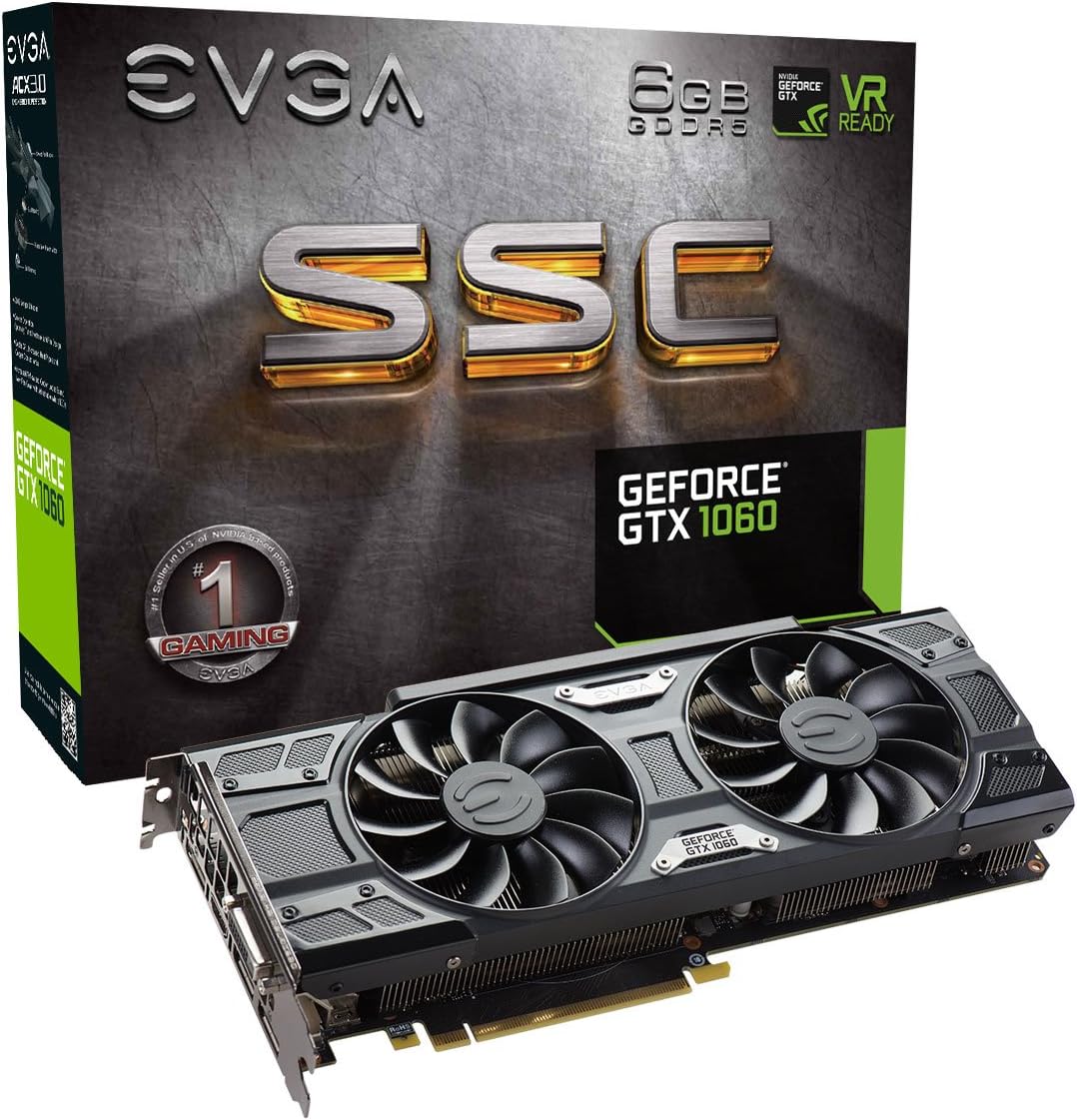
For smooth Forza Horizon 6 at 1080p and 1440p in 2026, the RTX 3060 12GB is the value sweet spot: it handles 1080p Ultra comfortably and reaches high settings at 1440p with upscaling enabled. Forza Horizon 6's strong optimization and the card's roomy 12GB frame buffer make it the GPU most players should buy for this game without overspending on a flagship.
What "smooth" means in Forza Horizon 6
Forza Horizon 6 arrived with the optimization reputation the series is known for, and that reputation shapes the whole GPU conversation. A well-optimized open-world racer means you do not need a top-tier card to have a great time — you need a card that holds a stable frame rate at your resolution without texture pop-in or traversal stutter as the world streams past at speed.
"Smooth" is not one number. At 1080p, smooth means a locked high frame rate — 60 FPS minimum, ideally well above it for high-refresh monitors. At 1440p, smooth means high settings holding a steady 60-plus with upscaling carrying the resolution, accepting that you might trim one or two settings for a locked experience. The RTX 3060 12GB hits both targets, which is why it anchors this guide.
The other half of smoothness is not the GPU at all — it is asset streaming. Forza Horizon 6's Advanced Shader Delivery and modern streaming reward fast storage and a capable CPU, so a great GPU on a slow drive can still stutter as you blast through a dense town. We cover that storage angle in a companion guide, because the GPU is necessary but not sufficient for a stutter-free drive.
Key takeaways
- The RTX 3060 12GB is the recommended pick for 1080p Ultra and high-settings 1440p with upscaling in Forza Horizon 6.
- 12GB of VRAM is the right call — high-resolution textures at 1440p fill an 8GB buffer faster than you would expect.
- Pair it with a strong multi-core CPU like the Ryzen 7 5700X or 5800X to feed the GPU and handle physics, traffic, and streaming.
- Fast storage matters for stutter, not FPS — Advanced Shader Delivery rewards an SSD, so do not pair a great GPU with a slow drive.
- Step up only for high-refresh 1440p or 4K; for most players the 3060 12GB is the smarter spend.
What frame rate does the RTX 3060 12GB hit at 1080p Ultra?
Thanks to Forza Horizon 6's optimization, the RTX 3060 12GB is a confident 1080p Ultra card. Open-world racers are demanding in bursts — dense towns, weather, and crowded events spike GPU load — but the 3060 has the headroom to hold a smooth experience at maxed 1080p settings.
| Resolution | Settings | RTX 3060 12GB experience |
|---|---|---|
| 1080p | Ultra, native | Smooth 60+ FPS, comfortable headroom |
| 1080p | High, native | High-refresh territory for fast-paced play |
| 1440p | High + upscaling | Steady 60+ FPS, the resolution's sweet spot |
| 1440p | Ultra, native | Playable; trim a setting or two for a lock |
Exact figures vary with scene density, weather, and your CPU, and we always defer to measured benchmarks from primary sources like Forza's official channels and reviewer testing. But the shape is clear: 1080p is a solved problem for this card, leaving the interesting decisions at 1440p.
How does it scale to 1440p, and where does the 12GB help?
Stepping up to 1440p is where the 3060's 12GB frame buffer earns its keep. Forza Horizon 6's high-resolution textures and long draw distances fill VRAM, and an 8GB card can run short on memory at 1440p with high textures — the failure mode being texture pop-in and stutter as the game scrambles to stream assets. The 3060's 12GB gives useful headroom that 8GB cards lack.
| Aspect | 8GB card at 1440p | RTX 3060 12GB at 1440p |
|---|---|---|
| Texture headroom | Tight; pop-in risk | Comfortable |
| Upscaling needed | Yes | Yes, holds high settings |
| Stutter on traversal | More likely if VRAM-bound | Reduced with 12GB buffer |
With upscaling enabled, the 3060 12GB targets high settings at 1440p and holds a steady frame rate for most players. For locked high-refresh 1440p you may lower a setting or two, but the card handles the resolution well — and the 12GB buffer is exactly why we recommend it over cheaper 8GB options for anyone eyeing 1440p now or later. NVIDIA's RTX 3060 page documents the card's memory configuration.
Do you need Advanced Shader Delivery and fast storage to avoid stutter?
Yes — for stutter, not for raw frame rate. Forza Horizon 6's Advanced Shader Delivery and asset streaming lean on storage speed to feed the GPU as the world rushes by. Pair the 3060 12GB with a slow mechanical drive and you will feel traversal hitches and long loads even though the average FPS looks fine. Pair it with a quality SSD and the experience smooths out, with dramatically shorter loads. We break down the SATA-versus-NVMe question for this exact title in our Samsung 870 EVO vs WD Blue SN550 for Forza Horizon 6 and Advanced Shader Delivery load-times guides.
What CPU should pair with the GPU?
Open-world racers benefit from a strong multi-core CPU to handle physics, traffic, and asset streaming alongside the GPU's rendering work. Skimp here and the GPU sits idle waiting for frames — a CPU bottleneck that shows up as inconsistent frame pacing, especially at 1080p where the GPU has spare capacity.
The featured Ryzen 7 5700X and Ryzen 7 5800X both pair well with an RTX 3060 12GB, keeping the GPU fed at 1080p and 1440p without bottlenecking. Both are 8-core, 16-thread chips with headroom left over for streaming software and background apps, making them sensible mid-range partners for this class of card. Either one drops into an affordable AM4 platform that keeps the whole build's cost in check.
Spec-delta across the candidate hardware
| Component | Role | Key spec | Why it fits Forza Horizon 6 |
|---|---|---|---|
| MSI RTX 3060 12GB | GPU | 12GB GDDR6, ~170W | 1080p Ultra / 1440p high with upscaling |
| Ryzen 7 5700X | CPU (value) | 8C/16T, 65W | Feeds the GPU, low power |
| Ryzen 7 5800X | CPU (headroom) | 8C/16T, 105W | Extra single-thread for streaming |
| Quality SSD | Storage | SATA or NVMe | Cuts loads, smooths traversal stutter |
Perf-per-dollar and perf-per-watt
The RTX 3060 12GB's appeal is efficiency of spend. It delivers a maxed 1080p and capable 1440p experience in Forza Horizon 6 at a fraction of a flagship's cost, and at roughly 170W it pairs comfortably with a quality 550-650W PSU and a mid-tower with two intake fans. On a per-dollar basis for this specific game at these resolutions, it is hard to beat — you are paying for exactly the performance the game needs and not for 4K headroom you will not use at 1080p/1440p.
Stepping up to a more powerful card buys you native 1440p without upscaling, or a path to 4K, at a meaningful jump in price and power. For Forza Horizon 6 specifically, that step-up is optional polish rather than a requirement.
Common pitfalls when picking a GPU for Forza Horizon 6
- Buying an 8GB card for 1440p. It looks cheaper, but high-resolution textures fill an 8GB buffer and you get pop-in and stutter. The 3060's 12GB is the cheap insurance against this.
- Pairing a good GPU with a slow hard drive. Average FPS can look fine while traversal stutters badly. Forza Horizon 6's streaming rewards an SSD; do not skip it.
- Ignoring the CPU. At 1080p the GPU often has spare capacity, and a weak CPU becomes the bottleneck — frame pacing gets choppy in dense events. An 8-core Ryzen keeps things smooth.
- Maxing every setting reflexively. A few settings (shadows, reflections, some volumetrics) cost far more than they add visually. Trimming them recovers a lot of headroom for a locked frame rate.
- Overbuying for the resolution you actually use. A flagship card aimed at a 1080p monitor is wasted money in this well-optimized game; match the GPU to the panel.
Real-world build example
A balanced, well-priced Forza Horizon 6 rig in 2026 looks like this: an MSI RTX 3060 12GB, a Ryzen 7 5700X on an affordable AM4 board, 32GB of DDR4-3600, a quality 1TB SSD, and a 550-650W PSU. That configuration plays the game at 1080p Ultra with headroom and 1440p high with upscaling, draws modest power, and leaves your budget intact for a good monitor or peripherals. It is the kind of build where every dollar maps to performance the game can actually use — no wasted 4K horsepower, no VRAM shortfall, no storage bottleneck.
If you already own a capable CPU and just need the GPU, dropping the 3060 12GB into an existing system is one of the highest-impact single upgrades you can make for this title, especially if you are coming from a 4GB or 6GB card that has been holding textures back.
Verdict matrix
- Get the RTX 3060 12GB if... you play at 1080p or 1440p, want maxed or high settings, and value getting the most game per dollar.
- Step up if... you run a high-refresh 1440p monitor and want native resolution without upscaling, or you are targeting 4K.
- Stay at 1080p if... you prize the highest, most consistent frame rates for competitive feel over image sharpness — the 3060 has loads of headroom there.
Recommended pick
For the overwhelming majority of Forza Horizon 6 players, the MSI GeForce RTX 3060 Ventus 2X 12G on a Ryzen 7 5700X host is the build we recommend: smooth 1080p Ultra, capable 1440p with upscaling, and a 12GB buffer that ages gracefully. Add a quality SSD and you have a balanced rig that plays this game beautifully without overspending. The ZOTAC Twin Edge variant is an equally good choice when stock or pricing favors it.
Bottom line
Forza Horizon 6 is well optimized, and the RTX 3060 12GB meets it exactly where most players live — 1080p and 1440p. The 12GB frame buffer handles the game's high-resolution textures, the card pairs cleanly with affordable Ryzen CPUs, and a fast SSD removes the last of the stutter. Buy more GPU only if you specifically want native high-refresh 1440p or 4K; otherwise this is the smart pick.
For the rest of the setup, see our best controller for Forza Horizon 6, the Forza Horizon 6 on Steam Deck guide, and our RTX 3060 deep dive for what else the card can do.
Frame-pacing matters as much as average FPS
One number worth dwelling on is consistency. In a racing game, frame pacing — how evenly frames are delivered — affects the feel of the car more than a high average. A GPU that averages 70 FPS but periodically dips to 45 during a crowded festival event feels worse than one that holds a rock-steady 60. The RTX 3060 12GB's combination of adequate raw power and a generous VRAM buffer helps here: VRAM-bound stutter (the kind that comes from a too-small frame buffer thrashing to stream textures) is largely off the table at 1080p and 1440p, so the frame times stay even. Cap your frame rate a few frames below your monitor's refresh, enable a sync technology, and the 3060 delivers the smooth, predictable pacing that makes a racer feel planted — which is exactly what you want when threading traffic at 200 mph.


