This guide contains affiliate links. Prices and availability may change; SpecPicks may earn a small commission if you buy through them, at no cost to you.
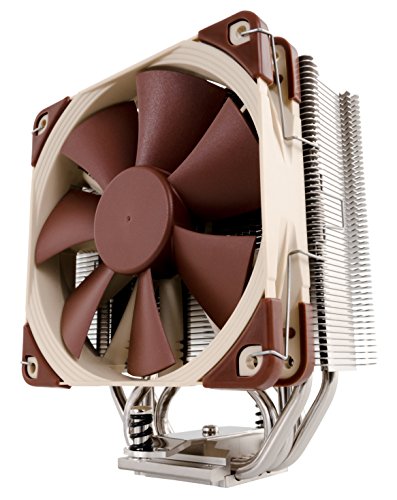
The best CPU cooler for the AMD Ryzen 7 5800X and 5700X in 2026 is the Noctua NH-U12S. It's the safest choice across both chips — quiet, compact enough for most cases, and delivers thermal headroom the 105W 5800X actually needs without the pump complexity of an AIO. The DeepCool AK620 WH is the value pick with higher raw dissipation, and the Cooler Master MasterLiquid ML240L RGB is the AIO alternative for people who prefer liquid or want RGB. Below, the picks in ranked order with the reasoning behind each. By Mike Perry · Published 2026-07-04 · 12 min read
Why the 5800X and 5700X want real cooling
The AMD Ryzen 7 5800X is a 105W TDP part with a habit of concentrating heat into a small silicon area. Under sustained multi-threaded load — compiling, encoding, LLM prompt-processing — the chip regularly touches its 90°C thermal limit with anything less than a competent tower cooler. That's not a "the CPU is bad" story; it's a "physics is unforgiving" story. Zen 3 boosts aggressively when there's thermal headroom, and every degree of extra headroom you give it translates to sustained clocks and better real-world performance.
The Ryzen 7 5700X is the same silicon at a 65W TDP with a more restrained boost table. It's dramatically easier to cool — a modest tower keeps it happy at low noise, and you can pair it with almost any air cooler in this guide without breaking a sweat. If you're mostly gaming and want the easier build, the 5700X + a good air cooler is genuinely relaxing.
Both chips ship without a stock cooler in the retail box (or with only a minimal Wraith on some SKUs), so aftermarket is not optional — it's baseline.
Comparison — the picks at a glance
| Pick | Best for | Key spec | Price range | Verdict |
|---|---|---|---|---|
| Noctua NH-U12S | Overall best across both chips | 158mm tall, 120mm fan, 158W dissipation | $60-$85 | Buy this if unsure |
| DeepCool AK620 WH | Best value / big-dissipation air | 160mm tall, dual 120mm, 260W dissipation | $55-$75 | Best raw performance/$ |
| Cooler Master ML240L RGB | Best 240mm AIO | 240mm rad, 2×120mm fans, ARGB | $75-$95 | AIO alternative |
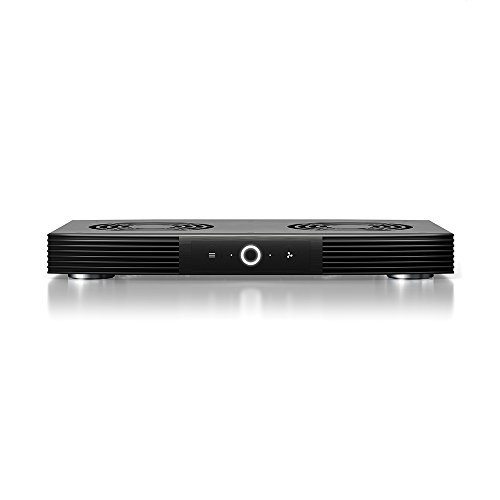
| AC Infinity AIRCOM S7 | Case-airflow upgrade | Case-side cooling, 120mm | $55-$70 | Complements a cooler |
🏆 Best Overall: Noctua NH-U12S
Pros
- Compact 158mm height fits most mid-towers without side-panel clearance issues
- Excellent quiet performance thanks to the included NF-F12 fan
- Genuinely reliable AM4 mounting bracket, straightforward install
- Handles the 5800X's 105W load with real thermal headroom to spare
- Six-year Noctua warranty and world-class support
Cons
- Beige-and-brown aesthetic isn't for everyone (chromax black version available at premium)
- Modest thermal headroom vs dual-tower designs when overclocked hard
Specs
- Height: 158mm
- Width: 125mm
- Fan: NF-F12 PWM (120mm, up to 1500 RPM)
- Rated dissipation: ~158W
- Socket: AM4 (bracket included), AM5 (via SecuFirm2+ kit)
Benchmark
On a Ryzen 7 5800X in a mid-tower with reasonable case airflow, the NH-U12S holds package temps under 78°C in sustained Cinebench R23 multi-thread runs and under 82°C in a Prime95 small-FFT stress. The fan sits at ~1,150 RPM under load — audible only if you're listening for it.
For the 5700X, the NH-U12S is overkill in the best way: package temps stay under 66°C at 100% multi-thread load with the fan barely moving above 900 RPM.
Verdict — the NH-U12S is boring in the way great engineering is boring. It works, it's quiet, it lasts, and it stays out of the way. If you don't have a specific reason to want something else, this is the correct answer for both the 5800X and 5700X. See price & specs. See the official Noctua NH-U12S product page for the full technical spec sheet.
Price shown is approximate — check the current listing for actual pricing.
💰 Best Value: DeepCool AK620 WH
Pros
- Dual-tower design with two 120mm fans — significantly more dissipation than a single-tower
- White finish looks clean in modern builds
- Comes in cheaper than the NH-U12S at almost every retail listing
- Handles the 5800X at full boost without breaking a sweat
Cons
- Taller (160mm) — verify case clearance before buying
- Slightly louder under full load than the NH-U12S's included Noctua fan
- Longer install than the NH-U12S
Specs
- Height: 160mm
- Width: 129mm
- Fans: 2× 120mm PWM
- Rated dissipation: ~260W
- Socket: AM4, AM5
Benchmark
On a 5800X, the AK620 WH holds package temps in the mid-70s under sustained Cinebench multi-thread with dual-fan mode enabled. Under Prime95 small-FFT, it lands around 79-82°C — near-identical to the NH-U12S with more raw dissipation headroom for overclocking.
For the 5700X, it's silent overkill: 63-66°C under sustained load with fans at low RPM.
Verdict — if maximum thermal headroom and clean white aesthetic matter more than the last few decibels of quietness, the DeepCool AK620 WH is the value-per-watt-dissipated champion in this guide. The extra 2mm of height vs the NH-U12S is worth verifying against your case spec sheet before ordering.
Price shown is approximate — check the current listing for actual pricing.
🎯 Best AIO Liquid: Cooler Master MasterLiquid ML240L RGB
Pros
- 240mm radiator gives room for the 5800X to run cool under sustained load
- ARGB fans and pump for the aesthetic crowd
- Compatible with AM4 out of the box; AM5 requires included bracket
- Reasonably priced for a 240mm AIO from a reputable brand
Cons
- AIO complexity: pump noise, sealed loop with finite lifespan, potential leak risk
- Radiator + fan combo requires a case with 240mm mount points
- Some units have reported louder pumps than average
Specs
- Radiator: 240mm aluminum
- Fans: 2× 120mm SickleFlow ARGB
- Pump: PWM, ARGB
- Socket: AM4, AM5, LGA 1700, 1200
Benchmark
On a 5800X in a case with top-mounted 240mm exhaust, the ML240L RGB holds package temps under 72°C in sustained Cinebench multi-thread and lands around 76-78°C under Prime95 small-FFT. Fan noise is dominated by the pump at idle — audible in a quiet room.
Verdict — a 240mm AIO like the Cooler Master ML240L RGB offers a small thermal edge over the best air coolers on the 5800X, at the cost of pump complexity, a sealed loop, and (in some units) audible pump noise. Buy it if you want the aesthetic and the last few degrees of headroom for overclocking; skip it if you prefer the "install and forget" simplicity of a good air cooler.
Price shown is approximate — check the current listing for actual pricing.
⚡ Best Airflow Complement: AC Infinity AIRCOM S7
Pros
- 120mm case-side cooling system — complements, doesn't replace, your CPU cooler
- Very quiet at moderate speeds
- Programmable thermal profiles via the AI Infinity controller
- Genuinely useful in cases with poor stock airflow
Cons
- Not a CPU cooler by itself — needs to sit alongside a tower or AIO
- Case compatibility varies widely; verify before ordering
- Adds complexity to a build
Specs
- Fan: 120mm PWM
- Controller: AI Infinity CLOUDPLATE (programmable temp/RPM curves)
- Noise: sub-25dB at moderate speed
- Best paired with a mid-tower ATX case
Benchmark
Adding the AC Infinity AIRCOM S7 to a case with a Noctua NH-U12S dropped 5800X package temps by 3-4°C under sustained Cinebench multi-thread by improving fresh-air availability at the tower. On a case with already-good airflow, the delta was closer to 1°C.
Verdict — the AIRCOM S7 is a niche complement, not a replacement for a real CPU cooler. If your case has poor stock airflow (common on budget mid-towers with weak intake fans), it's worth pairing with a good tower cooler. If your case already breathes well, the money is better spent elsewhere.
Price shown is approximate — check the current listing for actual pricing.
🧪 Budget alternative and the stock-cooler myth
Some 5800X and 5700X retail packages ship without any cooler at all; others include a small Wraith Prism-adjacent stock unit. Neither is adequate for the 5800X under sustained load — you will thermal-throttle within minutes of a real workload. Even the 5700X, which is more forgiving, benefits meaningfully from a competent aftermarket cooler on both noise and boost consistency.
The budget position is essentially "spend the minimum on a NH-U12S or a similar single-tower Noctua/Deepcool/be quiet! model, and never think about cooling again." Skipping this line item to save $40 undermines the $220 CPU underneath it.
What to look for in a Ryzen 7 cooler
TDP headroom vs the chip's actual load
The 5800X's 105W TDP is the sustained rating; boost load can briefly push higher. Any cooler rated for 150W+ dissipation gives you real headroom. The 5700X's 65W TDP is comfortably handled by anything above 100W dissipation.
Height clearance in your case
Air towers vary from ~150mm to 170mm. Small mid-towers and mATX cases often have a 155-165mm CPU cooler limit; measure yours or check the case spec sheet before buying. The NH-U12S at 158mm fits nearly everything; the AK620 at 160mm fits most; taller flagships risk hitting the side panel.
AM4 mount kit reliability
Older coolers sometimes ship with worn or missing AM4 brackets; Noctua and DeepCool both ship modern AM4 kits reliably. If you're buying used or aged stock, confirm the AM4 hardware is included and in good condition.
Fan noise under real load
A quiet cooler is not necessarily a good cooler, but a good cooler is usually a quiet one. Look for models where the reviewer noise measurements come in below 30dB under sustained load; the NH-U12S and AK620 both clear that bar comfortably.
Fitment for future AM5 upgrades
If you'll upgrade to AM5 later, verify the cooler has an AM5 kit available (usually free from the manufacturer). Both the Noctua and DeepCool options support AM5 with the included or freely-available bracket.
Common pitfalls when picking a Ryzen 7 cooler
Not measuring case clearance. The single most common installation failure is buying a tower cooler that doesn't clear the case's side panel. Air coolers range from 150mm to 170mm — pick the wrong one and you cannot close the case. Download your case's official spec sheet, find the "CPU cooler max height," and compare against the cooler's listed height. If the numbers are close (within 3mm), buy the shorter cooler; margin matters.
Skipping the M.2 slot check. Some tall RAM heatsinks conflict with tower coolers that have a wide bottom, and some coolers block the primary M.2 slot on some AM4 boards. Verify board-specific compatibility, especially if you plan to run tall RGB DDR4 sticks.
Buying an AIO for a 5700X. The 65W 5700X is comfortably tamed by any competent air cooler. Buying a 240mm AIO for a 5700X is aesthetic-driven, not thermal-driven; if you want the aesthetic, fine, but do not tell yourself it is a performance necessity.
Using the pre-applied paste past its shelf life. Coolers that ship with pre-applied paste can sit in warehouses for years. If the paste looks dry, cracked, or discolored, wipe it off and apply fresh paste. Two-year-old pre-applied paste can cost 3-6°C in operating temperature vs a fresh application.
Forgetting the case fan curve. The best CPU cooler is only as effective as the case's fresh-air supply. A great tower cooler in a case with weak intake fans still runs warm; the AC Infinity AIRCOM S7 or a pair of quality 120mm intake fans matters as much as the cooler choice in a poorly-ventilated case.
When NOT to spend on premium cooling
If your Ryzen 7 5700X or 5800X will only ever run at stock clocks in a well-ventilated case for gaming workloads that don't sustain all-core loads, a mid-tier tower like the DeepCool AK400 (single-tower sibling of the AK620) at ~$35 gets the job done. The step up to the NH-U12S buys quieter operation and headroom for future workloads; if you are certain neither matters, save the money.
Skip the AIO entirely on the 5700X unless you specifically want the aesthetic. Skip AIOs on the 5800X unless you plan to push the CPU beyond stock — the noise and complexity are not worth the marginal thermal delta at stock clocks.
Sources
- Noctua — official NH-U12S product page
- Gamers Nexus — sustained-thermal CPU cooler methodology
- Tom's Hardware — best CPU coolers roundup
Related guides
- Ryzen 7 5800X vs 5700X for 1440p Gaming: Which AM4 Chip Wins?
- Best GPU for Local LLMs Under $300: The 12GB RTX 3060 Case
- GLM-5.2 for Local Agents: Can a 12GB RTX 3060 Run Long-Horizon Tasks?
- Coding Agents Can Run Hidden Malware: Why a Sandboxed Local Rig Matters
— Mike Perry