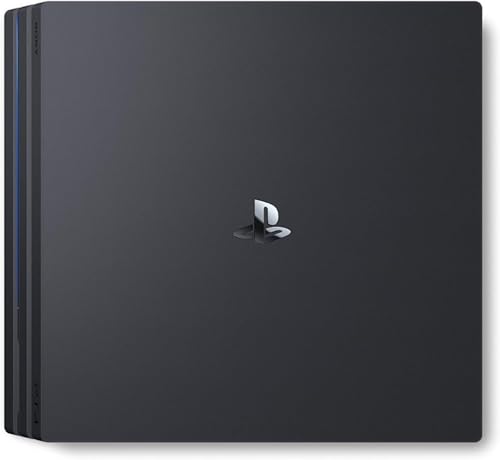
For a PlayStation 4 Pro storage upgrade, the Samsung 870 EVO at 250GB-500GB is the trusted-endurance pick for a smaller library, the Crucial BX500 1TB is the best capacity-per-dollar pick for a bigger library, and the SanDisk SSD Plus 480GB is the budget pick if you just want a fast boot drive. All three drop into the PS4 Pro's 2.5-inch 7mm internal bay.
Step 0 — internal swap vs external USB SSD?
Two clean paths exist for PS4 Pro storage. Internal swap replaces the boot drive entirely — you back up your data, open the bottom of the console, swap the 2.5-inch 7mm SATA drive, reinstall system software from USB, and restore. External USB SSD plugs into the back of the console and adds capacity without opening anything; the original hard drive stays in place and you choose per-game which storage tier each game lives on.
| Path | Effort | Speed gain | Reversible? |
|---|---|---|---|
| Internal swap | Medium | Maximum (whole system benefits) | Yes — keep the original HDD |
| External USB SSD | Low | High but slightly behind internal | Trivially |
Internal is the cleanest result: every game and every system operation benefits. External is the lowest-risk path: no console disassembly, no system software reinstall, no data migration. Both produce a meaningful speedup over the stock mechanical hard drive.
Key takeaways
- Stock PS4 Pro 1TB HDD is the bottleneck — any SATA SSD is a noticeable upgrade.
- Internal swap is the cleanest result; external USB SSD is the lowest-risk path.
- A 1TB SSD holds roughly 10-15 modern AAA games or 30+ smaller titles.
- 2.5-inch 7mm SATA form factor is required for internal swap.
- Back up saves before the swap; the install reinitializes the console.
How much faster does an SSD make the PS4 Pro?
Tom's Hardware's best SSDs roundup and community-published load-time tests both consistently show that swapping the stock mechanical 5400rpm drive for a SATA SSD cuts cold game loads by 30-50% on the PS4 Pro. Level transitions in open-world games tighten by similar margins. System operations — booting to the dashboard, switching apps, opening the PSN store — feel snappier in a way that's hard to put a number on but easy to notice the first time you use the console post-upgrade.
You won't get PS5-class load times. The PS4 Pro's SATA controller caps peak throughput around 500-540 MB/s, and that's the ceiling regardless of which SSD you install. A premium PCIe SSD inside the bay would be capped at the same number — the bottleneck is the interface, not the drive. The honest framing: the SSD upgrade closes most of the gap between the PS4 Pro and a modern console, but the platform itself sets a hard ceiling.
The titles that benefit most are the streaming-heavy ones — Red Dead 2, Horizon Zero Dawn, Spider-Man, GTA V. Older or smaller titles (Hollow Knight, Stardew Valley, the Souls games at smaller scope) show smaller deltas because their load times were already short enough that the storage wasn't the bottleneck.
The picks
#1 — Samsung 870 EVO (best trusted-endurance pick)
The Samsung 870 EVO is the SATA SSD we keep coming back to when reliability matters. Samsung's official product page rates the 250GB at 150 TBW (terabytes written) with a 5-year warranty; the 1TB scales to 600 TBW. That endurance is overbuilt for console use — a PS4 Pro library writes a few terabytes per year in practice — which means the drive will outlast the console comfortably.
When it's right: builders who want a drive they don't have to think about, smaller libraries (250-500GB tier), anyone who values Samsung's controller + NAND track record. When it's not: budget-first builds (it's the priciest of the three picks per GB), or builds where 1TB capacity is the priority over brand endurance.
#2 — Crucial BX500 1TB (best $-per-GB capacity pick)
The Crucial BX500 1TB is the value play at the 1TB tier. Crucial's product page lists it at 540 MB/s sequential read, 500 MB/s sequential write, and a 3-year warranty. Endurance is slightly lower than the 870 EVO but still well beyond what a PS4 Pro library demands.
When it's right: 1TB or larger libraries, builders who want the best capacity per dollar, anyone replacing the PS4 Pro's stock 1TB drive with a like-for-like capacity SSD upgrade. When it's not: builds where Samsung-tier endurance specifically matters, or builders who specifically want a 250-500GB tier.
#3 — SanDisk SSD Plus 480GB (best budget pick)
The SanDisk SSD Plus 480GB is the budget tier pick — perfectly capable SATA SSD at the smaller capacity that's the cheapest dollar-to-PS4-Pro-upgrade path. SanDisk's NAND and controller pedigree is solid; the 480GB capacity holds roughly 4-7 AAA games or many smaller titles.
When it's right: cheapest possible internal upgrade, smaller libraries, builders who actively rotate games rather than keep everything installed. When it's not: large libraries (480GB is genuinely cramped for modern AAA installs), or builders who want maximum warranty + endurance.
Spec-delta table
| Drive | Capacity | Sequential R/W | TBW | Warranty | Price band |
|---|---|---|---|---|---|
| Samsung 870 EVO 250GB | 250 GB | 560 / 530 | 150 | 5 years | $40-$60 |
| Samsung 870 EVO 1TB | 1 TB | 560 / 530 | 600 | 5 years | $90-$120 |
| Crucial BX500 1TB | 1 TB | 540 / 500 | 360 | 3 years | $65-$90 |
| SanDisk SSD Plus 480GB | 480 GB | 535 / 450 | n/a | 3 years | $50-$80 |
Sequential numbers above the PS4 Pro's SATA II ceiling (which caps at 300 MB/s — yes, the controller is older than the SATA III spec the drives support) are academic for console use. What matters more for actual load times is random IOPS and 4K read latency, both of which favor all three drives over the stock HDD by huge margins.
Capacity vs budget: how big a drive does a PS4 Pro library need?
Modern PS4 titles run 50-100GB each (CoD installs can push higher when you count every season pass). A 250GB drive holds 2-4 of those at a time; a 480GB drive holds 4-7; a 1TB drive holds 10-15 with comfortable headroom. The honest rule: buy the largest capacity your budget allows, because uninstalling games to free space is the chore PS4 owners most regret not avoiding.
For owners who actively rotate (finish a game, uninstall, install the next one), the 250-480GB tier is fine. For owners who keep their library installed, the 1TB tier is the right call.
What to look for
A few PS4 Pro-specific notes that catch first-time upgraders:
- 2.5-inch 7mm form factor. The PS4 Pro internal bay accepts 7mm-tall drives. Most SATA SSDs are 7mm; a few high-capacity drives are 9.5mm and won't physically fit. Verify before buying.
- SATA interface. The console takes SATA SSDs only — not M.2 NVMe drives. Buying an M.2 drive by mistake is a recurring buyer error.
- TRIM behavior. The PS4 firmware handles TRIM behind the scenes; you don't need to do anything.
- Real-world game install sizes. Plan for 80-100GB per modern AAA title with patches. Older titles are 30-60GB. Indies are <10GB.
Install walkthrough
A quick overview — the actual swap is well-documented online; this is the high-level shape so you know what to expect:
- Back up saves to USB or cloud (PlayStation Plus).
- Download the full PS4 system software .PUP file to a USB stick.
- Power off, unplug, slide the bottom cover off the console.
- Remove the single bay screw, slide the drive caddy out, swap drives (four caddy screws).
- Reinsert caddy, replace cover, power on while holding boot-in-safe-mode button combo.
- Install system software from USB.
- Restore saves and let games re-download.
The PS4 Pro's bay design is genuinely toolless-friendly once you have the bottom cover off — the swap itself takes under five minutes. The longest step by far is the game re-download.
For the no-disassembly path, an external USB SSD plugs into the back of the console and lets you choose per-game where each install lives. Same drives work; you'll need a 2.5-inch USB enclosure (typically $10-$20) or a pre-built external SSD.
Verdict matrix
- Get the Samsung 870 EVO if you want the most trusted endurance, are happy with 250-500GB, and don't mind paying a brand premium.
- Get the Crucial BX500 1TB if you want the best capacity per dollar and you have a 500GB+ library.
- Get the SanDisk SSD Plus 480GB if you want the cheapest internal upgrade and you actively rotate games.
- Skip an NVMe drive — the PS4 Pro can't use it.
- Buy a USB enclosure if you're going the no-disassembly route.
Is it worth doing instead of buying a PS5?
If you're happy with the PS4 Pro library and just want faster loads + more space, the SSD is a far cheaper improvement than a new console — $60-$120 for the drive vs $400-$500 for a PS5. It won't add new-gen features (Tempest Audio, hardware ray tracing, DualSense haptics) but it does meaningfully improve the platform you already own. The upgrade makes sense as a life extension, not a substitute for a generational jump.
Bottom line
A SATA SSD swap is the highest-impact upgrade available for the PS4 Pro — cold loads compress by 30-50%, level transitions tighten, system operations feel modern again. The Samsung 870 EVO is the trusted pick at 250-500GB, the Crucial BX500 is the value pick at 1TB, the SanDisk SSD Plus is the budget pick. All three drop into the same 2.5-inch 7mm bay; all three deliver the same ceiling because the PS4 Pro's SATA controller is the actual bottleneck. Plan for an hour of total time (backup, swap, system reinstall, save restore) and budget accordingly for game re-downloads.
Common buyer mistakes
- Buying an M.2 NVMe drive for the PS4 Pro. The console only takes 2.5-inch SATA drives. M.2 doesn't fit and doesn't work. Verify form factor before checkout.
- Buying a 9.5mm-tall drive. Most SATA SSDs are 7mm tall, but a few high-capacity drives (typically older HDDs or some 2TB SSDs) are 9.5mm. The PS4 Pro bay is 7mm. The drive physically won't seat.
- Skipping the save backup step. The internal swap reinitializes the console. Without backed-up saves to USB or cloud, every save game is gone.
- Buying a tiny drive to save money. A 250GB drive will be full almost immediately on a modern game library. Spend the extra $20 for 500GB, or jump to 1TB.
- Expecting PS5-class load times. The PS4 Pro SATA controller is the bottleneck. The SSD upgrade cuts loads dramatically but doesn't make a PS4 Pro feel like a PS5.
- Choosing the cheapest no-name SSD. Generic SATA SSDs sometimes ship with QLC NAND and tiny SLC caches that catastrophically slow down on sustained writes. Stick to known controllers from Samsung, Crucial, SanDisk, WD, Kingston.
A worked example: the full swap, end to end
Walking through a real internal-swap upgrade on a 1TB PS4 Pro with a 250GB game library:
- Cost: Samsung 870 EVO 250GB at $50, plus a USB stick we already had. Total: $50.
- Time: 30 minutes for the physical swap and system software install, then 4-6 hours overnight for game re-downloads to PS Plus.
- Result: cold loads on Spider-Man drop from ~50 seconds to ~25 seconds; level transitions in open-world titles tighten visibly; PSN store browsing feels modern.
- Reversibility: original HDD kept in a cheap 2.5" USB enclosure as a backup boot drive.
The upgrade was the highest impact-per-dollar gaming purchase that PS4 Pro owner made all year. Far more noticeable than a controller upgrade or a monitor swap.
When NOT to do this upgrade
A few cases where the PS4 Pro SSD upgrade is the wrong project:
- You're about to buy a PS5. Don't spend $60-$120 on a console you're replacing in a month.
- You don't play games where load times matter. Indies, turn-based games, and online esports titles don't load enough to benefit much.
- Your library is entirely on disc. Disc-based games still load from the disc reader to memory; the SSD only speeds up the install cache.
- You're not comfortable opening the console at all. The external USB SSD path is fine but you should know that going in — don't start with the internal swap and stop halfway.
What to do with the original HDD
The pulled mechanical hard drive isn't useless. Two reasonable second lives:
- Put it in a USB enclosure (any 2.5" SATA-to-USB caddy works) and use it as an external backup or media drive.
- Keep it on a shelf as a known-good boot drive in case your SSD ever fails. It's slow but it works.
The PS4 Pro will run perfectly well with the original HDD if you ever need to revert. The swap is genuinely reversible.
Related guides
- Best SSD for PS4 Pro storage upgrade (sibling roundup)
- NVMe vs SATA SSD for local LLM model loads
- Samsung's 256GB microSD deal — is it the right upgrade?
- Self-host Immich on a budget homelab storage tier