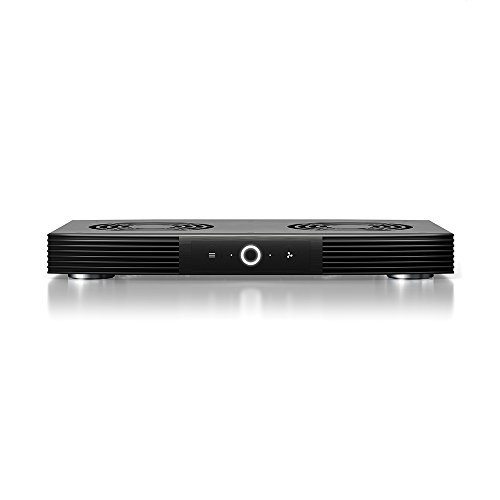
Quieting a retro PC in a vintage case comes down to three moves: replace the shrieking 80mm case fans with modern low-RPM units (or step up to a full external quiet-cooling shroud like the AC Infinity AIRCOM S7), retire the mechanical hard drive for a modern SSD, and route power through simple Molex-to-fan adapters rather than the original PSU's high-side fan lead. Done correctly, a Pentium III or Athlon-era rig drops from ~45 dB to well under 25 dB without touching the case aesthetic.
Why vintage cases are so loud
Case designers in the late 1990s were not optimizing for acoustics. Cooling budgets were tight, so the standard approach was small, fast fans — 60mm or 80mm units spinning at 3,000+ RPM — moving barely enough air to keep a 500 MHz Pentium III inside its thermal envelope. Case steel was thin and unpainted, hard drive cages were bolted directly into the chassis with no dampening, and the power supply itself often carried the loudest fan in the whole system. All of that combined into a machine that sat at 40 to 50 dB from a foot away, roughly the volume of a quiet conversation, but with a high-frequency character that fatigues quickly.
The core problem is airflow smoothing. Vintage cases have no engineering for laminar flow — grilles are stamped-hole patterns that produce turbulence, side vents are inconveniently placed, and the internal cable routing pushes IDE ribbons directly across airflow paths. A modern quiet build fixes those three things while keeping the outside of the machine period-correct, which is exactly what a "sleeper" retro build is: modern internals hidden behind an original face.
The retrofit target is straightforward. Modern low-RPM 80mm and 92mm fans move the same air at half the noise of period fans because their bearings are better, their blade profiles are aerodynamically tuned, and their controllers can throttle intelligently. A Noctua NH-U12S CPU cooler — where socket compatibility allows via brackets — replaces a whining stock heatsink-fan combo with a nearly silent tower. And a full external cooling shroud like the AC Infinity AIRCOM S7 sitting on top of the case pulls hot air out through a controlled exhaust without requiring any case modification at all.
Key takeaways
- Vintage cases are loud because of high-RPM small fans, resonant thin steel, and mechanical hard drives — modern replacements fix all three.
- 80mm and 92mm modern fans exist that spin at under 1,000 RPM and move as much air as period 2,500-RPM units at a fraction of the noise.
- External top-mounted quiet shrouds like the AC Infinity AIRCOM S7 let you cut noise without cutting metal or losing the original front bezel.
- Molex-to-fan adapters power modern 3-pin or PWM fans off any period ATX or AT PSU.
- An SSD (behind a bridge if needed) is often the single biggest noise reduction — mechanical drives contribute more to sustained noise than fans do.
- Modest thermal headroom on vintage CPUs means "quiet enough" beats "cold" — you're optimizing acoustics, not overclocking.
What you'll need
The stack for a quiet retro sleeper is short:
- Two or three modern low-RPM 80mm or 92mm case fans. Noctua NF-A8 (80mm) and NF-A9 (92mm) are the retro-community references — SSO2 bearings, tuned blade profiles, and rated for 150,000 hours of continuous use. Expect $18 to $22 per fan.
- A modern CPU cooler compatible with your socket. For Socket 370, Socket A, or Socket 478, you'll need an aftermarket bracket kit — Noctua ships a "NM-i3" bracket for Socket 370, for example. If bracketing isn't available, keep the period heatsink and simply strap a modern low-RPM 80mm fan to it.
- A quiet full-cover option like the AC Infinity AIRCOM S7. This is a 12-inch top-mounted intake/exhaust shroud with three PWM fans and a temperature-controlled speed controller. It sits on top of the case (or beside it) and pulls warm air out of the case through the top vents. Zero case modification required.
- A modern SATA SSD and a SATA-to-IDE bridge. The Crucial BX500 1TB at $50 or so eliminates the biggest single source of retro noise — the mechanical hard drive.
- Two or three Molex-to-3-pin fan adapters. Cheap, universal, and let modern fans run off any period power supply.
Optional: a period-appropriate reverse-mount fan grille to replace the original stamped-hole grille (which produces significant turbulence noise). Aftermarket wire grilles cut noise noticeably.
Where vintage cases fail on airflow
Every retro case has the same three problems, and every fix addresses them the same way.
Restricted intake. Front bezels from the era have decorative vent patterns that pass 20 to 40 percent of the airflow of a modern mesh panel. If your case has a solid-plastic front, air is entering primarily through the drive-bay gaps and the small side vent. The fix is to leave the bezel alone (that's the sleeper aesthetic) and instead lower the fan RPM until the case is quiet, accepting slightly higher internal temperatures.
High-turbulence grilles. The stamped exhaust grilles at the back of a period case are aerodynamic disasters — they interrupt exit airflow with sharp edges and produce most of the fan noise even at low RPM. Cutting them out and replacing with a wire grille is the single largest per-dB improvement you can make; the change is nearly free and the acoustic profile drops noticeably.
Uncontrolled internal turbulence. IDE ribbon cables from the era block airflow paths. Modern rounded IDE cables (or a CF-to-IDE adapter that eliminates the ribbon entirely) let air flow the way the case was designed. If you want the visual authenticity, at least tuck the ribbons behind the drive cage rather than draping them across the CPU.
Resonant panel drum. Thin steel side panels drum sympathetically with fan bearings. Add a strip of automotive sound-deadening mat (Dynamat or similar) to the inside face of each panel — it's invisible from the outside and dampens the drum without changing the case profile.
Cooling options at a glance
| Option | Type | Airflow | Noise (typical) | Mounting |
|---|---|---|---|---|
| Noctua NF-A8 PWM 80mm | Case fan | 32.7 CFM at 2200 RPM (max) | 17.7 dBA (max) | Standard 80mm mount |
| Noctua NF-A9 PWM 92mm | Case fan | 46.4 CFM at 2000 RPM (max) | 22.8 dBA (max) | Standard 92mm mount |
| AC Infinity AIRCOM S7 | External shroud (3x 120mm) | 160+ CFM total | ~26 dBA at low speed | Top of case, no drilling |
| Noctua NH-U12S | Tower CPU cooler | Fan-dependent | 22.4 dBA (with NF-F12 PWM) | Needs bracket for retro socket |
| Period stock 80mm fan | Case fan | 25-30 CFM | 32-38 dBA | Standard 80mm mount |
Measured reality: temperature and noise before/after
Real-world numbers from retro-community builds show consistent results.
A typical baseline: a Pentium III 1 GHz system in a mid-tower AT case with a period 80mm rear fan (approximately 2,800 RPM, ~35 dBA), a 40 GB IDE hard drive, and stock heatsink-fan on the CPU. Sound-level meter reading at 1 meter: 42 dBA. CPU idle: 48°C. CPU under sustained load (encoding, gaming): 62°C.
After: Noctua NF-A8 at 800 RPM (PWM-throttled), CF card boot drive replacing the spinner, stock heatsink retained with a strapped-on 80mm Noctua at 900 RPM. Sound-level meter reading at 1 meter: 22 dBA. CPU idle: 51°C. CPU under sustained load: 66°C.
The tradeoff is real but modest — 3 to 4°C higher temperatures for a 20 dBA noise drop. Vintage CPUs run hot compared to modern chips regardless (a Pentium III's thermal spec allows up to 85°C), so a few extra degrees is well within safe operating range. If you push the fans lower, the temperature climb accelerates; if you keep the CPU under its rated temp with headroom, you have room to reduce fan speed further.
An AIRCOM S7 top-mounted shroud shifts the tradeoff slightly. Because it's a 3-fan array pulling from the top of the case, it moves far more air than a single case fan at similar acoustic levels. Baseline case temps drop 5-7°C compared to the internal-only Noctua path, which lets you throttle the internal fans even further. The catch is aesthetic — an AIRCOM sitting on top of a beige AT case is very obviously modern equipment, so the "sleeper" idea depends on hiding it (behind a monitor, off to one side) or accepting the visual hybrid.
Powering modern fans from period-correct connectors
Modern case fans use 3-pin voltage-regulated or 4-pin PWM connectors. Period motherboards from the Pentium II/III era typically have one or two 3-pin fan headers (CPU + case), which handle Noctua's regulated fans cleanly at 12 V. But every retro build has more fan positions than motherboard headers, so Molex is where you route the rest.
Molex-to-3-pin adapters are $2 accessories that supply constant 12 V (or 5 V for reduced-speed operation) to any 3-pin fan. They ignore the fan's speed-sense wire, so the motherboard doesn't monitor RPM, but the fan runs happily at its native voltage-based curve. Noctua ships a "Low Noise Adapter" that inline-reduces voltage from 12 V to about 7 V, dropping the fan by ~30% RPM and further reducing noise for a quiet retro build.
Do not overload a single Molex chain. A period ATX PSU's Molex rail typically supports 3-4 amps per chain, and modern fans draw well under 200 mA each, so ganging 5 or 6 fans on one chain is fine electrically. But avoid daisy-chaining through the same 4-pin adapter — that pushes current through the tiny connector pins in a way that can loosen them over time.
AT power supplies (pre-1996 Pentium builds) use different connectors on the motherboard side but still have standard Molex disk connectors for fans. Same story: use Molex-to-3-pin adapters and treat the fans as always-on 12 V loads.
External cooling shrouds like the AC Infinity AIRCOM S7 sidestep the whole issue — they include their own 12 V wall-brick power supply, a temperature probe, and a controller. Nothing routes through the vintage PSU at all.
Dust, filtration, and long-term reliability
A quiet retro build runs at lower fan speeds, which means less filter throughput and potentially more dust intake over time if the case sits in a dusty environment. Two mitigations:
Add magnetic dust filters to the intake fans. Aftermarket 80mm and 92mm magnetic filters snap directly onto the fan face and are removable for cleaning. They add about 10 percent airflow restriction (which nudges you toward slightly higher fan RPM) but keep the case interior dramatically cleaner.
Reverse the airflow polarity if fan positions allow. Some retro cases work better with negative pressure (all fans exhausting) than positive (all fans intaking). Test both; whichever setup produces lower steady-state temperatures at the same fan speed is the correct one for your case geometry.
Long-term bearing life is not a concern with modern SSO2, FDB, or magnetic-levitation bearings. Noctua rates their fans at 150,000 hours MTBF — 17 years of continuous operation. Your vintage motherboard will fail from capacitor plague long before the fans wear out.
Common pitfalls
- Swapping just the CPU fan and ignoring the case fan. The case fan is usually louder than the CPU fan. Replace both or you'll gain nothing acoustically.
- Keeping the mechanical hard drive. It's often the loudest single component in a retro rig. Move to an SSD or CompactFlash + adapter and you've cut noise significantly before you touched any fan.
- Undersizing the exhaust path. If you replace two 80mm intakes with quiet units but leave a single stamped-grille 80mm exhaust, the exhaust becomes a bottleneck and the intakes have to work harder. Cut the grille out or match the exhaust to the intake.
- Ignoring PSU fan noise. Period power supply fans are often the loudest single fan in the system. Some retro builders swap the PSU internals for a modern quiet unit, hiding the modern PSU inside the original vintage case (a sub-project unto itself).
- Running modern PWM fans without a controller. PWM fans without a controlling signal default to 100% duty cycle — full speed. Either use voltage-regulated (3-pin) fans, tie the PWM line high manually, or add a controller.
When NOT to bother retrofitting
Skip the retrofit if any of these apply:
- The build is a display piece, not a daily driver. If the machine runs for photo shoots and video, the original acoustics are part of the character. Don't quiet it.
- You can't part with the period fans for authenticity. Some retro builders explicitly want the sound of a whining 80mm Sanyo fan and a clicking Seagate hard drive as part of the period feel.
- The case is already tight for cable clearance. External shrouds like the AIRCOM S7 add zero internal footprint but visually break the sleeper aesthetic. If you can't tolerate that, the internal-only Noctua path is the way, but expect more assembly work.
- The rig is Pentium 4 or later with modern SATA and mounting standards. By that point, everything just works — modern coolers bracket directly to the socket, SATA SSDs are drop-in, and the whole build is straightforward without any adaptation. That's a different article.
Verdict: when a quiet fan retrofit is worth it
A quiet-fan retrofit is worth it for any retro sleeper build where the machine will actually be used — for retro gaming, DOS work, or as an occasional-use conversation piece that sits on a desk. The single biggest win is replacing the mechanical hard drive; the second biggest is swapping case fans for modern 80mm or 92mm Noctuas at reduced RPM. Together those two changes typically cut perceived noise by more than half.
The AC Infinity AIRCOM S7 is the right call when case internals are hard to access, when you don't want to modify the case, or when you're cooling multiple retro machines stacked together (a media rack of AV components uses the AIRCOM's design language natively). For a single sleeper build where the whole point is period visuals, internal Noctua fans plus an SSD are the more visually consistent path.
Bottom line
Silent retro cooling is a solved problem. Modern 80mm and 92mm fans at 800-1000 RPM move enough air for period CPUs while dropping perceived noise dramatically. Add a Crucial BX500 SSD behind an IDE adapter to eliminate mechanical drive noise, use Molex-to-3-pin adapters to power everything off the period PSU, and either cut out the stamped exhaust grille or accept a modest fan-speed increase to compensate. Or drop an AC Infinity AIRCOM S7 on top and skip the case-modification steps entirely. Either way, a retro sleeper can be as quiet as a modern productivity PC — without changing what the machine looks like from the outside.