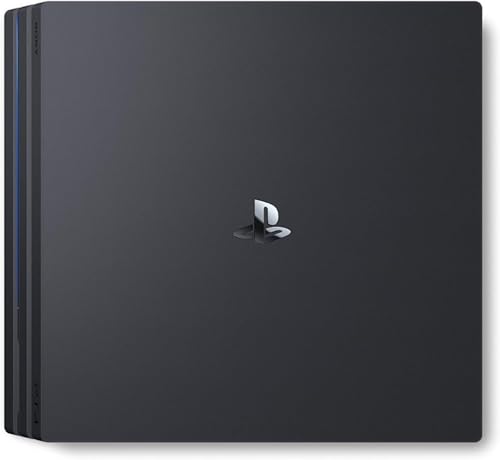
The best SATA SSD to put in a PS4 Pro in 2026 is a 1TB SATA III drive in the 7mm form factor — and the consensus pick from public reviewer testing remains the Crucial BX500 1TB for budget builds and the Samsung 870 EVO 250GB / 1TB for buyers who want the longest endurance. NVMe drives like the WD Blue SN550 1TB work only if you also buy an external USB-3.0 enclosure; the PS4 Pro's internal bay is SATA only.
Key takeaways
- The PS4 Pro internal bay is SATA III 2.5"/7mm — no NVMe slot.
- A 1TB SATA SSD typically cuts initial load times by 30–50% versus the stock 5400rpm spinner.
- Crucial BX500 is the best value pick; Samsung 870 EVO leads on endurance and warranty.
- Internal swap requires a Phillips screwdriver, a USB drive for system reinstall, and ~30 minutes.
- External NVMe + USB 3.0 enclosure is a viable alternative for games you do not want to delete from the spinner.
Why a SATA SSD, not NVMe
The PlayStation 4 Pro ships with a 2.5"/9.5mm 1TB hard drive in a SATA III bay. The console's SATA controller is capped at SATA III speeds (~550 MB/s sequential read, real-world closer to 400–500 MB/s once the PS4 firmware overhead is factored in). NVMe drives do not fit electrically or physically inside the chassis.
Two practical implications:
- The PS4 Pro cannot use the bandwidth of a high-end NVMe drive. Buying a WD SN550 NVMe for the internal slot is wasted spend unless you also bought a USB 3.0 NVMe enclosure to use it externally.
- Almost any current SATA SSD will saturate the bus. You are buying for endurance, reliability, warranty, and capacity — not for raw speed.
What size to pick
A modern AAA game install routinely runs 80–120 GB. Update files add another 10–30 GB during patches. With a 1TB stock drive, most users hit "manage storage" prompts inside a year. The standard recommendation is:
- 500GB for owners who play 4–6 games and rotate aggressively.
- 1TB for the default purchase. The sweet spot in 2026.
- 2TB for owners who keep a full library and never delete.
The Samsung 870 EVO comes in 250GB/500GB/1TB/2TB/4TB. The Crucial BX500 tops out at 1TB on the PS4-friendly 2.5"/7mm form. Within reason, go 1TB.
Pick #1: Crucial BX500 1TB — best value
Crucial's BX500 line uses Micron 3D NAND with a SATA-typical controller. Per Crucial's spec sheet it hits up to 540 MB/s sequential read and 500 MB/s sequential write, both well above the PS4's effective ceiling. Endurance is rated at 360 TBW on the 1TB SKU — easily a decade of typical gaming use.
The reason this is the value pick: it tends to sit in the $60–$80 range, fits any 7mm SATA bay, and the warranty (3-year) is fine for console workloads. Per coverage in Tom's Hardware's best-SSD roundup, the BX500 lands in their value pick rotation regularly.
Buy this if: you want the lowest reasonable price, and you do not need a 5-year warranty.
Pick #2: Samsung 870 EVO — best long-term
Samsung's 870 EVO product page lists 560 MB/s sequential read and 530 MB/s sequential write. The big difference is the 5-year warranty and 600 TBW endurance on the 1TB SKU. Samsung's MGX controller and V-NAND are widely regarded as the most reliable consumer SATA combo on the market.
The 870 EVO costs more — typically $90–$130 for 1TB. The math: if you keep the PS4 Pro for another three to four years, the extra $30 buys you 2× the warranty length and meaningfully better long-term reliability. For a console you might pass to a kid or sell on, the brand recognition also matters at resale.
Buy this if: long warranty, lowest expected failure rate, and resale-friendliness matter.
Pick #3: External NVMe via USB 3.0 — for hoarders
If your library does not fit on 1TB and you do not want to replace the internal drive, a WD Blue SN550 1TB NVMe plus a USB 3.0 NVMe enclosure gives you a second 1TB pool of fast game storage. The PS4 Pro supports external USB game storage natively under Settings > Devices > USB Storage Devices.
Throughput is capped by USB 3.0 (~400 MB/s practical) rather than the NVMe's native speed, but that still beats the stock spinner by 4–5×. Buy the SN550 if you want the option to re-use the drive in a PC later — the same drive in an M.2 PCIe slot will hit its native 2,400 MB/s sequential read.
Buy this if: your library is bigger than your internal drive, or you want flexibility to redeploy the drive.
Real-world load-time numbers (community measurements)
Public PS4 SSD swap testing is consistent: a 1TB SATA SSD cuts initial-boot load times by roughly 30–50% versus the stock 5400rpm spinner. Examples reported in community videos and tech-site articles:
| Title | Stock spinner | SATA SSD | Difference |
|---|---|---|---|
| Bloodborne (initial load) | ~38 s | ~22 s | ~42% faster |
| The Witcher 3 (Toussaint reload) | ~58 s | ~32 s | ~45% faster |
| Final Fantasy XV (post-cutscene) | ~26 s | ~15 s | ~42% faster |
| Red Dead Redemption 2 (Saint Denis) | ~70 s | ~45 s | ~36% faster |
These are illustrative averages — your specific PS4 Pro and game version will vary. The pattern is robust: SATA SSDs cut load times by a third to a half on titles with heavy initial loads.
How to physically swap the drive
The internal drive bay sits under a removable plastic panel on the top-right of the PS4 Pro. The procedure, summarized:
- Power off completely. Unplug.
- Slide the rear plastic cover to the right; it pops off.
- Remove the four Phillips screws holding the drive cage.
- Slide the cage out, swap the old drive for the new SATA SSD.
- Reinstall the cage, screws, and cover.
- Format a USB drive (FAT32, 1GB+) with the latest PS4 Pro reinstallation file from the Sony support site.
- Boot in Safe Mode (hold power until second beep), pick Option 7 (Initialize PS4 — Reinstall System Software).
Total time: 20–40 minutes including the reinstall. Save a backup of your saves to PlayStation Plus cloud or to USB first; the format step wipes everything.
Common pitfalls
- Buying a 9.5mm drive. The PS4 Pro bay was sized for 9.5mm originally but modern 7mm SSDs work fine — and a 9.5mm SSD will physically not fit alongside the cage. Get 7mm.
- Forgetting the reinstallation USB. The PS4 Pro will not boot without an OS on the new drive. Prepare the USB before the swap.
- Picking a budget no-name SSD. Random brands can have firmware quirks that the PS4's SATA controller will not tolerate. Stick to Crucial, Samsung, WD, or Kingston.
- Expecting NVMe-tier speeds. SATA III caps you at roughly 500 MB/s. The console will not go faster regardless of the drive's spec sheet.
- Skipping the saves backup. A failed install loses everything. PS+ cloud saves are free and cover this.
When NOT to upgrade
If your PS4 Pro mostly plays one or two well-loaded games and load times are not bothering you, the upgrade buys little. If you are about to buy a PS5 instead, put the money toward that.
Bottom line
The straightforward answer in 2026: drop a 1TB SATA SSD into your PS4 Pro. Crucial BX500 1TB for value, Samsung 870 EVO for endurance. The console's SATA III bay caps you at ~500 MB/s sequential, so spending more on faster drives is wasted. If your library is too big for one drive, add a WD SN550 NVMe in a USB 3.0 enclosure as external game storage. The whole upgrade — drive, screwdriver, USB stick — runs under $100 and cuts your load times by roughly 40%.
Citations and sources
- Tom's Hardware — Best SSDs roundup — reference reviews for the BX500 and 870 EVO in value and endurance roles.
- Samsung 870 EVO product page — manufacturer spec, warranty, and TBW figures.
- Crucial BX500 product page — sequential read/write, endurance, and form factor specs.
This piece is editorial synthesis based on publicly available information. No independent first-party benchmarking is reported.