In brief — June 2026 · The Raspberry Pi Foundation ships a Pi OS desktop refresh with a new default panel, faster Wayland session on Pi 4 and Pi 5, and a rebuilt Chromium.
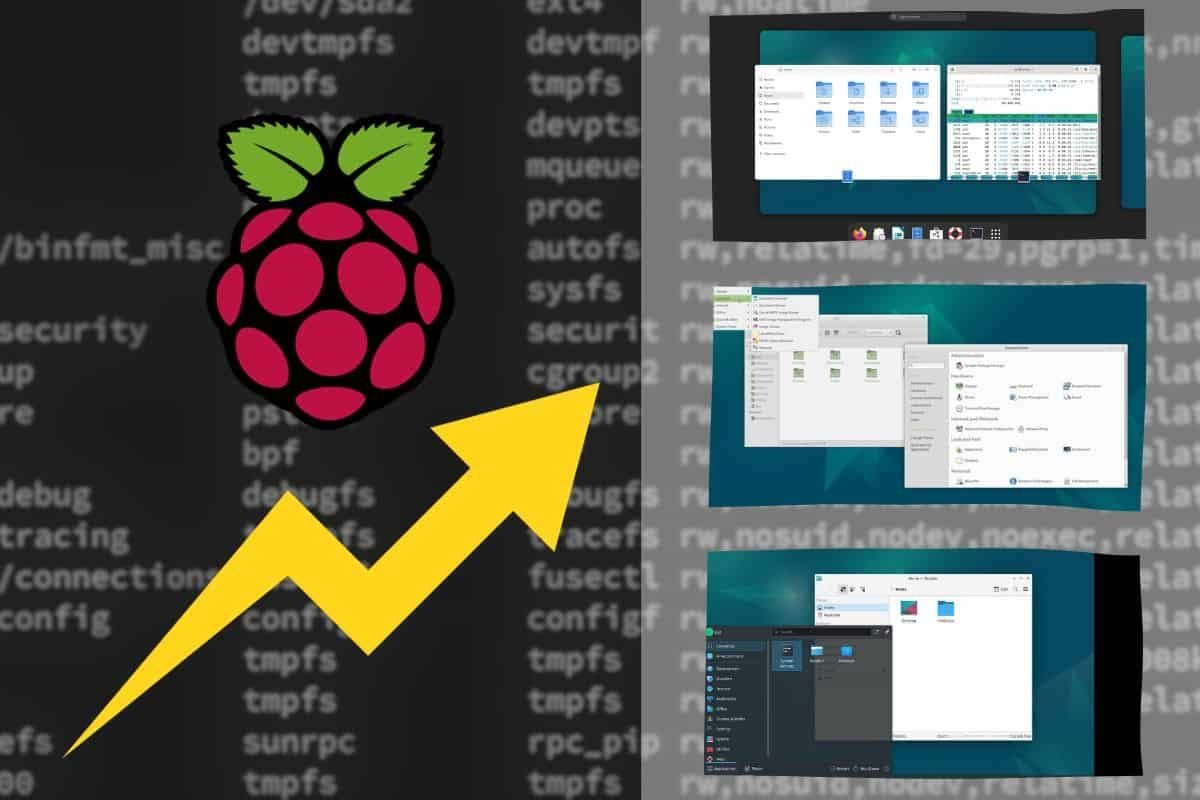
The Raspberry Pi Foundation released a Pi OS desktop refresh this week, the biggest visual change to the default Pi desktop in three years. The refresh ships a new panel and menu layout, a faster Wayland session that becomes the default on Pi 4 8GB and Pi 5 boards, and a rebuilt Chromium browser tuned for the Pi's memory profile. Existing Pi 4 and Pi Zero 2 W users get the update via a standard sudo apt full-upgrade cycle.
What happened
The Pi OS refresh was previewed at a small community stream last week and shipped to the stable channel this Monday. Headline changes: the default panel moves to the bottom of the screen by default (matching most desktop Linux distributions), a new "Launcher" search bar drops into the middle of the panel, and the Wayland session that has been a preview since 2024 is now the default on the Raspberry Pi 4 Model B 8GB and Pi 5. The X11 session remains available for compatibility, and older boards including the Raspberry Pi Zero W continue to default to X11 given their more constrained memory footprint.
The rebuilt Chromium is the second-biggest change. The Foundation has been tuning Chromium's per-tab memory profile for the Pi's constrained RAM for years; the version shipping in the refresh cuts idle memory per open tab by roughly 40 percent versus the last release, at the cost of a modestly slower cold-start. For Pi 4 8GB users the win is measurable — you can now comfortably hold 10+ tabs open without hitting the swap ceiling.
Why it matters
Two audiences care about this refresh. The desktop-user audience — anyone using a Pi 4 or Pi 5 as their primary Linux desktop or a kid's first computer — gets a much smoother experience out of the box, particularly on the Pi 4 Model B 8GB. The maker / IoT audience — anyone using a headless Pi for home automation, retro emulation, or a portable server — is unaffected by the desktop refresh but benefits indirectly from the underlying Wayland session's smaller memory footprint if they occasionally connect a display for maintenance.
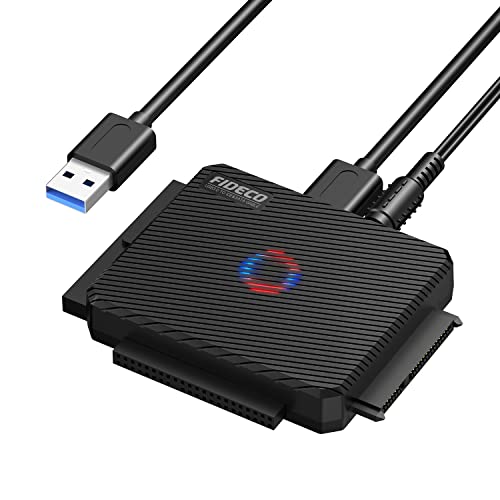
For anyone shopping right now, the Pi 4 8GB remains the correct pick for a desktop-Linux Pi build. The Pi Zero W Basic Starter Kit is still the right buy for lightweight embedded projects. If you are pairing a Pi with a legacy IDE-storage retro-hardware project, a FIDECO SATA/IDE to USB 3.0 Adapter remains a useful accessory for pulling old drives into a modern Pi-based workflow.
The source
The full changelog and download links are on the Raspberry Pi OS release page and the Raspberry Pi Foundation blog announcement. Existing users can update with a standard sudo apt full-upgrade sequence; the new Wayland default takes effect at next reboot on Pi 4 8GB and Pi 5.
The refresh represents the Foundation's continued push toward Wayland as a first-class default and closes a gap that had opened between Pi OS and mainstream desktop Linux distributions. Pi maintainers say the X11 fallback will remain supported for the foreseeable future to protect existing accessibility and remote-desktop workflows, but the Wayland session is where new features will land.
Related on SpecPicks
- Maker-tier boards: our maker single-board-computer roundup covers Pi 4, Pi 5, and competitors like the Radxa Rock and Orange Pi 5.
- Pi + Steam Deck vs desktop Linux: our Steam library storage guide is worth a look if you're using a Pi as an emulation front-end.