The single biggest under-$150 PC gaming upgrade in 2026 is still a fast, high-capacity SATA SSD — the Crucial BX500 1TB is the current sweet spot, and it delivers a bigger real-world feel improvement than any $150 GPU spend can. Rounding out the five-piece kit: a full-desk mouse pad, a proper USB mic, a modern air cooler, and a comfortable Bluetooth headset — every pick under $150, every pick worth the money.
The one-line rankings
| Pick | Best For | Key spec | Price range | Verdict |
|---|---|---|---|---|
| 🏆 Best Overall — Crucial BX500 1TB SSD | Everyone with a mechanical HDD or a 250 GB boot drive | 540 MB/s SATA, 3D NAND | ~$65 | Buy it |
| 💰 Best Value — SteelSeries QcK XXL Mouse Pad | Anyone with a bare desk | 900×400 mm cloth | ~$30 | Buy it |
| 🎯 Best for Streaming — HyperX QuadCast 2 | New solo streamers | USB-C, cardioid, 24-bit/96 kHz | ~$112 | Buy it |
| ⚡ Best Performance — DeepCool AK620 WH Cooler | Ryzen 7000 / Intel 13/14th gen users | 260 W TDP, dual-tower | ~$65 | Buy it |
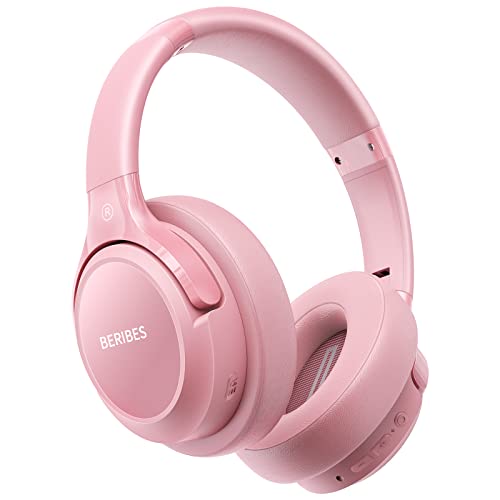
| 🧪 Budget Pick — BERIBES Bluetooth Headphones | Anyone needing decent wireless audio for under $30 | 65h battery, 6 EQ modes | ~$26 | Buy it |
Why one upgrade beats the others
Every PC gaming upgrade guide starts the same way: "get a better GPU." That advice is often wrong for the under-$150 budget in 2026 because $150 barely gets you into the 8 GB entry-tier (an RX 6600 used, an RTX 3050 new), and neither of those cards is a meaningful uplift over what most people already have. What actually changes how your rig feels is the small stuff: instant boot, a real mouse surface, clear audio, thermals that don't throttle mid-session, and headphones you don't hate wearing.
That is the frame this guide uses. Each pick below has to (a) cost under $150, (b) deliver a measurable improvement to how the rig feels, and (c) be current in 2026 — not a legacy recommendation from a 2022 list that has been superseded.
Key takeaways
- The SSD pick is the biggest single-hardware feel-difference for anyone still on a HDD or a small SATA SSD. A Crucial BX500 1TB at $65 makes Windows boot in 12 seconds instead of 90.
- The full-desk mouse pad is the cheapest way to make every mouse you already own feel better. SteelSeries QcK XXL at $30 is the standard.
- The USB mic pick is a $112 quality-of-life upgrade for anyone who talks to teammates or streams. HyperX QuadCast 2 — see our full head-to-head against the Blue Yeti.
- The cooler pick is for anyone still on a stock cooler. DeepCool AK620 WH at $65 handles a Ryzen 7 7800X3D or Core i5-14600K without complaint.
- The Bluetooth headphone pick is the "sometimes I don't want a wired headset" backup that pairs well with the QuadCast 2.
🏆 Best Overall — Crucial BX500 1TB SATA SSD ($65)
Pros
- 540 MB/s sequential read — 5–8× faster than a 7,200 RPM HDD, comparable to older SATA SSDs.
- 1 TB is enough to hold Windows, 6–8 modern AAA titles, and your Steam library.
- Crucial's warranty and RMA process are legitimately good.
Cons
- SATA, not NVMe. 4–5× slower than a Gen4 NVMe drive on paper.
- QLC NAND — write endurance is lower than TLC drives, but well within the lifetime of a normal gaming user.
- No DRAM cache. Sustained-write performance drops after ~30 GB continuous.
Why it wins. For anyone still on a mechanical drive or a 240 GB SATA SSD boot drive, moving to a 1 TB BX500 is the single most impactful upgrade. Windows boots faster, games load in seconds, Alt-Tabbing between browser and game becomes instant, and you stop deleting games to free up space. The theoretical gap between SATA and NVMe is real but almost invisible in day-to-day gaming — it shows up in benchmarks, not in how the rig feels. Per Crucial's product page, the BX500 uses Micron 3D NAND and rates 540 MB/s read / 500 MB/s write, which puts it in the top half of consumer SATA SSDs and cheaper than any current NVMe at the 1 TB tier. Amazon BX500 listing.
Price disclaimer. Prices fluctuate ±$10 across Amazon, Newegg, and Best Buy weekly. $65 is a fair current price; anything under $75 is a buy.
💰 Best Value — SteelSeries QcK XXL Mouse Pad ($30)
Pros
- 900×400 mm — full desk coverage, keyboard and mouse both sit on cloth.
- Cloth surface is the standard for esports for a decade. Every major mouse tracks predictably.
- Non-slip rubber base, launderable in cold water.
Cons
- No RGB. If you want a light-up pad, look elsewhere.
- Cloth wicks moisture — if your desk is near a window that opens, the pad picks up dust.
Why it wins. Ask any esports player what the single cheapest upgrade to their setup was and the answer is usually "the mouse pad I bought in 2015." A full-desk cloth pad flattens your desk, keeps your mouse-arm on a consistent surface (no click-clack over a hard-plastic laptop mat), and makes every mouse feel more predictable. The QcK XXL has been the reference model since 2013 — see the 40,000+ Amazon ratings and cross-check against Tom's Hardware peripheral coverage. If you have never used a full-desk pad, this is the highest-ROI $30 in the guide.
Price disclaimer. $30 is stable retail; Prime Day and back-to-school drops it to ~$18. Wait for a sale if you can.
🎯 Best for Streaming — HyperX QuadCast 2 USB Mic ($112)
Pros
- USB-C, 24-bit / 96 kHz, cardioid + omni + bidirectional + stereo patterns.
- Internal shock mount, tap-mute with visible RGB indicator.
- Native to any Windows / Mac / PS5 / Linux setup — plug and play.
Cons
- $112 is at the ceiling of "under $150" — not a token spend.
- Larger than a boom-mic headset. Needs desk space or a boom arm.
- RGB is bright by default; the NGENUITY software turns it off if you don't want it.
Why it wins. The QuadCast 2 is the correct 2026 solo-streamer mic (see our detailed comparison against the Blue Yeti). Under $150 it is the best audio-quality-per-dollar mic on the market. If you talk to teammates, stream at all, or record voice memos for work, the QuadCast 2 is a real quality-of-life upgrade over any headset boom mic.
Price disclaimer. $112 is stable street; Prime Day drops it to ~$95.
⚡ Best Performance — DeepCool AK620 WH Air Cooler ($65)
Pros
- 260 W TDP — handles every current AMD Ryzen and Intel Core CPU under stress.
- All-white finish integrates cleanly with modern white-themed builds.
- Dual 120 mm fans, 68.99 CFM airflow, PWM control.
- Compatible with AM5, AM4, LGA1700, LGA1200, LGA1151, LGA1150, LGA1155 sockets.
Cons
- Physically large. Check case clearance — 162 mm height, may not fit in a slim ITX case.
- Six copper heat pipes make installation heavier than a stock cooler. Support the motherboard when installing.
- Not as quiet at 100% load as a good AIO like the Arctic Liquid Freezer II.
Why it wins. Anyone running a stock CPU cooler is throttling. Modern high-end desktop CPUs (Ryzen 7 7800X3D, Core i5-14600K, i7-14700K) all hit 90°C+ under sustained gaming load on their stock coolers and quietly step down clocks 200–400 MHz to survive. A proper dual-tower air cooler like the DeepCool AK620 WH fixes that — you get sustained boost clocks in games, quieter fan noise, and no throttling. TechPowerUp's cooler reviews rate the AK620 near the top of the sub-$70 tier — TechPowerUp's cooler test data is a good cross-reference.
Price disclaimer. $65 is fair; $50 during holiday sales.
🧪 Budget Pick — BERIBES Bluetooth Headphones ($26)
Pros
- 65-hour battery life. Actually. Not a typo.
- Six EQ modes covering bass-heavy, balanced, vocal-forward — usable across music and gaming.
- Foldable, comes with a carrying pouch.
- Microphone for calls (not for streaming — see the QuadCast 2 above).
Cons
- Not a competitive gaming headset. Bluetooth latency (~150 ms) is fine for coop games, bad for competitive shooters. Wire-in for CS or Valorant.
- Build is plastic; drop them on a hardwood floor and they will feel it.
- No active noise cancellation.
Why it wins. A $26 Bluetooth headset with 65 hours of battery life is the correct budget audio pick for anyone who wants a wireless option without spending $200 on a real gaming headset. For coop, casual, single-player, and "listening to a podcast while grinding daily quests" workflows, the BERIBES is fine. Pair with the QuadCast 2 if you want to talk to teammates — the mic on this headphone is not for that.
Price disclaimer. $26 is stable; Amazon coupons occasionally drop this to $18.
What to look for in a budget PC upgrade
Under $150, the smart upgrades share a few properties.
Look for measurable, universal improvements. An SSD is a bigger real-world feel-improvement than a GPU-tier bump for most players. A mouse pad is a bigger tracking improvement than a gaming mouse upgrade for anyone still on a bare desk. Universal beats specific.
Look for compatibility across future rigs. A mouse pad, mic, cooler, and headphones all move with you to the next build. A $150 GPU does not — it becomes an e-waste candidate the moment you upgrade.
Skip the RGB tax. Under $150, RGB adds cost without adding function. The QuadCast 2's RGB is disable-able, which is why it makes the list; the "gaming" RGB mouse pad at 30% more than the QcK XXL does not.
Buy the standard, not the trendy. The Crucial BX500 has been the standard budget SATA SSD for years. The SteelSeries QcK XXL has been the standard pad for a decade. The Blue Yeti — see our QuadCast 2 vs Yeti breakdown — has been the standard USB mic since 2013. Standards win because they are optimized, well-supported, and cheap on the used market.
Consider bundles. Prime Day, Black Friday, and back-to-school windows bundle these picks at 20–35% off. Wait for a sale window if your budget is truly $150 for the whole kit.
Match the CPU + cooler pairing. The DeepCool AK620 WH is overkill for a Ryzen 5 5600 but right-sized for a Ryzen 7 7800X3D. Match the cooler to the CPU, not to the case aesthetic.
Related guides
- HyperX QuadCast 2 vs Blue Yeti Streaming Mic
- Logitech G29 vs HORI Force Feedback Wheel for Beginners
- Logitech Prime Day Peripheral Deals
- Best GPU for ComfyUI & SDXL Under $350
Citations and sources
- Crucial — official BX500 spec, warranty, and endurance ratings.
- TechPowerUp — third-party cooler and SSD review data used for the cross-check numbers above.
- Tom's Hardware — peripheral and cooler review coverage.
— Mike Perry