The best streaming starter kit in 2026 is built around a great USB microphone, even lighting, a clean way to bring in cameras or consoles, and a touch of background ambiance — in that priority order. Our top mic pick is the HyperX QuadCast 2 S for its broadcast-ready sound and tap-to-mute simplicity, but a complete first kit needs more than audio. Below are five components that turn a webcam-and-prayer setup into a stream people actually stay to watch.
Your first stream does not fail because you bought the wrong camera. It fails because the audio is muddy, the lighting is dim, and the whole thing looks flat. New creators consistently overspend on the camera and underspend on the two things that matter most — sound and light — so this guide fixes the priorities. We picked five products that cover the entire starter kit: a flagship mic, a value mic, a lighting solution, a way to capture external sources, and cheap ambiance to add depth. Buy the pieces that match your setup, in priority order, and you will sound and look more professional than streamers spending three times as much on the wrong gear.
At a glance: the five picks
| Pick | Best For | Key Spec | Price Range | Verdict |
|---|---|---|---|---|
| HyperX QuadCast 2 S | Best Overall (mic) | Cardioid + tap-to-mute | ~$95 | Broadcast sound, dead simple |
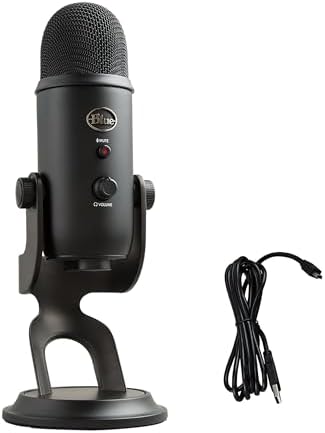
| Blue Yeti | Best Value (mic) | 4 pickup patterns, USB | ~$92 | Proven all-rounder |
| NEEWER 18" Ring Light | Best Lighting | 55W, 5600K, dimmable | ~$113 | Fixes the #1 mistake |
| Elgato Cam Link 4K | Best Capture | 4K30 / 1080p60 HDMI | ~$100 | Bring in any camera/console |
| KSIPZE RGB LED Strip | Budget Ambiance | 200ft, app + remote | ~$30 | Cheap depth and color |
🏆 Best Overall (Microphone): HyperX QuadCast 2 S
Cardioid + 3 patterns · Tap-to-mute sensor · Built-in shock mount · USB-C
✅ Pros: Excellent clean cardioid sound, intuitive tap-to-mute, internal pop/shock mounting, RGB. ❌ Cons: Pricier than entry USB mics; benefits from a boom arm for ideal placement.
The HyperX QuadCast 2 S is the microphone we recommend most new streamers build their kit around, because it gets the fundamentals right with almost no learning curve. Its cardioid pattern captures your voice from the front while rejecting keyboard clatter and room noise behind it — exactly what solo streaming needs — and three additional patterns cover interviews and group recording. The tap-to-mute sensor on top is the kind of small touch you use constantly, and the internal shock mount tames desk bumps.
Most viewers cannot tell a well-placed USB condenser from an entry XLR rig, and the QuadCast 2 S sits at the top of that USB tier. Set it to cardioid, position it close (within a foot of your mouth), and you will sound dramatically cleaner than any webcam or headset mic. Check the HyperX QuadCast 2 S listing. Prices fluctuate; verify before buying.
💰 Best Value (Microphone): Blue Yeti
4 pickup patterns · Plug-and-play USB · Onboard gain + mute · Desk stand included
✅ Pros: Proven, versatile, four pickup patterns, onboard controls, no interface needed. ❌ Cons: Sensitive to room noise if mispositioned; the desk stand picks up vibration.
The Blue Yeti has been the default "first real mic" for a decade for good reason. It is plug-and-play over USB, offers four pickup patterns (cardioid, omni, bidirectional, stereo), and includes onboard gain and mute controls you will actually use. For solo streaming, switch it to cardioid, bring it close, and tame your room a little — its main weakness is that, like any sensitive condenser, it picks up echo and noise if you place it far away and crank the gain.
For a creator who wants a known-good mic at a friendly price with zero setup complexity, the Yeti remains a smart buy and a clear step up from anything built into a headset or webcam. See the Blue Yeti details. Prices fluctuate; verify before buying.
🎯 Best for Lighting: NEEWER 18-inch Ring Light Kit
18" ring · 55W, 5600K · Dimmable · Phone + camera mount
✅ Pros: Big, even, dimmable fill light; fixes shadows; includes stand and mounts. ❌ Cons: Takes desk/floor space; single color temperature unless you add gels.
Here is the truth that surprises new streamers: lighting matters more than your camera. A modest webcam in good light beats an expensive camera in poor light, because cameras brighten dark scenes by adding grainy noise. The NEEWER 18-inch Ring Light Kit fills your face evenly at a daylight-balanced 5600K, removes harsh shadows, and lets your camera run at lower gain for a crisp, clean image.
At 55W and fully dimmable, it gives you control over intensity, and the included stand and phone/camera mounts make it usable on day one. Fix your lighting first and your existing webcam will instantly look more professional — this single purchase often does more for stream quality than any camera upgrade. Check the NEEWER ring light listing. Prices fluctuate; verify before buying.
⚡ Best Performance (Capture): Elgato Cam Link 4K
4K30 / 1080p60 · HDMI passthrough-friendly · UVC plug-and-play · USB 3.0
✅ Pros: Brings any HDMI camera or console into OBS as a clean webcam source; low-latency UVC. ❌ Cons: Needs USB 3.0 bandwidth; only worth it if you have an external source to capture.
If your stream is purely PC gameplay from a single machine, you do not need a capture card — OBS captures the game directly. The Elgato Cam Link 4K earns its place the moment you want to bring in an external source: a console, a second PC, or a real mirrorless/DSLR camera used as your webcam. It accepts an HDMI feed and presents it to your streaming software as a standard low-latency video device, with no drivers to wrestle.
This is the upgrade that takes a face-cam stream from "webcam" to "broadcast camera," and it is the natural next step once your mic and lighting are sorted. Buy it when you have a camera or console to feed it — not before. We dig deeper into capture options in our streaming starter-kit and webcam + microphone bundle guides.
🧪 Budget Pick (Ambiance): KSIPZE 200ft RGB LED Strip
200ft total · App + remote control · Adhesive backing · Low-voltage, cool-running
✅ Pros: Cheap, easy to mount, adds depth and color to a flat background, app-controlled. ❌ Cons: Adhesive needs a clean surface; cable management takes a few minutes.
A flat, dark wall behind you reads as "amateur" on camera. The KSIPZE 200ft RGB LED Strip is the cheapest, easiest fix: mount it behind your desk, monitor, or a shelf to add separation and a splash of brand color to your scene. Modern low-voltage strips like this run cool and draw little power, so they are safe to leave on behind furniture, and the app plus remote make color and brightness changes trivial.
Use the included adhesive on a clean surface, avoid coiling the strip tightly while powered, and route the controller where you can reach it. For about thirty dollars, it adds the kind of production depth that makes a background look intentional. See the KSIPZE LED strip details. Prices fluctuate; verify before buying.
What to look for in a streaming kit
Microphone pickup pattern
Cardioid is the right default for solo streaming because it captures sound from the front while rejecting room noise and keyboard clatter behind the mic. Multi-pattern mics like the QuadCast 2 S and Blue Yeti add omnidirectional and bidirectional modes for interviews and group recording, but for one person at a desk, set it to cardioid, position it close, and you are done.
Lighting CRI and color temperature
Look for a daylight-balanced color temperature around 5600K and the highest CRI (color rendering index) you can afford — higher CRI means more accurate skin tones. Dimmability matters more than raw wattage; you want control, not blinding output. A single even key light like the NEEWER ring solves most face-cam problems.
Capture passthrough and latency
If you stream a console or external camera, you need a capture device that presents a low-latency UVC source to OBS. Confirm the resolution and frame rate you need (1080p60 is the practical sweet spot) and that your USB port has the bandwidth — capture cards want USB 3.0.
USB bandwidth and port planning
A mic, a capture card, and a webcam all compete for USB bandwidth. Spread high-bandwidth devices (capture, webcam) across separate USB 3.0 controllers where possible, and avoid hanging everything off one cheap hub, which can cause dropouts mid-stream.
Background and ambiance
Lighting separates you from the background; ambiance gives the background life. An LED strip is the cheapest way to add depth and color, and it photographs far better than a bare wall. Keep it subtle — ambiance should frame you, not compete with you.
Sources
Related guides
- Best streaming microphone in 2026
- Best webcam for PC game streaming under $100
- Best game-streaming starter kit
- Best streaming webcam + microphone bundle
— Mike Perry