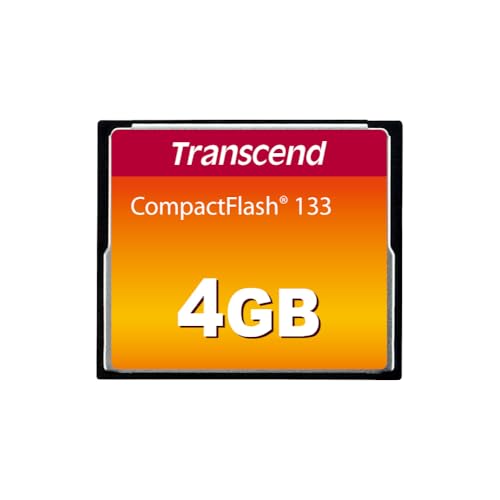
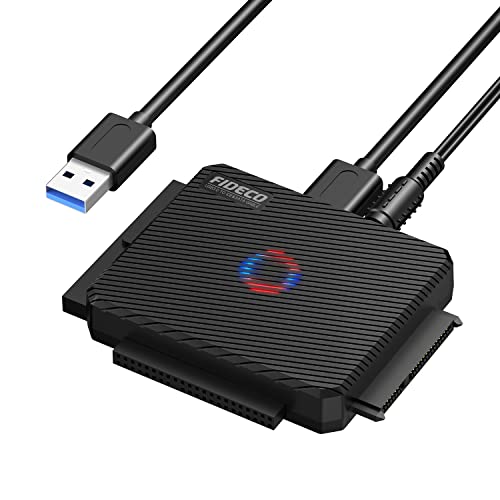
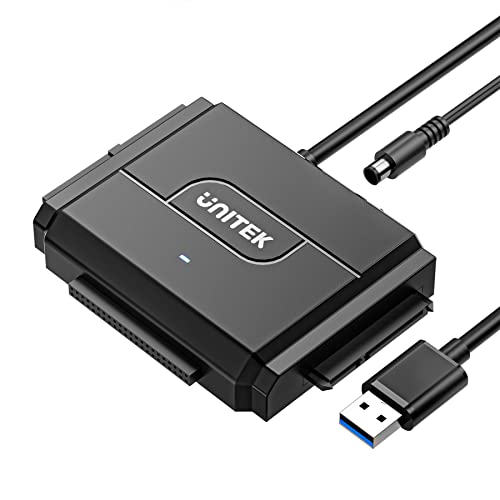
To use a CompactFlash card as a hard drive in a Windows 98 PC, fit a passive CF-to-IDE adapter into the machine's 40-pin IDE header, image a known-good Win98 install onto a fixed-disk-mode CF card such as the Transcend CF133 from a modern PC using a SATA/IDE-to-USB adapter, then boot. CF is electrically IDE-compatible, so no drivers are needed — just mind capacity and partition limits.
Why CF-as-HDD is the standard quiet, reliable retro-PC storage trick
Vintage IDE hard drives are the weakest link in any retro PC. They are loud, they run hot, they spin bearings that have been failing for twenty years, and a dead drive can end a build. Replacing that mechanical disk with a CompactFlash card solves all of it at once: the machine boots in silence, generates no heat or vibration from storage, weighs less, and runs off solid-state media you can re-image in minutes if anything goes wrong. CompactFlash is the natural choice because, unlike SD or USB, the CF electrical interface is essentially IDE — a passive adapter wires the pins straight through, so the vintage BIOS sees an ordinary IDE hard drive with no drivers and no fuss.
That compatibility is why CF-as-HDD became the default retro-storage mod rather than one option among many. It is cheap, reversible, and period-appropriate enough that purists accept it. This guide walks through which CF card to buy, which adapters you need (there are two different kinds, and confusing them is the most common mistake), the capacity and partition gotchas that bite Win98 specifically, and a step-by-step for imaging a card from a modern PC — all as of 2026. Pair it with the rest of your build using our period-correct Windows 98 gaming PC guide.
Key takeaways
- Which CF card: A reliable branded fixed-disk-mode card like the Transcend CF133; avoid the very largest capacities on old BIOSes.
- Adapter type: You need two — a passive CF-to-IDE adapter inside the machine, and a SATA/IDE-to-USB adapter to image the card from a modern PC.
- Capacity limits: Stay at or below the ~137GB barrier and use FAT32-friendly partition sizes to avoid corruption.
- Gotchas: Fixed-disk vs removable mode, the swap-file wear question, and BIOS CHS/LBA settings — all covered below.
Why replace a vintage IDE hard drive with CompactFlash at all?
Three reasons: noise, reliability, and heat. A period IDE drive whines and clatters; a CF card is silent. A twenty-year-old mechanical drive is living on borrowed time, with failing bearings and weakening platters; CF has no moving parts to fail and is trivial to back up by re-imaging. And a spinning drive adds heat and vibration to a small retro case; CF adds neither. There is a fourth, subtler reason: convenience. With a CF setup you can keep multiple cards — one per operating system or game era — and swap your entire "drive" in seconds, something no mechanical setup allows. The only thing you give up is a sliver of period authenticity, which most builders happily trade for a machine that actually works reliably.
Spec table: CF speed ratings vs a vintage IDE HDD
| Attribute | CF133 CompactFlash | Vintage IDE HDD |
|---|---|---|
| Sequential speed | ~20 MB/s (133x), interface-capped | ~5-15 MB/s typical |
| Random access | Near-instant (no seek) | High seek latency |
| Capacity (practical for Win98) | Use ≤128GB; smaller is safer | Period drives were small |
| Write cycles | Finite, with wear-leveling | Mechanical wear |
| Noise / heat | Silent / none | Audible / warm |
The "133x" rating equates to roughly 20 MB/s, which comfortably exceeds what most Win98-era IDE controllers and the vintage drives they shipped with could sustain anyway — so the card is rarely the bottleneck. Wikipedia's CompactFlash article documents the speed-rating system and the IDE/PATA electrical compatibility that makes this whole trick work.
Which adapter do you need: CF-to-IDE internal vs SATA/IDE-to-USB for imaging?
This is the point most guides get muddy, so be clear: you need two different adapters, and they do different jobs.
- Inside the retro PC you use a passive CF-to-IDE adapter that plugs into the motherboard's 40-pin IDE header. CompactFlash is electrically IDE-compatible, so this adapter just routes the pins — no chip, no driver. This is what actually runs the card as the boot drive.
- On your modern PC you use a SATA/IDE-to-USB adapter — the FIDECO or Unitek units — to read the old drive and write the CF card over USB. This is how you prepare or image the card before it ever goes near the retro machine.
Do not try to use a USB adapter inside the retro PC or expect the internal CF-to-IDE adapter to talk to a modern PC over USB; they are not interchangeable. The internal adapter runs the drive; the USB adapter images it. A Vantec SATA/IDE-to-USB adapter is another option for the imaging job if you prefer it.
Capacity and partition gotchas: the 137GB barrier, FAT32 limits, BIOS CHS/LBA
Win98-era hardware predates modern large-drive addressing, and that creates real limits you must respect. The big one is the ~137GB barrier: older BIOSes and the original ATA addressing scheme cannot address drives larger than about 137GB without 48-bit LBA support, which most vintage boards lack. Fit a CF card larger than that and the system may misreport capacity, refuse to boot, or — worst case — corrupt data as addresses wrap around. The safe move is to use a card at or below 128GB and, honestly, much smaller is fine for a Win98 build; a 16-32GB card holds the OS and a deep game library with room to spare.
The second limit is FAT32 partition sizing. Keep partitions to FAT32-friendly sizes; Win98's FAT32 implementation is happiest below 32GB per partition, and its built-in FDISK has its own quirks reporting large media. The third is BIOS geometry: set the drive to LBA mode (not CHS or "Normal") in the BIOS if your board offers the choice, and let the BIOS auto-detect the CF card's geometry. Get these three right and the card behaves exactly like a period hard drive.
Step-by-step: image a known-good Win98 install onto a CF card
- Prepare a clean image. On a working Win98 machine or a virtual machine, build a known-good install with your drivers and games, then capture it as a disk image. Keep the source partition within FAT32 limits.
- Connect the CF card to your modern PC. Use the SATA/IDE-to-USB adapter — or a dedicated CF reader — so the card appears as removable storage.
- Write the image to the card. Use a disk-imaging tool to write the image to the CF card, ensuring the partition is marked active/bootable. Mind that the card presents as a fixed disk for booting (see below).
- Set BIOS geometry on the retro PC. Install the CF card via the internal CF-to-IDE adapter, enter the BIOS, and set the drive to LBA / auto-detect.
- Boot and verify. Power on; the machine should boot from the card as if it were an IDE hard drive. If it hangs, recheck the active partition flag and LBA setting.
The classic community reference for vintage data transfer techniques is MinusZeroDegrees' transfer guide, which covers period-correct imaging in depth.
How to use a SATA/IDE-to-USB adapter to read the old drive and write the card
If you are migrating an existing install rather than building fresh, connect the original IDE hard drive to your modern PC with the SATA/IDE-to-USB adapter, image it, then write that image to the CF card the same way. The FIDECO and Unitek adapters both handle 40-pin IDE and 2.5/3.5-inch SATA, so they double as general-purpose retro-drive recovery tools — worth owning if you tinker with vintage machines regularly.
Benchmark notes: boot and load times CF vs spinning IDE disk
For random access and boot times the CF card usually wins clearly, because flash has no seek latency, so the machine feels noticeably snappier even though peak sequential throughput is capped by the old IDE interface. Cold boots shorten, application launches are quicker, and the constant chatter of disk seeks disappears. The bigger, more reliable wins are silent operation, no moving parts to fail, and lower heat. It will not transform game frame rates — those are GPU- and CPU-bound on a Win98 rig — but it makes the system genuinely pleasant to use.
The write-cycle question: does Win98's swap file kill a CF card?
In practice, rarely for hobby use. Modern CF cards include wear-leveling and far more write endurance than the old fear suggests, and a retro PC sees light duty measured in hours per week, not a server's constant churn. You can reduce writes by adding system RAM (which shrinks swap-file activity) and by tuning or relocating the Win98 swap file, but most CF-as-HDD builds run for years without a failure. The sensible discipline is the same as for any single boot drive: keep an image backup. Because re-imaging a CF card takes minutes, a CF build is actually easier to recover than a mechanical one.
Common pitfalls
- Confusing the two adapters: internal CF-to-IDE runs the drive; USB adapter images it. They are not interchangeable.
- Buying too large a card: exceed ~137GB and old BIOSes misbehave; 16-32GB is plenty.
- Removable-mode cards: some cards/adapters present as removable media, which complicates booting and partitioning — favor fixed-disk-mode setups.
- Wrong BIOS geometry: set LBA/auto-detect, not CHS, or the card may not boot.
- Oversized FAT32 partitions: keep partitions FAT32-friendly to avoid corruption.
Bottom line: the recommended CF + adapter combo
For a Win98 build, pair a reliable Transcend CF133 card (16-32GB is ideal; stay under 128GB) with a passive CF-to-IDE adapter inside the machine, and use a FIDECO or Unitek SATA/IDE-to-USB adapter to image the card from a modern PC. That combination gives you a silent, reliable, easily-backed-up boot drive that the vintage BIOS treats as an ordinary IDE disk. For the rest of the build, see our Pentium III + GeForce 3 Win98SE build log, the retro PC sound card guide, and the companion CompactFlash to IDE 50-pin adapter guide.