Ryzen 7 9800X3D Hits Record-Low Price — What It Means for AM4 Upgraders
AMD's flagship X3D gaming chip hit a fresh street-price low this week — and the ripple pushes AM4 Ryzen 5000 back into the value spotlight.
By Mike Perry, Founder & Editor-in-Chief · Published 2026-07-02 · Updated 2026-08-28 · 3 min read
The Ryzen 7 9800X3D just hit a record-low price, but AM4 upgraders may still find better value in Ryzen 5000 chips like the 5700X and 5600X in 2026.
The Ryzen 7 9800X3D price drop is worth chasing only if you already run AM5 or plan to buy a new board and DDR5 kit; for AM4 owners, the cheaper play in 2026 is a Ryzen 5000 3D-free chip like the 5700X or 5600X on a mature B550 platform. The 9800X3D leads gaming charts per TechPowerUp, but platform cost still tilts value toward AM4.
In brief — July 2026 · the Ryzen 7 9800X3D touched a record-low street price this week per Tom's Hardware, the latest tick down for AMD's flagship X3D gaming CPU and a signal that the broader Ryzen stack — especially aging AM4 Ryzen 5000 — is now the reflex value pick for budget builders.
What happened — the price move and where it landed
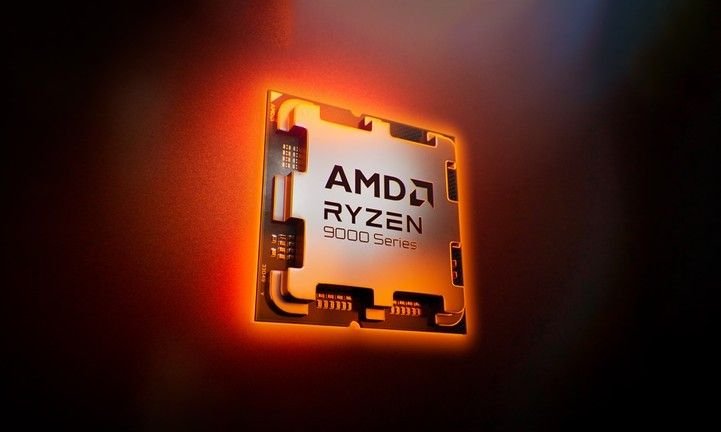
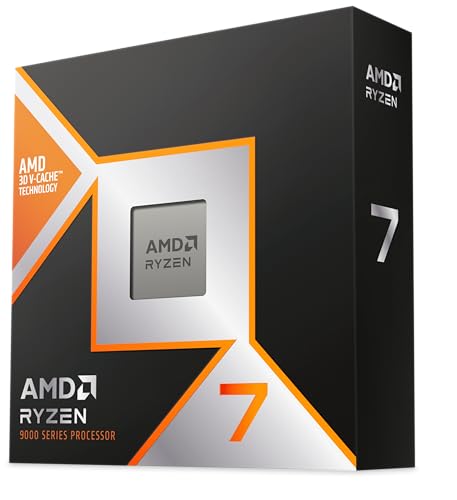
Per Tom's Hardware, the Ryzen 7 9800X3D hit a new record-low street price this week, well under its $479 launch MSRP tracked on AMD's Ryzen product page. The chip remains the top gaming CPU per TechPowerUp's 9800X3D spec sheet: 8 Zen 5 cores, 96 MB L3, 120 W TDP, and second-gen 3D V-Cache mounted below the cores for higher sustained clocks than the 7800X3D.
Why it matters — the ripple to AM4 Ryzen 5000 value
The 9800X3D is not a drop-in for AM4. Moving to it means a new AM5 board, DDR5, and often a cooler — easily $300+ on top of the chip. That platform tax is why the Ryzen 5000 line stays the reflex value answer: DDR4, B550 boards, and existing coolers all carry over. As of 2026, the 5800X, 5700X, and 5600X all pair cleanly with a midrange GPU at 1080p/1440p per the Zen 3 specs listed on AMD's Ryzen page.
As an Amazon Associate, SpecPicks earns from qualifying purchases; we also earn on qualifying eBay purchases via the eBay Partner Network. Prices shown were last tracked at crawl time and may vary — check the listing for the current price.
📹 Watch a review
What the 5800X Should Have Been: AMD Ryzen 7 5700X CPU Review & Benchmarks — Gamers Nexus on YouTube
Frequently asked questions
Should AM4 owners jump to the 9800X3D on this price drop?
Only if you're chasing top-tier gaming performance and are willing to buy a new AM5 board and DDR5, since the 9800X3D isn't a drop-in for AM4. For most 1080p and 1440p players, a value AM4 chip like the 5700X plus a good GPU delivers more frames per dollar spent overall.
Is AM4 Ryzen 5000 still worth buying in 2026?
Yes for budget and midrange builds — AM4 chips, DDR4, and B550 boards are cheap and mature, giving excellent gaming value with a card like the RTX 3060. The 9800X3D leads in raw performance, but its platform cost is much higher, so AM4 remains the pragmatic choice when frames per dollar matter.
What's the cheapest Ryzen 5000 gaming CPU worth buying?
The Ryzen 5 5600X is the value entry — six Zen 3 cores that pair cleanly with a midrange GPU at 1080p and 1440p, with a stock cooler included. Step up to the 5700X for eight cores if you also stream or do content work. Both undercut the cost of moving to a new platform entirely.
Do I need a new cooler if I upgrade my AM4 chip?
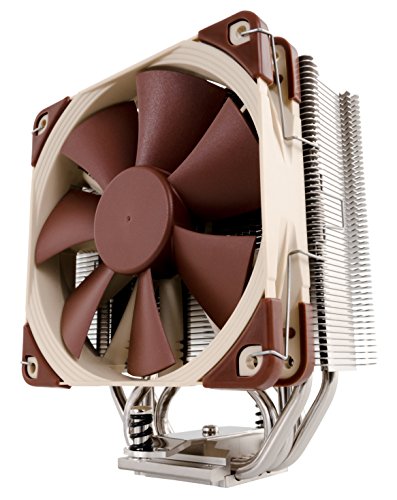
For the 5700X or 5800X, yes — they ship without a cooler and run warm, so a tower like the Noctua NH-U12S keeps clocks stable and noise low. The 5600X includes an adequate stock cooler. Reusing a decent AM4 cooler you already own is fine if it's rated for the chip's TDP.
Will the 9800X3D price keep falling?
Prices on flagship gaming chips typically ease over time and around major sales events, but supply and demand swings make timing uncertain. If you specifically want the best gaming CPU and the current price fits your budget, buying now is reasonable; if you're value-focused, an AM4 build already offers strong performance without waiting for further dips.