To run 3dfx Glide-era games on a modern PC, drop a Glide wrapper into the game's directory: dgVoodoo2 for the widest compatibility and best image quality, or nGlide for simplicity and reliability on classic Glide titles. Both translate the game's Glide calls to modern Direct3D or Vulkan so titles like Unreal, Deus Ex, Descent 3, and Need for Speed III render on current Windows 11 hardware. OpenGlide is a legacy alternative for edge cases.
Why Glide games need wrappers at all
The 3dfx Voodoo Graphics, Voodoo2, and Voodoo3 cards shipped Glide — a proprietary graphics API designed for 3dfx hardware. Games from 1996–2001 used Glide directly because it was faster and prettier than OpenGL on the cards of the era. When 3dfx went under, Glide went with it: no more drivers, no more hardware in modern systems. Games written for Glide either need real 3dfx hardware in a period build, or a software wrapper that intercepts Glide calls and re-implements them against modern APIs.
Wrappers won the mainstream long ago. Real 3dfx hardware is the museum-piece path — a fun project, but overkill for actually playing the games. This guide is about the wrapper path, which lets you install a game on Windows 11 in 2026 and have it just work.
What's the difference between dgVoodoo2, nGlide, and OpenGlide?
All three translate 3dfx Glide calls to modern APIs, but they differ in scope:
- dgVoodoo2 — the most active project. Wraps Glide 2.x, Glide 3.x, and also legacy Direct3D 1–8. Rich per-title configuration UI. Translates to Direct3D 11/12. Downloads from dege.freeweb.hu.
- nGlide — simpler, focused on Glide 2.x/3.x. Excellent compatibility for classic Glide titles. Very lightweight setup.
- OpenGlide — the original Glide wrapper. Older, less maintained, and generally superseded by dgVoodoo2 for new setups.
Match the wrapper to the specific game's compatibility, not the other way around. Some titles work only with dgVoodoo2's specific quirks; a small number work best with nGlide. The Vogons forums have a huge per-title compatibility database.
Do Glide games run on Windows 11?
Yes, with a wrapper, in most cases. The original Voodoo drivers don't exist for any modern Windows version, so the game can't detect Glide hardware on its own. Drop the wrapper's DLLs into the game folder and Windows loads them instead of hunting for the original ones. Some titles need additional compat-mode tweaks (Windows XP SP3 compatibility, disabled fullscreen optimizations, DPI scaling overrides) that are per-game and well-documented on dosdays and Vogons.
Key takeaways
- dgVoodoo2 is the default recommendation for new Glide setups in 2026.
- nGlide is simpler and often more reliable for the specific Glide 2.x titles.
- Modern GPU + wrapper > real Voodoo3 for image quality, resolution, and stability.
- Some titles also benefit from wider fixes (DDrawCompat, DXWrapper) beyond Glide.
- The exercise is legal for games you own; ISO piracy is a separate topic and outside scope.
Storage for the retro-hybrid setup
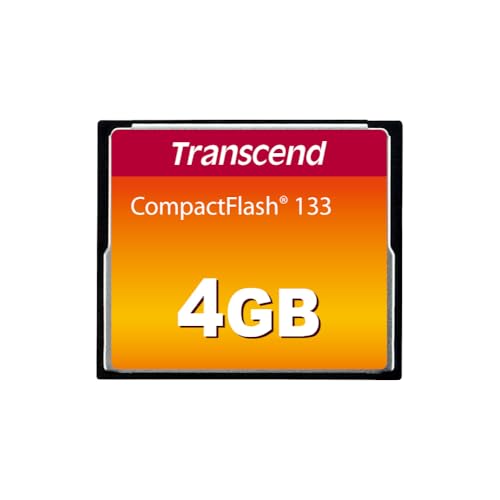
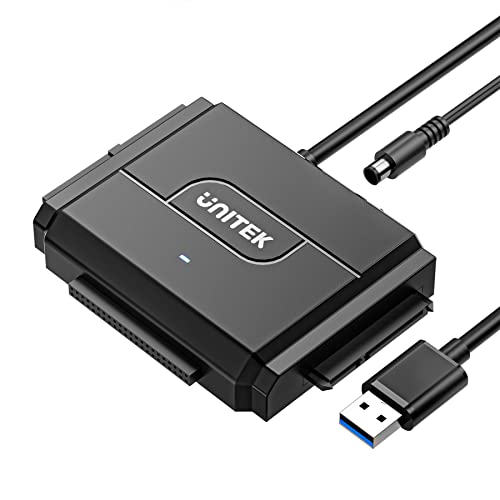
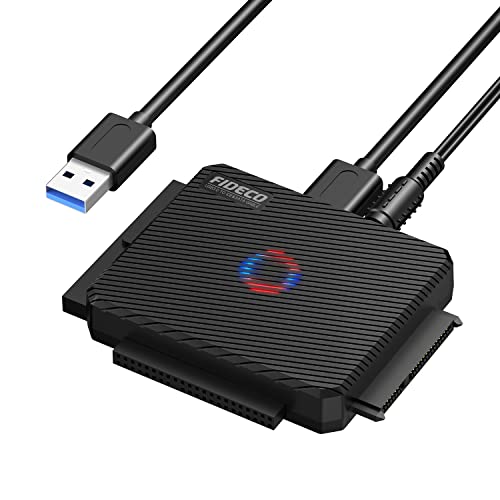
A modern PC running Windows 11 with a wrapped Glide game usually has plenty of storage. If you're restoring a period build and wrapping only for testing, a modern SSD behind an IDE-to-SATA bridge like the FIDECO SATA/IDE to USB 3.0 adapter or the Unitek SATA/IDE to USB 3.0 adapter lets you image and iterate quickly. A Transcend CF133 4GB CompactFlash is a decent period boot medium for the retro machine itself. For the storage-side of longer restoration work a Sound BlasterX G6 makes the modern audio chain pair well with wrapper-restored video — see the companion audio guide.
Installation walkthrough: dgVoodoo2
- Download the latest dgVoodoo2 from the project page.
- Extract the archive; you'll find a
dgVoodooCpl.exeand several DLL folders (MS, 3Dfx, etc.). - Copy
3Dfx/x86/glide.dll,glide2x.dll, andglide3x.dllinto the game's install directory. - Copy
dgVoodoo.confinto the same directory. - Launch
dgVoodooCpl.exe, point it at the game folder, and configure resolution, MSAA, and framerate cap. - Run the game.
Most titles work out of the box on the first attempt. Common per-game tweaks:
- Force resolution — some games ignore config; force it via dgVoodoo's forced resolution setting.
- DirectX-Ext or DirectXExtender — enables higher precision output.
- Cap FPS — many Glide-era games break at >60 fps; cap at 60.
Installation walkthrough: nGlide
Even simpler:
- Download nGlide.
- Run the installer. It places
glide.dll,glide2x.dll, andglide3x.dllin the correct system directories for wrapping. - Launch the game.
nGlide is more turnkey than dgVoodoo2 for titles it supports, but less flexible. If a game doesn't work with nGlide, try dgVoodoo2 next.
Per-title notes for common Glide games
- Unreal (1998) — dgVoodoo2 nails this. Add the modern OpenGL renderer patch for even better results.
- Unreal Tournament (1999) — dgVoodoo2 or the S3TC texture pack + OpenGL renderer.
- Deus Ex (2000) — DX10 renderer + Kentie's DirectX 10 renderer is more common than Glide wrapping; both work.
- Need for Speed III / High Stakes — nGlide is the community favorite.
- Descent 3 — dgVoodoo2 with FPS cap at 60.
- Diablo II (Glide mode) — Sven's Glide wrapper is a purpose-built alternative; check compatibility.
- Quake II — most builders use OpenGL renderers rather than Glide-wrapped in 2026, but dgVoodoo2 works.
Image quality vs original 3dfx hardware
A modern GPU running a wrapped Glide game can render:
- Native 4K instead of 640×480
- 16×MSAA instead of no anti-aliasing
- 60/120/144 fps instead of the original 20–30
- 32-bit color instead of 16-bit dithered
The trade-off: some titles were designed around the specific 3dfx dithering pattern, which they used as an artistic effect. Playing them at 32-bit color removes that texture — arguably cleaner, arguably wrong. dgVoodoo2 has settings to reproduce 16-bit dither in modern output for authenticity.
Is a wrapper as good as a real 3dfx Voodoo card?
Different, not identical:
- Image quality — wrapper wins (higher res, AA, filtering).
- Compatibility — real hardware is 100% for any Glide-supported title; wrappers can have edge cases.
- Convenience — wrapper wins (modern PC, no ISA/PCI slot hunting).
- Authenticity — real hardware wins (the exact rendering the developer targeted).
- Cost — wrapper wins ($0 vs $150+ for used Voodoo3).
For playing the game and enjoying it, wrappers are the answer. For preservation and museum work, real hardware in a period build has its place.
Common pitfalls
- Old wrapper versions. Some tutorials link ancient dgVoodoo2 releases. Always pull the latest from the project page.
- Wrong DLL path. Wrappers must be in the game directory, not System32.
- UAC blocking
Program Fileswrites. Install games outsideProgram Filesfor retro work. - Fullscreen exclusive mode broken on Windows 11. Use borderless-fullscreen where the wrapper offers it.
- Modern refresh rates confusing the game. Cap the wrapper's fps; some games do speed-based physics on fps.
Beyond Glide: broader retro wrapping
Glide is only part of the retro-graphics puzzle. Adjacent tools:
- DDrawCompat — fixes DirectDraw and D3D 1–7 titles on modern Windows.
- DXWrapper — batch replacer for legacy DirectX DLLs.
- DXVK — Direct3D 9–11 over Vulkan; occasionally helps in a modern retro chain.
- PCSX2 / DuckStation / Dolphin — full-system emulators for PSX/PS2/GC-era, adjacent problem space.
Most builders use dgVoodoo2 for Glide and DDrawCompat for DirectDraw-era stuff, layered as needed.
Bottom line
For 3dfx-era games on modern Windows in 2026, drop dgVoodoo2 into the game folder and be playing within five minutes. Reach for nGlide when a specific title works better with it. Skip OpenGlide unless you're servicing a very old setup. Real 3dfx hardware is a valid museum choice but not necessary for enjoying the games.
Related guides
- Bridging Retro Audio: Sound Blaster to G6 — the audio companion for a wrapped retro build
- Best SSD for Raspberry Pi 5 Boot Drive — SSD picks that fit retro rebuilds
- Which LLMs Fit a 12GB RTX 3060 — modern GPU picks
Sources
- dgVoodoo2 project page — download and configuration reference
- Vogons — per-title compatibility database and community fixes
- dosdays — retro-graphics history and hardware reference
Extended: per-genre wrapper strategy
Different game genres benefit from different wrapper stacks:
- First-person shooters (Half-Life, Unreal Tournament): dgVoodoo2 + high resolution + AA. Fast, gorgeous.
- Racing games (Need for Speed III, GT Legends): nGlide often wins; framerate cap is essential to preserve physics.
- RTS (Total Annihilation, Age of Empires II): DDrawCompat first, dgVoodoo2 fallback.
- RPGs (Baldur's Gate II, Icewind Dale): often use their own engine's OpenGL path — no Glide wrapper needed at all.
- Simulators (Falcon 4, Il-2): dgVoodoo2's D3D wrapping shines here.
Compatibility troubleshooting workflow
When a game doesn't work:
- Confirm the wrapper DLLs are in the game folder.
- Try running with Windows XP SP3 compatibility mode.
- Cap FPS to 60 (many Glide-era games break above this).
- Force windowed mode via wrapper config.
- Disable fullscreen optimizations on the game exe.
- Consult the Vogons per-title compatibility thread.
Most games work by step 3. Persistent failures often trace to memory-mapped file handling on modern Windows that the wrapper alone can't fix.
Modern-era resolution ceilings
Wrapping Glide to Direct3D 12 or Vulkan means you can render at 4K without touching the game's engine. Reasonable ceilings:
- Native 4K: modern GPUs handle this trivially for Glide-era workloads
- 8K: works but often introduces UI scaling issues in older games
- 21:9 ultrawide: dgVoodoo2 supports it; some games render HUD elements off-screen
The 12GB VRAM cheat sheet covers GPU picks for modern rigs that pair well with wrapped Glide.
Frame-limiter and refresh-rate hygiene
Glide games often lock physics to frame rate. Uncapped frame rates at 240 fps break them. Two paths:
- Wrapper-side: dgVoodoo2's built-in FPS cap
- Game-side: dxwnd or a per-game frame limiter mod
Set to 60 or the game's original design ceiling (usually 30 or 60).
Storage picks for retro rigs
For the retro rig itself:
- Modern SATA SSD + IDE-to-SATA bridge: silent, fast, cheap. Use the Unitek or FIDECO adapters.
- CompactFlash + CF-to-IDE: period-appropriate, silent. The Transcend CF133 4GB is a reference-quality module.
- Real IDE HDD: authentic but noisy and failure-prone; museum choice.
The wrapped-Glide path doesn't care about storage speed for performance, only for install/patch iteration ergonomics.
Long-term maintenance
dgVoodoo2 receives ongoing updates; check the project page yearly for improvements. nGlide is stable and rarely changes. OpenGlide is essentially archived. Keeping a versioned "wrappers" folder with the exact release you validated per game avoids surprises on Windows updates.