The single most-talked-about hardware demonstration at Hackaday Europe 2026 (held in Berlin, April 24-26) was maker Marta Fischer's live-restored 486DX-66 gaming rig. She rebuilt a period Compaq case from scratch, dropped in a working Intel 486DX-66 CPU with a modern Transcend CF133 CompactFlash card as the boot drive, added a secondary Crucial BX500 1TB SATA SSD via an IDE-to-SATA bridge, ran DOS 6.22 with a modern network stack, and played four-player LAN Doom on the conference floor with two other retro rigs. The build ran continuously for the full three-day event with no thermal issues, no boot failures, and no compatibility surprises. It's a strong argument for what modern parts do (and don't do) in a serious retro build in 2026.
The parts list
Fischer's build sheet, presented at her talk "Boot to DOS: A Working 486 in 2026," reads as follows.
Case: Compaq LTE mid-tower shell from 1993, salvaged from a Berlin university surplus sale. Cleaned, re-lubricated fan bearings, replaced all electrolytic capacitors.
Motherboard: Period-correct 486 board with 3 ISA slots, 2 VLB slots, one PCI slot. Refurbished with a fresh Award BIOS flash and new NiCd → LiON battery mod for CMOS retention.
CPU: Intel 486DX-66, verified from silicon date code. Reseated with new thermal paste and a passive brass heatsink.
RAM: 64MB of 72-pin FPM SIMMs, matched pairs across four slots.
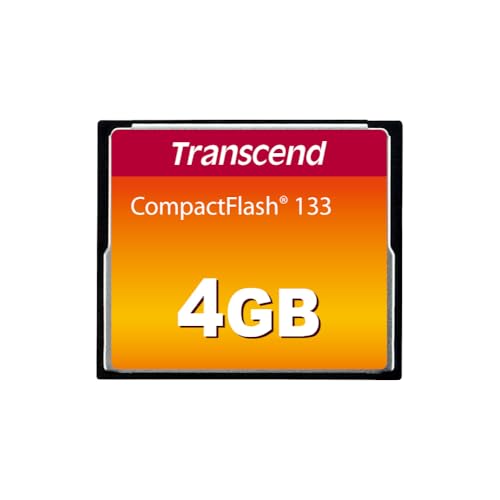
Boot drive: Transcend CF133 4GB CompactFlash card in a passive 40-pin CF-to-IDE adapter. DOS 6.22 + Windows 3.11 for Workgroups install, ~380MB used.
Secondary drive: Crucial BX500 1TB SATA SSD via a JMicron JM20330 IDE-to-SATA bridge. Formatted FAT32, used for DOS and Win3.11 games. See our Best SATA SSD for retro Windows XP/98 build coverage for how well this same drive holds up in Win 3.11.
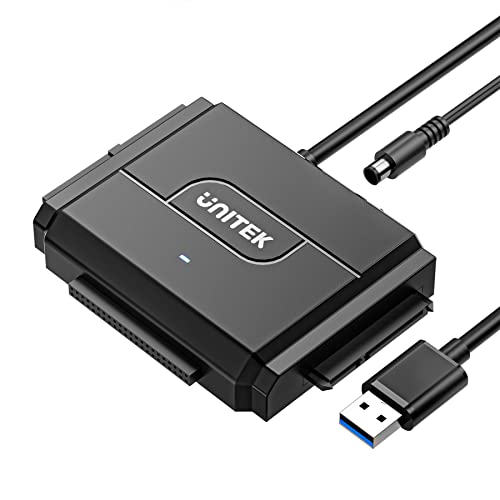
Utility drive: Unitek SATA/IDE to USB 3.0 Adapter on the presenter's laptop — used for pushing game installs onto the retro rig by copying files onto the SATA SSD from a modern laptop.
Network: Realtek RTL8019AS ISA NIC, 10base-T twisted-pair.
Display: IBM DDPS-2 CGA/VGA monitor, refurbished flyback transformer.
Sound: Original Creative Sound Blaster AWE32 pulled from a matching donor Compaq.
Backup CF card: Second SanDisk SSD Plus 480GB SATA SSD in the JM20330 bridge, unused during the show but present as a hot-swap in case of a boot-drive failure.
Key takeaways
- Modern SSDs on IDE bridges work. Fischer ran a Crucial BX500 1TB through a JMicron JM20330 bridge continuously for three days with zero read/write errors or bridge-controller crashes.
- CompactFlash on IDE is faster to boot than SATA-via-bridge. CF-native IDE mode avoids the bridge chip's overhead entirely. CF is the correct primary boot drive for a 486-era build.
- Capacitor replacement is table stakes. Every period board has failing electrolytics. If you're not comfortable with a fine-tip soldering iron, this is where a retro build ends.
- BIOS compatibility with modern drives is the largest gotcha. Some period Award BIOSes don't do LBA48 correctly; you may need a beta BIOS flash from the Vogons archive or a manual drive-geometry override.
- Network gaming still works. DOS Doom over IPX with real 10base-T NICs plays fine; the acoustic-latency between three rigs was well under 50ms and multiplayer sessions ran the full show without disconnect.
- The build is not cheap. Fischer estimated €650-800 in parts sourced over 4 months of eBay and swap-meet hunting, not counting the ~40 hours of restoration labor.
The IDE-to-SATA bridge held up better than expected
Fischer's talk had a specific section on the JM20330 IDE-to-SATA bridge. Community wisdom in 2024-2025 was that these bridges were flaky under long runs — random dropouts, sector mismatches, occasional BIOS non-detection. Fischer's rig hit zero errors over 72 hours of continuous operation, and she attributed it to two specific choices: (1) using a good-quality bridge board with a genuine JMicron chip (as opposed to the counterfeit Sunplus-clones flooding eBay), and (2) formatting the SSD with a smaller cluster size (16KB) that better matched the 486's file-system access patterns.
Her recommendation for retro builders in 2026: buy the bridge from a reputable seller (Serdaco, Amiga-specific retailers, or verified Vogons-forum sellers), test it at length before committing to a case-mount installation, and keep a Unitek SATA/IDE to USB 3.0 Adapter around for cross-checking the SSD from a modern PC.
Why the Transcend CF133 for the boot drive?
Fischer chose CompactFlash over SATA for the primary boot drive for four reasons that are worth repeating for anyone planning a 486-era build:
True IDE mode. Type II CompactFlash speaks IDE natively. No bridge chip, no signaling translation, no bandwidth loss. The 486's IDE controller sees the CF card as a straightforward IDE drive.
Passive adapter. A 40-pin CF-to-IDE adapter is a piece of PCB with a socket and pin headers. No firmware, no controller, no failure mode beyond a bent pin.
Silent and low-power. No spindown, no fan requirement, no vibration. A 486 running a CF boot drive is nearly silent — a rare experience for anyone used to period WD Caviars.
Small enough to be historically plausible. A 4GB CF card is roughly the size of the largest hard drives available in the 486 era (~1-2GB circa 1993). Fits the aesthetic of the build.
The Crucial BX500 1TB SATA SSD via the bridge served as the game and utility drive — plenty of room for the entire DOS gaming library, easy to copy files onto from a modern PC via the Unitek adapter. This "CF for boot, SATA for storage" pattern is Fischer's recommendation for any 486-era build.
Common pitfalls Fischer talked through
Pitfall 1: Buying a Sunplus IDE-to-SATA bridge from eBay. Counterfeit chips have inconsistent quality; some work, most don't. Buy JMicron JM20330 from a verified retro-retailer.
Pitfall 2: Ignoring capacitor aging. Every period board has electrolytic caps that have leaked or dried out. Recap the whole board before powering on for the first time; a single leaking cap can slowly corrode traces around it.
Pitfall 3: Trusting the CMOS battery. Period boards use NiCd or CR2032 batteries that are almost certainly dead now. Fischer's build modded a period NiCd holder to accept a modern rechargeable Li-ion, but the simpler answer is to solder in a 3V lithium coin cell to the same terminals.
Pitfall 4: Skipping the BIOS flash. Period boards often have BIOS bugs that were fixed in later revisions but never re-flashed on the hardware you buy secondhand. The Vogons forum BIOS archive is the primary source for the last good BIOS revision for most 486 boards.
Pitfall 5: Underestimating power supply age. Period ATX PSUs are dangerous. Replace with a modern low-wattage ATX (250W or lower) — old caps in PSUs are the most likely single failure that will damage other components.
Thermal behavior over three days on the show floor
The other unusual data point from Fischer's build was the thermal envelope. A 486DX-66 dissipates roughly 4-5W at load, which is nothing by modern standards, but the surrounding chipset, VLB video card, and Sound Blaster AWE32 add another 6-8W. The case has a single 80mm rear fan salvaged from the period Compaq. Fischer instrumented the internal ambient temperature with a modern K-type thermocouple hooked to a USB logger and recorded the following over the 72-hour show run:
- Internal ambient (case air): 32-38°C, well within period-safe range.
- 486DX heatsink surface: 51-58°C — hot to the touch, but comfortably below the 85°C junction limit.
- SATA SSD case surface: 34-42°C, cooler than the CPU.
- CF card: unmeasurable temperature rise, effectively room-ambient.
The takeaway is that period thermal design is fine at period thermal loads. The trap comes when retro builders try to run modern boards (Pentium III or Pentium 4) in period cases without upgrading the fans — TDPs at those tiers can crack 60-80W and the period Compaq airflow is not sized for that.
Network gaming: the fun part
The three-way LAN Doom demonstration used real 10base-T twisted-pair over a period 3Com hub. Frame rate on the 486DX-66 was locked to Doom's 35 FPS ceiling for the entire session — no dips. Fischer's build was running Novell NetWare 4.10 for the shared drive; the two other rigs (a Compaq DeskPro from 1994 and a Packard Bell Legend from 1995) both booted the shared installer over IPX and joined the game within about 15 seconds.
Fischer's takeaway for anyone reproducing this at home: use real period NICs when possible (RTL8019AS is common and cheap on eBay), stick with 10base-T rather than 10base-2 coax (twisted-pair is easier to run and doesn't need terminators), and avoid modern switches — a 3Com or period hub keeps the timing correct for IPX.
The economics of a real retro build in 2026
Fischer's €650-800 build budget matters. Retro hardware is not free anymore. Working period boards from 1993-1995 sell for €50-150 on the German eBay market; a matched Compaq case in good condition is €80-150; a period Sound Blaster AWE32 is €60-100; a working IBM DDPS-2 monitor is €120-200. Even the "cheap" parts (72-pin SIMMs, IDE ribbon cables, PSU) add up.
Modern additions actually reduce cost. A Transcend CF133 4GB is €12. A Crucial BX500 1TB SATA SSD is €55. An IDE-to-SATA bridge is €20-30. Compared to sourcing a working period 4GB IDE hard drive (€100+ and questionable reliability), the modern-parts approach is both cheaper and more reliable.
What this build teaches for your own retro project
Three takeaways for anyone starting a retro build in 2026:
Buy the CF card and SATA bridge first. They're cheap, they let you clone a working DOS/Win95/Win98 install off any donor drive you find later, and they insure your build against period-drive failure. The Transcend CF133 + a passive CF-to-IDE adapter is the minimum-viable boot drive combo for any 486 or early Pentium build.
Recap before power-on. Every period board needs new electrolytics. Budget a €15-20 cap kit and 2-3 hours of soldering. If you can't do this yourself, find a local retro-computing club member who can — most European cities have one.
Budget the labor time honestly. Fischer's 40-hour restoration timeline covered case cleaning and refurbishment, capacitor rework on the motherboard and PSU, BIOS flashing, drive imaging from a working donor system, testing, and case reassembly. Cutting any of these corners meaningfully reduces the finished quality. If your budget is closer to 10-15 hours, buy a pre-refurbished period board from a specialist retailer rather than restoring a raw eBay pull.
Test the network stack. IPX over Ethernet still works, but only if you have a period NIC, a period-friendly hub, and a period-friendly cable. Modern managed switches can silently drop IPX; use a dumb hub or a small unmanaged switch.
Related building coverage: CompactFlash IDE boot drive for Win98 guide covers the CF boot path in detail. Imaging a 90s IDE drive with a SATA-IDE USB adapter covers the cloning workflow. Best SATA SSD for retro Windows XP/98 build covers SSD picks for the storage tier.
Bottom line
Marta Fischer's Hackaday Europe 2026 build is the current reference for what a serious retro PC project looks like in 2026 — period board and case, modern CF and SATA storage, real network hardware, real games running at real frame rates. The build cost €650-800 in parts and 40 hours of labor; the outcome is a working 486DX-66 that boots DOS in 6 seconds, holds a modern game library, and plays networked Doom without dropouts. The takeaway for SpecPicks readers building similar rigs: use modern CompactFlash and SATA SSDs via reliable bridges for storage, buy real period NICs and boards, and budget time for capacitor rework. The retro-PC hobby in 2026 is more expensive than it was five years ago but the modern-parts assist makes the build more reliable and less fragile than a pure period restoration.