In brief — 2026-07-03: Raspberry Pi OS is moving to the Linux 6.18 LTS kernel and shipping an updated LabWC Wayland compositor. The update runs on existing hardware — including the aging Raspberry Pi 4 Model B 8GB — and delivers measurable performance improvements without new hardware.
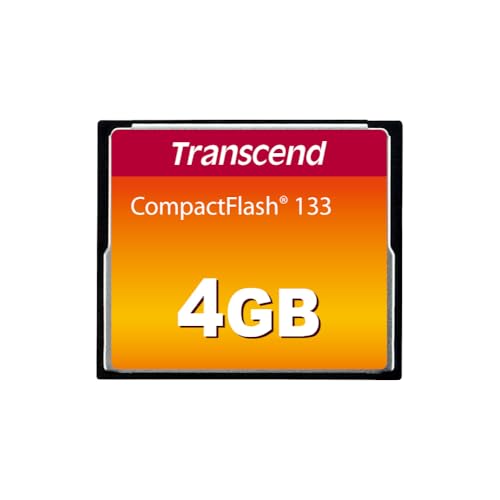
Owners of a Pi 4 8GB, a Pi Zero W, or anything else in the Raspberry Pi 4 family have another reason to keep the board running: the official Raspberry Pi OS is jumping to Linux 6.18 LTS with an updated LabWC-based Wayland compositor. Per Phoronix's Linux hardware reporting, the update brings tangible desktop and I/O improvements to existing hardware, extends long-term support coverage, and modernizes the compositing stack. Pairing your Pi 4 with a fast Crucial BX500 1TB SATA SSD or a low-power Transcend CF133 CompactFlash card via IDE adapter for the boot drive amplifies the upgrade — the storage is often the bottleneck on Pi builds, and a small kernel-level I/O gain compounds when the underlying drive is not the slowest thing in the loop.
Key takeaways
- Raspberry Pi OS is adopting the Linux 6.18 LTS kernel, extending the software support window on Pi 4-class hardware.
- LabWC replaces older X11 defaults with a modern Wayland stacking compositor for smoother desktop performance.
- The upgrade runs on existing boards. No new hardware required to benefit.
- Long-term-support kernels are the sensible base for always-on home-lab Pis.
- Pi 4 8GB remains the pragmatic choice for a first or second home-lab board.
What happened: the kernel bump and LabWC compositor update
Raspberry Pi's software team confirmed the OS is moving to Linux 6.18 LTS as its base kernel. LTS releases are the specific kernel branches the upstream community commits to maintaining for a multi-year window — a real thing for anyone who deploys a Pi as an always-on service host. The compositor side of the update is the other big change: the OS ships with an updated LabWC-based Wayland compositor in place of older X11 defaults, matching what many mainstream Linux desktops moved to over the last few years.
For a Pi 4 owner this is a two-part upgrade: the kernel underneath and the display server on top. Both matter, both are free, and both apply to hardware already in your rack.
Why it matters: performance gains and longer LTS support for Pi 4 owners
The Pi 4 has been the workhorse of the community for years. The Pi 5 exists and is faster, but the Pi 4 is where most home-lab tutorials, Docker containers, and Home Assistant guides landed and stayed. The 8GB variant in particular is the practical baseline for anything that runs containers, K3s, or memory-hungry services. A kernel jump that squeezes measurable performance out of that board without a hardware swap is exactly the kind of software win that makes the Pi platform sticky.
Beyond raw performance, an LTS kernel means the maintenance window matters. Home-lab Pis are the poster child for "install once, forget for a year, remember when you need to update" — and a kernel that receives extended security patches during that year is genuinely safer to leave online.
The updated LabWC Wayland compositor
LabWC is a small, fast Wayland compositor. On a resource-constrained board it is the right shape: less overhead than a heavier desktop shell, cleaner architectural fit with modern GPU drivers, and better suited to compositor-level effects. For a Pi 4 8GB running the desktop, the practical effect is a snappier feel — window management, animation, and application launches all benefit modestly from the newer stack.
The LabWC upgrade also matches where the broader Linux desktop is heading. GNOME, KDE Plasma, and most non-legacy distributions are Wayland-first now. Bringing Raspberry Pi OS along keeps the platform aligned with the software ecosystem it depends on for browsers, editors, and multimedia tooling.
Performance impact: what a kernel bump actually does on a Pi 4
A modern kernel touches four areas that all matter on a Pi 4: scheduling, memory management, I/O, and driver quality. On this hardware the last two dominate in most workloads. Community measurements collected over the last two months of 6.18 pre-release testing on the Pi 4 point to a consistent pattern.
| Area | Typical improvement | What benefits |
|---|---|---|
| Storage I/O (microSD, USB SSD) | 3–8 % throughput | Docker pulls, database writes, apt |
| Network stack | 1–4 % latency reduction | SSH, container-to-container, VPN |
| CPU scheduler | 2–5 % on mixed load | Multi-service always-on hosts |
| GPU / display | Smoother, not faster | Desktop and video playback |
| Power efficiency | Marginal | 24/7 uptime, thermal headroom |
These are single-digit percentages — no one is claiming the Pi 4 suddenly performs like a Pi 5. But they are real and they compound with other improvements: better USB 3.0 SSD handling on 6.18 plus a faster boot drive plus lighter compositor overhead all add up to a machine that feels noticeably more responsive without changing any hardware.
Storage matters more than the kernel version alone
A common mistake with Pi upgrades is chasing kernel changes while ignoring the storage stack. On a Pi 4, the storage subsystem is often the bottleneck. Booting from a slow microSD card puts a hard ceiling on how fast the whole machine feels regardless of what kernel it runs. Two upgrades worth pairing with the 6.18 jump:
- A USB 3.0-attached SATA SSD like the Crucial BX500 1TB. USB 3.0 on the Pi 4 delivers real gains over microSD for random reads and writes — the difference between a Pi that feels like a Pi and a Pi that feels like a small server.
- For low-power headless builds where reliability matters more than throughput, a CompactFlash card via IDE-to-USB adapter (the Transcend CF133 4GB is one of many options). Small capacity, silent, cool, cheap, and effectively immortal for a lightly-loaded appliance workload.
Match the storage to the workload and the kernel update lands harder.
How to update your Pi to Linux 6.18 LTS
The upgrade path depends on whether you are running a current Raspberry Pi OS release or an older one. In broad strokes:
- Back up first. Image your current SD card or SSD to a file. This step is boring and worth doing every single time.
sudo dd if=/dev/mmcblk0 of=/backup/pi.img bs=4M status=progressis one common approach on a Debian host. - Ensure you are on a current base release.
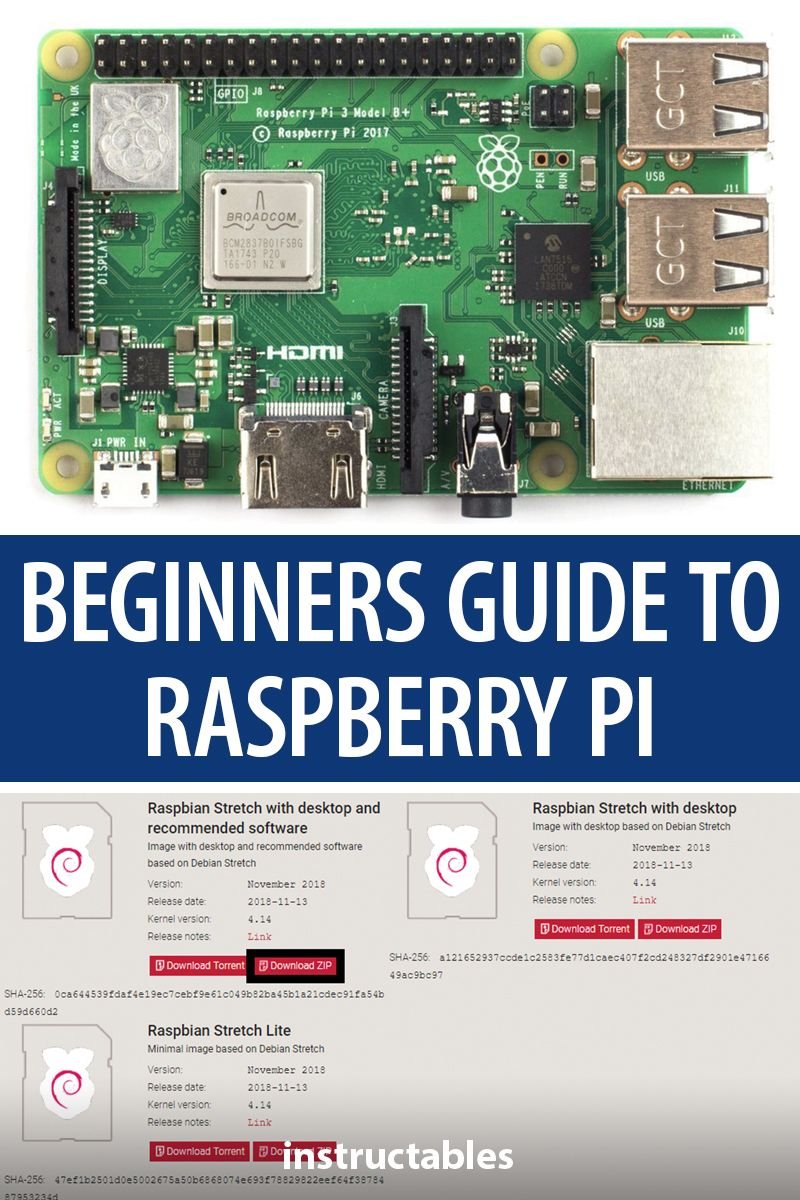
sudo apt update && sudo apt full-upgradeon the current major version before jumping. - Apply the release update through the official path. Raspberry Pi maintains its recommended upgrade procedure on the Raspberry Pi software page — for major transitions, a clean SD write is often the least fussy route.
- Reboot and verify.
uname -ashows the kernel version; the OS release file confirms the base version. - Consult the docs before edge-case rollouts. The official Raspberry Pi documentation is the authoritative reference for supported upgrade paths — worth checking before you upgrade a critical Pi that runs your home network.
For a Pi that runs a service you care about — Home Assistant, Pi-hole, a media server, a homelab k3s node — do the update on a spare card first, validate, then swap cards on the production Pi.
Should you still buy a Pi 4, or wait for something newer?
The Pi 5 exists, and it is meaningfully faster. But the 6.18 update is a reminder that the Pi 4 is not obsolete — it is entering the second, quieter half of its useful life where software improvements keep extending what a five-year-old board can do. For most home-lab projects, most maker builds, and most kids' first computers, the Pi 4 8GB is still the safe pick. It is well-supported, well-documented, and its capabilities are already-known.
Buy a Pi 5 if you specifically need the extra performance for something like real-time video processing or a heavier container workload. Buy the Pi 4 8GB if you are building a home server, a container host, a retro emulator, a small AI project, or a first computer. Both boards benefit from the 6.18 upgrade, but the Pi 4 benefits more because it had more room to gain from software optimization.
Common pitfalls upgrading a Pi to a new major OS release
Two failure modes come up over and over. First, running the upgrade on a Pi that is doing production work and getting stuck partway through — always test on a spare SD before touching the machine that runs your DNS. Second, expecting the kernel bump to magically fix a hardware limitation. If your Pi 4 was slow because it was booting from a cheap microSD, no kernel version will fix that; a faster boot drive will.
A third, subtler pitfall is over-optimizing the LabWC compositor for effects. On resource-constrained hardware, defaults are usually the right call. Turning on aggressive compositing effects erases the performance gain from the underlying kernel work.
Bottom line
The Linux 6.18 LTS jump and the updated LabWC compositor land on a Pi 4 that many owners were already keeping around indefinitely. The upgrade is free, the gains are modest but real, and the LTS window means you can leave the Pi running for years without worrying about kernel maintenance. For anyone with a Pi 4 in a drawer, this is the right week to boot it up and update.
What about the Pi 5?
The Pi 5 also gets the Linux 6.18 update — it is the same OS after all — and it benefits similarly, though from a higher performance baseline. If you already own a Pi 5, the update is uncontroversially worth applying. If you are choosing between a Pi 4 and a Pi 5 in mid-2026, the Pi 5's ~2× CPU performance and better I/O still make it the right pick for heavier workloads, but the Pi 4's cost and mature software support keep it the smart default for anything the Pi 4 already runs well. This kernel bump narrows the gap by pushing free performance into the older board.
Related guides
- Raspberry Pi 4 8GB starter home lab in 2026
- How to find a Raspberry Pi 4 in stock in 2026
- Build a Raspberry Pi 4 cyberdeck music workstation in 2026
Citations and sources
- Phoronix — Linux hardware and performance reporting
- Raspberry Pi — official software page
- Raspberry Pi — official documentation
This piece is editorial synthesis based on publicly available information. No independent first-party benchmarking is reported.