For a period-correct 1998 Voodoo2 SLI Win98 gaming PC built in 2026, the workable recipe is: a late-90s Slot 1 Pentium II/III or Slot A Athlon platform with a 440BX or KX133 chipset, 128-256 MB of PC100 SDRAM, a pair of 3dfx Voodoo2 12MB cards connected via SLI ribbon cable, a quality 2D card with a clean RAMDAC, a CompactFlash + IDE adapter for the boot drive (silent and reimageable), and a vintage SoundBlaster AWE or modern SoundBlasterX G6 bridging audio capture. Expect roughly 60-90 FPS on Quake 2 timedemo at 800×600 and the ability to push 1024×768 in Glide titles that a single Voodoo2 couldn't sustain.
The Voodoo2 SLI configuration is the iconic late-90s gaming PC for a reason — it was the first consumer dual-GPU setup, it delivered a real performance jump in the games that mattered, and it produced visuals (16-bit color with the trademark Voodoo dithered look) that defined how PC gaming felt for two years. Building one in 2026 is a labor of love rather than a performance exercise. The reward is a working, recordable, reliable showcase rig that runs Glide-native games the way they were meant to look.
Key takeaways
- Voodoo2 SLI doubles fill rate and unlocks 1024×768 in Glide games — the headline reason to bother.
- You still need a 2D card; the Voodoo2 is 3D-only and chains through the 2D card's output via the supplied pass-through cable.
- CompactFlash + IDE adapter is the right boot media in 2026 — silent, cool, image-able, and reliable.
- Period audio matters; a SoundBlaster AWE 32/64 is the authentic pick, with a modern Sound BlasterX G6 useful for clean capture and recording.
- Glide-native games (Quake 2, Unreal, Half-Life with 3dfx mini-driver, Need for Speed III) are where the SLI shines; non-Glide titles see smaller gains.
What you'll need checklist
- Motherboard + CPU: a 440BX board with a Slot 1 Pentium III 600-1000 MHz, or a KX133/KT133 board with a Slot A Athlon 700-1000 MHz. Either platform was current when Voodoo2 SLI peaked.
- RAM: 128-256 MB of PC100 SDRAM. More than 256 MB is wasted on Win98SE; less than 128 MB makes the system swap in modern-feeling games of the era.
- Voodoo2 cards: a matched pair of 12MB cards (Quantum3D Obsidian X-24, Creative 3D Blaster Voodoo2, or any 12MB SKU). 8MB cards work but limit max resolution.
- 2D card: a Matrox G400, ATI Rage 128, or NVIDIA TNT2 from the era. Matrox is the connoisseur pick for desktop sharpness.
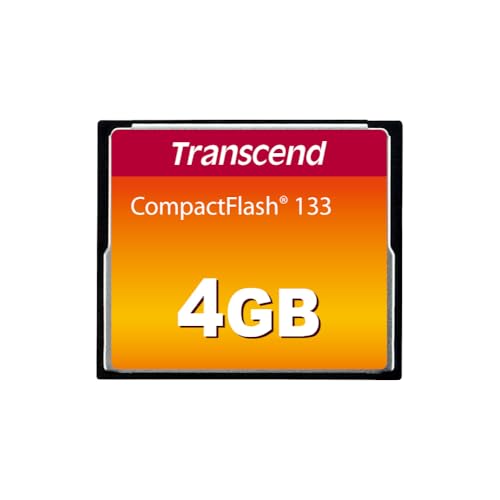
- Boot drive: CompactFlash card on a CF-to-IDE adapter — silent, reimageable, fail-safe. The Transcend CF133 is a well-tested choice.
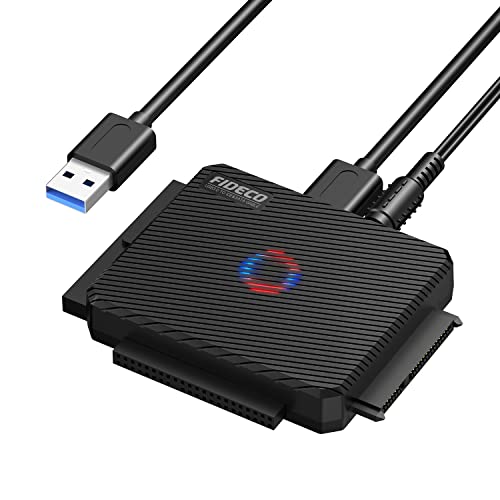
- USB bridge for imaging: a FIDECO, Unitek, or Vantec SATA/IDE-to-USB adapter on your modern PC to image discs and write the CF card.
- Sound: a Creative SoundBlaster AWE 32/64 for the period-authentic ISA sound, or a Sound Blaster Live! Value for late-Slot 1 / Slot A builds. A modern Sound BlasterX G6 bridges to a modern capture chain.
- Case + PSU: a beige ATX case is the period statement piece. A modern 300-400W ATX PSU is electrically fine; sticking with a period PSU adds risk of capacitor failure.
The boot-media decision: CompactFlash + IDE vs vintage HDD
Period mechanical drives are the biggest reliability gamble in a retro build. 25-year-old IDE drives suffer from stiction (the heads stuck to the platter at rest), bearing failure, controller-board capacitor degradation, and slow data corruption. A drive that boots today can fail next month.
A CompactFlash card on a CF-to-IDE adapter solves all of this. The CF appears to BIOS and Win98 as a normal IDE drive at the geometry the adapter exposes. It's silent, cool, draws minimal power, and — most importantly — you can image and restore the entire installation in seconds on a modern PC. A botched driver install? Re-flash the card from a known-good image. A failed experiment? Roll back without retyping setup steps.
The trade-offs are minor: CF has write-endurance limits (irrelevant for a single boot+game install), some CF cards don't enumerate in some adapters (stick with well-tested SKUs like the Transcend CF133), and CF doesn't sound right in a period rig (the silence is too quiet — there's no spin-up whine). For a working showcase machine, those are easy trades.
Installing Win98 and the Voodoo2 SLI cabling
The build order matters:
- Install the 2D card and confirm Win98 boots normally with a working desktop.
- Power down. Install both Voodoo2 cards in adjacent PCI slots; make sure they're in correct orientation (top card has the SLI ribbon cable's keyed connector facing down).
- Connect the SLI ribbon cable between the two Voodoo2 cards' internal SLI headers.
- Connect the pass-through VGA cable: monitor → top Voodoo2 → top Voodoo2's pass-through → 2D card's VGA out. The Voodoo2 chain sits between the monitor and the 2D card.
- Boot Win98. Install the 2D card's drivers first. Reboot.
- Install the 3dfx Voodoo2 reference drivers — pick the latest community-maintained build (the SFFT or Amigamerlin sets are the community standards).
- Reboot. The Voodoo2s should now be visible to the system as a single rendering target.
- Run the 3dfx test program (
3dfxtest.exe) or the included demos to confirm SLI is active.
The most common gotcha: the pass-through cable is keyed but it's possible to seat it incorrectly and produce a washed-out desktop or no signal. If your desktop image is dim, blurry, or has color shifts, the cable is the first suspect.
Glide vs OpenGL vs D3D — which games light up
Voodoo2 SLI shines in Glide-native and Glide-patched titles. The headline games:
- Quake 2 with the 3dfx mini-driver: 800×600 at 90+ FPS, 1024×768 at 60+ FPS on the SLI.
- Unreal with the Glide renderer: the Voodoo2 SLI was the recommended config when the game launched and still produces a notably better-looking image than software rendering.
- Half-Life with the 3dfx mini-GL: smoother and more colorful than software, though OpenGL on later cards eventually surpassed it.
- Need for Speed III in Glide mode: the canonical "this looks amazing" demo of the era.
- Tomb Raider 2/3 with Glide patches: substantially better than software.
Direct3D titles see smaller gains. OpenGL titles outside the 3dfx mini-driver ecosystem (the early Quake 2 OpenGL path notwithstanding) often perform similarly or worse than period non-3dfx cards. Curate your library around Glide; that's where the magic is.
Benchmark targets
| Test | Single Voodoo2 12MB | Voodoo2 SLI 12MB | Notes |
|---|---|---|---|
| Quake 2 timedemo @ 800×600 | 35-50 FPS | 60-90 FPS | Standard cited benchmark |
| Quake 2 timedemo @ 1024×768 | Not supported (max 800×600 on single 12MB) | 45-65 FPS | SLI unlocks the higher res |
| 3DMark99 Pro | ~2500-3500 marks | ~4500-6000 marks | Period synthetic benchmark |
| Unreal flyby @ 800×600 | 25-35 FPS | 45-55 FPS | Less SLI scaling, still meaningful |
These are typical community numbers from the Vogons forum and contemporary reviews; specific results depend heavily on CPU clock, driver version, and the exact card revision.
Period audio + modern capture bridge
For period-correct audio, the SoundBlaster AWE 32 or AWE 64 was the dominant card during the Voodoo2 era and is the right choice for an ISA-equipped board. A SoundBlaster Live! Value covers PCI-only Slot 1/A builds. Both deliver the authentic FM synthesis and General MIDI sound that defined the era.
For modern capture and recording (livestreaming a retro rig, recording demos for YouTube), the Sound BlasterX G6 is the bridge. Feed the line-out from the period sound card into the G6's line-in, and the G6 presents a clean USB audio capture to a modern recording PC. The G6's headphone amp also makes for crisp playback when you're testing or playing in the same room. It's an anachronism inside the build but the right tool for the capture-and-archive job.
Video capture is harder. The 2D card's VGA out doesn't go cleanly into modern HDMI capture; you need a VGA-to-HDMI converter that can downscale to a capture-friendly resolution, or a USB VGA capture card. Plan this part of the chain early — some 2D cards and refresh rates don't cooperate with modern capture devices.
Common mistakes
Pass-through cable orientation. Reversed pass-through means a dim or missing desktop image. The cable is keyed but easy to misalign.
Refresh-rate limits. Voodoo2 SLI maxes out around 85 Hz at 1024×768 due to the pass-through cable's analog bandwidth. Cranking the refresh higher produces a hazy image.
Driver conflicts. Installing the Voodoo2 drivers before the 2D card's drivers can confuse the device manager. Install 2D first, reboot, then 3D.
Capacitor failure. Period motherboards and PSUs are full of failing electrolytic capacitors. Inspect, recap if needed, or accept the risk.
Mixed Voodoo2 SKUs. Some SLI configurations refuse to work with mismatched cards (e.g., a Diamond Monster II paired with a Quantum3D). Matched pairs are safer.
Bottom line
A 1998 Voodoo2 SLI Win98 gaming PC built in 2026 is a working time machine that runs Glide titles the way they were meant to be played. A modern CompactFlash boot drive removes the worst reliability risks of period hardware. A pair of Voodoo2 cards delivers double the fill rate and the iconic SLI configuration of the era. A modern audio bridge gets the rig's output into a modern capture chain for streaming or archival. None of this is cheap or fast to assemble, but the result is a unique, working, recordable rig that no emulator can match.
Phil's Computer Lab has video walkthroughs of similar builds, Vogons is the community where every weird question about the era has already been answered, and the DodgeGarage 3dfx archive is where you'll find the driver sets you need.
Citations and sources
- Vogons — late-90s PC gaming community, the canonical source
- Phil's Computer Lab — video walkthroughs of Voodoo2 SLI builds
- DodgeGarage 3dfx — driver archive and reference material
This piece is editorial synthesis based on publicly available information. No independent first-party benchmarking is reported.