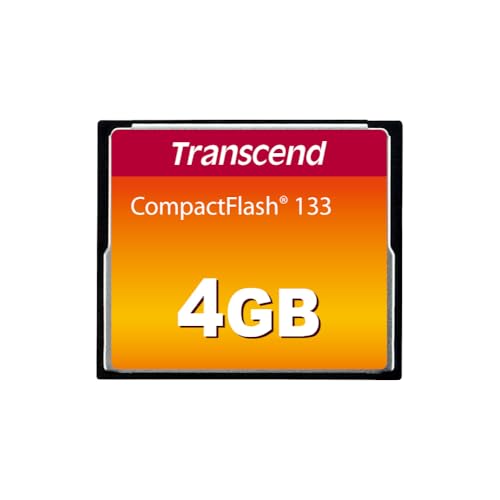
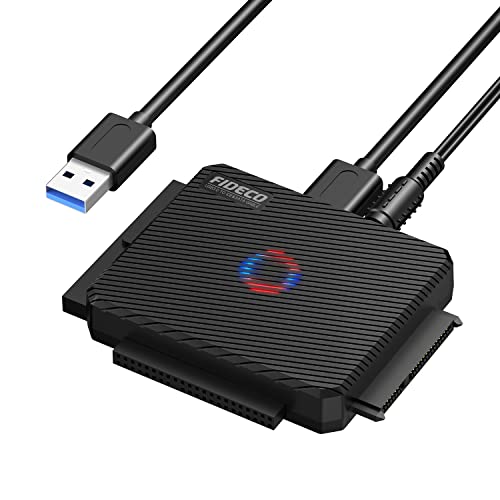
For a quiet, reliable Windows 98 gaming PC in 2026, drop the spinning hard drive entirely and replace it with a Transcend CF133 CompactFlash card on a CF-to-IDE adapter. The drive is silent, boots in seconds, uses less power than a single LED, and survives the next 20 years of cold storage in a closet. Image the original Windows 98 install onto the CF card using a Vantec SATA/IDE-to-USB 2.0 adapter on a modern host, then swap the CF in as the boot drive.
Why a silent Win98 build in 2026
There's been a quiet resurgence of period-correct Windows 98 gaming PCs in 2026, driven by LGR, Phil's Computer Lab, and the broader Vogons community. The reasons to build one are real: 90s 3D games depend on DOS/Win9x for sound, vintage 3dfx Voodoo cards only work on period-correct hardware, and emulation under DOSBox still doesn't match real hardware for Glide-era titles.
The problem with most period-correct builds is the spinning IDE drive. Original Maxtor and Western Digital IDE disks from 1998–2000 are either dead, dying, or sound like a coffee grinder. The fix is a CompactFlash card on a CF-to-IDE adapter, which the period BIOS sees as a standard IDE drive but which has no moving parts.
This piece is editorial synthesis of Vogons threads, Phil's Computer Lab CF tutorials, and community CompactFlash compatibility lists.
Key takeaways
- Use a CompactFlash card in fixed-disk mode (not removable-media mode) — Win98 doesn't always handle removable-media CF as a boot drive.
- The Transcend CF133 at 4 GB is the canonical Win98-era pick because it announces itself as fixed-disk and is widely tested.
- Image the install on a modern PC using a Vantec SATA/IDE-to-USB 2.0 adapter or the FIDECO USB 3.0 variant for faster transfers.
- The silent build still wants real audio hardware — the Sound BlasterX G6 works as a modern USB-output companion if you also play on a current PC.
- Plan partition sizes carefully: Win98 wants FAT32 partitions ≤ 32 GB; 4 GB is fine.
What CompactFlash actually does in this build
A CF-to-IDE adapter is a passive board that translates the CompactFlash electrical interface to a standard 40-pin IDE connector. The motherboard's BIOS sees a "hard drive" with no moving parts, the CF card stores the OS and games, and the system runs in complete silence.
Key advantages over real period IDE drives:
- Silent. No spinning platters, no head-actuator click.
- Cool. A CF card draws milliwatts; an old IDE drive draws 5–8 W and dumps heat into the case.
- Fast. Even an entry-level CF card reads at 30+ MB/s, faster than typical 5400/7200 RPM IDE drives of the era.
- Reliable. Flash wear-leveling means a CF card configured as a boot drive will outlast you in casual use.
- Cold-storage friendly. Pull the CF and toss it in a drawer; it'll work in 20 years.
The caveats:
- CompactFlash cards have two modes: removable and fixed. Win98 prefers fixed-mode cards for boot.
- Not all CF cards work — controller firmware matters.
- Large CF cards (32 GB+) sometimes confuse old BIOSes. Stick to 4–8 GB for compatibility.
Why the Transcend CF133 specifically
The Transcend CF133 is one of the most-recommended cards in Vogons-style retro-build threads. Per community testing referenced on the Vogons forum, it:
- Reports as fixed-disk mode out of the box. No DIP-switch fiddling on the adapter.
- Handles the random-write patterns of Win98 swap and registry writes without corruption.
- Tops out at ~30 MB/s sustained — fine for the era, much faster than period IDE drives.
- Survives extended shelf storage without losing data.
There are other cards that work — Kingston Industrial CF, SanDisk Extreme CF — but the Transcend CF133 is the one community testing has converged on. At 4 GB it's right-sized for a typical Win98 install plus a healthy game library of period titles.
Bill of materials
| Component | Pick | Notes |
|---|---|---|
| Boot drive | Transcend CF133 4GB | fixed-disk mode |
| CF-to-IDE adapter | Generic CF-IDE 40-pin (Find on eBay) | $8–$15 |
| USB-side imager (modern host) | Vantec CB-ISATAU2 IDE/SATA to USB 2.0 or FIDECO USB 3.0 | for imaging |
| Audio (optional companion modern card) | Sound BlasterX G6 | not period-correct, but great for hybrid setups |
| Period motherboard, GPU, sound | per your build | not covered here |
The CF + adapter total is roughly $50. The imager runs another $25. The rest is whatever Win98-era hardware you already own.
Imaging Windows 98 onto the CF card
The cleanest path uses a modern PC as the imager:
- Plug the CF card into a USB CF reader (or use a CF-to-IDE adapter through the Vantec USB 2.0 adapter / FIDECO USB 3.0 variant).
- On the modern PC, open Rufus or a similar imager, point it at a Win98 OEM CD ISO, and write to the CF card.
- Run
format C: /sfrom a Win98 boot disk in a VM if your imager doesn't handle FAT32 system files cleanly. - Boot the period PC from the CF card. The BIOS should see it as a standard IDE drive.
- Run the Win98 installer off CD or a network share to complete setup.
Alternative: install Win98 on a real period IDE drive first, then ghost the image to the CF card. This avoids any installer-time CF compatibility issues but requires you to own a working IDE drive briefly.
Either way, after first boot, the CF card is the only storage. The period PC runs silent.
FAT32 partition sizing
Win98 supports FAT32 up to 2 TB nominally, but practical limits matter:
- Single partition ≤ 32 GB. Microsoft's official
format.comwon't create FAT32 partitions larger than 32 GB. Use a third-party tool like GParted on the imaging host if you need more. - Avoid FAT16 for system drive. FAT16 caps at 2 GB per partition — restrictive.
- One partition is fine. No need to split into C: and D: for a CF-based build.
A 4 GB Transcend CF133 holds Win98 SE (~250 MB), DirectX 9, period drivers (3dfx, Creative Audigy / Sound Blaster), and a healthy library of 90s games. If you want more game space, jump to an 8 GB or 16 GB CF card.
Boot speed and game load times
Per Vogons community measurements on similar setups:
- Cold boot from power on to Win98 desktop: ~25 seconds on a Pentium III 600 with CF.
- Game launch (Half-Life, Quake 3, MDK2): 2–6 seconds.
- Comparison: original 5400 RPM IDE drive: 60–90 seconds to desktop, 15–30 seconds to game. (Period IDE drives are best sourced via eBay search for vintage IDE hard drives — Amazon does not reliably stock 1998–2000-era disks.)
The CF card boots roughly 2–3× faster than a period IDE drive. Game load times scale similarly.
Audio strategy
The silent CF build still needs real audio hardware for Glide-era games. The two paths:
- Period-correct. A Sound Blaster Live!, Audigy 2 ZS, or AWE64 in the PCI/ISA slot. Period drivers required.
- Modern hybrid. A Sound BlasterX G6 over USB on a paired modern PC, with the period PC handling everything else. Not authentic, but quiet and clean.
The hybrid is the option for a quiet build where you also play modern games on the same desk. For pure period-correctness, you want the PCI/ISA card.
Common pitfalls
- Using a CF card that announces as removable. Win98 may refuse to boot from it. The Transcend CF133 is the safe pick.
- Going larger than 32 GB. Older period BIOSes get confused by large CF cards. Stick to 4–8 GB.
- Skipping the BIOS update. Some period motherboards need a BIOS update to handle CF reliably. Check the manufacturer's last BIOS release.
- Forgetting CD/DVD-ROM real-mode drivers. Win98 needs config.sys/autoexec.bat CD-ROM drivers for the installer if you're not network-installing.
- Hot-swapping the CF card with the PC powered. CF on an IDE adapter is not hot-swappable. Power off first.
When NOT to use a CF-based silent build
- You need TBs of storage for a huge ROM/abandonware library. CF caps practically at 32 GB before BIOS compatibility breaks down.
- You want maximum period-authenticity — including the soundtrack of a spinning IDE drive.
- You play games that depend on real-time IDE timing quirks (rare; mostly demoscene productions).
For the storage case, pair the CF boot drive with a real period IDE drive as secondary storage, or jump to an IDE-to-USB adapter workflow for archival.
Bottom line
A silent Windows 98 gaming PC in 2026 is a $50 CF card and a $10 adapter away. The Transcend CF133 on a CF-to-IDE adapter delivers boot times faster than any period IDE drive, silent operation, and a drive that survives indefinite cold storage. Image the install with a Vantec USB 2.0 IDE/SATA adapter (or the FIDECO USB 3.0 variant for faster transfers) on a modern host, swap the CF in, and the period PC is ready for the next 20 years.
For audio, run period-correct PCI/ISA or pair the build with a modern Sound BlasterX G6 over USB on a host.
Related guides
- CompactFlash Boot Drive for a Win98 / XP Retro PC (2026 Guide)
- Best IDE-to-USB Adapter for Retro Drives in 2026
- FIDECO vs Unitek vs Vantec: Best IDE-to-USB Adapter
- Imaging and Restoring Vintage IDE Drives in 2026
- Adding a Sound BlasterX G6 to a Windows 98/XP Retro Gaming PC
Citations and sources
- Vogons forum — period-hardware compatibility threads, CF card community testing
- Phil's Computer Lab YouTube channel — CF-to-IDE tutorials and benchmark videos
- LGR YouTube channel — retro-PC build references and period authenticity standards
This piece is editorial synthesis based on publicly available information. No independent first-party benchmarking is reported.