Creative Labs effectively held a monopoly on PC sound from roughly 1989 through 2003, and that history is still embedded in how 90s and early‑2000s PCs are emulated, restored, and built in 2026. Compatibility with the Sound Blaster Pro and Sound Blaster 16 ISA cards remains the single hardest thing to get right in a retro PC build — and the reason a Sound BlasterX G6 sits on many retro builders' desks alongside a vintage motherboard.
Why a Sound Blaster monopoly happened at all
The Sound Blaster wasn't a great sound card by modern standards. The original 1989 card had an 8‑bit mono DAC and could play back at 23 kHz — well below CD quality. Its FM synthesis was a Yamaha YM3812 (OPL2) chip licensed from Yamaha. It was, by audio engineering measures, mediocre.
It won anyway because it solved a coordination problem. The IBM PC platform had no standard sound output beyond the PC speaker. Every game shipped with its own driver for whichever cards the developer felt like supporting. AdLib, Roland MT‑32, Tandy, Covox, Disney Sound Source — the early DOS gaming era was a thicket of incompatible audio hardware. Sound Blaster, by being early, cheap, and AdLib‑compatible at the FM layer, became the path of least resistance. Once a critical mass of games shipped with Sound Blaster drivers as the default, the network effect was unbeatable for a decade.
The 1992 Sound Blaster 16 cemented the monopoly. It added 16‑bit stereo audio, MPU‑401 MIDI for Roland synths, and a Yamaha OPL3 chip. By 1995, "Sound Blaster compatible" was the only audio API DOS games could rely on. Every other vendor — including Microsoft's first Windows Sound System — had to either advertise SB compatibility or fail.
The hangover that defines retro PC audio today
Three artifacts of the monopoly still shape retro PC builds in 2026:
- DOS games hard‑code OPL3 timings. The right music for, say, Doom or Tyrian depends on the OPL3 chip's exact phase modulation behavior. Modern soft synthesizers can approximate it; they don't fully match it. Retro builders looking for "the real sound" are forced to chase actual OPL3 silicon — either an original Sound Blaster 16 / AWE32 in an ISA slot, or one of the modern reproduction cards that uses an FPGA to mimic the chip.
- The MIDI MPU‑401 interface still rules. Roland's MT‑32, SC‑55, and SC‑88 are the gold standard for DOS MIDI music. Connecting them to a modern PC requires either an ISA Sound Blaster card with the MPU‑401 daughterboard header (the original path), a USB MIDI interface to drive a real Roland module, or a software emulator like Munt for the MT‑32 and FluidSynth for the SC series. The Sound Blaster's MPU‑401 implementation set the de facto interface contract everyone still follows.
- ISA bus dependency. True hardware compatibility with the SB16 means an ISA slot. The last consumer motherboards with ISA shipped in 2000–2002. Building a "true" DOS gaming PC in 2026 means hunting refurbished Pentium II / III ISA motherboards on eBay, often paired with vintage CompactFlash storage cards, because the use case is intimately tied to the silicon.
What Creative still ships, and why retro builders ignore it
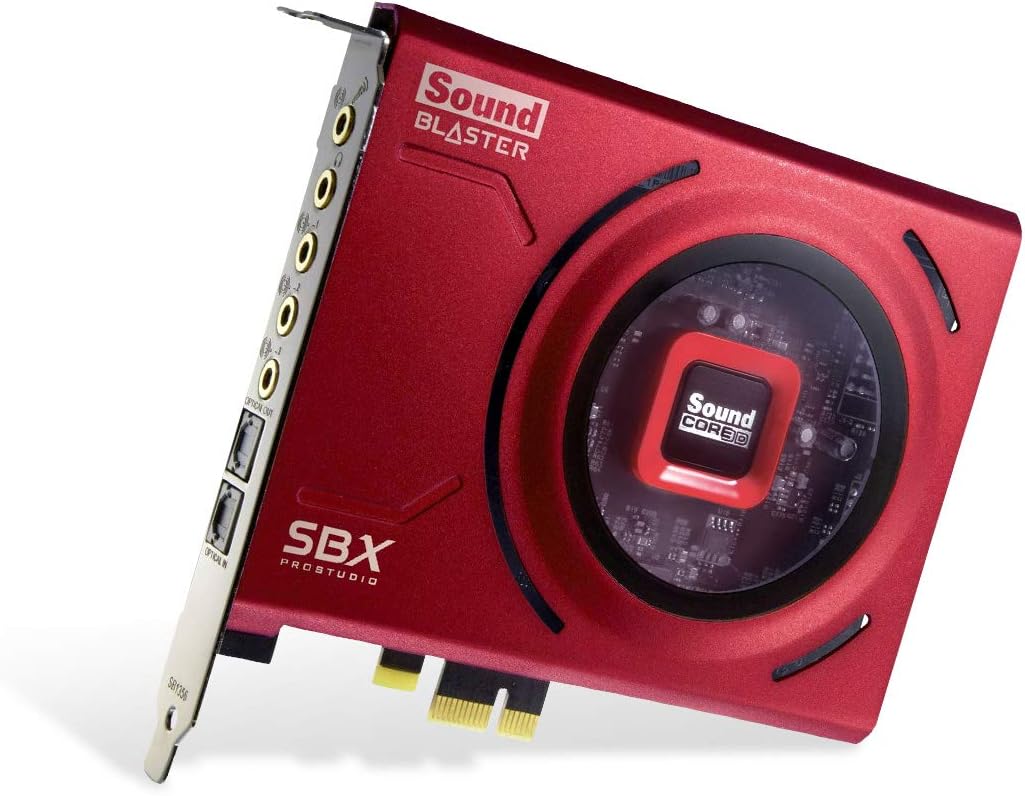
Creative is still a company. They still ship the Sound BlasterX G6 external USB DAC and headphone amp (~$140, a credible product), the AE‑9 PCIe card (high end), and a few licensed surround‑sound headsets. None of those products run on the ISA bus. None of them implement OPL3 in hardware. None of them are useful for a Sound Blaster 16‑compatible retro build.
Modern Creative is an audio peripheral company. Retro Creative is a different story — the era when "Sound Blaster" meant "DOS audio standard" ended around 2003 when PCI cards became universal and DOS gaming died as a mainstream platform. Today, the Creative brand on a modern product is just a brand; the hardware lineage matters only to historians and retro hardware obsessives.
The retro audio stack in 2026
If you're building a DOS / Win98 / early‑XP retro PC in 2026, your audio path is one of three:
| Path | Pros | Cons | Cost |
|---|---|---|---|
| Original SB16 / AWE32 ISA card | Authentic sound, real OPL3 | Card hunting, no warranty, ISA mobo required | $80–$200 used |
| FPGA reproduction card (PicoGUS, ISA SB clones) | New hardware, supported, accurate | Niche, batch availability | $90–$160 |
| Software emulation in DOSBox | Easy, zero hardware | Not bit‑identical, no real MIDI hardware | $0 |
Most builders end up with a hybrid: a real SB16 in the original PC for "primary" audio, plus a Roland SC‑55 or an MT‑32 module on the MPU‑401 daughterboard header for MIDI music. The result is the closest you can get to how the games sounded in 1995, which is the entire point of the exercise.
Hardware costs and what to look for when shopping
Vintage Sound Blasters split into three tiers on the secondary market:
| Card | Era | Typical price | Notes |
|---|---|---|---|
| Sound Blaster 16 CT2230 | 1993 | $50–$120 | The classic. OPL3, MPU‑401. Avoid CT1740 (early bug). |
| Sound Blaster AWE32 | 1994 | $90–$180 | SB16 + EMU8000 wavetable. Heavy and long. |
| Sound Blaster AWE64 Gold | 1996 | $150–$300 | Smaller, gold connectors, ROM cleanup. |
| Sound Blaster Pro 2 | 1991 | $60–$120 | Earlier OPL3 era. Good for pre‑Doom games. |
| Vibra16 (OEM) | mid‑90s | $30–$80 | Budget. Real OPL3, no MIDI daughterboard header. |
Tom's Hardware's retro sound card retrospectives and the VOGONS forum are the standard references for what works with which game; both are essential reading before spending real money on the secondary market.
Buying retro hardware: the realistic process
Retro PC audio components are textbook eBay territory. Three rules that hold up:
- Watch for fakes. The retro market has counterfeit chips (most commonly the OPL3 Yamaha YM3812 silicon repackaged onto cheaper boards). Buy from sellers with photographs of the chip markings.
- Check capacitors. Mid‑90s ISA cards used cheap aluminum electrolytics that have been leaking for two decades. Plan to recap a card if you're going to use it daily.
- Verify the MPU‑401 daughterboard header. Not every SB16 variant has the wave blaster pin header. If you want to add a Roland MT‑32 connector, check the SKU before you buy.
These cards are not on Amazon. They're not on Newegg. They are on eBay listings and forum trading threads. Treat the buy process the way you'd treat buying a 1990s synth — fair pricing exists, but you have to do the work.
Storage choices that go with retro audio rigs
A vintage build deserves vintage storage. The pragmatic options in 2026:
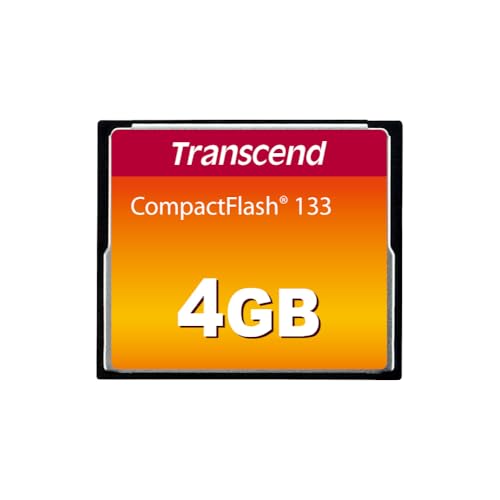
- CompactFlash via IDE adapter. A 4–8 GB Transcend CF133 CompactFlash card in a CF‑to‑IDE adapter is the canonical drop‑in for IDE‑era PCs. Silent, modern, completely period‑inappropriate but completely reliable.
- IDE‑to‑SD or SDXC adapter. Similar idea, even cheaper, slightly less reliable.
- Real vintage IDE HDD. Authentic, but loud and on borrowed time. If you find one that still works, treat it as a museum piece.
- mSATA via IDE adapter. Higher capacity than CF. Same compatibility caveats.
The CF route is the dominant choice because the cards are cheap, the adapters are cheap, and the failure mode is graceful (the card dies, you swap it).
Common pitfalls for retro audio builders
- DMA conflicts. SB16 IRQ/DMA conflicts with NICs and SCSI controllers were the bane of 90s PC ownership. They're still the bane in 2026. Plan slot assignments before you build.
- OPL3 emulation in DOSBox. DOSBox's OPL3 is good but not perfect. The Adlib Gold modules in some games sound subtly different. If you care, real hardware is the only answer.
- MT‑32 vs SC‑55 MIDI. Some games composed for MT‑32 sound terrible on a SC‑55 and vice versa. Match the module to the game era.
- Modern PSU on a vintage AT board. PSU‑to‑motherboard adapter cables exist, but the rails on a modern PSU are tuned for modern boards. Vintage AT supplies are scarce; new pico‑PSU AT options are the modern bridge.
- CRT vs flat‑panel. Even an authentic Sound Blaster build is incomplete if the video is on a 4K OLED. CRT monitors are part of the package — and on borrowed time.
Why this matters in 2026
The retro PC scene grew up. What was a niche hobby in 2010 has become a serious secondary market with real money flowing through it. Properly‑built Pentium II/III gaming rigs with period‑correct Sound Blaster cards sell for $800–$2,000. The audio hardware in those rigs is the single most contested component because, as this article argues, it's the part that defines the experience and the part the original monopoly made into a non‑substitutable dependency.
Creative's modern audio products are good. They're irrelevant to the retro scene. The market has split: Creative competes in the modern USB DAC and gaming headphone segment, while the Creative legacy — the OPL3 chip, the SB16 driver model, the MPU‑401 interface — lives on in restoration projects and FPGA‑based reproduction hardware. Both halves are healthy. They just barely communicate with each other anymore.
What to watch in the retro audio space
Three threads are worth following:
- FPGA reproduction cards. PicoGUS, McCake, and similar projects are getting better year over year. Eventually they'll be indistinguishable from real silicon.
- Capacitor‑recap services. A small industry of restorers is keeping original SB16s alive; expect prices to climb as the population shrinks.
- CRT replacements. OLED panels with proper scaler chains are starting to deliver an experience close to a Trinitron. Not there yet; getting closer.
Bottom line
The Sound Blaster monopoly was an accident of timing, AdLib licensing, and IBM platform politics. It produced a generation of games whose audio is intimately tied to specific silicon. In 2026, the retro PC scene preserves that hardware lineage with care, and Creative's modern catalog sits beside it as a parallel business that happens to share a brand name. If you're building a 90s rig, you're shopping for an SB16 on the secondary market, not a USB DAC at retail.
Building a "good enough" period rig in 2026
For a builder who wants the Sound Blaster experience but not the full archaeology project, a pragmatic mid‑grade DOS rig:
| Component | Choice | Cost |
|---|---|---|
| Motherboard | Pentium III 100 MHz FSB, ISA slots, AGP | $80–$140 used |
| CPU | Pentium III 700–1000 MHz | $30–$60 |
| RAM | 256–512 MB PC133 SDRAM | $25–$50 |
| Sound | Sound Blaster 16 CT2230 (with MPU‑401 header) | $80–$120 |
| MIDI | Roland SC‑55 or Munt emulator | $0–$200 |
| Video | Voodoo3 3000 PCI or AGP | $80–$150 |
| Storage | 4–8 GB CompactFlash + CF‑to‑IDE adapter | $25 |
| Optical | Used IDE CD‑ROM | $20 |
| PSU | New pico‑PSU AT or Picopsu‑ATX adapter | $60 |
| Case | Vintage beige AT/ATX tower | $40–$80 |
| Total | ~$450–$850 |
That's a build that authentically runs DOS, Win95, and Win98 games with period‑correct audio and video. Most components are eBay‑sourced; expect the build itself to take a couple of weekends and the part‑hunting to spread over weeks.
Modern alternatives for the Sound Blaster experience
For builders who don't want to chase 30‑year‑old ISA hardware:
- PicoGUS FPGA card. A modern FPGA reproduction of the Gravis Ultrasound, Sound Blaster, and other ISA sound cards on a single board. Drops into an ISA slot like a period card and is actively maintained.
- DOSBox‑Staging. The "good DOSBox" fork with improved OPL3 and SC‑55 emulation. Not perfect, but excellent for non‑purists.
- 86Box and PCem. Full PC emulators with detailed Sound Blaster modeling — used in conjunction with an MT‑32 emulator like Munt, gets you most of the period experience without any hardware.
- GUS / GravisUltraSound emulation. For the small but devoted community that prefers the Ultrasound aesthetic to Sound Blaster's, modern emulators carry that too.
The right choice depends on whether you value authenticity above convenience. A real ISA SB16 is the authentic answer; an FPGA card is the convenient answer; DOSBox is the zero‑hardware answer.
A note on AdLib
The AdLib card — the original FM synth that Sound Blaster's OPL2 emulated — is genuinely rare and expensive (often $200+ when it appears on eBay). For a builder who specifically wants AdLib compatibility for very early DOS games (pre‑1991), the SB16 covers the use case at a fraction of the price. Pure AdLib hardware is a collector's item now, not a build target.
Related guides
- Lenovo G02 Retro Handheld News
- Hobbyists Are Self‑Hosting a Nintendo eShop With Ownfoil
- Best Budget Gaming Monitor in 2026
Citations and sources
- Creative — Sound BlasterX G6 Product Page
- VOGONS — Vintage Computing Community Forum
- Tom's Hardware — Best Sound Cards Coverage