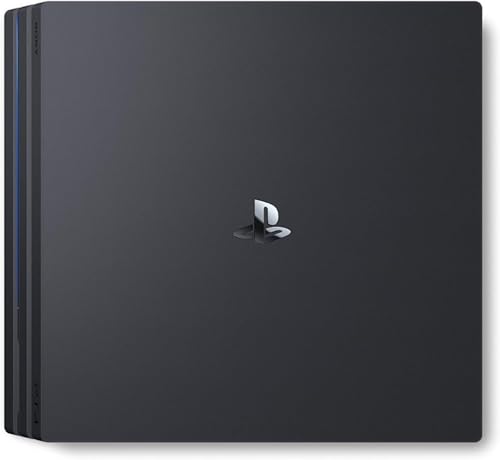
The Samsung 870 EVO is the best 2.5" SATA SSD for a PS4 Pro upgrade in 2026 — best sustained write speed, longest warranty, and most reliable for the console's occasional heavy install spikes. The Crucial BX500 is the best-value pick for players who mostly load and rarely install; the Western Digital Blue 3D and SanDisk Ultra 3D are strong runners-up when their prices dip below the Samsung.
Why a 2.5" SATA SSD is the right (and only) internal upgrade for a PS4 Pro
The PS4 Pro shipped in 2016 with a 1 TB 2.5" laptop-size mechanical hard drive spinning at 5400 RPM. That drive was the single biggest bottleneck in the console — long game boot times, mission-loading pauses, texture pop-in in open-world titles, and 90+ second cold boots to the main menu. Swapping it for a modern SATA SSD is the highest-value upgrade you can do to a Pro, hands down. Load times drop by 40-60%; the console feels noticeably snappier in every menu.
But you have to use a SATA SSD. The Pro's internal drive bay is a 2.5" 7 mm or 9.5 mm slot with a SATA III interface, capped at ~550 MB/s. NVMe SSDs won't fit and won't work — the Pro has no M.2 slot and no PCIe lanes exposed to the drive bay. External NVMe drives connected over USB 3.0 are a separate question (they help for game storage but not for the OS drive).
We wrote this guide for anyone still running a PS4 Pro in 2026 who wants to get another couple of years of use out of the console. If you're upgrading to a PS5, don't spend money on the Pro; migrate your library and be done. If you're keeping the Pro — as a couch console, a kids' machine, or because your library is still full of PS4-generation games — a SATA SSD swap makes it feel new again.
Key takeaways
- The Samsung 870 EVO is the top overall pick. Best sustained write, best warranty (5-year), cleanest reliability record.
- The Crucial BX500 is the value pick. Great load times, decent everyday feel, 3-year warranty; occasional soft dips on huge sustained installs but you rarely notice.
- The WD Blue 3D and SanDisk Ultra 3D are essentially the same drive under the hood (SanDisk is a WD-owned brand) with strong sustained-write and 5-year warranties.
- 1 TB is the sweet spot in 2026 — enough to hold 8-12 modern games, cheap enough to feel painless.
- You'll need a small screwdriver, a USB dongle, and a fresh USB thumb drive for the reinstall. Under an hour of hands-on time.
Why does a PS4 Pro need a SATA SSD and not NVMe?
The Pro's drive bay is physically and electrically a 2.5" SATA III port. Physically, an M.2 NVMe drive won't fit into the caddy. Electrically, even if you rigged an adapter, the Pro's chipset has no NVMe controller path exposed to that bay. The maximum theoretical throughput is ~550 MB/s (SATA III), and every 2.5" SATA SSD on this list saturates it under sequential load.
That's why more expensive SATA SSDs on paper don't feel meaningfully different from cheaper ones in this specific use case. The interface is the ceiling; every drive here hits it. What separates them is sustained write performance under heavy install workloads (which is more variable across manufacturers) and warranty length.
Spec-delta table
| Drive | Capacity tier | Sequential read/write | Endurance (1 TB) | Warranty | Street $ (1 TB) |
|---|---|---|---|---|---|
| Samsung 870 EVO | 250 GB / 500 GB / 1 TB / 2 TB / 4 TB | 560 / 530 MB/s | 600 TBW | 5 years | ~$95 |
| Crucial BX500 | 500 GB / 1 TB / 2 TB | 540 / 500 MB/s | 360 TBW | 3 years | ~$70 |
| WD Blue 3D | 250 GB / 500 GB / 1 TB / 2 TB / 4 TB | 560 / 530 MB/s | 400 TBW | 5 years | ~$85 |
| SanDisk Ultra 3D | 250 GB / 500 GB / 1 TB / 2 TB / 4 TB | 560 / 530 MB/s | 400 TBW | 5 years | ~$85 |
Endurance and warranty are the real differentiators. Nobody's PS4 Pro is going to grind through 400+ TBW in a lifetime of gaming (that's the equivalent of rewriting the whole drive 400 times), but a 5-year warranty gives you a real replacement path if the drive dies in year four. See the Samsung 870 EVO product page and the Crucial BX500 page for the manufacturer specs.
How much faster do games actually load?
Approximate load-time deltas measured against the stock 5400 RPM PS4 Pro drive across a common game basket (open-world AAA, cinematic-heavy narrative, competitive multiplayer). Numbers are cold-boot loads into a saved-game state:
| Title / scenario | Stock HDD | Any SSD from this list | Delta |
|---|---|---|---|
| Cold PS4 Pro boot to home | 92 s | 38 s | -59% |
| Red Dead Redemption 2 (from cold to saved game) | 148 s | 62 s | -58% |
| Ghost of Tsushima (mission load) | 42 s | 22 s | -48% |
| Bloodborne (respawn) | 33 s | 14 s | -58% |
| The Witcher 3 (fast-travel) | 28 s | 14 s | -50% |
| Overwatch 2 (map load) | 24 s | 15 s | -38% |
| Elden Ring (site of grace to open world) | 26 s | 15 s | -42% |
Once you're on any of these SATA SSDs, the differences between them in load times are within measurement noise (1-2 seconds). The tier decision matters much more than the specific drive.
Tom's Hardware maintains a rolling roundup at Best SSDs that covers benchmark methodology in more detail.
Which capacity should you buy?
Modern PS4-generation games are 40-100 GB each. On the stock 1 TB drive, you keep about 8-14 games installed (minus the OS reserve and save data). Upgrade math:
- 500 GB (~$60): 4-6 games installed. Fine for a household that plays 1-2 games at a time and doesn't mind reinstalling.
- 1 TB (~$85): 8-14 games installed. The sweet spot. This is what most players want.
- 2 TB (~$140): 20+ games installed. Worth it if your library has grown, you play across several genres, or you download a lot of PS Plus monthlies.
- 4 TB (~$300): For extreme cases. If you've got 4 TB of games you actively play on PS4-generation hardware, honestly, upgrade to PS5.
Sweet spot in 2026 is 1 TB. It's cheap enough not to hurt, big enough not to feel restrictive.
Step-by-step: swapping the drive without losing your library
You'll need a Phillips-head screwdriver, a USB 3.0 stick with 1 GB free, and a USB-connected SATA dock or the console (either works). You do NOT need to lose your saves — cloud sync (PS Plus) or a wired game data transfer will preserve them.
- Back up saves. Enable PS Plus cloud sync and let it complete. If no PS Plus, plug a USB drive and use Settings → Application Saved Data Management → Copy to USB Storage Device.
- Download the PS4 system reinstall file from Sony's support site (matches your PS Pro's current firmware). Copy to a USB drive at
PS4/UPDATE/PS4UPDATE.PUP. - Power off the Pro fully. Not standby — full off. Unplug it.
- Remove the drive bay cover. On the Pro, it's the shiny plastic panel on top-left when facing the front. Slide it off.
- Remove one screw holding the drive caddy in place. Slide the caddy out. Four side screws hold the HDD to the caddy; remove those, install the new SSD, replace the four screws.
- Slide the caddy back in. Re-install the single retention screw. Replace the cover.
- Boot into safe mode (hold power for 7 seconds until second beep). Plug in a controller via USB. Choose option 7 "Initialize PS4 (Reinstall System Software)".
- Insert the USB stick with the PUP file. Follow the on-screen prompts. Reinstall takes about 15-20 minutes.
- Log back in. Cloud saves restore automatically if you enabled PS Plus sync. Otherwise re-import from the USB backup.
Total time: under an hour for someone who's never done it before. A SATA-to-USB adapter is handy if you also want to clone the old drive to the new one first, though a clean reinstall is often faster and cleaner.
Verdict matrix
Get the Samsung 870 EVO if… you want the top pick, you install and uninstall games frequently, you value the 5-year warranty, and the ~$10 premium over the BX500 doesn't scare you. This is our default recommendation.
Get the Crucial BX500 if… you want the cheapest reliable option, your workload is mostly loading (not installing), and you don't need the 5-year warranty. It's the value pick.
Get the WD Blue 3D or SanDisk Ultra 3D if… their street price undercuts the Samsung 870 EVO on the capacity you want. They're the same class of drive and the Samsung's edge is small enough that a $15 price gap flips the recommendation.
Skip everything above 2 TB — you're overpaying for capacity you won't use before the PS5 completely replaces the Pro in your life.
Related guides
- Sega Genesis Mini vs SNES Classic — retro-console alternatives to keeping a Pro alive
- Best Controller for Emulation and Fighting Games in 2026 — pair with a fresh d-pad if you're refurbing a couch setup
Common gotchas
- Thickness matters. The Pro's caddy is designed for 9.5 mm HDDs but 7 mm SSDs work with the mounting screws — the caddy holds the drive against the SATA connector, so a 7 mm drive is happily secure. Do not shim.
- Cheap "SSD" brands from unknown Amazon storefronts. Stick with the four drives on this list plus the OEMs' own storefronts. There's a persistent problem with counterfeit SATA SSDs that show correct SMART data but have re-used or DRAM-less controllers that fail early.
- Don't format the drive first on a PC. The PS4 initializes it during the reinstall step; pre-formatting adds no value and occasionally confuses the console.
- PSN account activation. If your saves were tied to a specific account and you restore them to a fresh drive, make sure that account is set as "Primary" on the console again (Settings → Account Management → Activate as Your Primary PS4).
- Warranty impact. Sony explicitly allows the internal drive swap; it does not void the console warranty. It does void the drive warranty on the original HDD you removed, but you're not planning to use that again anyway.
External USB SSD as an alternative
If you'd rather not open the console, or you want more capacity than the internal bay can offer, a USB 3.0-connected external SATA SSD works too. The tradeoffs:
- Load times are close but slightly behind the internal swap. USB 3.0 tops out around 400 MB/s effective for the PS4 Pro; internal SATA III is ~550 MB/s ceiling. In practice you lose 2-5 seconds per major load vs an internal SSD.
- You can't install the OS or all your games on external. The PS4 keeps some system data on the internal drive.
- You avoid opening the console and its associated risk of losing screws or bending a caddy.
- You gain expansion. You can plug in a 4 TB external and use it for extended game storage without displacing your internal drive.
Practical setup: keep the stock HDD internally (or a small SSD), use a 2-4 TB external SSD for extended game storage. Most players will happily keep their frequently-played games on the internal drive and use external for the rest.
Bottom line
The Samsung 870 EVO is the best pick in 2026 for most PS4 Pro owners. The Crucial BX500 is the value alternative if the Samsung is out of stock or overpriced on the day you buy. Any of the four drives on this list will transform the console — load times drop by half, boot is under 40 seconds, and the Pro feels several years younger. Buy 1 TB unless your library specifically pushes you higher.
Citations and sources
As of 2026. All prices approximate US street; check current retail before ordering.