In brief — 2026-06-17: A retro-hardware enthusiast successfully loaded Sega Genesis games from a vinyl record onto a real Genesis console, encoding game ROMs as audio onto pressable LP records and decoding them through a custom analog-to-digital pipeline that fed the Genesis's expansion port. The build is documented in Tom's Hardware's retro coverage and went viral on the retro-PC and homebrew-hardware communities this week. For readers who want the games without the turntable, the Sega Genesis Mini ships 42 built-in titles in a plug-and-play package.
What happened: vinyl records as a game cartridge
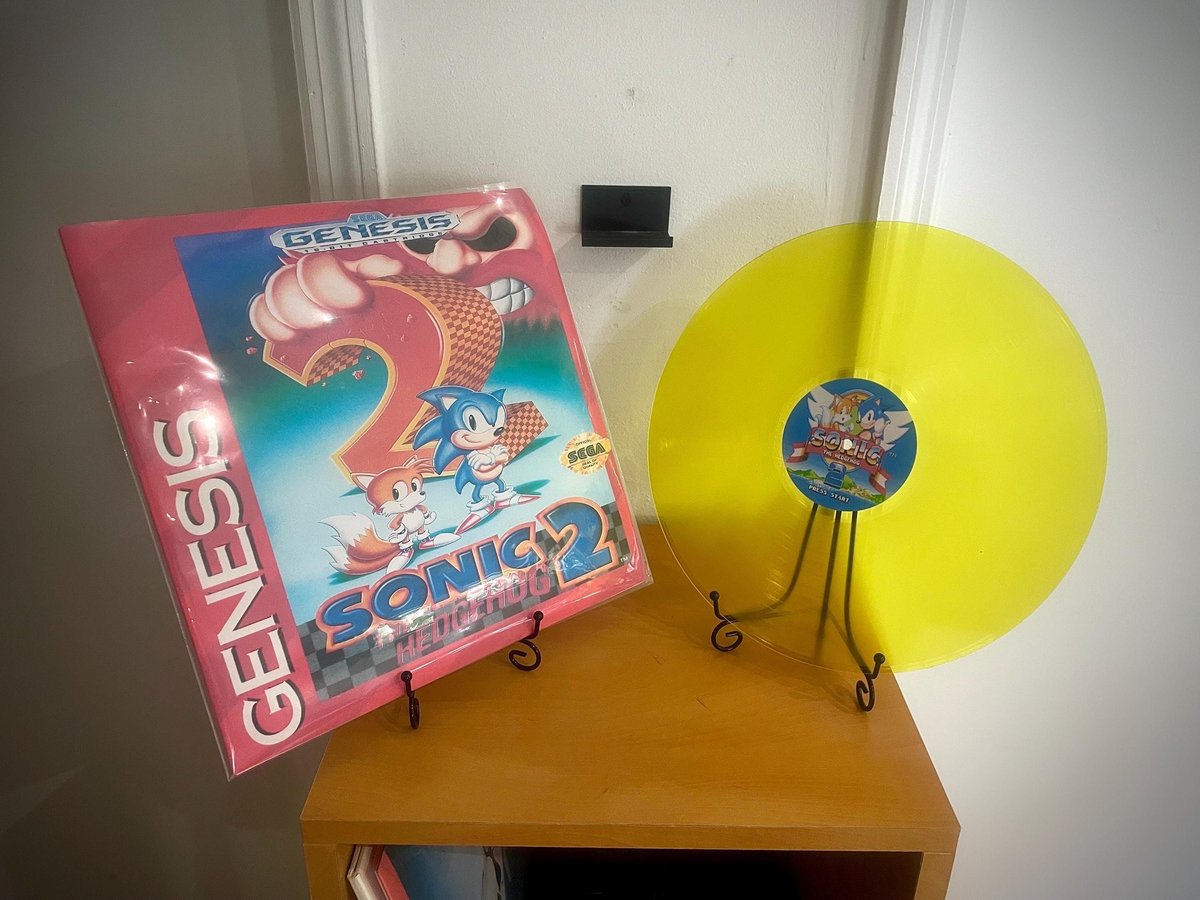
The project encodes Sega Genesis ROM data onto the analog grooves of a vinyl record, then plays the record back through a custom decoder circuit that converts the audio signal into the digital data the Genesis expects from a cartridge. The build sits firmly in the homebrew-hardware tradition of "computers should not be allowed to do this but they can." The original demonstration loaded a small Genesis ROM — small enough to fit on a 12-inch LP at a reasonable bitrate — and ran the title on stock Genesis hardware with no software modifications.
The technique itself rhymes with how home-computer software was actually distributed in the 1970s and 1980s. The BBC Micro, Sinclair ZX Spectrum, Commodore 64, and many MSX-class machines used cassette tapes as their primary mass-storage medium. You loaded LOAD "" (or the platform's equivalent), pressed Play on the tape deck, and waited two to twelve minutes for an audio signal to decode into the program. The encoding was crude — frequency-shift keying at hundreds to a few thousand baud — and error rates were notorious. But it worked, and an entire generation of home programmers learned on it.
What is novel about the Genesis vinyl hack is that the Genesis itself never used tape loading. Sega's 16-bit console launched in 1988 with cartridge-only software distribution. The hack effectively backports a 1970s loading mechanism to a 1988 console that was specifically designed to avoid it.
Why it matters: cassette-era data loading nostalgia, and why plug-and-play killed it
Two things are interesting about this project, beyond the spectacle.
First, the loading-from-audio approach captures something about the physicality of pre-cartridge software distribution that disappeared in the consumer console era. When you loaded a game from cassette, you watched the tape spool, listened to the eerie pitch-shifted carrier signal through the room, and waited. Loading failure was a real possibility. The act of starting a game was a small ritual. Cartridges replaced all of that with instant boot — and that was correctly judged a huge usability improvement at the time. Sega and Nintendo's mass market built itself on no-wait, no-failure loading. But the original ritual is something modern emulator users have never experienced.
Second, the project highlights how much plug-and-play console design abstracts away. The Genesis Mini reissues the original hardware as a single HDMI-attached box, with 42 ROMs preloaded in onboard flash. No cartridges, no loading, no failure modes. The original Genesis hardware exposed an expansion connector that builders like the vinyl hacker can repurpose; the Mini does not. That trade-off — cleaner consumer experience for less hackability — is the broader story of 21st-century console design.
The source
The original demonstration writeup is covered in detail on Tom's Hardware's retro section, with embedded video of the loading process. The hacker shared the encoding scheme and decoder schematic on the project's GitHub repository, which is linked from the Tom's Hardware piece. The technique is reproducible on real Genesis hardware for builders willing to source a vinyl pressing run and a decent turntable with a clean cartridge.
Want the games without the turntable? The Sega Genesis Mini in 2026
Most readers reading about this hack do not want to press a vinyl record to play Sonic. They want to play Sonic. For that, the Sega Genesis Mini is the clean answer. It is the plug-and-play reissue of the original Genesis: 42 built-in titles including Sonic the Hedgehog, Streets of Rage 2, Gunstar Heroes, Castlevania: Bloodlines, Earthworm Jim, and Comix Zone. It ships with two original-form factor controllers and HDMI out at 720p.
The Mini is one of the better-executed retro reissues. Sega worked with M2, a studio that specializes in emulation for the platform holders, and the emulation is reportedly close to authentic on most titles. Input lag is low, audio reproduction tracks the original Yamaha YM2612 well, and the bezel options include the original 4:3 with scanlines for purists.
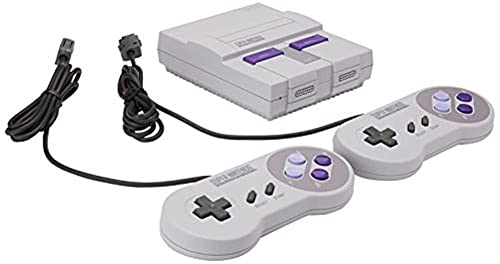
If you want the broader retro-mini experience beyond Sega, the Nintendo Super NES Classic Edition is the most universally praised plug-and-play retro console of the modern reissue era, with 21 built-in titles including the original Super Mario World, The Legend of Zelda: A Link to the Past, and Super Metroid. The original Genesis hardware itself — the full-size 1988 Sega Genesis Core System 2 — is still available used for builders who want real hardware and access to the expansion bus the vinyl hack used.
Plug-and-play vs the real hardware
| Path | Cost | Game library | Hackability |
|---|---|---|---|
| Genesis Mini | ~$80 | 42 built-in | Limited |
| SNES Classic Mini | ~$100 used | 21 built-in | Limited (community mods exist) |
| Original Genesis Core System 2 | ~$70 used | Cartridge-based | Full expansion bus |
| Pi-based emulator | ~$60 + work | Any ROMs you own | Full software stack |
| Vinyl-record loading | ??? + obsession | One LP per game | Maximum |
For 99% of buyers, "plug it into HDMI and play" is the right path. The Genesis Mini and the SNES Classic Mini are the two best-executed examples.
The retro-console nostalgia market in 2026
Retro mini consoles have become a stable annual gift-and-impulse category. They satisfy several distinct buyer intents:
- Pure nostalgia. Adults who grew up with the original console and want the same games on their TV without dealing with cartridges or AV-out wiring.
- Gifts. Parents or grandparents buying a single-purpose device for a child to experience a generation of games they have heard about.
- Collecting. The minis themselves are collectible objects — limited reissue runs and packaging design that nods to the originals.
What buyers consistently like about the mini-console form factor is that it removes failure modes from the experience. There is nothing to install, no save state to manage, no firmware to update. You take it out of the box, plug HDMI into the TV, and play. Cartridge-collecting hobbyists will tell you (correctly) that real hardware on a CRT with original cartridges is the most authentic experience. But the mini-consoles are the path of least resistance to the games themselves.
The fact that an enthusiast can encode a Genesis ROM onto a vinyl record and load it onto real 1988 hardware is a celebration of how moddable the platform was. The fact that a buyer can pull the Mini out of the box and have Sonic running in 90 seconds is a celebration of how Sega and M2 sanitized that hardware for the modern consumer. Both stories are interesting; one of them is more practical for most readers.
Common questions about the Genesis Mini and similar reissues
Does the Mini emulation feel authentic? For the supported title list, yes. M2's emulation is reportedly close to the original hardware on input lag and audio reproduction. Edge cases (Mode 7-like effects on the Genesis, exotic sound channels) are well-handled per community comparisons.
Can I add my own ROMs? The Mini is locked down out of the box. Community mod tools have existed at various points; legal status varies and Sega has updated firmware in response to past mods. Treat the Mini as a fixed library device.
Is it worth it if I already emulate Genesis on a PC? It depends on what you want. If you want a TV-attached, controller-in-hand experience without setting up RetroArch every time, the Mini is the simpler path. If you already have a Steam Deck or a Pi handheld set up, you may not need it.
Does the SNES Classic Mini play Genesis games? No. The two reissues only play their respective platforms' titles. They are independent products from competing companies.
Bottom line
The vinyl-Genesis hack is exactly the kind of project that retro homebrew is for — pointless, beautiful, technically impressive, and a respectful nod to the analog-loading era that the Genesis itself was built to leave behind. For readers who want to actually play the games tonight, the Sega Genesis Mini is the path of least resistance, and for broader retro nostalgia the Nintendo Super NES Classic Edition covers Nintendo's side of the same era. Either one slots into a modern TV in three minutes and gives you 90 minutes of Sonic or Mario without pressing a single record.
Related guides
- Best Plug-and-Play Retro Gaming Consoles to Buy in 2026
- Period-Correct Sound for a Modern Retro PC
- Best Retro-PC Storage & Drive-Imaging Kit in 2026
- Build a Pi Zero W Handheld Retro Emulator
Citations and sources
This piece is editorial synthesis based on publicly available information. No independent first-party benchmarking is reported.