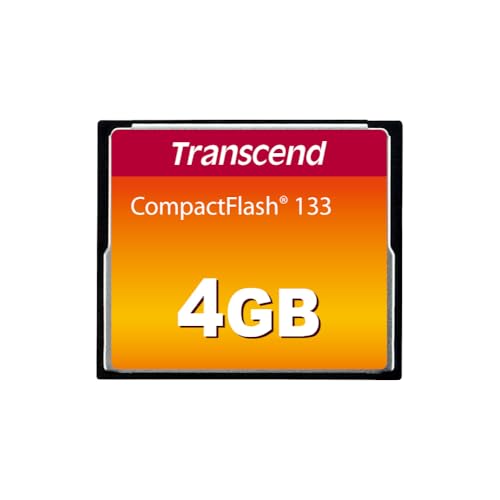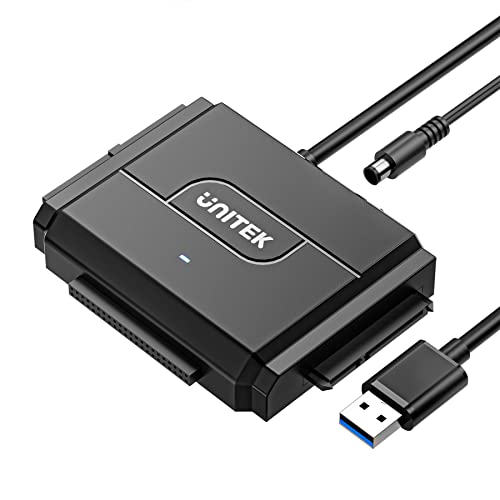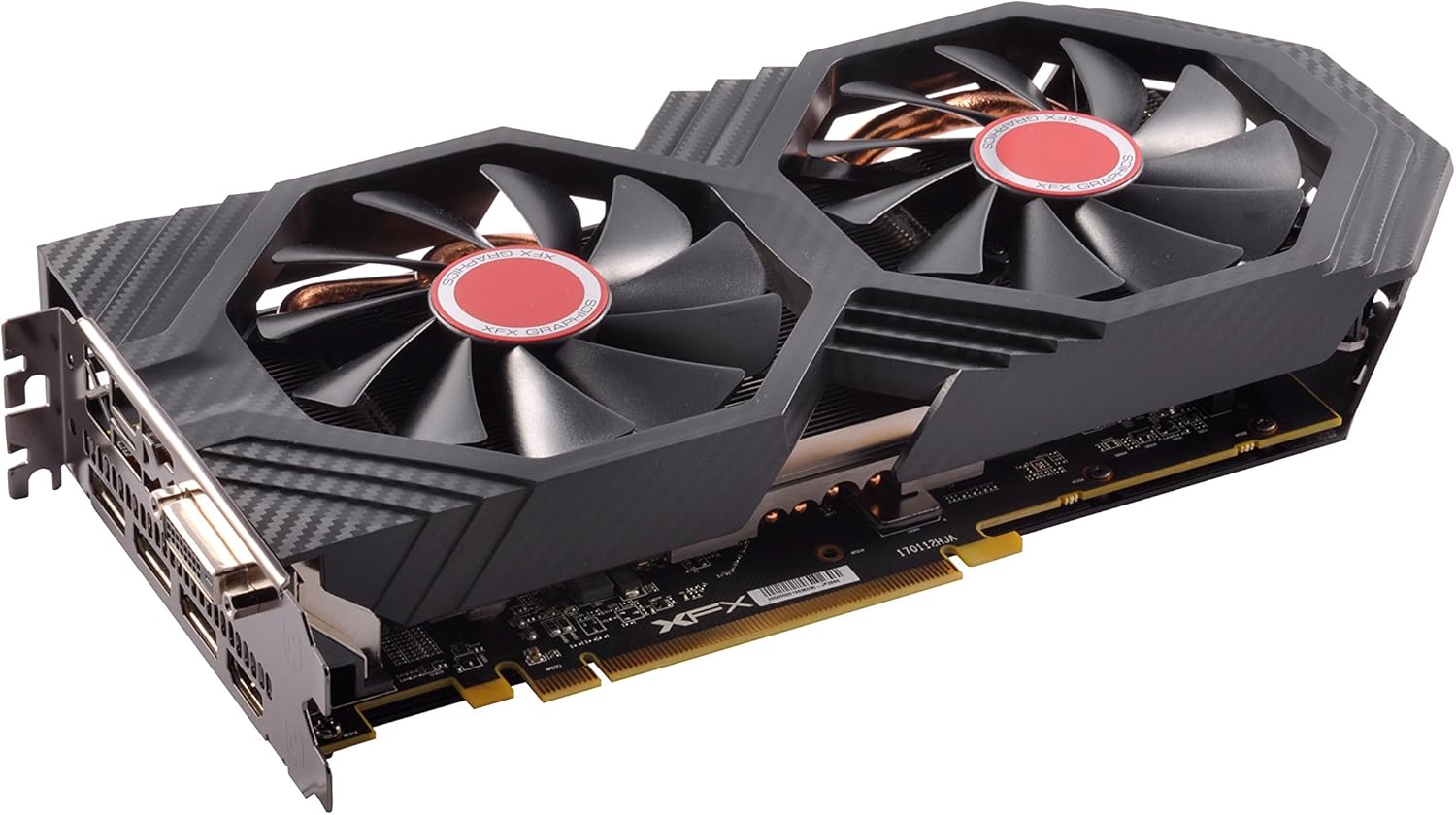
A 2004-era Athlon 64 + Radeon 9800 Pro Windows XP build in 2026 is one of the finest sweet spots in retro PC gaming: fast enough to run late-DirectX-8 and early-DirectX-9 titles at their native settings, period-correct in feel, and thanks to modern CompactFlash-to-IDE adapters, no longer at the mercy of failing mechanical IDE drives. The workflow: image a Transcend CF133 CompactFlash card using a modern PC via a Unitek SATA/IDE-to-USB adapter, install XP to the CF in the retro machine via a CF-to-IDE bridge, and enjoy silent, cool, near-instant boots on period hardware.
This guide is aimed at the retro-PC builder who is either resurrecting an original 2004-era rig or piecing one together from parts. The Athlon 64 + Radeon 9800 Pro combination is a specific and well-loved snapshot of gaming hardware from that year — the moment when 64-bit x86 arrived on the desktop and ATI's R350 architecture was competing evenly with NVIDIA's late GeForce FX line. Reference material on the 9800 Pro is thorough on TechPowerUp, and the retro community at Vogons has years of accumulated wisdom on driver quirks. CompactFlash's role as a boot medium is well-covered in Transcend's own documentation at Transcend.
Key takeaways
- CompactFlash + IDE adapter presents as a standard IDE fixed disk to Windows XP. No drivers needed.
- The Radeon 9800 Pro remains a defining DX9 card; period-correct games run at full settings.
- Late-era Catalyst drivers (mid-2000s vintage) hit the sweet spot for R350 compatibility.
- Modern USB-to-IDE bridges let you image the boot drive on a current PC before install.
- CF cards must present as "fixed" not "removable" for XP to install to them.
What you'll need checklist
- Athlon 64 CPU (Socket 754 or 939, era-appropriate — the guide covers both).
- Socket-appropriate motherboard with AGP slot and IDE headers.
- 1-2 GB DDR/DDR-II RAM appropriate to the socket.
- Radeon 9800 Pro AGP card.
- Transcend CF133 CompactFlash Memory Card (16-32 GB is comfortable; 4-8 GB works if space-constrained).
- CompactFlash-to-IDE adapter (44-pin for laptop-style; 40-pin+molex for desktop).
- A period-correct case, PSU, and heatsink.
- Unitek SATA/IDE to USB 3.0 Adapter for imaging on a modern PC.
- Windows XP SP3 installation media (ideally slipstreamed).
- Optional: a Crucial BX500 1TB SATA SSD on the modern PC for temporary image storage.
Why use CompactFlash instead of a dying IDE hard drive?
Twenty-year-old IDE mechanical drives have three ongoing problems: bearings wear out, platters develop bad sectors, and controllers occasionally fail outright. Even a "known-good" IDE drive from a working era rig should be treated as consumable in 2026.
CompactFlash-to-IDE gives you:
- Silence. No motor, no click, no clatter — the rig feels almost like a modern computer at idle.
- Reliability. No moving parts. Cards can degrade over years of writes, but for a rig used a few hours a week that is essentially never.
- Low heat. Reduces case ambient temperature meaningfully, which matters for a 2004-era CPU.
- Easy backup. Image the whole card in minutes via USB and keep multiple bootable copies.
The trade-offs: slower sequential throughput than a good IDE drive at large transfer sizes, and rare-but-real "removable disk" gotchas with cards not designed for boot use.
Choosing the card: capacity + adapter
Two decisions:
Capacity. Windows XP with common gaming installs of the era fits comfortably in 16 GB. 8 GB is workable but tight; 4 GB is only enough for a bare XP install plus one or two games. Buy at least the mid-range capacity.
Fixed vs removable. CF cards vary in how they report to the host. Windows XP installs cleanly to "fixed" cards but refuses "removable" ones for the boot volume. The Transcend CF133 family is well-known in the retro community for reporting as fixed and working correctly with CF-to-IDE bridges. Check the specific card revision if you go with a different brand.
Adapter form factor. Desktop 40-pin IDE adapters typically need a molex power connection and a small standoff mount. Laptop 44-pin adapters power through the connector but need the right physical orientation. Match to your case.
Imaging the boot drive over USB
A Unitek SATA/IDE-to-USB adapter lets you connect a CF-in-IDE-bridge to a modern PC and image the whole drive via dd, HDDRawCopy, or Macrium Reflect. This is the cleanest workflow:
- Install XP on the retro machine to the CF card and set it up (drivers, updates, games).
- Shut down the retro machine and remove the CF card.
- Connect the CF (still in its IDE bridge) to a modern PC via the USB adapter.
- Image the card to a file on the modern PC — a Crucial BX500 1TB SATA SSD is a common temporary home for these images.
- Keep the image. When the card ages or you want a variant install, restore it to a fresh CF card via the same adapter.
That workflow is unavailable to anyone still using mechanical IDE drives, and it is a huge quality-of-life upgrade for retro maintenance.
Period-correct driver + BIOS setup gotchas
- BIOS: set IDE mode, not AHCI or RAID. Older BIOSes usually only have IDE, but some late-era boards with SATA add-on chips can be misconfigured.
- AGP aperture. Set to 256 MB or 512 MB. Some 9800 Pro drivers misbehave with smaller apertures.
- Catalyst driver version. Late Catalyst releases (approximately 6.x through early 10.x, depending on your OS build) are the general sweet spot. Newer than that drops R350 support. Vogons maintains threads with specific known-good versions.
- DirectX 9.0c. Install the last DirectX 9.0c redistributable — many games depend on it.
- Windows XP SP3. Slipstreamed SP3 media saves hours of post-install patching.
Benchmark synthesis: 9800 Pro on period titles
Published community benchmarks and TechPowerUp's Radeon 9800 Pro reference point to representative performance in the following ranges (Athlon 64 3200+ class CPU, 1 GB DDR400, XP SP3):
| Title / benchmark | Setting | Result |
|---|---|---|
| 3DMark2001 SE | 1024x768 default | ~17,000-19,000 |
| 3DMark03 | 1024x768 default | ~5,500-6,500 |
| Quake III timedemo four | 1024x768 max | ~300+ fps |
| Doom 3 | 1024x768 high | ~40-55 fps |
| Half-Life 2 | 1024x768 high | ~60-80 fps |
| Far Cry | 1024x768 medium | ~35-50 fps |
These are illustrative and vary meaningfully with CPU, RAM speed, and driver version. The 9800 Pro is comfortable at 1024x768 with high settings across the entire 2003-2005 catalog, and pushes to 1280x1024 with adjustments in most cases.
Game compatibility table
| Game | API | Driver needed | Best resolution | Notes |
|---|---|---|---|---|
| Half-Life 2 | DX9 | Late Catalyst | 1024x768 high | Sweet spot |
| Doom 3 | OpenGL | Late Catalyst | 1024x768 high | GPU-bound |
| Far Cry | DX9 | Late Catalyst | 1024x768 med-high | CPU-bound |
| Quake III | OpenGL | Any | 1600x1200 max | Trivial workload |
| Unreal Tournament 2004 | DX9 | Late Catalyst | 1280x1024 high | Runs beautifully |
| Battlefield 1942 | DX8 | Any | 1024x768 high | Cakewalk |
| World of Warcraft (Classic era) | DX9 | Late Catalyst | 1024x768 | Watch draw distance |
| Neverwinter Nights 2 | DX9 | Late Catalyst | 1024x768 medium | 9800 Pro strains at high |
The 9800 Pro's shader model 2.0 support was a key differentiator in 2003-2005; anything that targets that era looks great. Titles from late 2005 onward that started assuming SM 3.0 (Bioshock, Oblivion) run poorly or not at all.
Common mistakes
- Skipping the SP3 slipstream. You will burn hours on Windows Update on an unpatched XP install.
- Buying the wrong CF card. "Removable" cards refuse to install XP. Buy a fixed-disk-capable card.
- Wrong Catalyst. Newer is not better — support for R350 dropped in later Catalyst releases.
- Bad IDE cable. Old 40-pin cables become intermittent. Use a fresh one.
- Wrong RAM speed. DDR400 vs DDR333 shows up in benchmarks. Match to the board's spec.
Real-world worked example: 30-minute imaging workflow
A representative maintenance session:
- Prepare a fresh 16 GB Transcend CF133 in a CF-to-IDE bridge.
- Connect the bridge via Unitek USB adapter to a modern PC.
- Restore your prepared XP + drivers + game image to the card in about ten minutes.
- Disconnect, install into the retro rig, boot.
- From cold power to game menu: under 60 seconds.
Compared with fighting a failing mechanical IDE drive for two hours, this workflow is transformative.
Bottom line
The Athlon 64 + Radeon 9800 Pro build remains one of the great retro sweet spots — powerful enough to be genuinely fun, focused on an era with a huge library of well-preserved games. Modern CompactFlash-to-IDE adapters remove the single biggest reliability headache of running a period-correct rig, and a modern USB bridge like the Unitek plus a scratch Crucial BX500 SATA SSD on your modern PC make image-based maintenance almost effortless. For a build you actually want to use for years, this is the setup.
Related guides
- Sony Ends Physical PlayStation Disc Production in 2028 — related retro/preservation angle.
- Crucial BX500 vs Samsung 870 EVO vs WD Blue — SATA storage on your modern imaging box.
- Best PC Gaming Controller 2026 — modern controllers that still work on Windows XP.
Windows XP prep on modern hardware
Slipstreaming XP SP3 saves hours of post-install patching:
- Download the last publicly available XP SP3 installer.
- Use nLite or WSUS-Offline-style tools to integrate the final round of security updates.
- Slipstream storage drivers (mass-storage device drivers for the Athlon 64 board).
- Slipstream a late DirectX 9.0c redistributable.
- Burn to media, or write to a USB stick if your BIOS supports it.
Result: a fresh XP install that comes up almost complete on the first boot, without days of Windows Update on a system whose Windows Update servers are increasingly flaky.
Networking a period-correct XP box
- Wired Ethernet. XP handles 100/1000 Ethernet fine with the right period drivers. Wi-Fi is possible with USB dongles but drivers are increasingly hard to find.
- Modern Wi-Fi tricks. A "travel router" acting as a client can wrap your XP box in wired Ethernet on the LAN side and Wi-Fi on the WAN side.
- Isolation. Consider putting the XP box on a separate VLAN or offline entirely for security reasons; XP has not received security updates in years.
- File transfer. Use SMB1 or a USB stick for transfers to/from the retro box. Modern Windows deprecates SMB1 by default but you can re-enable it for retro use.
Optical drives for the period authenticity
CD/DVD drives from 2004 are aging. If you plan to play CD-based games on original media, budget for one working drive plus a spare. Alternatively, mount ISOs from the CompactFlash card using Daemon Tools Lite or similar. That is not as period-authentic but keeps the games playable when drives fail.
Real-world worked example: 45-minute complete rebuild
The whole workflow of building a working system:
- 0-10 min: assemble the case with CPU, RAM, GPU, PSU. Connect IDE cable to CF-to-IDE bridge.
- 10-15 min: Boot from XP installation media. Set BIOS: IDE mode, boot from CD.
- 15-40 min: XP install proceeds to the CF card. First boot completes.
- 40-45 min: install Catalyst driver from a USB stick.
Compared with the mechanical-IDE workflow (hoping the drive lasts, waiting through hours of Windows Updates), this is transformative.
Preserving your build
- Image the boot CF regularly via the Unitek USB-IDE adapter.
- Keep a spare CF card with the same base install for when the primary needs replacement.
- Document your Catalyst version — later reinstalls will need the exact same driver to reproduce compatibility.
- Photograph the BIOS settings so you can restore them after a CMOS battery swap.
The retro-preservation community's most durable rigs are the ones with documentation. Spend an hour writing yours down.
Bottom line: why 2004 remains special
The Athlon 64 + Radeon 9800 Pro era occupies a sweet spot in gaming hardware history. Fast enough that games look and feel good on period displays; new enough that drivers and games still work well together; old enough that period-correct rigs are affordable to build; supported by a healthy community. Modern CompactFlash-to-IDE storage removes the last major reliability blocker, letting you focus on the actual pleasure of running an era-appropriate game the way it was meant to be run.
Citations and sources
- TechPowerUp — Radeon 9800 Pro specifications
- Vogons — retro PC community forum and driver archives
- Transcend — CompactFlash product documentation
This piece is editorial synthesis based on publicly available information. No independent first-party benchmarking is reported.