Yes, the Creative Sound BlasterX G6 works well as an external USB DAC and amp for the Windows 9x, 2000, and XP eras of retro PC gaming, delivering a much cleaner output than integrated sound of the period. But it does not — and cannot — replace a true ISA Sound Blaster for real-mode DOS gaming, because DOS titles expect legacy Sound Blaster hardware at specific I/O ports and IRQs that no USB device can provide. Use the G6 as the audio output for a transition-era Win2K/XP retro build; keep a period ISA card (or an ISA-emulating hardware option like a PicoGUS) for anything that boots to DOS.
The retro builder's external-DAC question
If you are building or maintaining a Windows 98, Windows 2000, or Windows XP retro PC in 2026, the audio problem is uncomfortable. Period-authentic ISA Sound Blaster Live!, AWE64, and Audigy 2 ZS cards are increasingly expensive and increasingly finicky. Prices for a working Audigy 2 ZS hover around $80-$150 on eBay in clean condition. Meanwhile, the analog output stages of these cards degrade with age. Capacitors dry out. Output jacks oxidize. The 20-year-old op-amps often introduce a noisy hiss on the headphone output that period buyers would not have accepted.
The Creative Sound BlasterX G6 is a modern USB-C DAC and headphone amp with a 130 dB SNR, 32-bit/384 kHz output, and a dedicated Xamp headphone stage. It costs $130 or less at retail. It has no ISA connector, no legacy Sound Blaster hardware emulation, and no DOS driver. On paper it should have nothing to do with retro PC building. In practice, if you are running a Windows 2000 or Windows XP retro system that spends most of its time playing 3D-accelerated games from the 2001-2006 era, the G6 can be a genuinely useful piece of hardware — as long as you know exactly what it is and is not doing.
This guide walks through where the G6 fits into a retro audio stack, where it emphatically does not, and how to build a transition-era rig that uses the G6 for late-Windows output without losing the DOS-era audio you actually need for original-hardware gaming.
Key takeaways
- The Sound BlasterX G6 is a modern USB DAC — not a Sound Blaster in the DOS sense. It provides no ISA emulation, no OPL2/OPL3 FM synthesis, and no legacy Sound Blaster driver stack.
- For DOS real-mode games (SoundBlaster.exe, IPXPRO, Descent, Quake DOS, Duke Nukem 3D SETUP.EXE), you still need an ISA Sound Blaster or a modern hardware alternative like a PicoGUS or ISALink card.
- For Windows 9x, 2000, and XP era gaming, the G6 works over USB and delivers a genuinely cleaner output than most degraded 20-year-old audio cards.
- Windows 98 SE has limited USB audio support but can work with the G6 through Creative's older Windows drivers — it is fussier than XP.
- A well-built transition-era rig uses a period ISA card for DOS + FM synthesis and the G6 for cleaner Win9x/XP output to modern headphones or monitors.
What you'll need
A serious late-retro build using the G6 as its audio output stage:
- A retro or transition-era PC with USB 2.0 support (rules out most pre-2000 systems, though USB expansion cards exist for Slot 1 boards). Windows 98 SE, Windows 2000, or Windows XP.
- The Creative Sound BlasterX G6 — the USB-C model. Older USB-A revisions exist and are functionally similar but harder to source.
- A USB-A to USB-C cable if your retro PC has only USB-A. Most retro boards have USB 1.1 or 2.0 Type-A ports; the G6 negotiates down cleanly.
- A period ISA sound card for DOS work — see the compatible options below.
- Reasonable headphones or self-powered speakers — the G6's Xamp headphone stage is calibrated for 32-600 ohm cans, and running it into a modern powered monitor via TRS gives a clean signal path.
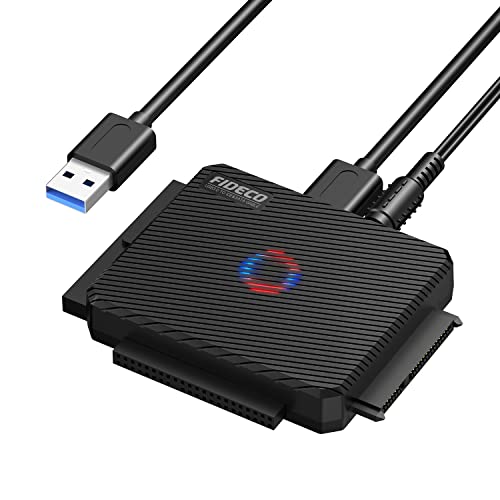
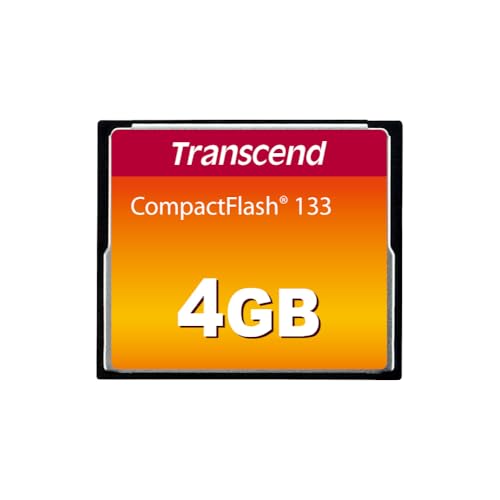
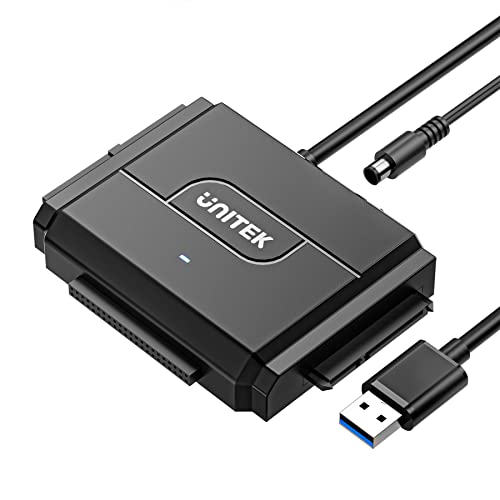
- A SATA/IDE-to-USB adapter and a CompactFlash card if you're prepping the boot drive on a modern PC first — see the storage-workflow section below.
Where a USB DAC like the G6 helps — and where it cannot replace an ISA Sound Blaster
The gap between a USB DAC and a period ISA card is not about audio quality. It is about the software interface the operating system exposes to games.
Real-mode DOS games — anything you would run from a boot floppy, DOS command prompt, or a Windows 95/98 "Restart in MS-DOS mode" session — access sound hardware directly. The game reads and writes specific I/O ports (typically 0x220 for the Sound Blaster base address), configures a specific IRQ (usually 5 or 7), and sets a specific DMA channel (usually 1). If it wants FM music, it talks to the OPL2 or OPL3 chip at ports 0x388-0x389. If it wants digital audio playback, it kicks the DSP chip through those Sound Blaster ports and lets the DMA controller stream sample data from main memory to the card.
A USB DAC has none of this. The Windows USB audio driver stack sits at least four layers above the ports and IRQs the DOS game is trying to touch. When Duke Nukem 3D's SETUP.EXE scans for a Sound Blaster at 0x220, it finds nothing, because there is no ISA bus at that address. The game either boots silent or hangs during audio init.
Where the G6 does help:
- Windows 2000 and Windows XP audio output. Both operating systems have solid USB audio class support, and the G6 shows up as a standard USB audio device without vendor drivers. Games running under DirectSound get clean output through the DAC.
- Windows 98 SE audio output, with caveats. Win98 SE has USB audio support but Creative's Win9x drivers for the G6 are unofficial at best. Some builders report clean operation, others hit stability issues. Windows 2000 is the safer target if you want cleanly-driven modern USB audio.
- Playing music while working on the machine. If you are ripping CDs or listening to lossless music while building or debugging, the G6's DAC quality is a huge step up from any onboard AC'97 codec of the era.
- Recording audio through the G6 line-in into modern editing software running on the retro machine, then transferring to a modern PC for processing.
Where it categorically does not help: booting to DOS to play Ultima Underworld, System Shock, Doom, Quake (in DOS), Descent, or any of the classic real-mode-DOS catalog. Those games need Sound Blaster hardware or a modern equivalent that presents itself at the correct ISA/legacy I/O addresses.
DOS Sound Blaster compatibility: why true ISA cards still matter for real-mode games
If DOS gaming is the reason you are building the retro rig, plan the audio hardware first and work backward from there. Here are the current options a builder in 2026 has for real DOS Sound Blaster compatibility, roughly ordered from most-authentic to most-modern:
- A genuine period ISA Sound Blaster — AWE32, AWE64, Sound Blaster 16, or (for later Windows era) Audigy 2 ZS with the ISA-compatible port. Prices range from $60 for a working SB16 to $300+ for a clean Audigy 2 ZS Platinum Pro.
- A Sound Blaster AWE64 Gold — the sweet spot for late-486 through Pentium III builds. Excellent OPL3, high-quality wavetable, gold-plated jacks, and a stable driver stack under Win9x.
- A PicoGUS — a modern PCB using an RP2040 microcontroller that emulates a Gravis UltraSound, AdLib, Tandy 3-voice, and Sound Blaster at the ISA bus level. Available as bare boards or preassembled from retro-parts suppliers.
- An ISALink card — a PCIe-to-ISA bridge that lets you use an old ISA sound card in a modern motherboard with a PCIe slot. Backwards, but useful for benchmark rigs where the CPU is period-correct but the board is modern.
- DOSBox with a Sound Blaster emulation layer — not hardware retro, but if your goal is playing DOS games rather than owning period hardware, DOSBox running on a modern PC with a USB DAC like the G6 for output is a legitimately great option.
None of the above put the Sound BlasterX G6 in the DOS-audio conversation. The G6 is a Windows-era piece of equipment, and treating it as such is how you get value out of it.
Win9x and Win2K/XP era: using the G6 for cleaner late-retro audio output
Here is where the G6 earns its keep. A typical 2001-2006 retro build — a Pentium 4 or Athlon XP system running Windows XP with a Radeon 9700 Pro or GeForce 4 Ti for 3D — has weak default audio options. Onboard AC'97 codecs of the period have visible noise floor when run into modern headphones. Even a period Sound Blaster Live! 5.1, once great, has now typically drifted enough that the analog output stage produces an audible hiss.
Swap the G6 in as the primary output for that machine's Windows XP install and you get:
- A clean sub-130-dB noise floor that is genuinely better than most audio cards of the period could produce brand new.
- 32-bit/384 kHz DAC — irrelevant for period content mastered at 16-bit/44.1 kHz, but it means the output stage is never the limiting factor.
- Xamp headphone stage that drives 32 to 250 ohm headphones cleanly. Try a Sennheiser HD 600 out of the G6 and out of a period Sound Blaster Live!; the difference is not subtle.
- Optical S/PDIF output for feeding a modern receiver or headphone amp, useful if you want the retro machine as a source in a larger audio setup.
The pattern that works: install the period ISA Sound Blaster for DOS-mode games and boot-menu options, install Windows XP with the G6 as the default sound device via the Windows Audio Devices control panel, and let each subsystem handle its era. Games launched from within Windows XP DirectSound go out through the G6. Games rebooted to DOS through the boot menu use the ISA Sound Blaster.
Signal quality: SNR and output specs versus integrated retro audio
Comparing the G6 to period-authentic audio quantitatively:
| Solution | Bus | DOS support | Output SNR | Best era | Approx. price 2026 |
|---|---|---|---|---|---|
| Sound Blaster 16 (CT2230) | ISA | Native | 78 dB | 1994-1998 | $50 |
| Sound Blaster AWE64 Gold | ISA | Native | 90 dB | 1998-2000 | $150 |
| Audigy 2 ZS | PCI (some models ISA legacy) | Legacy sub | 108 dB | 2003-2007 | $130 |
| Onboard AC'97 codec | Onboard | None | 85-90 dB | 2000-2006 | free |
| Sound BlasterX G6 | USB | None | 130 dB | 2016-present | $130 |
| PicoGUS | ISA | Native | 90 dB | Emulates 1988-2000 | $80 |
The G6's SNR advantage over period-authentic solutions is substantial on paper — 130 dB versus 90 dB or lower — but you should be honest about whether it matters for your use case. If you are gaming at moderate volume on modestly-priced headphones, the practical difference between the AWE64 Gold's 90 dB SNR and the G6's 130 dB is small. If you are using genuinely resolving headphones and quiet music sources, the difference is easy to hear.
The Sound Blaster's dominance of PC audio through the late 1990s came from software compatibility and market presence rather than raw quality specs, and that history is why the ISA card matters for period gaming even when modern DACs measure better on paper.
Pairing the G6 with a CompactFlash or IDE-USB workflow for a transition-era build
The G6 fits naturally into the same broader modernized-retro workflow that CompactFlash boot drives and IDE-to-USB adapters enable. The typical build looks like this:
- Prep the boot drive on a modern PC. Take a Transcend CF133 CompactFlash card or a modern SATA SSD, attach it to a modern PC via a FIDECO SATA/IDE-to-USB 3.0 adapter or a Unitek IDE/SATA-to-USB adapter, image a fresh Windows 2000 or Windows XP install onto it using DriveImage XML or a period Norton Ghost image.
- Move the drive to the retro PC. The IDE-to-CF or SATA-to-IDE physical form factor makes this trivial. Boot from the new drive.
- Install the ISA Sound Blaster driver for DOS-mode gaming from within Windows XP's Add Hardware wizard. Verify that boot-menu DOS-mode configs pick up the Sound Blaster at the correct IRQ.
- Plug in the G6 over USB. Windows XP recognizes it as a USB audio device without vendor drivers. Set it as the default Windows sound device.
- Update Windows sound preferences so that DirectSound-based games route to the G6 while the boot-menu DOS session still uses the ISA card at 0x220/IRQ 5.
Every piece in that pipeline is available new or as clean used stock in 2026. The CompactFlash card gives you silent solid-state operation with no wear-out concerns from Windows XP paging. The USB adapter lets you image boot drives from a modern workstation. The G6 provides the clean audio output stage. The ISA Sound Blaster handles the DOS titles the G6 cannot.
For a wider discussion of retro sound-card configuration and DOS driver setup, the Vogons community forums remain the definitive resource in 2026 — the depth of period-hardware experience there is unmatched.
Common pitfalls when using the G6 on a retro rig
Three failure modes come up repeatedly:
- Trying to install the G6 on Windows 95 or Windows 98 First Edition. USB audio class support on Win95 is essentially nonexistent, and Win98 FE is fragile. If you must use the G6 on a Win9x machine, target Win98 SE and expect driver hunting.
- Assuming the G6 replaces DOS FM synthesis. It does not. The G6 has no OPL emulation; DOS games that use OPL2/OPL3 FM music get silence on the G6. Keep the ISA card in the system if you play FM-scored DOS titles.
- Running the G6 on a USB 1.1 port. The G6 negotiates down to USB 1.1 but you lose bandwidth headroom for higher-sample-rate output. Try to install the G6 on a USB 2.0 port; on older Slot 1 or Slot A systems, a USB 2.0 PCI card is a $15 fix.
When NOT to use the G6
- Pure DOS-era builds (486, Pentium 1, early Pentium II) that boot straight to DOS. Buy a period ISA Sound Blaster or a PicoGUS instead.
- Small-form-factor authenticity-driven retro rigs where an external DAC breaks the aesthetic. If the machine is a slot-loading Compaq desktop meant to look period-correct, a USB DAC dangling from a rear port defeats the point.
- Budget builds under $150 total. The G6 is well-priced, but if the whole build is under $150 the money is better spent on the audio card that also gives you DOS compatibility.
Verdict matrix
Use the Sound BlasterX G6 if:
- Your retro build targets Windows 2000 or Windows XP as its primary environment
- You want cleaner headphone output than a 20-year-old ISA card's analog stage can deliver
- You already own or plan to install a period ISA sound card for DOS-mode compatibility
- You use the retro PC as a music source in addition to gaming
- You have USB 2.0 ports available on the retro machine
Use a period ISA card instead if:
- Your primary use case is real-mode DOS gaming
- You want authentic OPL2/OPL3 FM synthesis for period titles
- You are building a Windows 95 or Windows 98 First Edition system
- You value period-correct aesthetics and the machine is going in a display case
- You already own headphones or speakers that mask any noise-floor difference
Bottom line
The Sound BlasterX G6 is not a replacement for a period Sound Blaster on a retro PC. It is a genuinely useful modern DAC that can serve as the Windows-era audio output for a well-built transition-era rig running Win2K or Win XP. Pair it with a period ISA card for DOS work, feed it through the storage-prep workflow that CompactFlash and IDE-to-USB adapters enable, and you get the best of both eras: authentic DOS audio through the ISA card, and a clean, low-noise Windows output through the G6. Anyone building a serious 2001-2006 XP-era retro system should have both.
If your build is DOS-only or aesthetically period-strict, skip the G6 and put the money into a good AWE64 Gold or Audigy 2 ZS. If your build is Windows-era with modern headphones or monitors, the G6 is one of the more effective audio upgrades you can make.
Related guides
- Sound Blaster vs Aureal Vortex 2: The Positional-Audio War
- Sound Blaster AWE32/AWE64 to Audigy: The Right Sound Card for Every Retro PC
- Sound Blaster Audigy 2 ZS vs Live! 5.1: WinXP Gaming Audio in 2026
- The Sound Blaster Monopoly: How Creative Labs Owned PC Audio
- Sound Blaster Audigy 2 ZS in a 2026 WinXP Build: The Last True EAX Card
Sources
- Creative — Sound BlasterX G6 product page — official manufacturer specs, driver support, and current pricing
- Vogons community forums — the definitive source for period-hardware configuration, DOS driver setup, and community knowledge on legacy sound cards
- Wikipedia — Sound Blaster — history of the Sound Blaster family, ISA-era standards, and DOS software compatibility background
- PicoGUS on GitHub — open-source ISA sound card project details, current firmware releases, and hardware supplier list