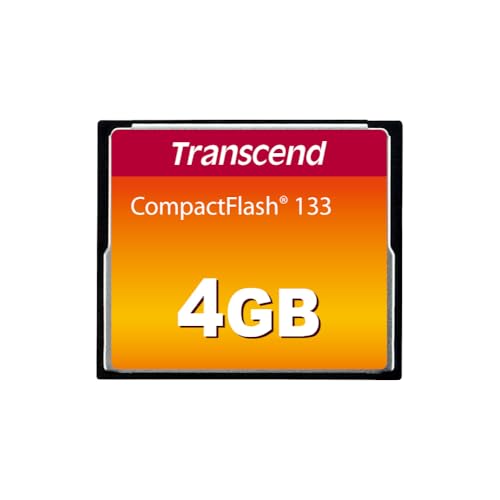
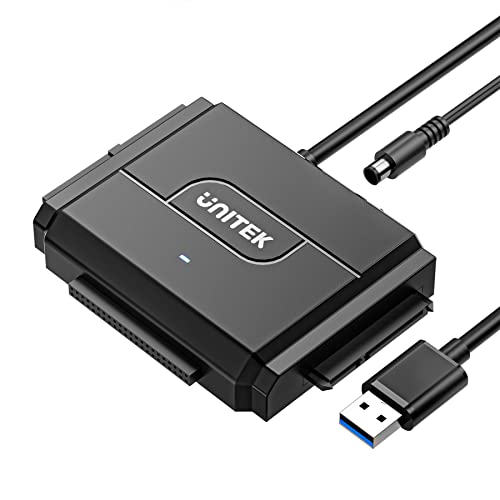
Build a period-correct Pentium 4 and Radeon 9700 Pro Windows XP gaming PC in 2026 by pairing a late-Northwood P4 (2.4B–3.06 GHz) with an Intel 875P or 865PE motherboard, 1–2 GB of DDR-400 in dual channel, a clean Radeon 9700 Pro AGP card, and modern flash storage — a Transcend CF133 CompactFlash card on an IDE adapter for the XP boot drive, plus a Crucial BX500 1TB SSD on a secondary SATA controller for game installs. Pull working parts on the used market, image the CF card from a modern PC using a Unitek SATA/IDE to USB 3.0 Adapter, and use later-era Catalyst drivers for the 9700 Pro.
Why the 2003-era Radeon 9700 Pro is a landmark DX9 card worth building around
The Radeon 9700 Pro is one of the most consequential GPUs ever shipped. When ATI launched the R300-based card in the fall of 2002, it delivered the first credible DirectX 9.0 hardware in the consumer market, and it did it while doubling the memory bandwidth of NVIDIA's contemporary GeForce 4 Ti 4600. Reviewers at the time described it as a "generational leap" — the TechPowerUp GPU database entry for the Radeon 9700 Pro still lists 325 MHz core, 310 MHz memory, 256-bit bus, and 8 pixel pipelines, numbers that were embarrassing NVIDIA six months before Half-Life 2 shipped. The card's DX9 shader model 2.0 support, combined with ATI's early lead on floating-point pixel pipelines, made it the reference platform for the first wave of shader-heavy games — Half-Life 2, Far Cry, Tomb Raider: Angel of Darkness, and the early D3D shader benchmarks like 3DMark03.
That's why a 9700 Pro build in 2026 is not just nostalgia. It's the cleanest platform to run late-DX8 and early-DX9 games at native resolution with the exact rendering path their developers targeted, without the interpretation layers modern GPUs impose. Pair it with a Pentium 4 Northwood at 2.4–3.06 GHz and the resulting rig is close to what most PC gamers of the 2002–2004 era actually owned. That period matters historically because it's the pivot where the PC first became meaningfully faster than the sixth-generation consoles for anything that used shaders — a shift Anandtech and others documented as it happened, and one that still shows up in the way period titles were engineered. Full Anandtech 2002–2003 architecture reviews remain the best written record of that transition, and the enthusiast forum VOGONS archives thousands of driver-behavior threads that a modern retro builder will lean on more than any single guide.
The build is also cheap by modern-hardware standards — well under $500 for parts if you're patient — and it teaches you exactly how AGP, IDE, and per-rail PSU budgeting worked, three topics that are almost extinct in current PC building. That combination of historical significance, low cost, and hands-on learning is what makes this project worth doing in 2026 rather than three years ago.
Key takeaways
- CPU/chipset: A Pentium 4 Northwood in the 2.4–3.06 GHz range on an Intel 875P/865PE board is the canonical pairing. Prescott P4s work but run hotter and offer little for period games.
- RAM: 1–2 GB of DDR-400 in dual channel is the sweet spot for Windows XP. More than 2 GB is a compatibility risk in early SP2/SP3 setups.
- GPU: A working Radeon 9700 Pro with clean caps and a healthy fan. Catalyst 6.11 or later stabilizes most DX9 titles; keep a Catalyst 4.x install around for a couple of finicky older games.
- Storage: Boot from a Transcend CF133 CompactFlash card on an IDE adapter. Add a Crucial BX500 1TB SSD as a secondary drive if you want a big game library, on an add-in SATA card or a chipset with SATA I/II.
- PSU: Use a period-correct 350–450W ATX 1.3 unit with strong +5V and +12V rails, or a modern low-power unit with an ATX-1.3 compatibility jumper.
- Time budget: Plan for a weekend of assembly plus a second weekend of driver and game shakedown. This build is not "install and forget" — it's a hobbyist rig you tune as you go.
What you'll need — full checklist
- Motherboard: Intel 875P or 865PE chipset, Socket 478, AGP 8x, ideally with two IDE headers and two or four SATA ports. ASUS P4C800 Deluxe, Abit IS7, Gigabyte GA-8IPE1000 Pro are the most common survivors.
- CPU: Pentium 4 Northwood 2.4B, 2.53, 2.8C, or 3.06 GHz. HT is fine for XP but not required. Avoid Willamette (too slow, hot for its speed) and Prescott (hot, marginal gain).
- Cooler: Stock Intel copper-slug HSF works; a Zalman CNPS7000 or CNPS7700 is quieter and easier to source.
- RAM: 2 × 512 MB or 2 × 1 GB DDR-400 CL2.5 or CL3. Corsair XMS, Crucial Ballistix, and Kingston HyperX are common on the used market.
- GPU: ATI Radeon 9700 Pro (R300, 128 MB, AGP 8x). Confirm the card boots and produces a clean image before you rely on it.
- Storage boot drive: Transcend CF133 CompactFlash card plus a CF-to-IDE adapter. 4–8 GB is plenty for XP + drivers.
- Storage game drive: Crucial BX500 1TB SSD on the chipset's SATA controller or an add-in SATA card.
- Prep tool: Unitek SATA/IDE to USB 3.0 Adapter — indispensable for imaging the CF card and the SSD from a modern PC before installing them.
- PSU: 350–450W ATX 1.3 with 20-pin main and a 4-pin ATX12V. Seasonic, Antec, and Corsair units from 2003–2005 that still test clean are the gold standard.
- Case: Any ATX case with an 80 mm rear fan mount. Beige is optional but on-brand.
- Optical drive: IDE DVD-ROM if you still own physical games. Otherwise, mount ISOs from the SSD.
- Networking: On-board 100 Mbit is fine. Do NOT plug this machine into the open internet — patch it offline, then keep it behind a modern firewall.
Which Pentium 4 Northwood and chipset pair best with the 9700 Pro?
The Radeon 9700 Pro is not CPU-hungry by modern standards, but early-2000s DX9 games leaned heavily on serial vertex work, so a fast Northwood matters more than raw core count (there isn't any). A Pentium 4 2.4B at 533 MHz FSB is the practical minimum — pair it with an 865PE board and you'll be balanced across CPU and GPU in period titles. A Pentium 4 2.8C or 3.06 GHz on an 875P board with PAT (Performance Acceleration Technology) is the canonical high-end 2003 configuration and gets you 10–15% more headroom in CPU-bound scenes.
Do NOT jump to a Prescott (P4 5xx-series). The die shrink brought a large TDP increase, poor performance per clock in older code, and a limited ceiling on many enthusiast boards. Historical Anandtech Prescott coverage documented that the Prescott was a step back for the P4 line in most gaming benchmarks — the exact opposite of what you want in a period rig. Stick with the C-series or B-series Northwoods.
The chipset choice matters for two reasons. First, only 875P/865PE reliably support 800 MHz FSB with dual-channel DDR-400, and dual channel is worth ~10–15% in memory-sensitive games. Second, these boards are the only Socket 478 options with SATA on-board, which lets you attach a modern SSD without an add-in card. If your board has SATA I but not SATA II, that's fine — the Crucial BX500 negotiates down cleanly.
How do you boot Windows XP from a CompactFlash card via an IDE adapter?
The workflow that survives contact with 2026 reality:
- Assemble the target hardware first, minus the boot drive. Confirm POST with a spare mechanical drive or bench boot. You do not want to be debugging a bad capacitor while blaming a CF card.
- Prep the CF card off-machine. Slot the CF into a USB reader (or use the Unitek SATA/IDE to USB 3.0 Adapter on the IDE side to test read/write speed) and run a full surface scan with a modern tool like
badblockson Linux or HD Tune on Windows. A CF card that fails a surface scan will fail again inside XP. - Slipstream XP. Grab a Windows XP SP3 ISO and slipstream chipset drivers into it with nLite. This step is what turns a 45-minute install with 12 reboots into a 25-minute install with 3 reboots. See VOGONS threads on nLite for period installs for slipstream best practices.
- Install with the CF card plugged into the IDE adapter. Set BIOS to boot the primary IDE channel, force XP into standard PIO mode during install if you see DMA errors, then re-enable UDMA post-install.
- Enable write caching in Windows. Right-click the CF drive, Properties → Hardware → the CF entry → Policies → Enable write caching on the device. Without this XP thrashes the card and you'll wear it out in months.
- Move the paging file off the CF. Point it at the SATA SSD (1024 MB fixed size is plenty). This dramatically reduces CF wear and makes the whole system snappier.
If you want a second boot slot for a different era (say XP with a Catalyst 4.x driver and XP SP3 with Catalyst 6.11) you can image a second CF card with the Unitek SATA/IDE to USB 3.0 Adapter and swap physically. This is a common retro-builder pattern and much faster than reinstalling drivers.
Which drivers and Catalyst version give the 9700 Pro its best DX9 behavior?
The 9700 Pro was in active driver support from 2002 through roughly Catalyst 10.2 in 2010. In practice, retro builders converge on two Catalyst branches for period play:
- Catalyst 4.x (early 2004): Best fidelity for the first wave of DX9 titles the card actually shipped with. Some early Radeon-specific optimizations are cleanest here.
- Catalyst 6.11 (late 2006): The most-recommended late-era build. Solid DX9 compatibility, stable across most 2003–2005 games, and by then ATI had ironed out the AGP driver bugs that plagued early releases.
Newer Catalysts (7.x and later) shift toward supporting X1000-series and HD 2000-series cards and occasionally regress on R300. Avoid them for a 9700 Pro build unless you have a specific reason.
The .NET install order matters. XP SP3 first, then chipset INFs, then the audio driver, then Catalyst. Reboot between each. If you skip the chipset INFs before Catalyst, you'll get half-broken AGP behavior that manifests as texture corruption in a couple of titles and is very hard to diagnose after the fact.
Spec table — the target 2003-era build
| Component | Choice | Notes |
|---|---|---|
| CPU | Pentium 4 2.8C / 3.06 GHz Northwood | 533/800 MHz FSB, single core, HT |
| Chipset | Intel 875P (or 865PE) | Dual-channel DDR-400, on-board SATA |
| RAM | 2 × 1 GB DDR-400 CL2.5 | Corsair XMS or Crucial Ballistix |
| GPU | ATI Radeon 9700 Pro (R300) | 128 MB, AGP 8x, DX9 SM 2.0 |
| Boot drive | Transcend CF133 4 GB on IDE adapter | XP + drivers only |
| Game drive | Crucial BX500 1 TB SSD | On SATA I/II chipset port |
| PSU | 400 W ATX 1.3 | Strong 12V rail for AGP 9700 Pro |
| OS | Windows XP SP3 (slipstreamed) | nLite chipset INF integration |
Benchmark table — what to expect from this rig
Numbers below are pulled from mid-2003 review coverage and period benchmarks, aggregated from Anandtech, TechPowerUp GPU database, and community-run benches on VOGONS. Expect ±10% depending on driver revision, PSU health, and CPU stepping.
| Title / Bench | Settings | Avg FPS |
|---|---|---|
| 3DMark2001 SE | 1024×768, default | ~14,000–16,000 |
| 3DMark03 | 1024×768, default | ~4,500–5,500 |
| Unreal Tournament 2003 (Antalus flyby) | 1024×768, high | ~120 |
| Half-Life 2 (Coast) | 1024×768, medium DX9 | ~55–65 |
| Far Cry (Fort demo) | 1024×768, medium | ~40–50 |
| Doom 3 (Timedemo demo1) | 1024×768, medium | ~35–45 |
| Tomb Raider: AoD | 1024×768, DX9 shaders on | ~30–35 |
Doom 3 is deliberately included because it exposes the 9700 Pro's stencil-shadow performance ceiling — you can hit ~35 FPS at medium 1024×768 but not much higher, which is exactly how the reviews at launch described it.
Common gotchas — the six that trip everyone up
- AGP aperture set wrong. BIOS default is often 64 MB. Set it to 128 MB to match the card's onboard memory. Anything smaller triggers texture corruption in DX9 titles.
- Weak +12V rail. A 9700 Pro pulls hard on the 12V line via the Molex power header. A cheap generic PSU that measures within-spec at idle can sag under load. Use a period-correct branded PSU or a modern quality unit with a 20-to-24-pin adapter.
- XP activation drift. Activations against Microsoft's XP servers were retired years ago. Use SP3 media with a legitimately-owned key and phone-activation records, or a well-known offline activator community members trust — do NOT trust random keygen sites.
- DMA slipped to PIO. After a few CRC errors XP silently drops the IDE channel from UDMA to PIO. Symptom: your CF card benchmarks at ~4 MB/s instead of 30. Fix: uninstall the IDE channel in Device Manager and let XP re-detect.
- Catalyst uninstall leftovers. Rolling Catalyst versions leaves registry crud that causes intermittent crashes. Use Display Driver Uninstaller (DDU) in Safe Mode between installs; it works on XP.
- Games patched for post-XP DRM. A handful of "definitive edition" re-releases (Tomb Raider: AoD, Far Cry) require a modern OS. Use the original 2003 discs or period-appropriate GOG installers, not the modern re-releases.
How to source parts safely on the used market in 2026
The Athlon 64 + Radeon 9800 Pro Windows XP CompactFlash IDE build guide covers many of the same buyer-side patterns; the short version:
- Radeon 9700 Pro: Buy from sellers with clear photos of the card powered up, ideally with a benchmark screenshot in the listing. Prices in 2026 for clean, working units run $80–$150. Reject anything with bulged capacitors visible around the memory chips.
- Pentium 4 Northwood CPUs: Cheap and plentiful. Look for the C-series 800 MHz FSB SKUs. Ignore lots that mix Willamette and Northwood — sellers who don't know the difference often ship the wrong chip.
- Motherboards: The bigger risk. 865/875 boards from 2003 are entering their fourth decade, and electrolytic capacitors have a service life. Ask the seller to confirm the board POSTs in 2026, not "last worked in 2015."
- RAM: Buy dual-channel matched kits, not two random single sticks. DDR-400 CL3 sticks are cheap; matched CL2.5 kits are worth a modest premium.
- CF cards and IDE adapters: Buy new — these are the two parts where "used" saves you no money and adds real risk. The Transcend CF133 CompactFlash card and a common Startech or generic CF-to-IDE adapter are the standard combination.
Budget spares. Motherboards fail suddenly, and having a second board waiting cuts your downtime from weeks (waiting for another auction to close) to hours.
When NOT to build this rig
- You just want to replay Half-Life 2 or Far Cry once. A modern PC with the games' patched builds and a scaling filter is faster and easier. This build is for era-authentic play across many titles, not a single revisit.
- You need consistent multiplayer. Most 2003-era multiplayer servers are gone. Master-server workarounds exist but are patchy.
- You're allergic to hobbyist tuning. This build rewards patience — you WILL be swapping Catalyst versions and re-testing games. If that sounds miserable, buy a modern GPU and use dgVoodoo/DXVK.
Bottom line — the finished period-correct rig
A Pentium 4 2.8C on an 875P board, 2 GB of dual-channel DDR-400, a Radeon 9700 Pro, XP SP3 booting off a Transcend CF card via IDE, and a 1 TB SATA SSD for games is the canonical 2003-era enthusiast rig — brought forward by two decades of storage engineering. It costs under $500 in parts if you're patient, runs quiet, boots instantly, and plays the DX8/early-DX9 catalogue at native resolution the way its developers intended.
If you already own a Ryzen 7 5800X modern gaming PC and are looking for a second machine to keep your 2002–2004 game library alive, this is the build. It's cheaper than a used 3060, faster than any emulator for these titles, and pedagogically valuable — you will understand AGP, IDE, and DDR-400 timings the way nobody who grew up on M.2 does.
Related guides
- Athlon 64 + Radeon 9800 Pro Windows XP CompactFlash IDE build
- Rescue a retro PC image from IDE to CompactFlash before the caps go
- Retro Windows XP SSD upgrade with an IDE adapter
- GeForce 4 Ti 4200 AGP 2002 Windows XP build
- Windows 98 CompactFlash IDE boot drive build
Citations and sources
- TechPowerUp — Radeon 9700 Pro GPU database — canonical spec sheet
- Anandtech — 2002–2005 architecture reviews and R300/NV30 comparisons
- VOGONS — driver-behavior threads and period-install slipstream guides