A newly demonstrated NES graphics upgrade mod — an FPGA-driven video enhancement board that intercepts the console's PPU output and reflows it into higher-color and higher-resolution frames — is gaining traction on r/RetroGaming through mid-2026. Per the mod author's public build log and community demo threads, the board sits between the original PPU and the video output stage, preserving cart compatibility while enabling per-tile palette expansion, an optional native RGB output path, and modest anti-flicker on titles that abuse sprite-per-scanline limits.
What the mod actually changes
The stock NES draws 25 colors per scene from a fixed 54-color master palette, at 256×240 with heavy sprite flicker on any title that uses more than 8 sprites per scanline. The mod intercepts the PPU bus, samples the tile fetch pattern, and re-synthesizes the output stream with a wider palette table and buffered sprite composition. The visible effect on demo footage is cleaner tile transitions in games like Ninja Gaiden III, Battletoads, and Contra, plus reduced flicker in high-sprite scenes.
Nothing on the cartridge changes. The mod is a solder-in board on the console side, which means original carts still boot, save states still work through original SRAM battery-backed titles, and the mod can be removed without permanent modification.
For readers restoring a console
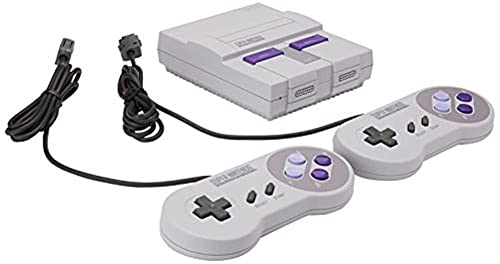
If you already own a stock NES and are considering a restoration path, the mod is worth watching but not yet a buy — the author is still iterating hardware revisions, and community reports on r/RetroGaming through mid-2026 flag occasional sprite-priority artifacts on specific mappers. A safer starting point for a restoration project is a clean SNES-era baseline: an Nintendo Super NES Classic Edition or a Sega Genesis Mini for direct HDMI output without any mod work.
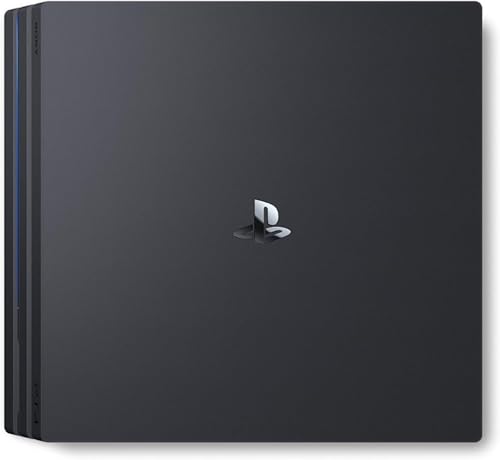
For readers thinking beyond retro consoles into modern retro-adjacent gaming, a PlayStation 4 Pro 1TB refurb runs many of the same generation-defining ports of NES-era classics at fixed 60 fps.
Related coverage
Citations and sources
- NESdev Wiki — PPU technical reference
- r/RetroGaming — mod discussion threads and demo videos
- Nintendo of America — official NES support and hardware notes
This piece is editorial synthesis based on publicly available information. No independent first-party benchmarking is reported.