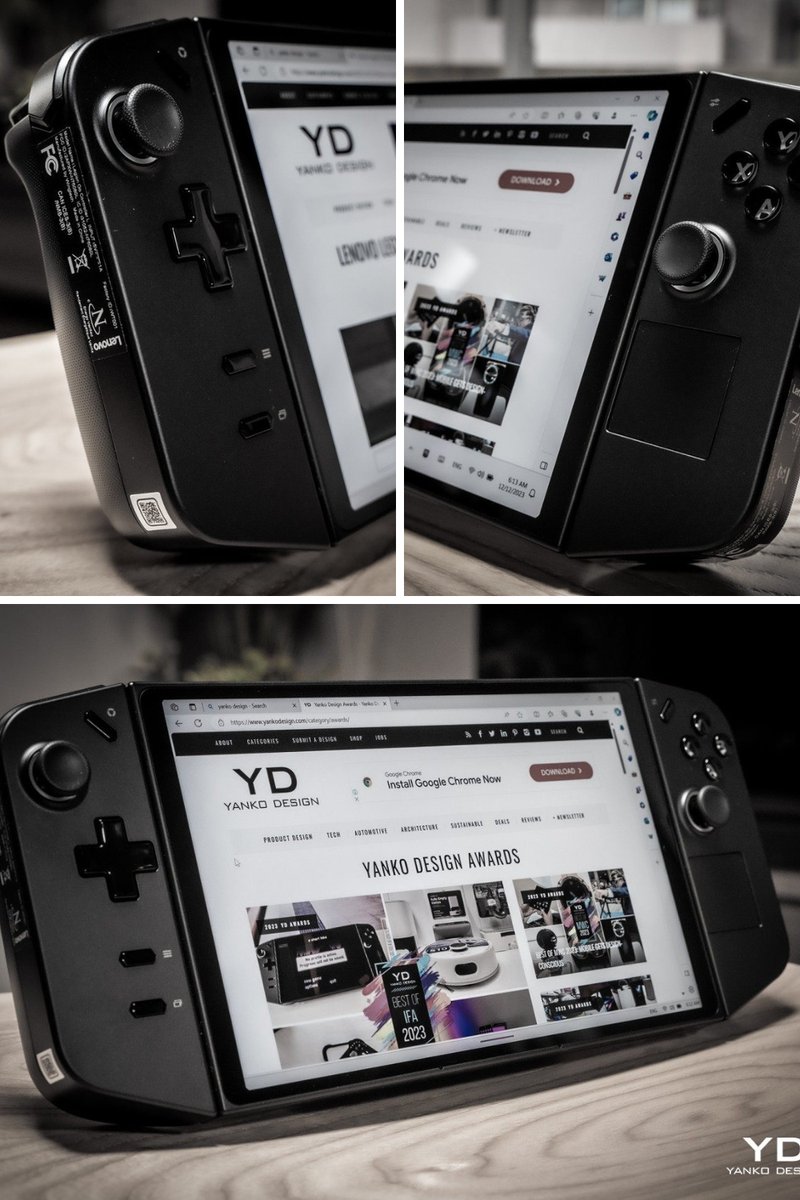
A recent retail listing surfaced the Lenovo G02 retro handheld with what reviewers describe as a long list of preloaded games including copyrighted Nintendo, Sega, and SNK titles. Lenovo has not commented on whether the units shipped with those ROMs or whether the listing reflects a reviewer‑side install, but the resurfaced "preloaded with N games" marketing pattern is itself a copyright problem and a buying signal for anyone shopping retro handhelds in 2026.
What was reported
Multiple outlets covering the handheld category at Tom's Hardware flagged the Lenovo G02 listing late last week. The marketing copy listed a four‑digit ROM count and showed gameplay screenshots that included identifiable Nintendo and Sega first‑party titles. Distribution of those ROMs without licenses from the rights holders has been an unambiguous copyright violation for thirty years; what's new in 2026 is the brand attached. Lenovo is not a no‑name AliExpress reseller — it is a tier‑one PC OEM whose name on a box meaningfully raises retail expectations and regulatory exposure.
The pattern has become familiar to anyone watching the retro handheld market: a Chinese ODM produces a $40 emulation handheld and licenses the chassis to a regional brand. The brand sells the unit through Amazon or AliExpress with a sticker, a translated box, and a microSD card already loaded with whatever the ODM's SD‑duplication pipeline happens to dump that month. Sometimes that's a clean BIOS and no ROMs; more often it is a junk drawer of every console up to PS1, including very recognizable Mario, Sonic, and Metal Slug titles.
Why this matters in 2026
Three reasons buyers should pay attention rather than just rolling their eyes:
- Customs seizures are up. U.S. CBP has been intermittently flagging handhelds with preloaded ROM marketing since 2024. Units have been held at port and returned to sellers; some buyers have received "we cannot deliver this item" letters from CBP after ordering from overseas marketplaces. That doesn't typically happen with domestic Amazon orders, but it has happened with direct China‑to‑door shipments.
- Nintendo's enforcement bar has moved. Nintendo's official channel has been aggressive about ROM distribution and emulator availability since the Yuzu and Ryujinx takedowns. Hardware sellers explicitly bundling Nintendo IP attract attention faster than ROM sites do.
- The next firmware update can break the experience. Many of these handhelds bury the ROM library on a partition the user can't access. If the brand pulls firmware over a takedown notice, your "preloaded library" goes with it.
The retro market itself is healthy. Sega's official Genesis Mini line ships a licensed selection of dozens of titles with proper emulation, real save states, and Sega's blessing — it just costs more than the off‑brand handhelds. The buyer's choice is genuinely between "cheap and grey" and "more money and clean."
What the Lenovo G02 actually is, hardware‑wise
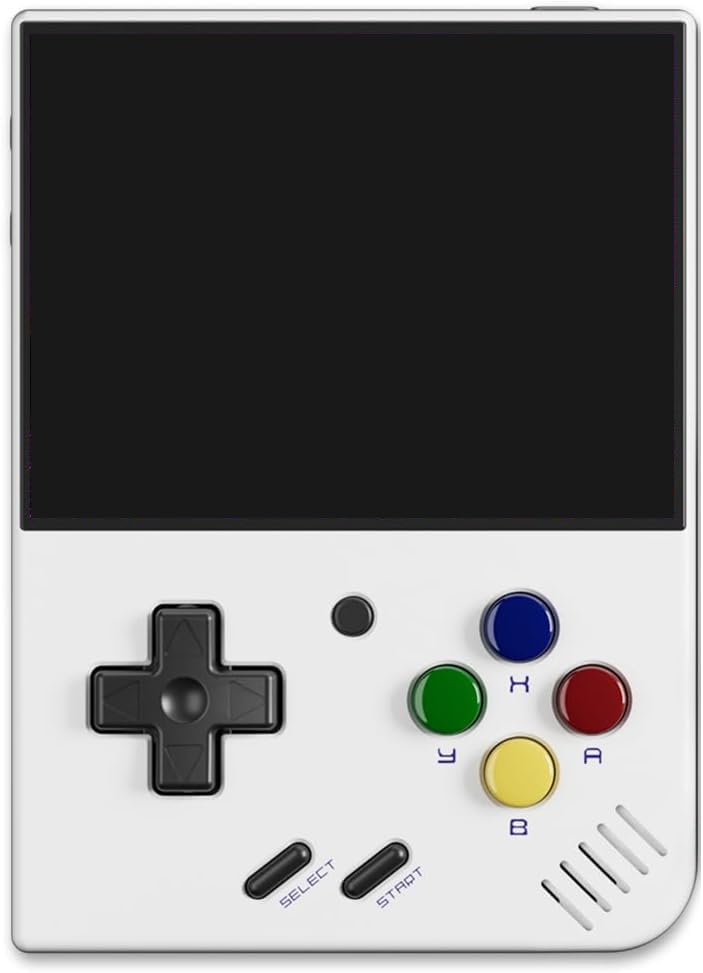
Setting the copyright story aside, the unit itself is an interesting hardware proposition for the segment. Estimated specs from retail listings and teardown photos: an Allwinner H700 or similar quad‑core ARM SoC, 2–4 GB of LPDDR4, a 5‑inch 720p IPS panel, dual analog sticks, four shoulder buttons, microSD expansion, and a 5,000 mAh battery good for ~6 hours of mixed emulation. That puts it roughly on par with the Anbernic RG556 and Retroid Pocket 5 — solid PS1 and Dreamcast performance, capable Saturn, fully fluent SNES and Genesis.
If you stripped the bundled ROMs and dumped your own, the hardware would land in the same upper‑mid tier as the Anbernic RG556 family. Most buyers in this segment do exactly that anyway — wipe the SD card, install a clean CFW (typically RetroArch on a stripped Android base), load their own legally‑backed‑up ROMs, and treat the bundled library as a sales gimmick to be ignored.
What you should do if you already bought one
- Don't connect to a network until you've decided what to keep. Some of these units phone home with telemetry and serial numbers.
- Pull the microSD and back up the contents to an external drive. Whether or not the bundled library is licensed, you may want to preserve config files.
- Reformat the microSD and install a clean emulator stack — RetroArch, EmulationStation, or muOS depending on your taste. Many of these handhelds have active firmware communities with clean builds.
- Re‑populate only with ROMs of games you own, ripped from your own cartridges. The hardware is genuinely capable; it doesn't need the grey‑market library to be worth using.
What you should do if you're shopping the segment
Three rules that hold across this whole market in 2026:
- Buy hardware, not libraries. Any listing that prominently advertises "N games included" should be treated as either grey‑market or a legal exposure for the seller. Either way, the library is not the product — the hardware is.
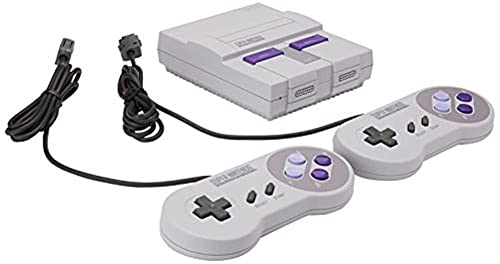
- Prefer the official retros for casual users. The Super NES Classic and Sega Genesis Mini are properly licensed, properly emulated, and properly supported. You give up flexibility but you gain a clean conscience and good controllers.
- Prefer the open ecosystems for enthusiasts. Anbernic, Retroid, Powkiddy, and Miyoo handhelds support open firmware and a thriving community. Hardware is comparable. You bring your own ROMs.
Lenovo's likely response
Lenovo has not publicly commented on the G02 listing as of this writing. Historical precedent across the PC OEM space — when a regional product accidentally ships with non‑compliant software — is to issue a quiet firmware update, recall the affected SKUs, and continue selling a reflashed version. That is what the buying community should expect here too. Whether the chassis remains on the market under a different SKU or vanishes entirely is the open question.
Broader retro handheld context
The retro handheld category has exploded in 2025–2026. Why now: ARM SoCs got cheap enough to emulate Dreamcast and Saturn at full speed; LPDDR4 prices stabilized; panel makers produce decent 4‑inch and 5‑inch IPS displays in volume; and an entire generation of buyers who grew up on the SNES and PS1 hit their high‑disposable‑income years simultaneously. The category is bigger than at any point in the past twenty years.
The flip side is that the regulatory infrastructure has not kept up. Customs enforcement is patchy. Marketplace moderation on Amazon, AliExpress, and Temu is reactive at best. Rights holders sue sporadically and selectively. The result is that a buyer can absolutely get a great piece of hardware and a great experience for $80–$200 — but doing so legally requires that buyer to do their own ROM sourcing rather than relying on the bundled library, no matter what brand name is on the box.
Common pitfalls when shopping this segment
- Confusing "preloaded" with "licensed." They are not the same. Even brand‑name products sometimes ship with unlicensed bundles.
- Underestimating analog stick drift. The cheap Hall‑effect knockoffs in this price range drift within months. Read recent owner reviews, not launch reviews.
- Ignoring the screen. 5‑inch 720p IPS at decent brightness is the bar. Cheap TN panels look terrible at any retro resolution and are still common in the sub‑$60 range.
- D‑pad quality. A bad d‑pad ruins every 2D platformer. There is no software fix.
- Charging chips. Several handhelds in this segment ship with cheap charging IC that warps the battery within a year. Check for USB‑C PD compliance.
What to watch next
Three things to keep an eye on through Q3 2026:
- Whether Lenovo issues a SKU recall, a firmware update, or a quiet relist.
- Whether U.S. Customs publishes guidance specifically on preloaded‑ROM handhelds.
- Whether Nintendo's legal team escalates beyond cease‑and‑desist letters to brand‑name resellers.
Any of those events shifts the buyer's calculus. None of them changes the basic advice: buy retro hardware that's good on its own merits, and source your library legally — which is more achievable than ever in 2026 thanks to flashcart hardware, ROM dumpers, and active homebrew communities for every classic platform.
Bottom line
The Lenovo G02 listing is a useful reminder that the retro handheld market still runs on a grey‑market library bundled with otherwise legitimate hardware. If you want a clean experience, buy a licensed mini console; if you want flexibility, buy an open‑ecosystem handheld and bring your own ROMs. Either path is good in 2026. The middle path — trusting a brand‑name handheld to come with a clean library — is the one that keeps producing news cycles like this.
The retro handheld market: spec landscape
To put the Lenovo G02 in context, here's how the 2026 retro handheld market stacks up across price and capability tiers:
| Tier | Examples | Price range | Best for |
|---|---|---|---|
| Sub‑$60 budget | Powkiddy V90, R36S | $30–$60 | Up to GBA/SNES/Genesis; many ship with grey ROMs |
| Entry mid | Anbernic RG35XX H, Miyoo Mini Plus | $60–$100 | PS1 fluently, N64 borderline |
| Mid | Retroid Pocket 5, Anbernic RG556 | $130–$200 | Saturn, Dreamcast, light PSP |
| Upper mid | Anbernic RG556, Retroid Pocket 5 Pro | $180–$260 | Dreamcast, PSP confidently, light PS2 |
| High | Steam Deck OLED, ROG Ally | $400+ | Anything up to PS3 with caveats |
| Licensed mini consoles | SNES Classic, Genesis Mini, Astro City Mini | $80–$150 | Small but clean library |
The Lenovo G02, based on retail listings, fits in the mid tier on hardware and the "uncertain" tier on library legitimacy.
Why the grey market persists despite enforcement
The economics are the explanation. A $40 hardware platform from an ODM with $0.50 of marginal cost to load 4,000 ROMs onto an SD card sells for $60–$80 retail. Without the ROMs, the same hardware sells for $40–$50. The bundled library doubles the unit's retail value at almost no incremental cost to the seller. As long as the customs‑and‑lawsuit risk remains low and intermittent, the math will keep pulling ODMs back to the practice.
The pressure points that could change the math:
- Tier‑one OEM exposure. Lenovo getting publicly named is a meaningfully bigger reputational risk than an AliExpress reseller; if Lenovo issues a formal statement and/or pulls the SKU, it raises the floor for what other tier‑one brands are willing to license.
- Marketplace de‑listings. Amazon has been quietly removing the most egregious listings. Other marketplaces are slower.
- Rights‑holder litigation. Nintendo's enforcement is well‑known; Sega and Bandai Namco have been increasingly active too.
What licensed retros do well
A reminder that the licensed mini console category is not just a fallback — it's genuinely good. The SNES Classic emulator is built by Nintendo's first‑party engineers using internal documentation; it sounds and feels right in ways that even excellent open emulators sometimes miss. The Sega Genesis Mini curates 42 titles including Tetris (notoriously hard to license) and runs them through M2's emulator (widely considered the gold standard for Sega arcade and console emulation).
If you want a no‑guilt, no‑hassle retro experience for a kid or for casual play, these are the right products and have been for years.
Related guides
- Self‑Host Jellyfin on a Raspberry Pi 4 8GB
- Hobbyists Are Self‑Hosting a Nintendo eShop with Ownfoil
- The Sound Blaster Monopoly: How Creative Still Shapes Retro PC Audio
What to do if you want a retro handheld today
Concrete buying advice for a 2026 reader:
- For a child or a casual relative: buy a licensed mini console. The Super NES Classic or Sega Genesis Mini. $80–$130. No legal questions. Curated library. Real controllers.
- For yourself, if you want flexibility: buy an Anbernic, Retroid, or Powkiddy mid‑tier handheld with a clean firmware reputation. $130–$200. Wipe the SD card on arrival. Bring your own ROMs from cartridges you own.
- For a serious enthusiast: consider a Steam Deck OLED or Asus ROG Ally. $400+. Runs a full Linux/Windows stack, can run any emulator that exists, doubles as a PC. The most flexible answer at any budget.
- Avoid: any brand‑name handheld whose marketing leads with a ROM count. Whatever the brand, the bundled library is the warning sign.
That last rule is the through‑line of the Lenovo G02 story. The hardware may turn out to be perfectly fine; the marketing is the problem, and the marketing pattern is the same one the entire grey‑market segment uses.
Citations and sources
- Tom's Hardware — Handheld Gaming Coverage
- Nintendo — Super NES Classic Edition Official Page
- Sega — Genesis Mini Official Page