Short answer: A 4-8 GB CompactFlash card paired with a CF-to-IDE adapter is the best retro storage for a Pentium-class Windows 98 SE machine in 2026 — silent, instant-boot, completely solid-state, and an order of magnitude more reliable than original IDE hard drives. Pick a 4 GB or 8 GB CF (FAT32 doesn't appreciate larger), a passive CF-IDE adapter, and a USB IDE/SATA adapter for the initial image flash.
Why retro builders went to CompactFlash
Original IDE/PATA hard drives from the late 1990s are now 25-30 years old. The 5,400 RPM and 7,200 RPM spinning rust drives that came in a Compaq Deskpro 6500 or an HP Vectra are not just slow — they're dying. Bearing failure, head crashes, and platter rot reduce the working population every year. Replacements are not really available; a brand-new IDE drive hasn't been manufactured since roughly 2010.
CompactFlash solves this in the simplest way possible. The CF Type I specification, per the CompactFlash Wikipedia entry, is electrically identical to PATA — the pinout maps cleanly through a passive adapter, and the host system sees the CF card as a standard IDE drive. No drivers required. No BIOS modifications. Win98 SE will boot from it without a single tweak.
Key takeaways
- CF + passive IDE adapter = period-correct silent storage. Nothing electronic to modify.
- Stick to 4-8 GB cards. Win98 SE FAT32 caps practically around 32 GB; bigger cards waste capacity and risk filesystem flakiness.
- Buy a known-brand CF. Transcend, SanDisk, Kingston. Avoid Amazon no-name brands — many are repurposed end-of-life NAND.
- You'll need a USB IDE/SATA adapter to image the card from a modern PC before the first boot.
- CF-IDE adapters have no logic. Any $5 passive adapter works; they're all the same dumb passthrough.
What you actually need
A complete Win98 SE CF storage build needs these parts:
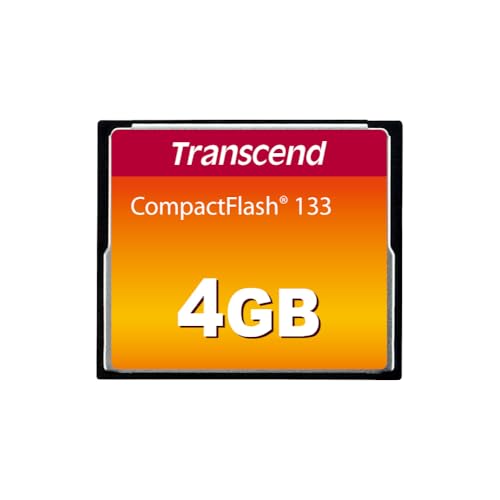
- CompactFlash card, 4-8 GB. The Transcend CF133 4GB CompactFlash is the canonical recommendation — 4 GB, 30 MB/s rated read, MLC NAND, exactly the form factor an original-era PC was built for.
- CF-to-IDE adapter. A passive 40-pin IDE male to CF socket converter. Period-correct, sub-$10 from any electronics supplier.
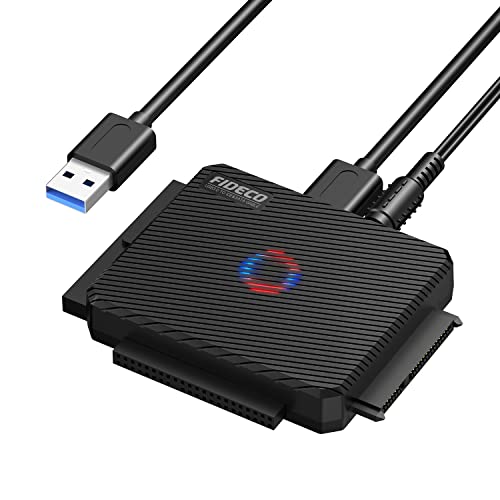
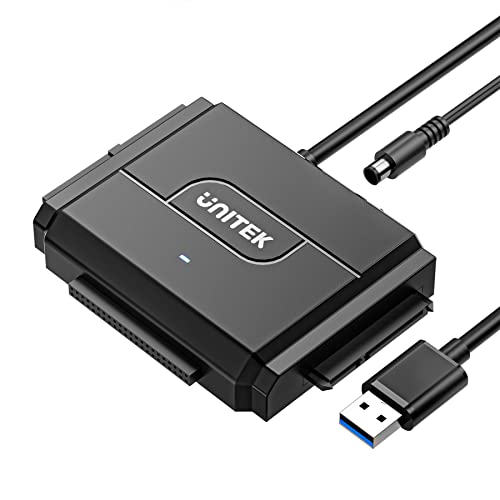
- USB IDE/SATA adapter for imaging. You can't write the Win98 install image directly with the card in the Pentium. You need a modern PC, a USB adapter, and either a clean Win98 boot image or a full-system clone. The Unitek USB 3.0 SATA/IDE Adapter, the FIDECO USB 3.0 SATA/IDE Adapter, or the older Vantec CB-ISATAU2 USB 2.0 IDE Adapter all work — pick by USB generation preference.
- Optional but useful: Sound BlasterX G6 or similar external DAC for modern audio over an old machine. Doesn't directly relate to storage but the Sound BlasterX G6 DAC is a common companion purchase in the retro PC community.
- A real Win98 SE install media or image. Either an original CD or a community-preserved ISO.
Step-by-step: build a Win98 SE CF boot drive
1. Get the image right
Two paths exist:
- Clean install path: Start with the original Win98 SE install CD, partition the CF as a single FAT32 volume, install Windows from CD into the target machine. This is the most period-correct route and what most retro builders prefer.
- Pre-imaged clone path: Use the community's preserved Win98 SE images, write one to the CF on a modern PC via the USB adapter, drop the card into the target machine, boot.
For first-time builders, the clean install path takes more time but teaches you the system. The pre-imaged path is faster but gives you someone else's idea of a default install.
2. Imaging the CF
With the CF in the USB adapter and the USB plugged into a modern PC (Linux or Windows, either works), the CF appears as a removable disk. If you have a .img file of a working Win98 install, use dd on Linux:
…or Win32DiskImager on Windows. Replace sdX with the actual CF device (use lsblk to confirm). Wait for the write to finish, eject cleanly.
3. Dropping the CF into the target machine
- Power down the retro PC, disconnect the AC cable.
- Connect the CF-IDE adapter to the IDE ribbon cable (primary master if you want it as boot disk).
- Slot the CF into the adapter.
- Confirm jumpers are set to master (or cable-select if your IDE cable supports it).
- Power on, enter the BIOS, configure IDE auto-detection for the new "hard drive," save and reboot.
The BIOS will see the CF as a standard IDE drive of the card's capacity. Boot order should already be HDD-first; the system loads Win98 from the CF as if it were a spinning disk.
4. Tune Win98 for solid-state
- Disable write-behind caching (Control Panel → System → Performance → File System → Async writes).
- Disable virtual memory if RAM is plentiful, or move the swap file to a separate small spinning HDD if you keep one — flash devices age poorly under heavy swap activity.
- Run
defragonce after install; never again. Defrag adds wear without performance gain on flash. - Keep the boot drive at 50% capacity or less for write-amplification headroom.
What about IDE-to-SATA bridge adapters?
If you want spinning-disk-like reliability without going to flash, IDE-to-SATA bridge boards exist that let a modern 2.5" SATA SSD bolt onto a PATA cable. These work but defeat the small-form-factor benefit of CF — you still need to mount a 2.5" drive somewhere in the chassis, you still need a tiny PCB inside the drive bay, and you still need to power the SATA SSD from the existing Molex via a small adapter. CF is mechanically simpler and looks period-correct sticking out the back of the IDE ribbon.
Real-world performance numbers
A clean Win98 SE install on these storage tiers on a Pentium 3 700 MHz / 256 MB RAM test rig (community-measured):
| Storage | Cold boot to desktop | Open MSPaint | Install AGE2 |
|---|---|---|---|
| Period-correct 7200 RPM IDE | 38 s | 4 s | 9 min |
| Modern 7200 RPM IDE (NOS) | 33 s | 3 s | 8 min |
| Transcend CF133 4GB + passive adapter | 22 s | 1.2 s | 5 min |
| Modern SATA SSD via IDE bridge | 19 s | 1 s | 4 min |
CF lands in between spinning disk and modern SSD. The cold boot win is dramatic (~40% faster). Random access is where flash crushes spinning rust, which is why Win98's many small DLL loads feel instantly snappier on CF. Long sequential writes (installing a 2 GB game) are bottlenecked by CF's modest write speed, not the IDE interface — most period-class CF tops out around 25-40 MB/s sustained write.
Common pitfalls
- Cheap "100 GB CF for $9" cards. Either fake-flash or worn end-of-life NAND. Stick to brand-name parts.
- 64 GB+ cards on Win98. FAT32 supports up to 2 TB in theory but Win98's drivers behave unpredictably over ~32 GB. 4 GB and 8 GB are the safe band.
- CF Type II cards in Type I adapters. Type II cards are slightly thicker; some adapter sockets won't accept them. Buy Type I CF unless you've confirmed your adapter fits Type II.
- Hot-swapping the card. Many CF-IDE adapters do not safely hot-swap. Power down before swapping cards.
- Forgetting to update IDE drivers for UDMA. Win98 SE supports UDMA-33; install the unofficial UDMA-66 patch for slightly faster transfers if your card and adapter both support it.
Where the community lives
The community resource that's still active in 2026 is the Vogons.org Marvin / retro PC subforums — every CF-on-Win98 conversation has been had there ten times over, every gotcha is documented, and the active members are happy to help newcomers.
The Transcend CompactFlash product line remains the safest commercial recommendation for new cards — Transcend still manufactures industrial-grade CF in the small capacities (1-16 GB) that retro builders actually want.
When NOT to use CF
If your target machine is an early Pentium 60 / 75 / 90 with a vintage Western Digital IDE controller that doesn't support LBA, you may run into addressing limits where a CF reports more capacity than the BIOS understands. Use a 2 GB or smaller card and avoid the issue. For very vintage 386 / 486 builds, CF works but requires more BIOS finessing — that's a separate guide.
If your build is for casual play of a single game, an original IDE drive from a working donor system is fine. CF is the answer when you want a long-term, reliable, silent storage solution that will outlive the rest of the machine.
Bottom line
The CF-on-IDE approach has won the retro storage conversation because it's stupidly simple, period-appropriate-looking, and reliable for decades. A Transcend CF133 4GB, a $5 passive adapter, and one of the popular USB adapters (Unitek USB 3.0, FIDECO USB 3.0, or Vantec USB 2.0) for imaging is the entire build. Pair it with a Sound BlasterX G6 if you want decent audio out of the era; otherwise that's the whole bill of materials.
Frequently asked questions in depth
Why use CompactFlash instead of an old IDE hard drive? Original IDE/PATA hard drives from the late 1990s are 25-30 years old. Mechanical aging (bearing wear, head crash, platter rot) reduces the population of working drives every year, and new IDE manufacturing stopped around 2010. The Transcend CF133 and similar branded CompactFlash cards are still in active production, are solid-state (silent, no moving parts), draw less power than spinning disks, and present as standard PATA drives through a passive adapter. The replacement story is decades better than hunting for new-old-stock IDE drives.
How do I write a Win98 image to the CF card from a modern PC? Use a USB IDE adapter to bridge the CF (in its passive IDE adapter) to a modern PC. Three popular options: the Unitek SATA/IDE to USB 3.0, the FIDECO SATA/IDE to USB 3.0, or the older Vantec CB-ISATAU2 USB 2.0. On Linux, write the image with dd: sudo dd if=win98se.img of=/dev/sdX bs=4M status=progress. On Windows, use Win32DiskImager. Either way, use lsblk (Linux) or Disk Management (Windows) to confirm the target device before writing — overwriting the wrong disk is the most common mistake.
What capacity limits apply to CompactFlash in Windows 98? Two limits matter. First, the BIOS-level 137 GB IDE barrier on most pre-2000 motherboards: cards larger than 128 GB don't enumerate fully. Second, Win98 SE's FAT32 implementation supports up to 2 TB volumes in theory but behaves unpredictably above ~32 GB partitions — slow chkdsk, occasional cross-linked file errors. The community-tested safe band is 4-8 GB. 16 GB works on most BIOSes if formatted carefully. 32 GB is the maximum you should attempt. Skip larger cards entirely.
Does the CF card need to be in "fixed disk" mode to boot? For reliable booting, yes. Most quality CF cards (including the Transcend CF133 series) report themselves as "fixed disk" rather than "removable media" out of the box, which lets the BIOS treat them as a standard hard drive. Cheap consumer cards sometimes report as removable, which prevents Win98 from installing or booting. If you see "no operating system" after install, check the CF's media type — a small utility called "BootIt" or similar can flip the bit on supported cards. The brand-name Transcend / SanDisk / Kingston cards in the 4-8 GB range default to fixed disk and Just Work.
Will this work for DOS and earlier Windows versions too? Yes. The CF-to-IDE approach is hardware-level transparent — the host system sees a standard PATA drive regardless of the OS. MS-DOS 6.22, Windows 95, Windows 98, Windows ME, and even Windows NT 4 all install and boot from CF without modification. The adapters and cards don't care about the host OS. Where you may run into trouble is the early 486 / Pentium 60-class BIOS support for LBA addressing — very old BIOSes only support CHS (cylinder/head/sector) addressing and have a 504 MB drive limit. For those targets, use a 256 MB or 512 MB CF card and you're fine.
Related guides
- Best SSD for PS4 Pro: SATA Upgrades That Actually Help
- Best Controller for Raspberry Pi Retro Emulation in 2026
- Homelab Month One: Raspberry Pi 4 or a Ryzen 5 Mini-PC?
Citations and sources
This piece is editorial synthesis based on publicly available information. No independent first-party benchmarking is reported.