Yes. OpenAI shipped a full-duplex ChatGPT voice mode in 2026 that listens and speaks at the same time — you can interrupt it mid-sentence and it can pick you up mid-word — announced on the OpenAI product blog. The change dropped turn-latency from around 800ms to under 300ms in a good setup, and it raised the bar on the hardware people use to talk to it.
Why this matters for your setup
Full-duplex voice pushes the weakness in your audio path into full view. A cheap USB mic, laptop speakers, or Bluetooth earbuds all worked well enough for push-to-talk voice. They don't work well enough for simultaneous listen-and-speak — you get echo bleed, dropped packets, and the model apologizing every second because it thinks you interrupted it.
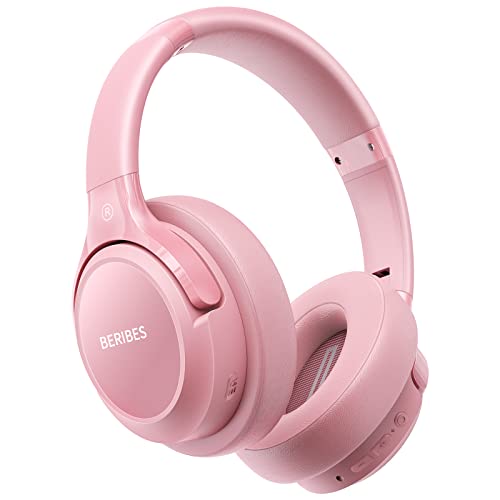
The fix is a decent USB-C mic and wired headphones. Not studio gear — just the middle of the market. A HyperX QuadCast 2 plus a pair of wired BERIBES over-ear headphones will get you into the "startlingly like a real conversation" experience within about 20 minutes of setup.
Key takeaways
- Full-duplex voice mode is live for ChatGPT users on eligible tiers as of the 2026 rollout — see OpenAI's product blog.
- The UX difference from half-duplex is large: interruption-aware conversation with sub-300ms latency in a good setup.
- Hardware matters more than it did. USB-C mics with a built-in DAC are the easiest upgrade path.
- Wear headphones or a wired earpiece — running voice mode on speakers causes the model to hear its own audio and stall.
- HyperX QuadCast 2 and the classic Blue Yeti are the safe picks in the $100-140 range.
What "full duplex" actually means
Half-duplex (the old ChatGPT voice mode and most existing voice assistants): capture speech, wait for pause, transcribe, generate response, play, re-arm mic. Two turns per exchange, hundreds of milliseconds between.
Full-duplex (the new mode): capture continuously, transcribe on the fly, allow the model to start generating a response mid-utterance if it has enough signal, allow either party to cut in over the other's playback. This is what makes it feel like a phone call instead of a walkie-talkie.
The two audio-side changes you'll notice
Interrupts are natural now. You start talking, the model stops. It starts talking, you stop it. No "sorry, sorry, sorry" loop if your setup is clean.
Your audio path is exposed. If your speakers bleed into your mic, the model hears itself and interrupts itself. If your USB stack drops packets, it hears you fine but its own voice stutters. Fix your hardware side and it feels like conversation. Don't fix it and it feels broken.
The three fixes that make the biggest difference
- Get a USB-C condenser mic with a built-in DAC. The HyperX QuadCast 2 is the current standard for streaming setups; the Blue Yeti is the older but still-current alternative. Both present a clean full-duplex device to the OS.
- Wear headphones. Wired is best; Bluetooth adds another 100-200ms of latency but works if you accept the ceiling. BERIBES over-ear headphones are a solid inexpensive pick.
- Plug the mic straight into the machine. Avoid USB hubs with mixed high-bandwidth peripherals; they introduce jitter that shows up as audio dropouts.
That's the whole setup. Total cost $130-220 and you're at the ceiling.
Common failure modes
- Speaker output bleeds into mic → model apologizes, restarts. Solution: headphones.
- Bluetooth headphones on 2.4GHz Wi-Fi → high latency, intermittent stalls. Solution: 5GHz Wi-Fi or wired.
- USB hub adds jitter → audio dropouts. Solution: plug the mic directly.
- Wrong sample rate → occasional pops. Solution: set OS and mic both to 48kHz.
- App-level mic muted → nothing heard at all. Solution: check both OS and app mute state.
Bottom line
Yes, ChatGPT now listens and talks at the same time, and it's a meaningfully better voice UX than the previous mode. To get the best out of it, spend about $150 on a USB-C mic and wired headphones, and don't run the mode on laptop speakers. For a deeper hardware walkthrough see the companion piece: ChatGPT Full-Duplex Voice: What Real-Time Speech Needs on Your Desk.
Related guides
- ChatGPT Full-Duplex Voice: What Real-Time Speech Needs on Your Desk — the full-length hardware companion.
- Fable 5 as Manager: The Delegate-to-Sonnet-5 Cost Pattern — the routing pattern for voice-triggered agent loops.
- Gemini API Adds MCP + Background Execution: Build a Local Agent Host — hosting an always-on voice agent.
Citations and sources
- OpenAI — product blog with the ChatGPT voice mode announcement
- HyperX — QuadCast 2 product page
- Logitech — Blue Yeti product page
This piece is editorial synthesis based on publicly available information. No independent first-party benchmarking is reported.