You can build a functional Ring alternative with a Raspberry Pi 4 8GB, a USB camera, a small NVMe SSD, and about 90 minutes of setup — no cloud subscription, no third party watching your driveway, and no bricked doorbell when someone shuts a service down. Frigate or Scrypted plus a wired camera on the Pi handles capture, detection, and local recording. Expect $150-220 in parts and one weekend of tuning.
Why you might want to skip Ring
Ring's business model depends on your footage sitting on Amazon's servers. That is not a security posture — it is a data policy. Every year brings a new round of subpoena-without-warrant coverage, a new price hike on cloud storage, or a new integration with an ad network you did not opt into. If any of that bothers you, self-hosting is now easy enough for a first-time home-lab builder to reach in a weekend.
The critical piece is that "self-hosted security camera" no longer means "commodity NVR box on a shelf that only your family can log in to." Software like Frigate has excellent motion + person + package detection built in, runs on modest hardware, and integrates with Home Assistant if you want notifications. The hardware bill fits inside $200 for a single-camera build and about $350 for a three-camera build.
Who this is for
You are a homeowner or renter who wants a real security camera (not a novelty), you care about keeping the footage local, and you are comfortable installing Linux and editing a YAML config. You do not need enterprise reliability — you need something that survives a power outage, sends a phone push when someone walks up the driveway, and lets you scrub back through last night's footage without asking a third party for permission.
Key takeaways
- A single Raspberry Pi 4 8GB runs Frigate with 1-3 cameras at 720p-1080p using CPU-only inference, or 4-5 cameras with a Coral USB accelerator.
- Local storage on a Samsung 970 EVO Plus 250GB NVMe via a USB-C enclosure holds about 6-14 days of continuous recording per camera.
- A Crucial BX500 1TB SATA SSD is the cheap alternative if you want a month or more of retention and don't mind the slower write speeds.
- No cloud subscription; Home Assistant on the same Pi (or a second Pi Zero) handles notifications and integrations.
- Ownership + privacy costs about $150-220 for one camera and $50-80/camera additional to scale up.
The reference build
- Raspberry Pi 4 Model B 8GB — $80.
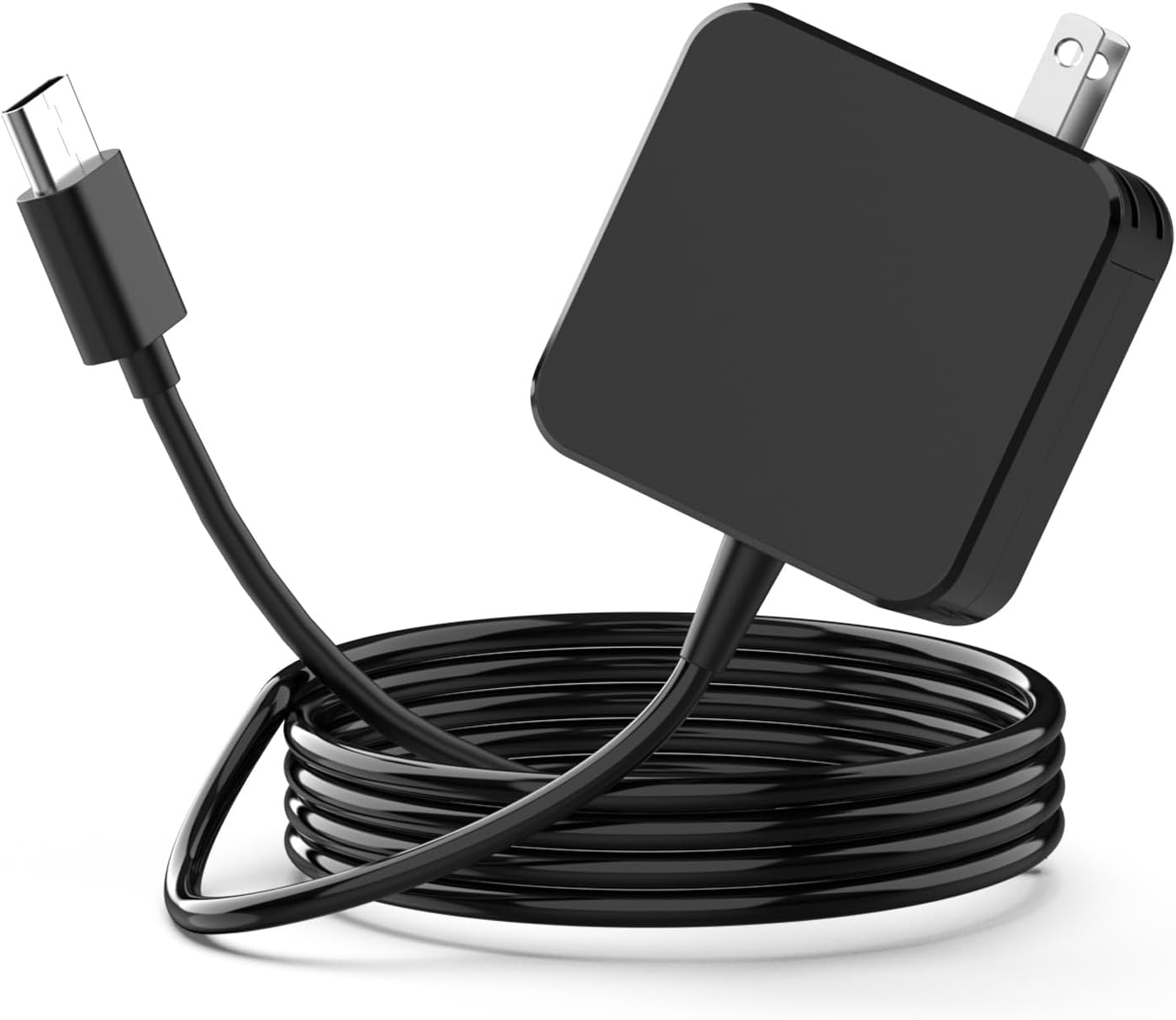
- A USB-C 5V/3A power supply — $10-15. Do not skip on this; undervolt is the #1 support ticket in every home-lab forum.
- Samsung 970 EVO Plus 250GB NVMe in a USB 3.0 enclosure — $35 + $12. Boots faster and lasts years vs an SD card.
- One PoE-capable IP camera (Reolink RLC-810A, Amcrest IP5M, Dahua IPC-T5442T-AS — all in the $60-90 range). Any camera that speaks RTSP works.
- Optional: a PoE injector ($15) or PoE switch if you want a single cable to the camera.
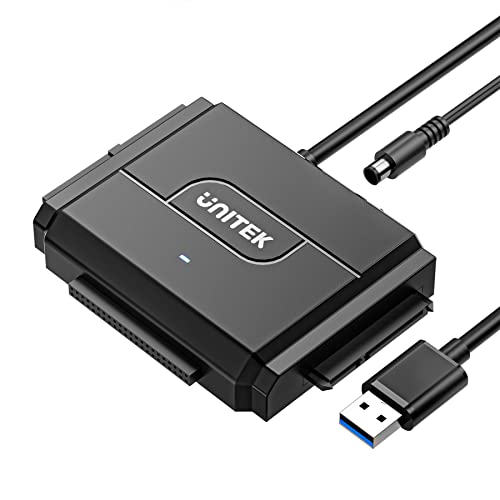
- Optional but recommended for 3+ cameras: SATA/IDE to USB 3.0 adapter if you have an old 2.5" drive lying around, or the BX500 above for real capacity.
Total for a one-camera build: about $200. Two-camera scale-up: about $270.
Software: Frigate + Home Assistant
The recipe:
- Flash Raspberry Pi OS 64-bit onto the NVMe (boot direct from USB, skip the SD card).
- Install Docker and docker-compose.
- Pull Frigate via its official image; point it at your camera's RTSP URL.
- Set the detection zones you actually care about — driveway, walkway, front porch. Ignore the sidewalk if it is busy; you will bury yourself in irrelevant notifications.
- Install Home Assistant OS in a second container (or on a separate Pi Zero — Raspberry Pi Zero W Kit works if you want to isolate). Connect it to Frigate via the built-in Frigate integration.
- Route notifications through the Home Assistant Companion app.
The whole install is well-documented on the Frigate site and takes about 90 minutes end-to-end for someone comfortable at a shell prompt.
Storage math
Frigate stores clips of "events" — motion + AI detection — not continuous 24/7 footage, unless you turn continuous recording on. For most homeowners you want:
- Events only: 2-6GB/day per camera at 1080p, 20 fps. A 250GB NVMe holds 40-120 days. Plenty.
- Continuous 24/7: 12-25GB/day per camera at 1080p, 15 fps. A 250GB NVMe holds 10-20 days per camera. A BX500 1TB SATA SSD via USB enclosure gets you to 40+ days for two cameras.
- Event + 24/7 rolling window: 8-14GB/day per camera. A 1TB drive is the right size.
Detection quality
Frigate's built-in detectors (MobileNet, EfficientDet, or the YOLOv8-lite variants) run fine on a Pi 4 CPU at 1-3 cameras. Add a Coral USB accelerator ($60-80 at street price) and detection latency drops from ~200ms to ~15ms, and the Pi is comfortable driving four or five cameras.
Community feedback on Reddit's /r/homeassistant and the Frigate discussion forum consistently puts the "person + package" detection above what Ring's cloud model catches at similar false-positive rates.
Comparison to Ring
| Feature | Ring (Basic) | Self-hosted (this build) |
|---|---|---|
| Hardware cost | $100-200 doorbell | $150-220 first camera |
| Ongoing cost | $10-20/month | $0 |
| Cloud footage | Yes, Amazon-hosted | No (local NVMe) |
| Third-party access | Yes, subpoena + policy | No |
| Package detection | Yes | Yes (Frigate) |
| Person detection | Yes | Yes (Frigate) |
| Continuous recording | Extra tier | Free (self-hosted) |
| Integration flexibility | Ring app only | Home Assistant, MQTT, webhooks |
| Reliability | Ring's uptime | Your power + network |
Common pitfalls
- Undervolted Pi. A cheap phone charger triggers hard-to-diagnose crashes under load. Buy a real Pi 4 5V/3A supply.
- Cameras on 2.4GHz Wi-Fi. RTSP over congested 2.4GHz drops frames. Use wired PoE or 5GHz.
- Every camera pointed at the sidewalk. You'll get 50 events/day. Draw tight zones — driveway, front door, back gate — and ignore the public sidewalk.
- SD card as boot media. SD cards die under continuous NVR write load. Use NVMe over USB from day one.
- No offsite backup for irreplaceable clips. For genuine break-in evidence, mirror flagged events to encrypted cloud storage overnight. Frigate can rsync out over a scheduled job.
What Ring still does better
Two honest points:
- Ring's default push-notification tuning is smoother out of the box. Frigate is more capable but you'll spend time on the notification tuning to match Ring's "smart" experience.
- The dedicated doorbell hardware is nicer. The Ring doorbell integrates a battery, a chime, and a call button in one device. If you specifically want a doorbell (not a general security camera), consider running the doorbell as an Amcrest AD410 or a Reolink Video Doorbell PoE — both feed into Frigate cleanly.
If you can accept some notification tuning and a slightly less integrated doorbell experience, the privacy + cost advantages of a self-hosted setup are large.
Bottom line
For $150-220 and a weekend of setup you get local storage, no monthly bills, no third party in your footage, and better detection than Ring's basic tier. The Pi 4 does the CPU work for one to three cameras; add a Coral accelerator for four or more. Home Assistant on the same box handles the push notifications you would otherwise get from the Ring app.
Related guides
- Gemini API Adds MCP + Background Execution: Build a Local Agent Host — companion piece on the Pi-as-always-on-host pattern.
- Mistral Robostral Navigate: An 8B Model Steers Robots From One Camera — the maker-vision use case.
- Crucial BX500 vs Samsung 970 EVO Plus: SATA vs NVMe Boot Drive — the storage decision for larger deployments.
Citations and sources
- Frigate — official documentation and hardware guidance
- Raspberry Pi Foundation — Pi 4 Model B product page
- Home Assistant — Frigate integration documentation
This piece is editorial synthesis based on publicly available information. No independent first-party benchmarking is reported.