Mount a 90s big-box CD-ROM ISO on a Windows 98 machine that no longer has a CD drive by (1) putting the ISO on a modern host, (2) writing it to a CompactFlash card via a SATA/IDE-USB adapter on the host, (3) plugging the CF card into a CF-to-IDE adapter in the retro machine, and (4) telling Win98 the mounted CF is drive D:. Alternate: use Daemon Tools 3.x on Win98 to mount the ISO directly from a compact flash "hard drive," which avoids reburning at all.
Why this is a real problem in 2026
Big-box CD-ROM games from 1994-1999 don't work well on modern machines, and the community response has been a wave of retro-Win98 builds — dedicated period-authentic PCs with Voodoo cards, AWE64 sound cards, and Pentium II or III CPUs. Half the fun of that build is the software: original Wing Commander, MDK, Baldur's Gate, Fallout, Quake, StarCraft, Interstate '76.
The problem: real 5.25" CD drives from that era are dying. Belt-driven mechanisms fail. Lasers dim. The ones still working command absurd prices on eBay, and they're often flaky when they arrive. Meanwhile, the ISOs of these games are widely available (from your own dumps of your own discs — this piece assumes you own what you're installing) and modern IDE-to-CF adapters cost $8.
The path forward is to skip the CD drive entirely: mount the ISO from local storage on the Win98 machine and let it install as if the CD were physically present. Two viable methods; this piece walks both.
Who this is for
You have a retro Win98SE build, an interest in period software, and an original disc collection you'd rather not put back into a fragile drive one more time. You are comfortable installing DOS-era software from floppy or from a network share. You are not looking for an emulation solution — you want the game running on real hardware.
Key takeaways
- Two methods work reliably: (a) copy the ISO's file tree straight to a CF card and let installers treat CF as D:, or (b) install Daemon Tools 3.x on Win98 and mount the ISO from a CF-hosted disk image.
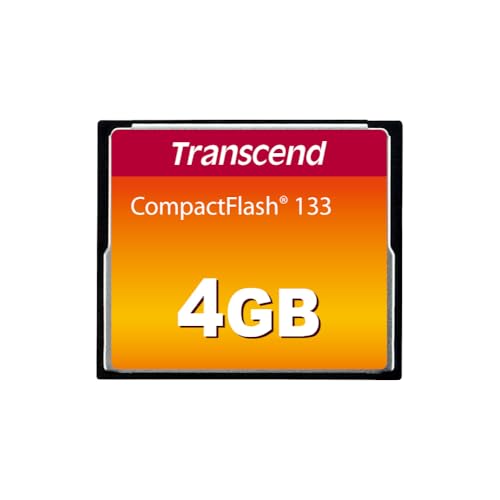
- A Transcend 4GB CompactFlash card plus an IDE-to-CF adapter is enough for most single-CD games (typical ISO 100-650MB).
- A Samsung 970 EVO Plus or Crucial BX500 on the host machine speeds up the initial ISO transfer to CF via a SATA/IDE-USB adapter.
- Method (a) is more compatible with old installers that check for a "true" CD-ROM drive letter; method (b) is faster to switch discs.
- Both methods avoid burning a physical CD-R, which is doubly welcome now that even CD-R media supply has thinned out.
What you need (parts)
- Retro machine: a working Win98SE box with at least one free IDE header and one 3.5" bay.
- A cheap $8-15 IDE-to-CompactFlash adapter (search "IDE 44-pin to CF" or "IDE 40-pin to CF").
- A Transcend CF133 4GB CompactFlash card — $20. 4GB is more than enough for single-CD-era games; step up if you're archiving many titles.
- A host machine (any modern PC) with a USB port.
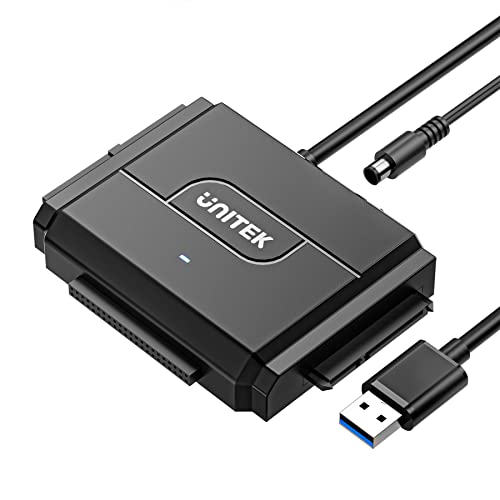
- A SATA/IDE-USB adapter — $15, in case you also want to move data between the retro machine's old IDE drives and the host.
- A CF USB reader — $8. Any card reader that speaks CF works.
- On the host: Samsung 970 EVO Plus as scratch space for the ISOs. Not strictly required, but staging the ISOs on a fast drive makes the whole workflow more pleasant.
- On the retro machine: a working boot drive (SD-to-IDE, CF-to-IDE, or original spinning-rust IDE HDD). A Raspberry Pi Zero W kit is a useful bench tool for scripting image transfers over network to the retro box if you're setting up several.
Skip real CD drives entirely. Skip USB CD-ROM emulators unless you know exactly which BIOS quirks yours triggers on Win98.
Method A: ISO tree straight to CF, treat it as D:
- On the host, extract the ISO's file tree with 7-Zip or WinRAR. You'll end up with the same folder structure as if you'd popped the CD in.
- Format the CF card as FAT32 (or FAT16 if the target game is old enough to complain about long file names — most 1995+ games handle FAT32 fine).
- Copy the extracted tree to the CF card's root.
- Rename the CF card volume label to match the CD's original label — this matters. Old installers check the volume name against a hard-coded string. If Wing Commander IV expects "WC4_1", the volume must be "WC4_1".
- In the retro machine, install the CF-to-IDE adapter as the secondary master, boot Win98, verify it shows up as D: (or whatever letter you want).
- Run SETUP.EXE from the CF. Point the installer at D: when it asks for the CD.
Volume label discovery: on the host, mount the ISO with virtual mount tools and read the volume label off the disc properties dialog — write it down before copying.
Method B: Daemon Tools 3.x mounting the ISO from CF
- On the host, install Daemon Tools 3.x on the Win98 machine's boot drive (search the archive — 3.x is the last Win98-compatible version).
- Format the CF card as FAT32 and copy the raw .iso file to it.
- Boot the retro machine, mount the .iso through Daemon Tools' tray icon, and choose which drive letter you want.
- Run the installer against that drive letter.
Method B has the advantage of not having to unpack anything — you carry a stack of .iso files. The disadvantage is that some installers do a "is this a real CD" check by calling GetDriveType() and rejecting non-CDROM types. Daemon Tools 3.x usually handles this, but a handful of DRM-protected 1990s CDs will still refuse.
Method A is more compatible; Method B is faster to switch discs.
The CF card matters
Not every CF card works cleanly in an IDE-CF adapter. The Transcend CF133 line is a known-good pick — a reference used across the retro community — because it exposes a proper IDE-mode interface and cooperates with old BIOSes' auto-detection routines. Avoid the cheapest no-name cards; they save $5 and cost you an hour of BIOS trouble.
Capacity: 4GB is enough for a stack of single-CD games. 8GB is enough for multi-disc games with room to spare. 16GB is the sensible ceiling; older BIOSes get confused past 8-16GB with old address translation modes.
Speed you'll actually see
CompactFlash on an IDE adapter runs at PIO modes or UDMA depending on the CF card and adapter. Realistic sustained read from a mid-tier CF on a Pentium II class board is 5-15 MB/s. That is faster than most 90s CD drives (which topped out at ~1-8 MB/s for a 4x-40x drive) so installs are faster from CF than from a real CD.
Common pitfalls
- Wrong volume label. The single biggest reason installers "don't see the CD." Rename the CF volume label to match what the installer expects.
- Copy-protection triggers. A few 1990s big-box games ship with disc-based copy protection (SafeDisc, LaserLock) that checks physical CD attributes. Neither of these methods bypasses that; you need the actual disc, or a no-CD patch (only for games you own).
- CF card at end of life. CompactFlash isn't infinite. Buy a fresh card, not one you've been shuffling between builds since 2012.
- Jumper settings on the adapter. Some IDE-CF adapters have a master/slave jumper you need to set. Default is usually master; if the BIOS won't detect the card, flip it.
- BIOS translation mode. Very old BIOSes (Pentium and earlier) may need LBA turned on to see modern CF cards correctly. Enter setup, force LBA mode.
- Case-sensitivity. DOS-era installers usually assume DOS 8.3 filenames. Long filenames from a modern host usually work in FAT32, but the safe path is to check for a rare installer that only reads DOS-format names.
The Windows XP corner case
If your retro build is actually a Win2000/XP machine (early 2000s Pentium 4), Daemon Tools 4.x and later versions of virtual-drive tools work fine and Method B is straightforwardly the best answer. Method A remains a good fallback.
Bottom line
Real 5.25" CD drives from the 90s are past their reliable service life, but you don't have to give up on the software. A Transcend CF card plus a $10 IDE-to-CF adapter, plus either an unpacked ISO tree (Method A) or a Daemon Tools 3.x mount (Method B), gets your original big-box game running on real Win98 hardware without hunting for a working drive. Total parts under $50, and the CF card outlasts the CD drive.
Related guides
- Crucial BX500 vs Samsung 970 EVO Plus: SATA vs NVMe Boot Drive — the modern-host scratch-drive pairing.
- Best Budget Gaming CPU in 2026: 5 AM4 and Entry Picks Ranked — the modern gaming build that pairs with a retro side-project.
- Build a Privacy-First Ring Alternative on a Raspberry Pi 4 in 2026 — same "Pi as a small always-on helper" pattern.
Citations and sources
- Transcend — CF133 CompactFlash product page
- Vogons — retro hardware community wiki on IDE-CF adapters
- Wikipedia — Windows 98 SE reference article
This piece is editorial synthesis based on publicly available information. No independent first-party benchmarking is reported.