A Voodoo2 SLI build in 2026 pairs two matched Voodoo2 cards, a period-correct 2D card with VGA passthrough, a Pentium II or Pentium III 2D host, and a modern CompactFlash-to-IDE boot volume with a SATA/IDE-to-USB adapter for imaging discs. Get the ribbon cable and driver order right, install Glide, and you have a Quake II / Unreal machine that runs at 1024×768 with authentic 3dfx feel.
Who this is for
You want to build a period-correct 1998–1999 Windows 98 SE gaming PC targeting 3dfx Glide games at their peak. You accept the effort curve — you will read Vogons threads, hunt for matched Voodoo2 pairs, and diagnose driver order more than once. The payoff is playing Unreal, Quake II, Half-Life, Descent 3, and Turok 2 on original 3dfx silicon at the resolution their designers envisioned.
This is not a "how to get into retro PCs" article. Start with a simpler Voodoo3 build if you have never dealt with period hardware before. This article assumes you have already built at least one working period rig and want to graduate to the Voodoo2 SLI top tier.
Key takeaways
- Voodoo2 is 3D-only. You need a separate 2D card (Matrox G200, Riva TNT, or similar era-correct pick).
- SLI requires two Voodoo2 cards with matching memory, connected by an internal ribbon cable.
- Target resolution ceiling: 1024×768 with SLI, versus 800×600 with a single card.
- CompactFlash-to-IDE is the correct boot volume — silent, cool, imageable.
- Use a SATA/IDE-to-USB adapter to image original IDE drives on a modern machine before they die.
- Modern SATA SSDs like the SanDisk SSD Plus 480GB and Crucial BX500 1TB work as scratch storage on a modern PC for build support.
What you'll need
- Two matched Voodoo2 cards. Both must have the same memory configuration — either 8 MB (2 MB frame + 6 MB texture) or 12 MB (4 MB frame + 8 MB texture). Prefer the 12 MB models; they support higher resolutions and more texture memory per frame.
- SLI ribbon cable. Comes with most retail Voodoo2 boxes but frequently missing from used listings. Verify presence before you buy.
- A 2D card with a VGA output. Matrox Millennium G200 (recommended for 2D quality), Nvidia Riva TNT (period-correct but weaker 2D), S3 Savage 4 (cheap and available).
- VGA passthrough cable. Chains 2D card → primary Voodoo2 → monitor. This is where most first-time builders trip.
- A period motherboard. BX chipset (Intel 440BX) is the gold standard. FIC VA-503+ (Super Socket 7) is the alternative if you want AMD K6-2/K6-3.
- CPU. Pentium II 350–450 MHz or Pentium III 500–700 MHz for BX. K6-2 500 MHz or K6-3+ 550 MHz for Super Socket 7.
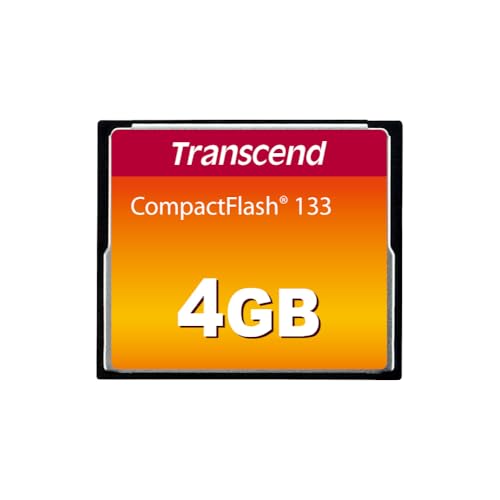
- A Transcend CF133 CompactFlash card plus a CF-to-IDE adapter. 4 GB is more than enough for Windows 98 SE plus a games install.
- A period-correct sound card. Sound Blaster AWE64 or SB Live! Value for the era.
- A Unitek SATA/IDE to USB 3.0 Adapter. For imaging original drives on a modern machine.
Which motherboard and CPU are period-correct for Voodoo2 SLI?
The reference platform for a peak Voodoo2 SLI build is an Intel 440BX motherboard with a Pentium III at 500 to 700 MHz. The BX chipset supports the 100 MHz FSB, AGP 2x for the 2D card, and enough PCI slots (usually five) to seat both Voodoo2 cards with slots to spare for sound and network.
Popular BX boards — the Abit BE6-II, Asus P3B-F, and Tyan Trinity 400 — remain the go-to picks on Vogons build threads. Any of these paired with a Pentium III at 500–700 MHz gives you a system that runs Voodoo2 SLI at the ceiling the cards can actually deliver. Higher-clocked CPUs (P3-1000) work but do not meaningfully help — the Voodoo2 is the bottleneck at any Glide resolution the SLI setup can serve.
Alternative: Super Socket 7 with an FIC VA-503+ or Iwill XA100 Plus, a K6-2 500 or K6-3+ 550, and PC133 SDRAM. Runs 3dfx just fine, cheaper on the used market, and gets you into a slightly different era of the hobby.
How do you wire two Voodoo2 cards in SLI and pass through the 2D card?
The wiring is the part first-time builders get wrong most often. Two things are happening at once: the two Voodoo2 cards are chained to each other via an internal SLI ribbon cable, and the 2D card is chained to the Voodoo2 array via an external VGA passthrough cable.
Steps in order:
- Seat both Voodoo2 cards in adjacent PCI slots. Adjacent is not strictly required but keeps the ribbon cable short.
- Connect the internal SLI ribbon cable between the two Voodoo2 cards. There is exactly one correct orientation; check pin 1 alignment on both ends.
- Install the 2D card in the AGP slot (BX platform) or a PCI slot (older platforms without AGP).
- Run a VGA cable from the 2D card's VGA output to the "VGA in" port on the primary Voodoo2 (the card at the end of the SLI chain closest to the CPU).
- Run the VGA passthrough cable from the primary Voodoo2's "VGA out" port to your monitor.
The monitor sees a single VGA signal. Windows draws the 2D desktop through the 2D card. When Glide activates, the Voodoo2 chain takes over the output. When Glide releases, the 2D card resumes. This is the same passthrough pattern used with all first-generation Voodoo cards.
Why CompactFlash-to-IDE beats a dying period hard drive
The original IDE drives from 1998–1999 that are still spinning are on borrowed time. Every one of them has bearings older than most of the people reading this, and they whine, fail, and lose data on a schedule you cannot control. The correct answer for a modern retro build is a Transcend CF133 CompactFlash card in an IDE adapter.
The CF card presents to the BIOS as a standard IDE drive. Windows 98 SE installs to it identically to a real hard drive. You get silent operation, no heat, no bearing wear, and — critically — the ability to image the entire drive to a modern machine using a SATA/IDE-to-USB adapter whenever you want to snapshot the build.
Size the CF card conservatively. Windows 98 SE plus a handful of period games needs 2 GB comfortably. A 4 GB card leaves room for the entire Voodoo Extreme/GameSpy era of games with headroom. Larger cards (16 GB+) work but you may need FAT32 partitioning tools to keep partitions under Windows 98's addressable limits.
Spec table: Voodoo2 SLI vs single Voodoo2 vs Voodoo3
| Spec | Single Voodoo2 12MB | Voodoo2 SLI (2x 12MB) | Voodoo3 3000 |
|---|---|---|---|
| Fill rate | 90 Mtexels/sec | 180 Mtexels/sec | 366 Mtexels/sec |
| Memory | 12 MB (4+8) | 24 MB total (12+12) | 16 MB |
| Max 3D resolution | 800×600 | 1024×768 | 1600×1200 |
| API | Glide, OpenGL (via miniGL) | Glide, OpenGL (via miniGL) | Glide, OpenGL, Direct3D |
| Slot | PCI (2 slots for SLI) | 2× PCI | AGP or PCI |
| Release | 1998 | 1998 | 1999 |
Per the TechPowerUp Voodoo2 spec page, the Voodoo2's core clock is 90 MHz. The interesting number is fill rate: SLI doubles it, and doubling fill rate is what lets Voodoo2 SLI push 1024×768 on Glide titles the single card could not manage.
How to install Glide and configure games
Install order matters:
- Boot Windows 98 SE from the CF card.
- Install the 2D card driver first. Reboot. Confirm the desktop is stable.
- Install the Voodoo2 driver stack (Reference driver 3.02, or the Metabyte/Wicked3D drivers for enthusiast builds).
- Reboot. In Device Manager, verify both Voodoo2 cards enumerated and are marked as SLI-linked.
- Install games. Configure each to use Glide as the renderer.
For Quake II, use the OpenGL renderer via the miniGL wrapper — 3dfx's port hits the Voodoo2 chain natively. For Unreal, use the Glide renderer. For Half-Life, use the OpenGL software emulation (Glide support was patched in later; verify per-version).
Approximate frame rates on a P3-500 with Voodoo2 SLI at 1024×768:
| Game | Renderer | FPS on Voodoo2 SLI |
|---|---|---|
| Quake II | Glide/OpenGL | 55–70 |
| Unreal | Glide | 40–55 |
| Half-Life | OpenGL | 45–60 |
| Turok 2 | Glide | 35–50 |
| Descent 3 | Glide | 40–55 |
Numbers from community measurements on Vogons build threads.
Glide vs OpenGL vs Direct3D on this hardware
Glide is the correct API for this hardware. 3dfx's own API was written to expose Voodoo2 features that the other APIs of the era could not touch, and games with native Glide renderers show a visual and performance advantage.
OpenGL via miniGL works well on Quake-family titles. The 3dfx miniGL wrapper translates a subset of OpenGL calls into Glide and runs at Glide-native speed.
Direct3D on Voodoo2 works but is slower and looks worse than Glide for most titles. Early Direct3D on Voodoo2 was a compatibility layer, not the intended path. Modern Direct3D wrappers can help but authenticity-focused builds usually stick to Glide when the game supports it.
Gotchas: driver order, ghost devices, resolution limits
- Ghost Voodoo2 devices. Windows 98 sometimes registers each Voodoo2 twice. Delete the ghost entries in Device Manager and reboot.
- Driver reinstalls. If you replace one Voodoo2 with a different revision, uninstall the driver stack first, then swap cards, then reinstall. Skipping the uninstall step often breaks SLI detection.
- 640×480 vs 800×600 on single-card fallback. If one Voodoo2 fails, SLI drops back to single-card mode at reduced resolution. If your resolution ceiling drops unexpectedly, check both cards.
- PCI bus contention. On some BX boards, seating both Voodoo2s in specific slot combinations affects IRQ sharing. Consult the motherboard manual for recommended slot orderings.
- Passthrough cable quality. Cheap VGA passthrough cables introduce visible ghosting on the 2D desktop. Buy a shielded cable — the difference is night and day.
Bottom line: is a Voodoo2 SLI rig worth building in 2026?
For a retro-PC enthusiast who wants the authentic 1998–1999 Glide experience, yes. There is no substitute for period silicon running period games at their intended resolution — modern emulation approximates but does not match. The build takes patience and sourcing effort, but the result is a machine that plays Quake II, Unreal, and Half-Life in a way no other combination of hardware can.
If you are new to retro PCs, no. Start with a Voodoo3 or a Voodoo5 build — same hobby, less sourcing pain, similar visual joy. A Voodoo5 5500 build guide covers the alternative path.
If you are chasing pure performance for its own sake, no. A modern retro-inspired build with a Voodoo3 in an AGP slot outperforms Voodoo2 SLI while requiring one PCI slot instead of two. The Voodoo2 SLI build is about authenticity, not benchmark scores.
Common pitfalls specific to Voodoo2 SLI
- Buying mismatched Voodoo2 memory sizes. An 8MB card and a 12MB card cannot run SLI together. Verify memory before purchase.
- Missing SLI ribbon cable. The cable is card-specific; not every Voodoo2 model uses the same connector. Buy the ribbon with the card if possible.
- Overheating in a small case. Two Voodoo2s put out real heat in period-standard airflow. A modern-value 80mm fan on the side panel keeps VRM temps in spec.
- PSU capacity. A 2× Voodoo2 SLI + Pentium III system still runs comfortably on a period 300W PSU, but many surviving period PSUs are past their capacity ratings. A modern-brand 400W ATX supply is fine and safer.
- Trying to use a Voodoo2 SLI with a modern flat-panel monitor. VGA passthrough at 1024×768 looks fine on a CRT. On a 27-inch modern LCD, the scaling is unpleasant. Use a small CRT for authenticity.
Related guides
- Voodoo5 5500 PCI modern board Glide 2026
- Install Windows 98 SE on CompactFlash boot drive
- Image and preserve vintage IDE drives to CompactFlash
- SATA to IDE USB adapter: Fideco vs Unitek vs Vantec
Citations and sources
- Vogons — community measurements, build threads, and driver order recommendations for Voodoo2 SLI.
- TechPowerUp Voodoo2 spec page — reference specifications for the Voodoo2 core.
- Phoronix — historical benchmark references and API-comparison context for Glide, OpenGL, and Direct3D on period hardware.
This piece is editorial synthesis based on publicly available information. No independent first-party benchmarking is reported.