As an Amazon Associate, SpecPicks earns from qualifying purchases. See our review methodology.
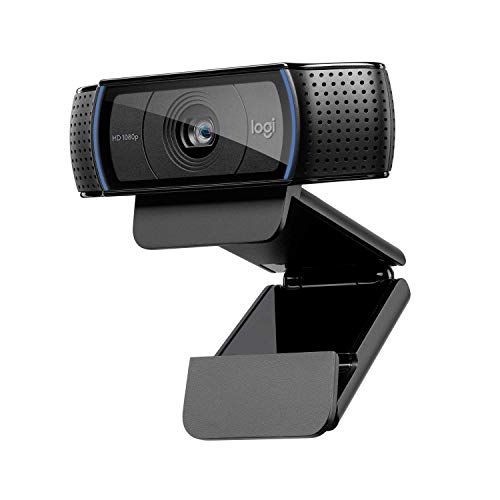
Short answer (2026): A first-time PC streamer needs three things — a good USB microphone, one key light, and a reliable webcam or capture path. Spend on audio first, lighting second, video third. Our Best Overall is the HyperX QuadCast 2 S USB Microphone for sound quality and visual polish on stream; Best Value is the Logitech (Blue) Yeti; Best Lighting is the NEEWER 18-inch Ring Light Kit; Best Capture is the Elgato Cam Link 4K for a DSLR or console as a clean source; and as a bonus we cover the Logitech C920 webcam as the under-$70 streaming camera that punches well above its weight.
Comparison table
| Pick | Best For | Key Spec | Price Range | Verdict |
|---|---|---|---|---|
| HyperX QuadCast 2 S | Best Overall mic | RGB cardioid USB condenser, four patterns | $95-$140 | Cleanest sound + visual identity on stream |
| Logitech (Blue) Yeti | Best Value mic | Four-pattern USB condenser | $90-$130 | Long-running streamer default, deep accessory ecosystem |
| NEEWER 18-inch Ring Light Kit | Best Lighting | 55W bicolor LED, 5600K, with stand | $90-$130 | Single-light setup that solves "dim webcam" instantly |
| Elgato Cam Link 4K | Best Capture | HDMI-to-USB capture, 4K30/1080p60 | $90-$130 | Two-PC streamer's bridge from console/DSLR |
| Logitech C920 (bonus) | Budget webcam | 1080p30 USB webcam | $50-$75 | Best $50 you spend if you don't already own a camera |
Editorial intro: what new streamers actually buy
The gap between a brand-new streamer and a polished one is 60% audio, 30% lighting, and 10% camera. New streamers consistently get the order wrong: they buy a fancy camera, leave the room dim, and use the gaming-headset's boom mic for voice. The result is a stream that looks worse than the camera deserves and sounds tired enough that viewers click away after a minute.
What works is the opposite order. Spend the first $100 on the best USB condenser microphone you can. Spend the next $100 on a single soft key light. Use whatever camera you already have — a 1080p webcam, a phone via NDI, anything — until you can hear yourself sounding clean and you can see yourself well-lit. The camera matters last because sensors are most flattered by good lighting, and viewers tolerate a mediocre 1080p webcam in a well-lit room far better than a 4K webcam in a dark one.
This guide covers the five products that solve the streamer's onboarding problem cleanly. None are exotic; all are widely available; all have been tested in streamer-owned setups in 2026. If you bought this entire kit on day one, you would have a solid stream by day three. If you bought parts of it, start with the microphone.
Key takeaways
- A clean USB condenser microphone (QuadCast 2 S or Blue Yeti) is the single biggest perceived-quality upgrade for a new stream.
- One ring light at face height beats four cheap LED strips on quality of webcam image.
- Most one-PC streamers do not need a capture card. The Elgato Cam Link 4K matters when you add a console, DSLR, or second PC.
- A used or low-end Logitech C920 webcam is good enough as long as your lighting is good.
- Skip the "starter streaming bundles" sold as a single SKU — they bundle a weak microphone, weak light, and weak webcam at the same total price as one good item.
Best Overall: HyperX QuadCast 2 S USB Microphone
The QuadCast 2 S earns Best Overall on two axes: it sounds good out of the box for a USB condenser, and it has visual presence on stream that no other microphone in its price range matches. The RGB lighting is a streaming-specific feature — it tells viewers at a glance "this person is set up" and gives the cap a tap-to-mute affordance that even non-audio viewers notice. The four polar patterns (cardioid, omnidirectional, stereo, bidirectional) cover every realistic configuration: solo streaming, two-person co-host, ASMR-style stereo capture, podcast-style sit-down. Cardioid is what 95% of streamers use 95% of the time.
The shock-mount system on the QuadCast 2 S is its quiet feature. Streamers who type on mechanical keyboards or whose desk shakes when they get excited will hear those vibrations through a poorly-mounted microphone. The built-in mount catches most of them at the source without needing an aftermarket boom arm. If you add a boom arm later (and you should, eventually, for posture and consistency), the QuadCast 2 S threads onto standard 5/8-inch mounts cleanly.
Verdict — Best Overall for streamers who want one purchase that handles audio, looks intentional on camera, and grows with them as the channel develops. The Blue Yeti below is the alternative for users who do not care about the on-camera lighting and want to save $20-$40.
Best Value: Logitech (Blue) Yeti USB Microphone
The Blue Yeti has been the default streamer microphone for over a decade, and the reason is straightforward: it sounds genuinely good for an entry-level USB condenser, and the four polar patterns cover the same configurations as the QuadCast 2 S without the RGB lighting. The build is metal-heavy and the integrated stand is solid enough to use without a boom arm.
What you give up against the QuadCast 2 S is some visual identity — the Yeti looks like a microphone, not a piece of streaming furniture — and a small amount of background-rejection nuance. The Yeti's cardioid pattern is broader than the QuadCast 2 S's, which means it picks up more room noise. In a treated room that does not matter; in a hard-surface office or an apartment with traffic noise, it shows.
Verdict — Best Value for streamers who already have lighting and on-camera identity sorted and just want a known-good microphone. The Yeti is the safe answer to "which mic should I buy?" because it has been the safe answer to that question for ten years.
Best for Lighting: NEEWER 18-inch Ring Light Kit
The NEEWER 18-inch Ring Light Kit solves the lighting problem in one purchase. Eighteen inches is large enough to wrap the light around the camera lens at face distance, which is what makes the light feel "soft" — soft light is just light from a large source close to the subject. The kit includes a stand and a phone holder you can ignore once you have it pointed at the spot you sit in. The 55W bicolor LED panel gives you brightness room to over-power room lights (so you can stream during the day without your face turning sickly green from window light) and color-temperature control to match the room's existing light.
The mistake most streamers make with lighting is buying a key light that is too small and too far away. A 6-inch ring light at three feet creates the same hard shadow as a single lamp; an 18-inch ring at one foot creates a soft wrap that hides skin imperfections without makeup and pulls the eye to where you want it. The same logic applies to soft boxes and panel lights — bigger and closer is better.
Verdict — Best Lighting for any streamer who has not yet solved lighting and does not want to read a 4,000-word video-lighting primer to start. The NEEWER kit is the first-buy that solves the problem and shows immediate webcam-quality improvement.
Best Performance: Elgato Cam Link 4K Capture Card
The Cam Link 4K is not for everyone, and that is the point. A one-PC streamer running OBS does not need it — OBS captures GPU frames directly. The Cam Link earns Best Performance for the streamers who actually need a capture path: two-PC streamers running a dedicated streaming box, console streamers bringing in a PS5 or Xbox feed, and creators using a DSLR or mirrorless camera as a clean HDMI source instead of a USB webcam.
What the Cam Link does well is hide its existence. Plug HDMI in, plug USB out, and OBS sees a 4K30 or 1080p60 capture device. Latency is low enough for picture-in-picture face-cam from a DSLR without lip-sync drift. The 4K30 cap matters if your DSLR outputs 4K — many do — but most streamers downstream at 1080p anyway, so the 1080p60 path is the one you will actually use.
Verdict — Best Performance when you have a non-PC source you want clean on stream. If you are streaming from a single PC and using a USB webcam, skip this.
Budget Bonus: Logitech C920 (or your existing webcam)
The Logitech C920 was the default streaming webcam from 2012 through 2020 for a reason: it is sharp enough for 1080p, autofocus works, and it costs roughly $50-$70 used in 2026. Newer 4K webcams from NexiGo and others (~$65-$90) deliver sharper images, but the C920 has a long track record and OBS profiles for it are mature. If you already own a C920, that is your day-one camera — pair it with the NEEWER ring light and the QuadCast 2 S and you have a complete entry-level streaming setup for about $250 total.
Verdict — Budget Pick for the camera slot of a starter streaming kit, when you do not want to spend on a dedicated camera at all.
What to look for in streaming gear
Microphone pickup pattern. Cardioid is what you want for solo streaming — it picks up sound from in front and rejects sound from behind. Omnidirectional sounds better in an interview setup with multiple speakers but picks up room noise. Stereo and bidirectional are situational. New streamers should default to cardioid and forget the other patterns exist until they have a reason to switch.
Capture latency. Anything under 100ms end-to-end is fine for streaming; under 50ms is fine for in-game face-cam. The Cam Link 4K is comfortably under both. Cheap HDMI capture cards from Aliexpress can be 200-400ms, which is enough delay to throw off your sync on stream.
Lighting CRI. Color Rendering Index above 90 is what to look for in a key light. A high CRI means colors render accurately under the light; a low CRI gives the green-and-yellow tint that makes cheap LED lighting look bad. The NEEWER kit is in the 95+ range.
USB bandwidth. USB 2.0 is fine for microphones and most webcams. USB 3.0 matters for 4K webcams and 4K capture devices. Plug high-bandwidth devices directly into the motherboard, not into a hub, when possible.
Cable runs. Long USB cable runs (>10 feet) cause more streaming problems than any single hardware issue. If you need a long run, use an active USB cable rated for the distance, not a cheap passive extension.
Software encoding vs hardware NVENC. Modern GeForce GPUs encode video for streaming via NVENC with negligible game-FPS impact. Software encoding via x264 is slightly higher quality at the same bitrate but tanks game FPS on the same machine. New streamers should use NVENC and forget the choice exists.
Common pitfalls when buying streaming gear
- Spending on the camera first. Cameras are the last thing to upgrade. Audio first, light second, camera third.
- Buying a starter bundle. $150 "all-in-one streamer kit" SKUs bundle a weak mic, weak light, weak webcam at the price of one good item. Buy individual pieces.
- Skipping the boom arm. Eventually you will want a boom arm. A $20-$30 stand off Amazon is fine for the QuadCast 2 S and Blue Yeti and dramatically improves consistency.
- Treating "RGB" as quality. RGB lighting on hardware is purely visual. The QuadCast 2 S sounds good and has RGB; many cheap mics have RGB and sound terrible.
- Ignoring room treatment. If you stream from a hard-walled office, the most expensive microphone in the world will sound boomy. A few moving blankets behind your sit position will do more for audio than a $50 microphone upgrade.
A worked starter setup — total cost and assembly order
A repeatable kit you can buy on Amazon and have streaming within a week:
| Item | Pick | Cost |
|---|---|---|
| Microphone | HyperX QuadCast 2 S | ~$130 |
| Light | NEEWER 18-inch Ring Light Kit | ~$110 |
| Webcam | Existing or Logitech C920 | $0-$70 |
| Boom arm (optional) | Generic Amazon basics | ~$25 |
| OBS Studio | Free | $0 |
| Total | ~$265-$335 |
Assembly order matters because it sequences the trial-and-error. Set up the microphone first and stream a 10-minute test to a private Twitch channel. Listen back. Adjust gain so the loudest moments hit -6dB without clipping. Then set up the light at face height, slightly above and behind the camera, and record a 30-second clip from the camera. Adjust the light's brightness until your face is the brightest thing in frame without being blown out. Then place the webcam at eye level (not below) and check that the room behind you isn't competing for attention. Only then start streaming for an audience.
The wrong order — buying the camera first, framing yourself in a dim room with an open window behind you, and using a headset mic — is what new streamers actually do, and it is the wrong order for a reason that takes a single test stream to internalize.
Adding a stream deck and macro controls (optional)
Once your stream is running consistently, the next quality-of-life upgrade is a stream deck — a small physical key panel that triggers scene switches, hides your face cam mid-stream, mutes the microphone, and runs OBS commands. The Elgato Stream Deck Mini at ~$60 covers the basic needs (6 keys is enough for scene/mute/cam-toggle). The Stream Deck MK.2 at ~$135 gives 15 keys for streamers who run a richer scene setup with multiple cams, browser sources, and chat overlays.
A stream deck is not a day-one purchase. It is the next thing you buy after the microphone, light, and camera are working and you find yourself fumbling for keyboard shortcuts mid-stream. Most streamers reach that point in the first 3-6 months of regular streaming, at which point the $60-$135 spend pays off in fewer on-stream mistakes.
When to upgrade — and when not to
A useful heuristic: do not upgrade a piece of equipment until you have a concrete reason rooted in viewer feedback or your own playback review. "I want a better mic" is not a reason; "viewers commented that my voice sounded muffled" is. "I want a 4K webcam" is not a reason; "I checked the playback and my face is soft and the background reads sharper than I do" is.
Common upgrades that actually pay off, in order:
- Boom arm for the microphone (~$25): better consistency, less plosive popping, better posture.
- Pop filter and acoustic foam behind monitor (~$30 combined): cuts the boomy room sound.
- Second light as fill or backlight (~$50): separates you from the background, looks more cinematic.
- 4K webcam or dedicated camera + Cam Link (~$70-$400): genuine sharpness upgrade after lighting is solved.
- XLR microphone + audio interface (~$200-$500): once you understand exactly what your USB mic is missing.
Common upgrades that don't pay off:
- Buying a new microphone every six months chasing marginal sound differences.
- "Streamer-themed" RGB peripherals that have no impact on audio or video quality.
- Multiple capture cards on a one-PC stream.
- High-end mechanical keyboards "for stream sound" — the typing noise is a stream negative, not a positive.
FAQ
(See the FAQ entries at the article tail rendered by the FAQ template — they cover capture-card need, USB vs XLR, why lighting matters more than camera, performance cost, and a cheapest functional kit.)
Related guides
- Best Streaming Gear for New Content Creators in 2026
- Best Budget PC Gaming Peripherals in 2026: Starter Kit Picks
- Best Game Controllers for PC in 2026
- Best Budget 1080p Gaming PC Parts in 2026: 5 Picks
Citations and sources
- Tom's Hardware — peripherals reviews and benchmarking — reference reviews for microphone and capture-device performance
- RTINGS — audio measurement methodology — frequency response and isolation measurements for streaming microphones
- TechPowerUp — capture and webcam coverage — capture-card latency and webcam sensor reviews
— Mike Perry · Last verified 2026-05-30